

Antique Reading Lectern
An antique reading lectern provides a steadfast perch for volumes and scores, bringing architectural presence and utility to a study or library.
Antique Reading Lectern
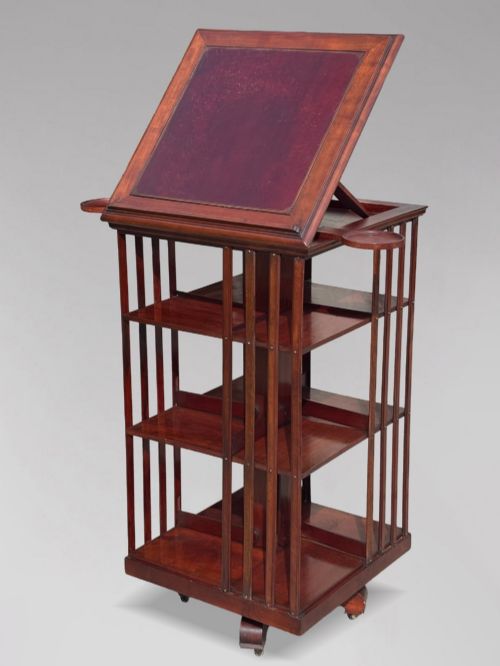
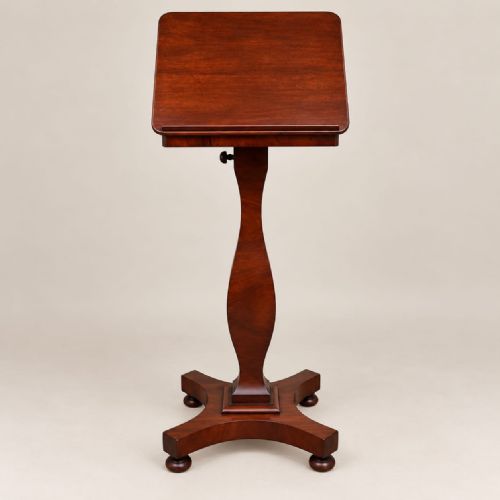
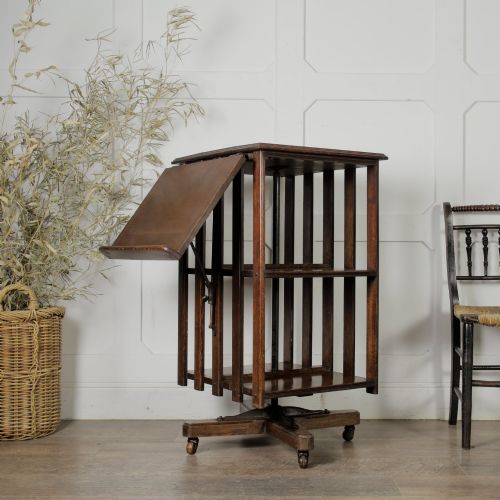
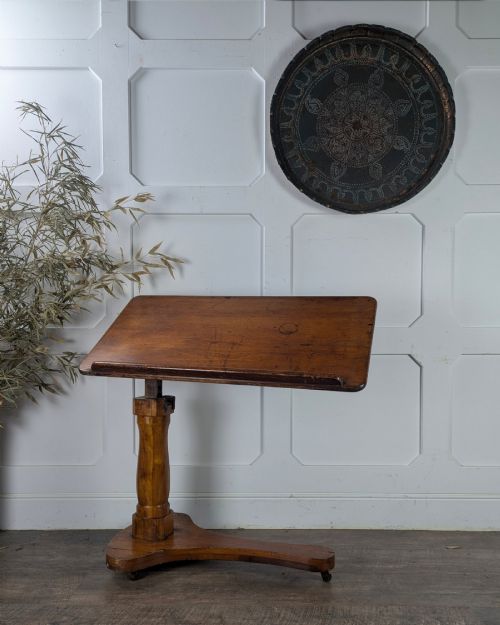
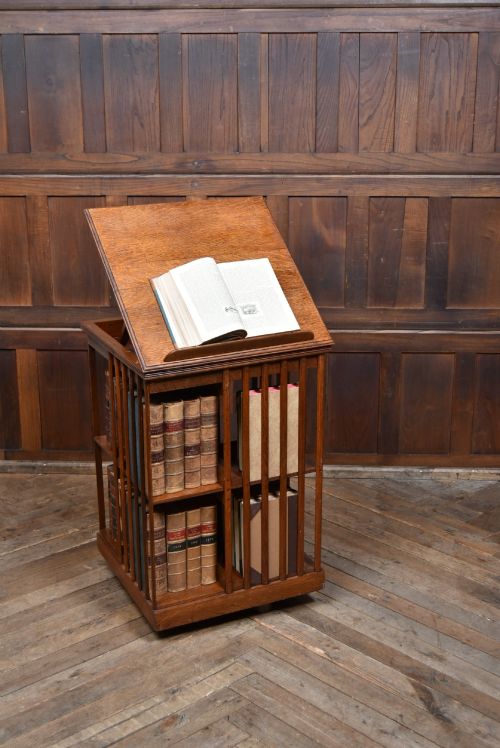
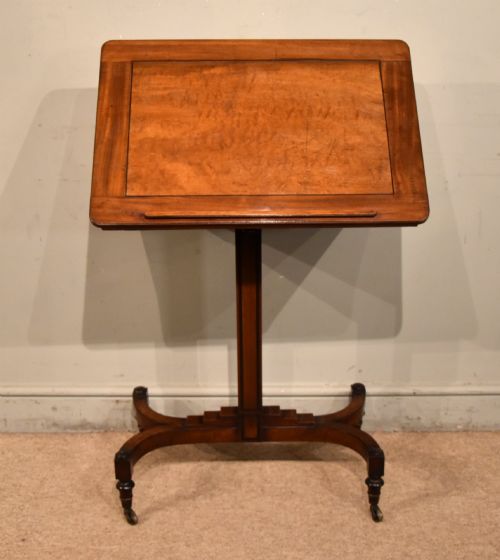
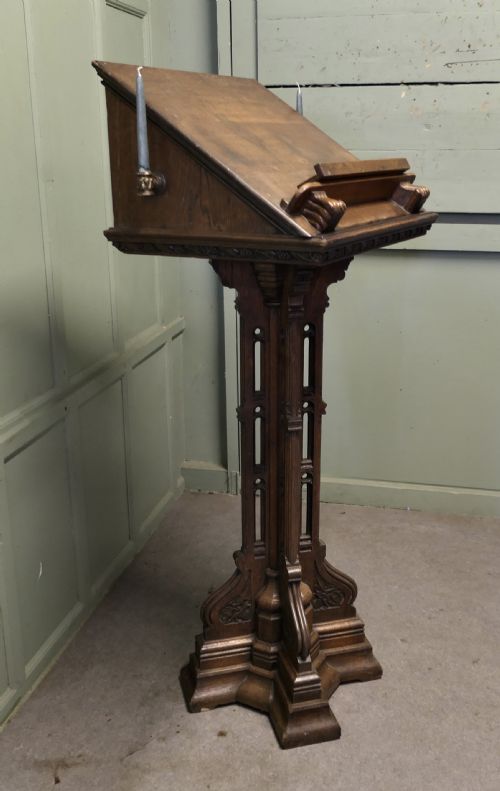
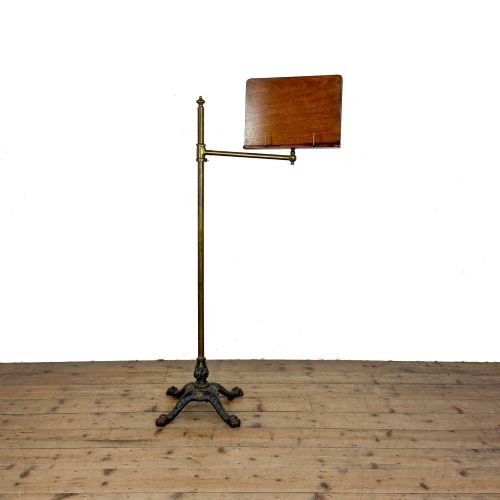
An antique reading lectern encompasses a variety of timber and metal supports designed for holding texts, scores, and papers at a comfortable angle. Buyers searching this phrase will find adjustable reading tables, revolving bookcases, and ecclesiastical book stands originating from the nineteenth and early twentieth centuries.
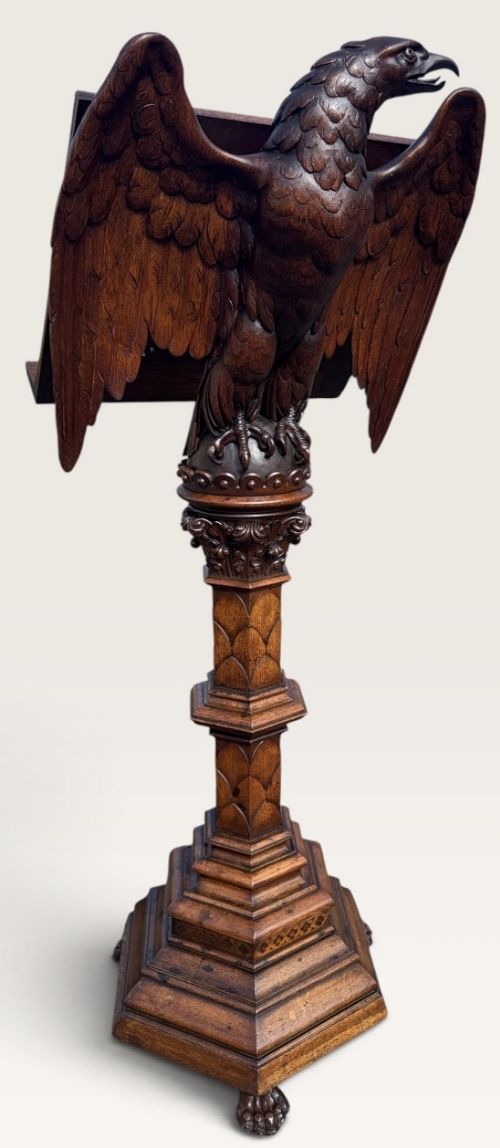
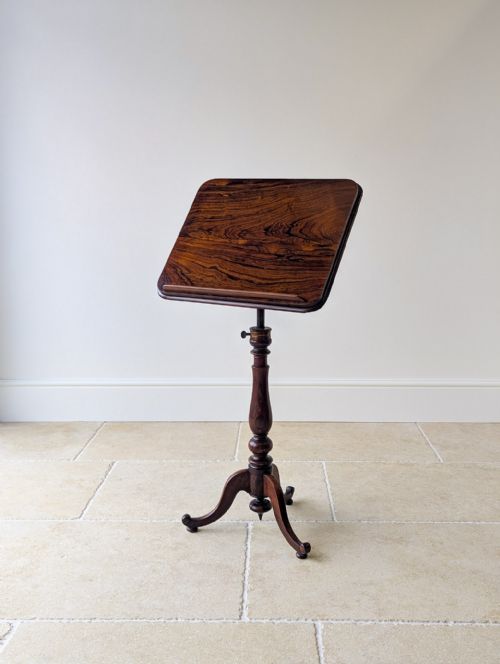
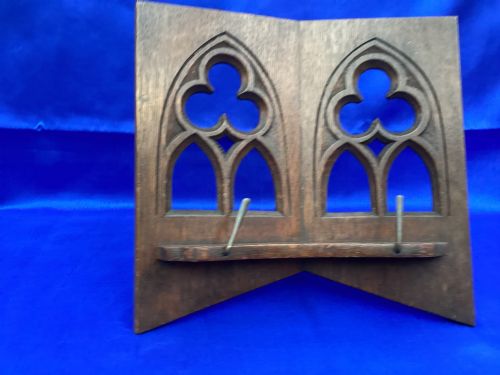
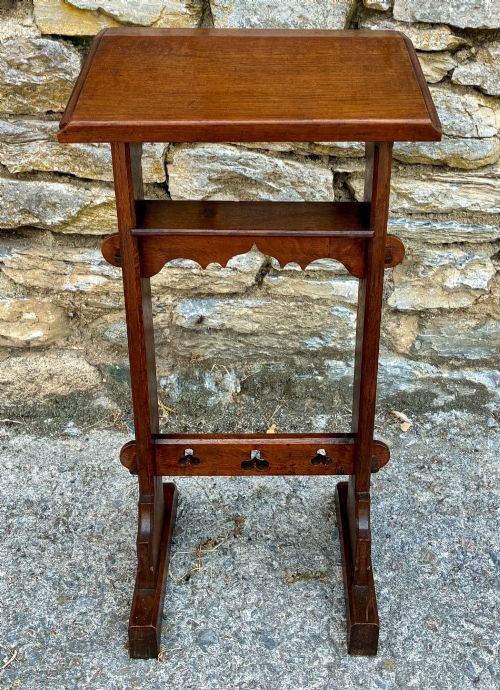
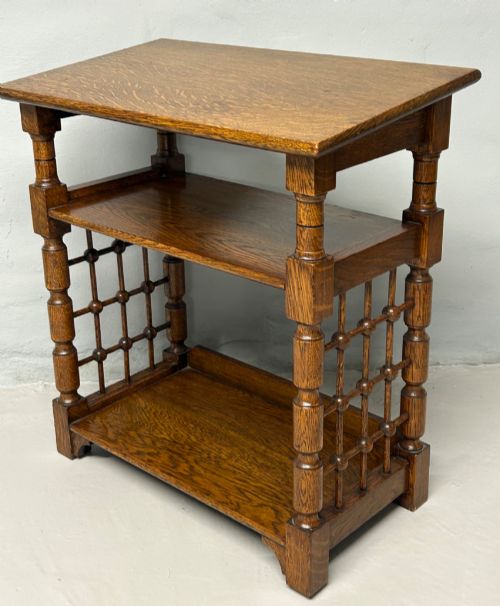
The selection frequently includes mahogany and oak music stands, desk-top book rests, and heavy church lecterns carved in the Gothic Revival style. Pieces range from simple pine table-top designs to elaborate walnut and rosewood reading tables fitted with mechanical adjustments.
Originating largely from the Victorian, Edwardian, and Regency periods, these stands reflect the domestic and ecclesiastical habits of past eras. Whether intended for a chapel or a private library, each form serves the fundamental purpose of supporting a book for study or performance.
How they were made
Makers utilised dense timbers such as mahogany, oak, walnut, and rosewood, often pairing them with brass ratchets, cast iron columns, and pine carcases. Joinery methods relied on solid wood construction, dovetailed drawers, and turned pedestals designed to bear the weight of heavy folios.
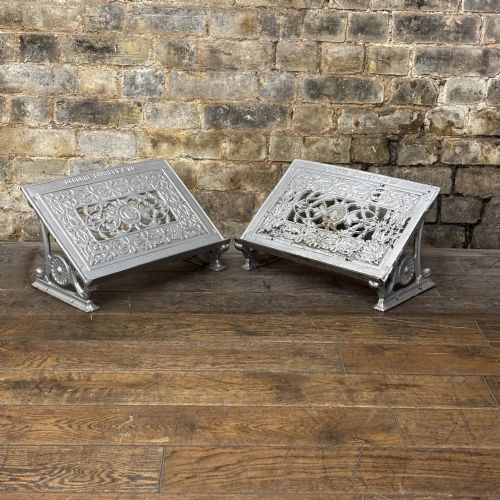
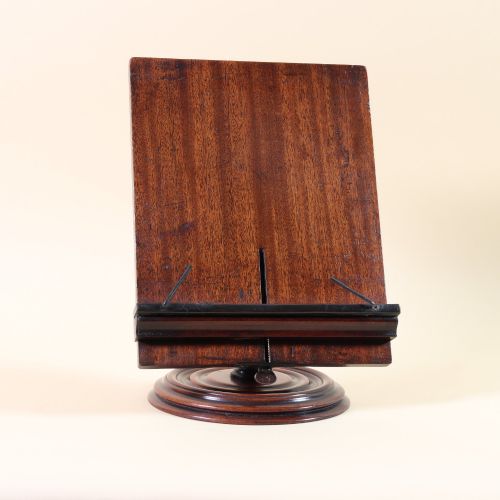
Adjustable examples incorporated metal ratchets, screw mechanisms, and patent pivoting arms developed by makers to alter the height and slant of the book rest. Surface finishes ranged from polished French polish on mahogany library pieces to carved ecclesiastical oak and polished brass.
Listings demonstrate a strong presence of mahogany and oak, spanning Regency, Victorian, and Edwardian periods.
What varies in quality
Quality rests in the integrity of the mechanical adjustments, the choice of timber figure, and the crispness of any carved enrichment. Pieces featuring patent mechanisms by known makers display superior engineering that operates smoothly after more than a century of use.
The weight and gauge of the brass fittings, the depth of the mahogany or walnut grain, and the solidity of the tripod or pedestal base distinguish standard utility pieces from finer library furniture.
Osborne Garrett And Co·Carters Of London·Leveson London·John Carter·Leveson And Sons
The Antique Reading Lectern Glossary
- Lectern
- A stand with a sloping top designed to hold a book or speech for a standing reader. These are frequently found in church settings or heavy oak formats.
- Gothic Revival
- An architectural and decorative style popular during the nineteenth century, characterised by pointed arches, trefoils, and heavy carved tracery.
- Revolving bookcase
- A low, freestanding bookcase mounted on a hidden rotating pivot, allowing multiple volumes to be accessed from a single stationary position.
- Ratchet support
- A mechanical toothed bracket fixed beneath a book rest to allow the reading angle to be adjusted incrementally.
- Canterbury
- A low wooden stand with slatted partitions, originally designed for holding sheet music, books, or folios beneath a table top.
Antique Reading Lectern: Frequently Asked Questions
What is an antique reading lectern used for?
These stands were historically built to hold heavy reference books, Bibles, or sheet music at an ergonomic angle for reading or performance.
Today, they serve equally well in modern homes as desktop book display units, kitchen recipe holders, or freestanding music stands.
How do adjustable reading tables work?
Many nineteenth-century examples utilise brass ratchets, screws, or internal spring mechanisms to alter the height and tilt of the reading surface.
Patent designs often feature hinged book ledges and pivoting arms that fold away when not in use.
How do I date a nineteenth-century reading stand?
Dating relies on observing the timber choice, construction techniques, and the style of any cast iron or brass hardware present on the piece.
Regency and William IV pieces often display rosewood or figured mahogany with heavy pedestal bases, while Edwardian examples favour lighter oak and simpler turnings.