

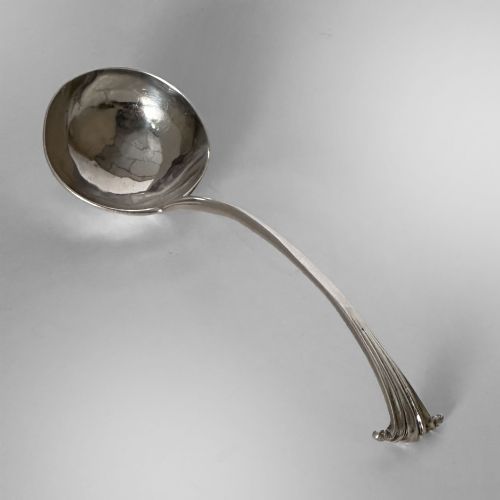


Antique Punch Ladle
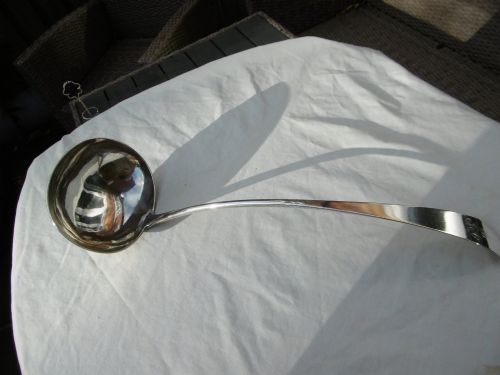
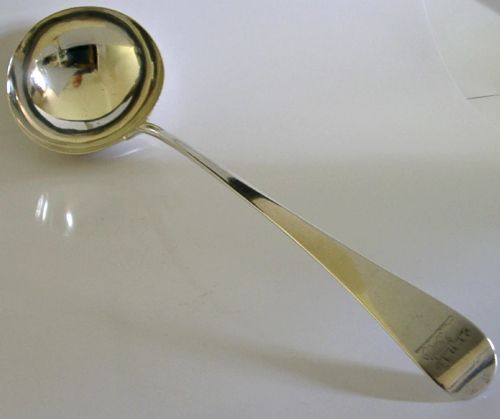
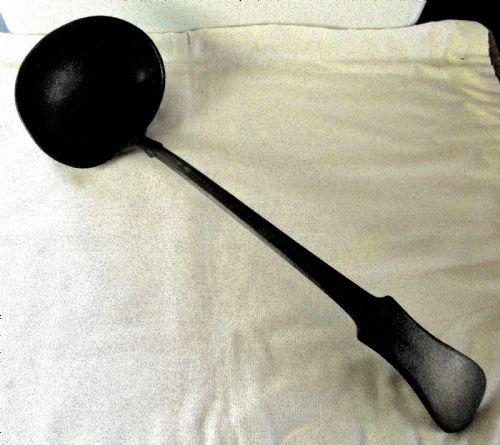
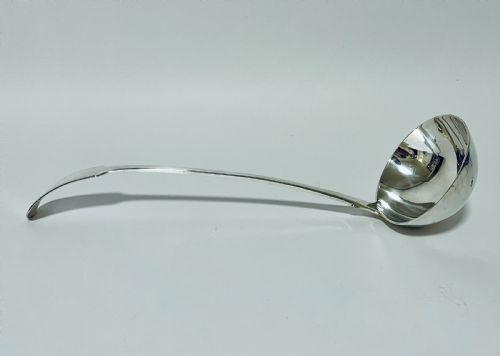
An antique punch ladle brings tactile history to the table, serving festive bowls with deep bowls and long handles fashioned to reach.
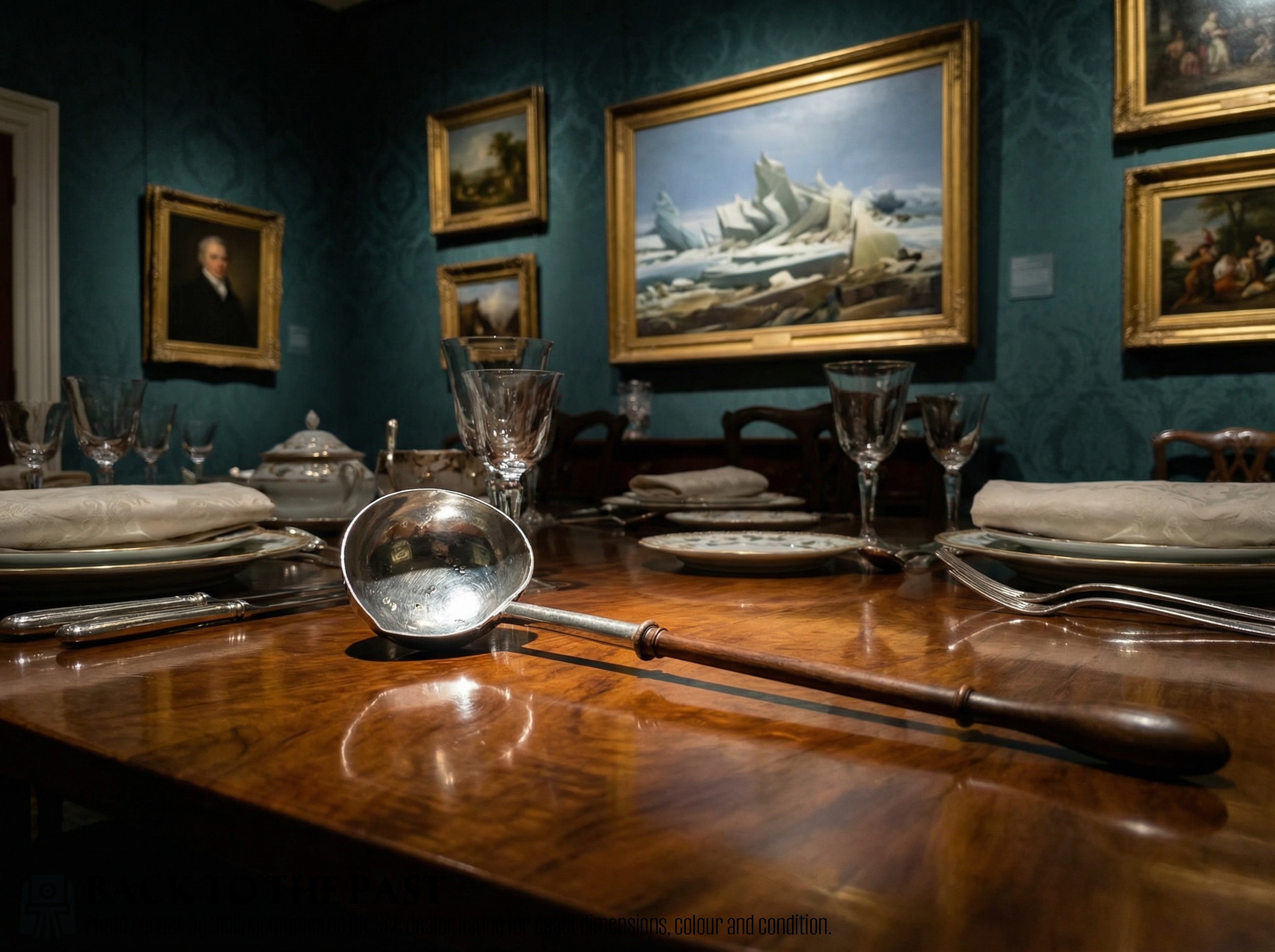
Antique Punch Ladle
An antique punch ladle is a serving utensil designed for bowls of communal drink, appearing on this page mostly in Georgian and Victorian forms alongside occasional Edwardian, Regency, and 19th Century Continental examples. Buyers encounter specialised variants such as toddy ladles and toddy lifters alongside larger soup ladles, serving utensils, and barware accessories.
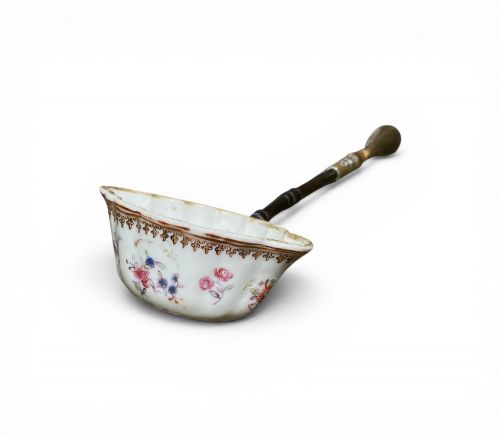
The materials span sterling silver, silver, pewter, wood, horn, metal, porcelain, and enamel, often paired with organic handles like coquilla nut and treen. Pieces range from mid-18th-century items through the Qianlong Period up to 1928, showing how dining and drinking customs evolved across centuries.
Materials and construction
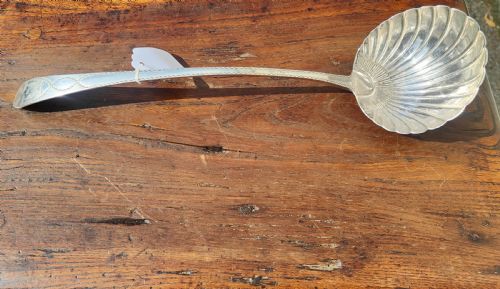
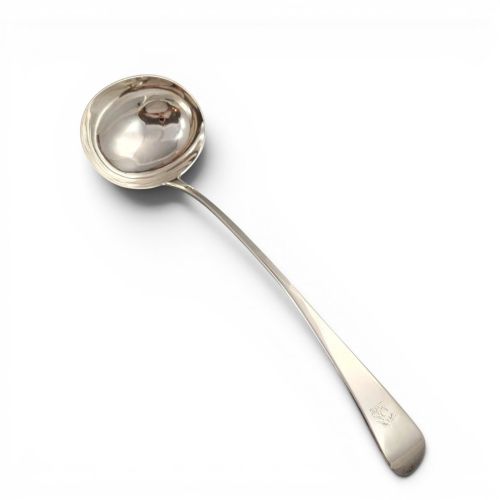
Silversmiths shaped sterling silver and silver into bowls and handles, frequently applying Old English, King George II, Queen's, or Colonial patterns with threaded borders and engraved crests. Pewter makers cast similar forms in tin alloys, while porcelain pieces utilised famille rose enamelling.
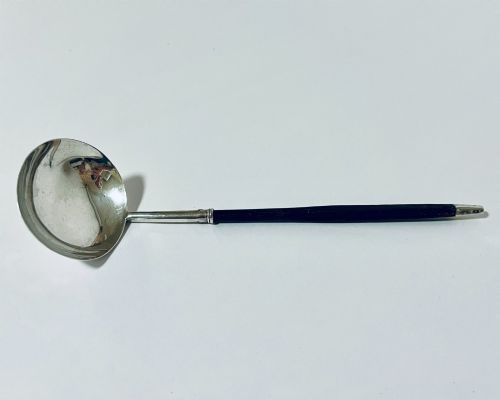
Organic elements combined with metal through twisted whalebone, horn, coquilla nut, and turned wood handles that insulated the user's hand from warm liquid in the bowl.
Antique Punch Ladle Retail Price Guide 2026
Typical asking prices for punch ladle among the pieces listed under this phrase on Sellingantiques today, from the lower quarter to the upper quarter. They describe what is for sale here now, not the wider market.
Listings feature sterling silver, pewter, porcelain, and horn across Georgian, Victorian, and Qianlong periods.
Distinctions in manufacture
Quality rests in the weight of the metal and the precision of the silversmith's hammer, evident in heavy cast bowls and crisp provincial or town marks. The integration of organic materials like horn and wood with metal mounts reveals the maker's joinery skill.
Design execution separates standard production from superior work, seen in finely engraved family crests, detailed floral famille rose painting, and balanced proportions on long serving handles.
Milne and Campbell·Hester Bateman·Dixon and Son·John McDonald·Michael Smith·Tiffany and Co·Mary Chawner·Daniel and Arter·John Yates·Christofle
The Antique Punch Ladle Glossary
- Toddy ladle
- A small drinking vessel with a long handle, used for scooping hot spirits and water from a bowl into glasses.
- Toddy lifter
- A glass or ceramic tube that uses suction to draw liquid from a bowl for transfer to a glass without a pouring lip.
- Treen
- Small handmade wooden household objects, often including turned handles on drinking utensils.
- Famille rose
- A palette of opaque enamel colours dominated by pink, used on Chinese export porcelain.
- Coquilla nut
- The hard, mottled brown seed of a South American palm, turned and carved for handles.
Antique Punch Ladle: Frequently Asked Questions
What is an antique punch ladle used for?
These utensils served communal punch bowls during social gatherings and dinners, scooping mixed liquids into individual cups.
Smaller variants handled spirits and toddy, while larger soup ladles functioned across both dining and beverage service.
How do I date a silver ladle?
Dating relies on hallmarks stamped into the metal, which record assay offices, date letters, and maker's marks.
Stylistic indicators such as Edinburgh or London provincial marks, Qianlong periods, and specific handle patterns further narrow the decade of production.
What materials were used for handles?
Makers utilised sterling silver and silver for matching bowl and handle construction on formal table service pieces.
Organic materials including turned wood, horn, whalebone, and coquilla nut provided comfortable grips that did not conduct heat from warm punch.
How do I care for silver and pewter ladles?
Regular washing in warm soapy water with a soft cloth removes residue without scratching the antique metal surface.
Harsh chemical dips should be avoided to preserve original hallmarks, engraved crests, and delicate patina.