

Antique Provincial Chairs
These antique provincial chairs bring regional craftsmanship and everyday utility into modern interiors.
Antique Provincial Chairs
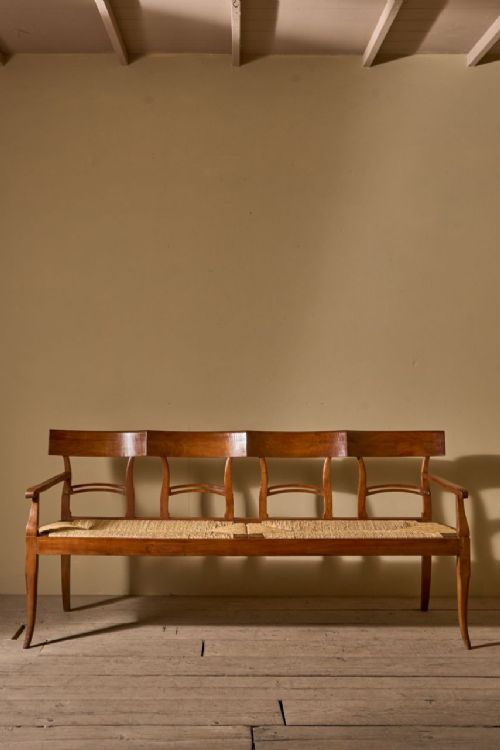
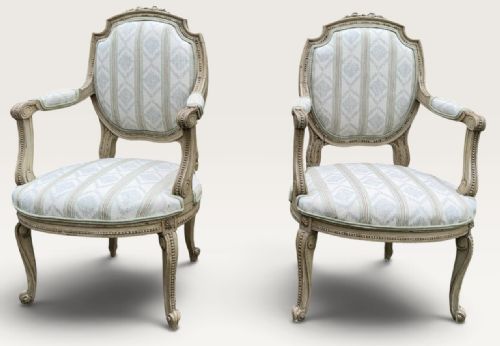
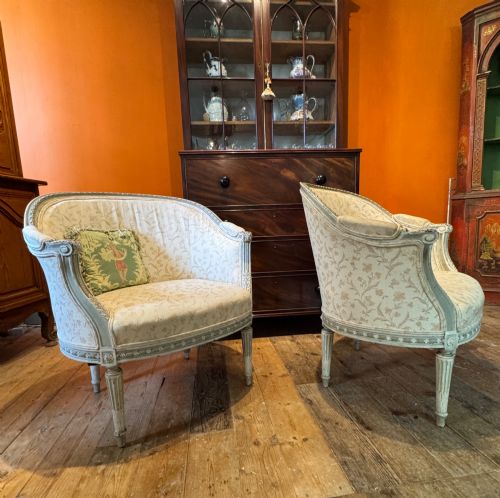
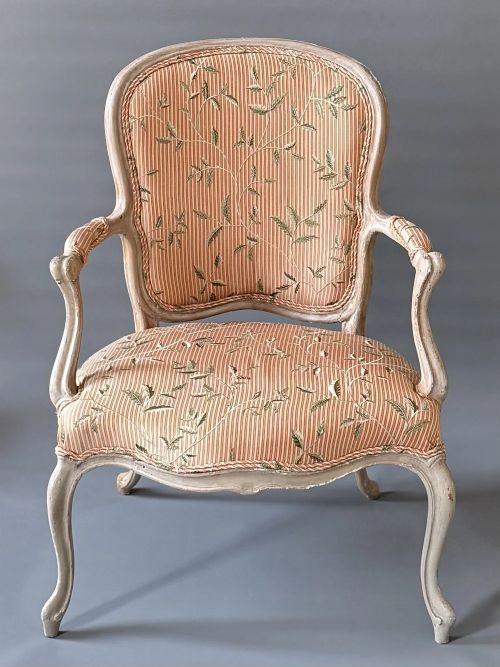
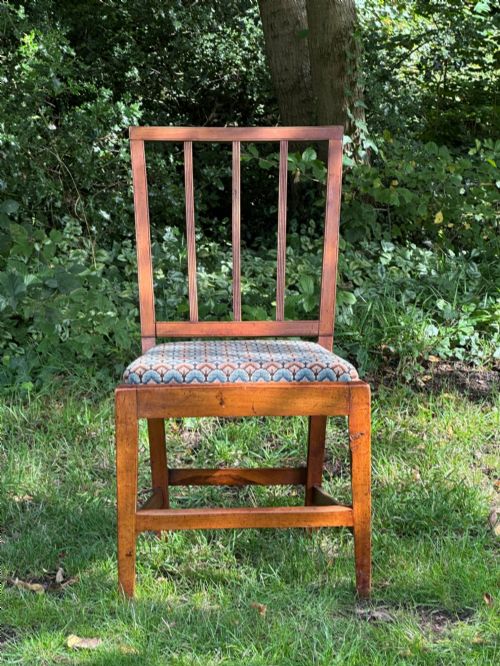
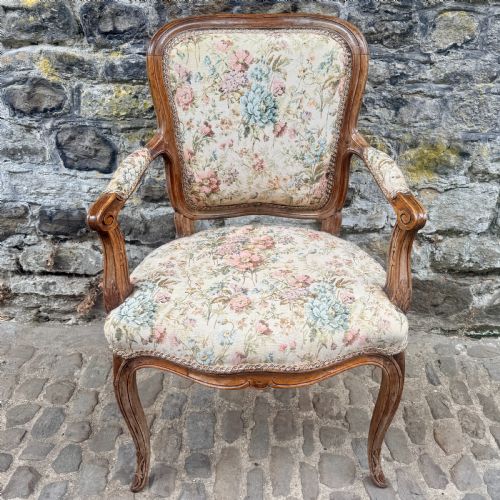
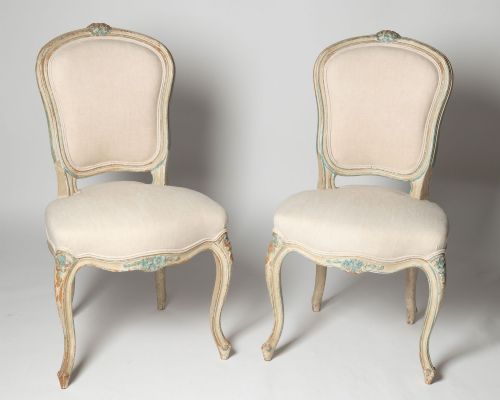
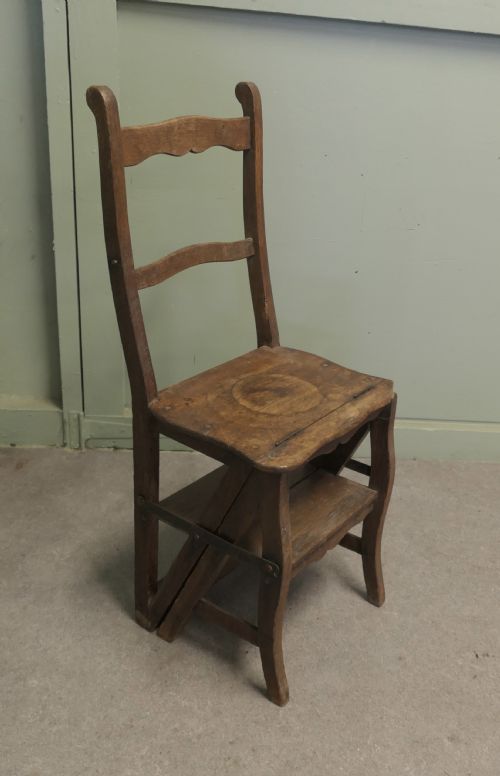
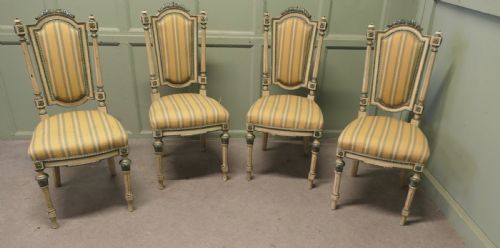
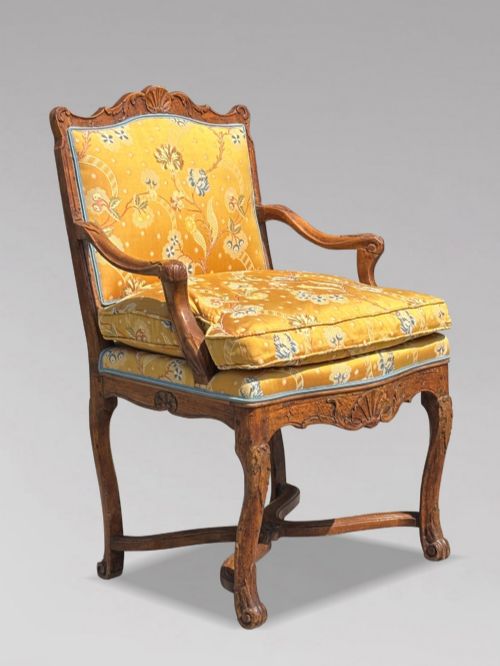
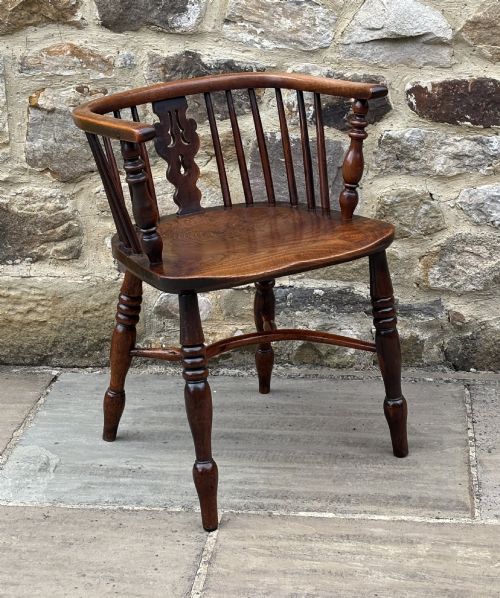
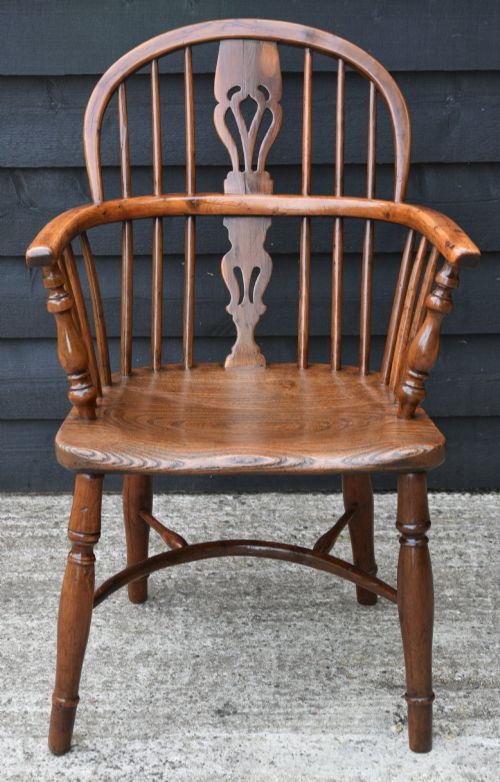
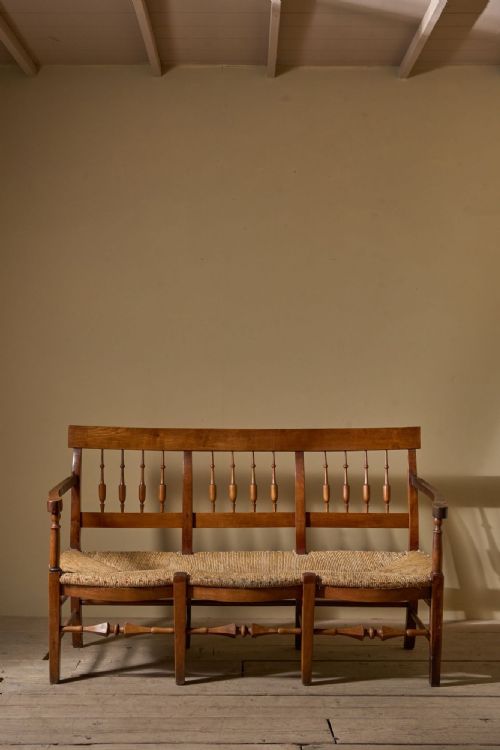
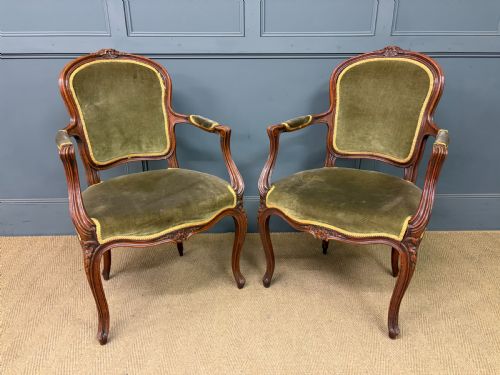
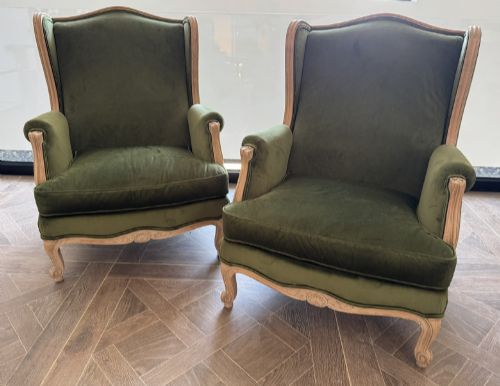
The most common examples on this page are French armchairs, bergere tub chairs, and English country models in elm, oak, and walnut. These pieces range from simple ladderback forms to carved walnut fauteuils and painted salon seating.
Regional variations span Scottish birch fan-back chairs, Irish dining chairs, and Dutch ladder backs. Each piece reflects the timber and design preferences of its local maker.
Materials and construction techniques
Carpenters and local joiners utilised native hardwoods such as oak, elm, walnut, cherrywood, fruitwood, and beech. These timbers provided the structural strength needed for everyday provincial seating.
Many frames feature rush seating, woven textile, or needlework upholstery. Original surface treatments, including historical paint finishes and polished wood, survive on numerous pieces.
Listings span the eighteenth, nineteenth, and early twentieth centuries, featuring woods like beech, elm, oak, walnut, and cherrywood alongside rush and textile seats.
Evaluating the standard of execution
Quality rests in the integrity of the timber frame and the depth of regional carving. Superior examples display thoughtful joinery and well-proportioned turnings that survive heavy domestic use.
The survival of original surface treatments, such as early paint layers or patinated walnut and oak, distinguishes better-preserved specimens from later alterations.
The Antique Provincial Chairs Glossary
- Bergere
- An enclosed upholstered armchair with wooden framing around the sides and back. These seats often feature cane panels or upholstered stuffing.
- Fauteuil
- An open-armed French armchair with upholstered seat and backrests, typically featuring exposed wooden arm supports.
- Rush
- Woven marsh plant material traditionally used for lightweight and resilient chair seats.
- Splat
- The central vertical slat of wood running up the middle of a chair back.
- Duchesse brisée
- A chaise longue split into two or three modular parts, combining an armchair with a matching footstool.
Antique Provincial Chairs: Frequently Asked Questions
What defines an antique provincial chair?
These chairs are regional domestic seating pieces made outside major metropolitan design centres. They utilise local timbers and traditional joinery rather than court styles.
Makers focused on utility and comfort, resulting in robust forms suited to everyday country life.
How do I care for original paint finishes?
Keep painted wooden chairs away from direct sunlight and fluctuating humidity to prevent flaking. Dust gently with a dry, soft cloth.
Avoid chemical cleaning products that strip historic pigments from the timber surface.
Are rush seats durable for daily use?
Rush seating is surprisingly resilient and supports normal sitting when kept dry. Natural plant fibres flex with weight and distribute pressure evenly.
Protect rush from damp environments to prevent the material from rotting.
How can I tell English country chairs apart from French provincial ones?
English country chairs frequently feature elm and oak construction with simpler turnings or splat backs. French provincial examples often utilise walnut, fruitwood, or cherrywood with carved details.
Upholstered French seating commonly displays cabriole legs and painted frames.