
Period Country Dining Chairs
Period country dining chairs bring straightforward regional character and sturdy native timbers to the table.
Period Country Dining Chairs
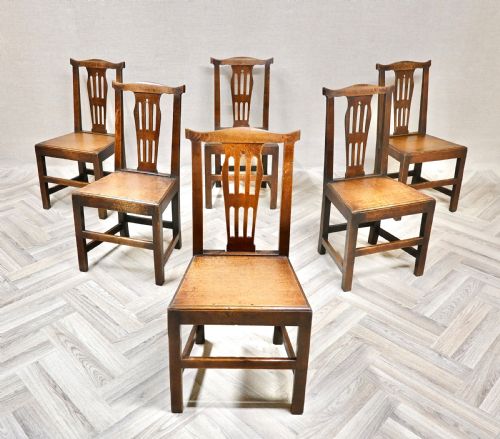
When searching for period country dining chairs, you encounter robust seating shaped by local vernacular traditions rather than formal urban workshops. These pieces range from single side chairs to large matching sets and harlequin groupings gathered over time.
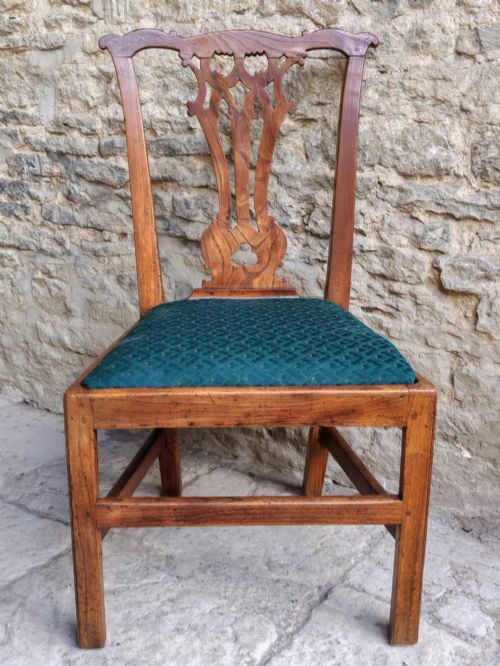
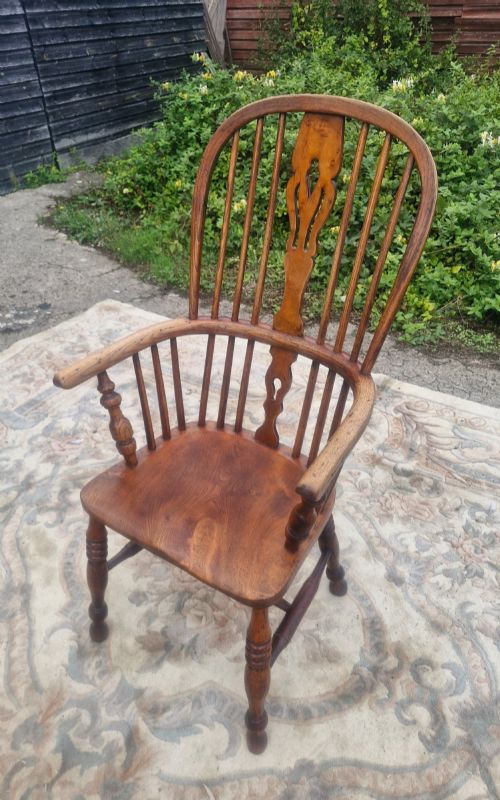
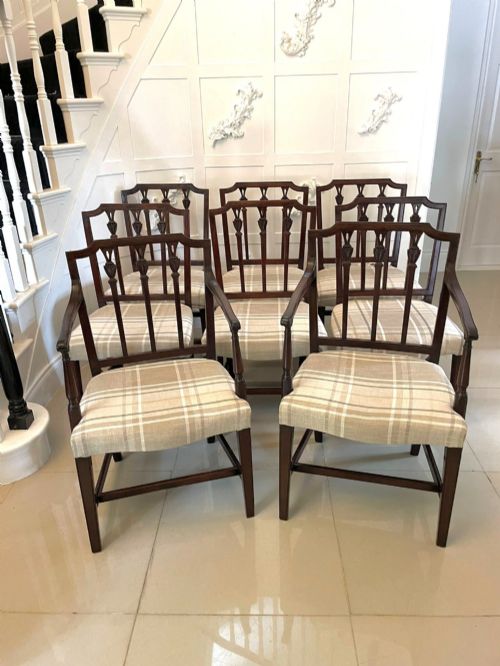
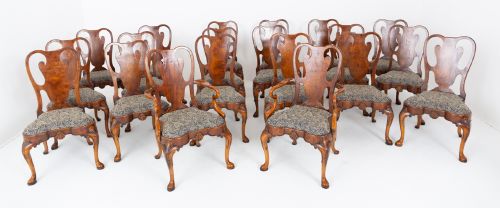
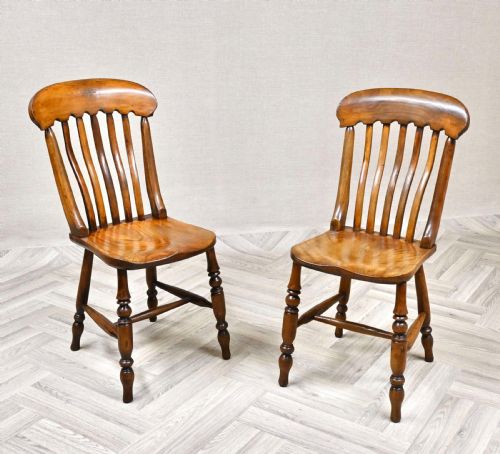
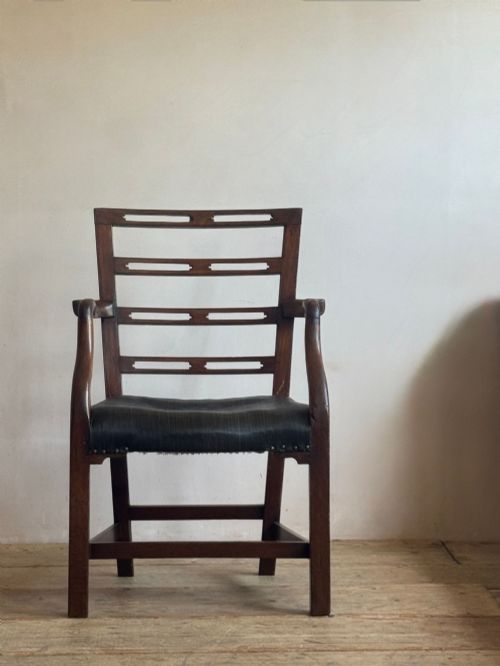
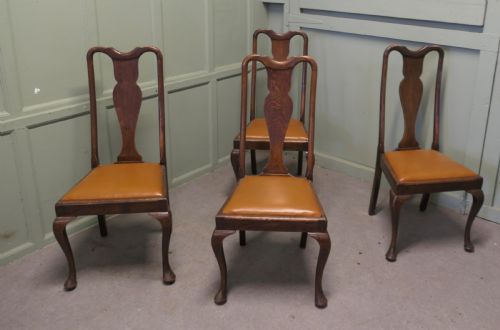
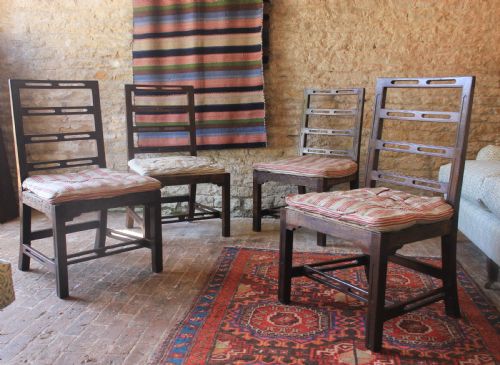
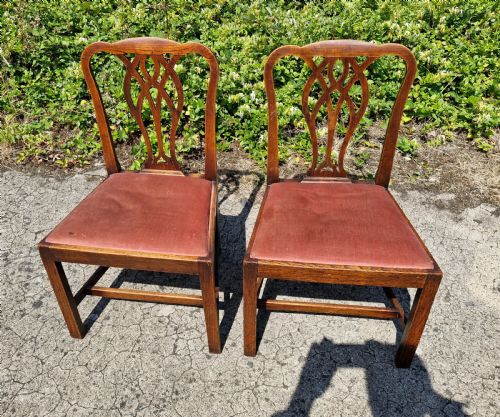
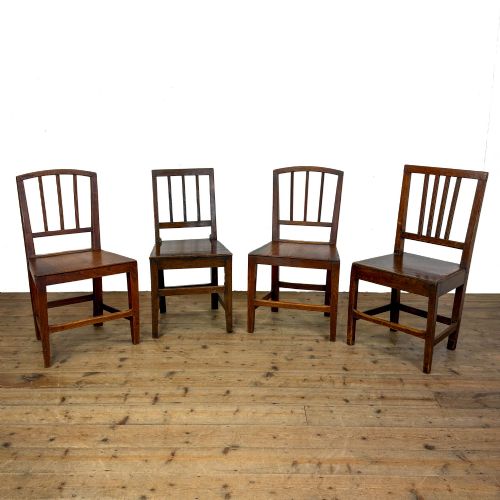
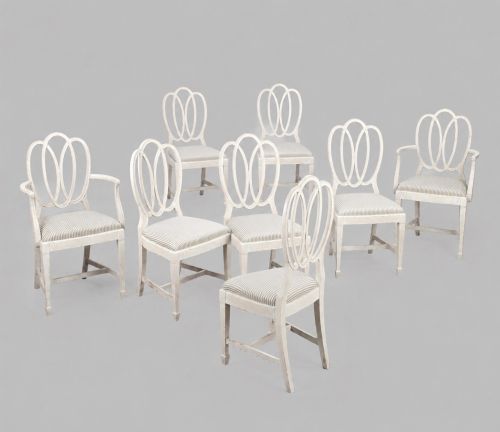
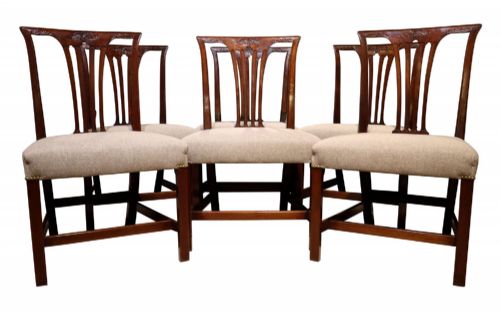
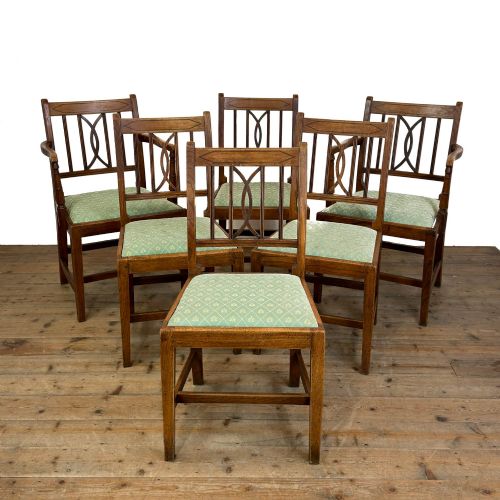
The evidence shows forms spanning simple ladder-backs, high-back Windsors in elm and ash, and robust Queen Anne style chairs in oak. You also find refined mahogany variants echoing Chippendale or Hepplewhite designs adapted for rural settings.
Origins stretch across English, Welsh, and Irish domestic spaces from the seventeenth century through the Victorian era. Side chairs, armchairs, and occasional high chairs dominate the selection available to the buyer.
Materials and Construction
Construction relies heavily on native hardwoods selected for strength and local availability, principally oak, elm, ash, and fruitwood. Carpenters often combined timbers within a single frame, utilising sturdy elm for seats and resilient ash or oak for spindles and legs.
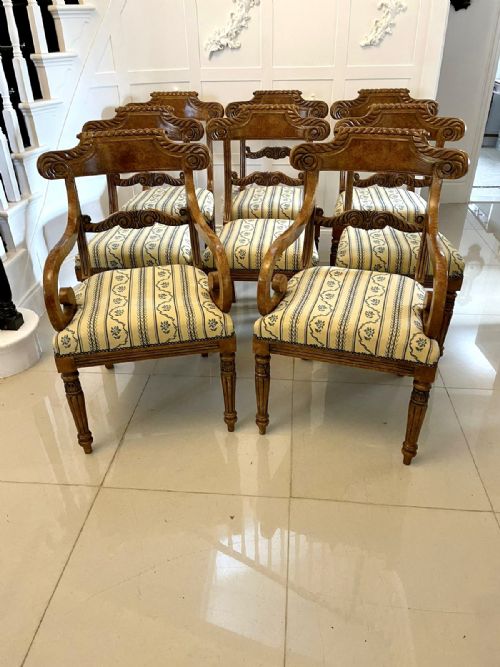
More formal interpretations employ imported mahogany, sometimes later bleached or painted, alongside decorative elements like brass or applied fabric and textile upholstery. Rush seating frequently forms the woven foundation for ladder-back and high-back regional forms.
Materials recorded across these dining chairs include native ash, fruitwood, and rush alongside imported mahogany.
Judging Quality
Quality rests in the integrity of the timber selection and the retention of original structural joinery over centuries of domestic use. Pieces fashioned from dense, well-figured oak or deeply grained elm show superior handling by the maker.
Proportion and the subtlety of regional turning separate standard utility seating from finer country interpretations. Matching sets maintaining uniform patination command greater cohesion than assembled harlequin groupings.
The Period Country Dining Chairs Glossary
- Windsor chair
- A wooden chair featuring a solid carved wooden seat into which the legs and back spindles are directly joined. These vernacular seats often incorporate flexible ash or bent elm for their distinctive hoop or lath backs.
- Ladder-back
- A chair design characterised by horizontal slats set between the upright posts of the backrest. This functional form appears widely in oak and ash across seventeenth and eighteenth-century rural workshops.
- Harlequin set
- A collection of dining chairs that match in general style or period but differ slightly in minor details or finish. Such sets were typically assembled from separate sources rather than commissioned as one unified group.
- Backstool
- An early term for an upholstered or panelled side chair without arms. These domestic forms were common in seventeenth and eighteenth-century rural interiors.
- Rush seat
- A seating surface woven from dried marsh rushes tightly wound around a wooden frame. This traditional technique provides a resilient and slightly flexible base for country chairs.
Period Country Dining Chairs: Frequently Asked Questions
How do I spot a true regional Windsor chair?
Look for a solid plank seat saddle-shaped for comfort, with legs and back spindles wedged directly through bored holes. Native timbers like elm for the seat and ash for the bow indicate traditional provincial construction.
Examine the turning of the arm supports and leg stretchers for individual regional quirks that distinguish rural production from urban city workshops.
Can I mix different chairs around one table?
Assembling a harlequin set of chairs is an authentic historical practice, as country households frequently gathered seating of similar periods rather than buying large uniform sets. Matching timber tones or shared structural motifs help unify the group.
Ensure the seat heights remain relatively consistent so diners sit at an even level around the dining table.
Are oak and elm chairs durable for daily use?
Both oak and elm possess exceptional toughness, making them well-suited for everyday dining seating. Elm resists splitting due to its interlocking grain, while oak offers rigid structural strength.
Routine maintenance involves keeping wooden surfaces nourished and checking leg joints for stability.
How do I distinguish eighteenth-century styles in country seating?
Eighteenth-century country chairs often adapt high-style urban fashions like Queen Anne splats or Chippendale top rails into simpler vernacular forms. Local makers reinterpreted these fashionable silhouettes using native woods like oak and fruitwood.
Pay attention to the execution of the splat and the rake of the back legs to gauge the period and origin.