


Georgian Timber Dining Chairs
Georgian timber dining chairs bring enduring structure and varied regional character to the table.
Georgian Timber Dining Chairs
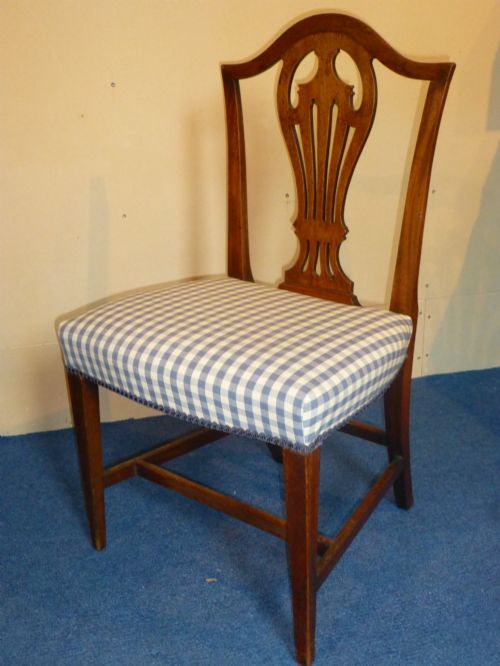
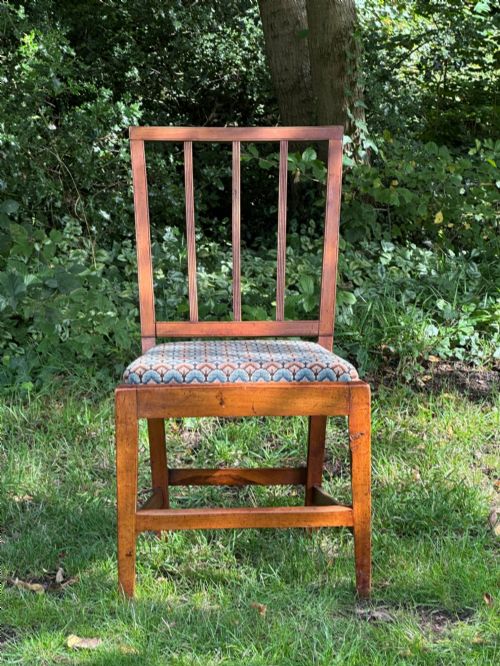
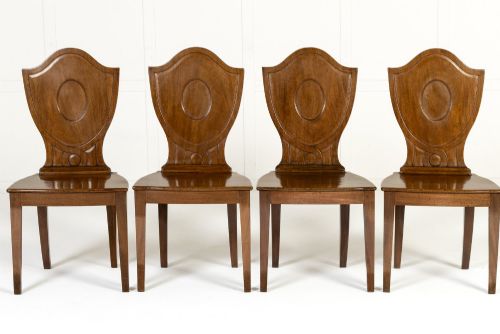
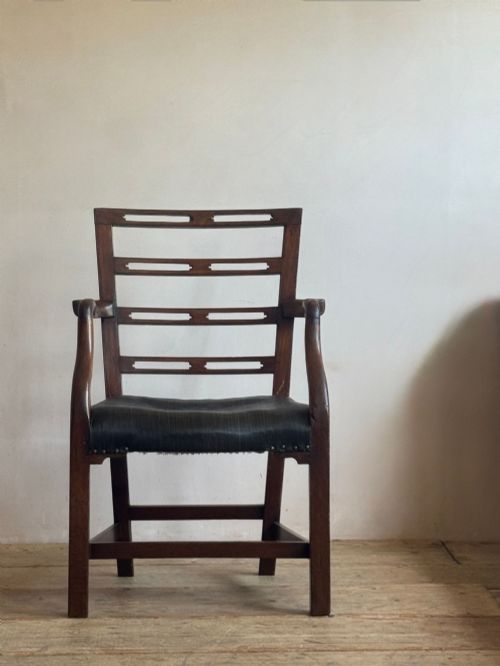
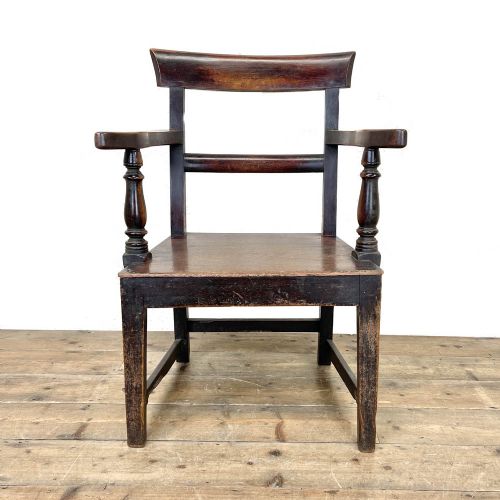
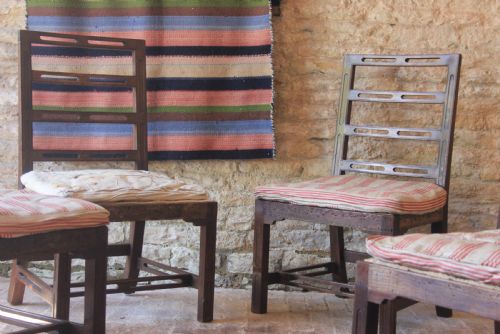
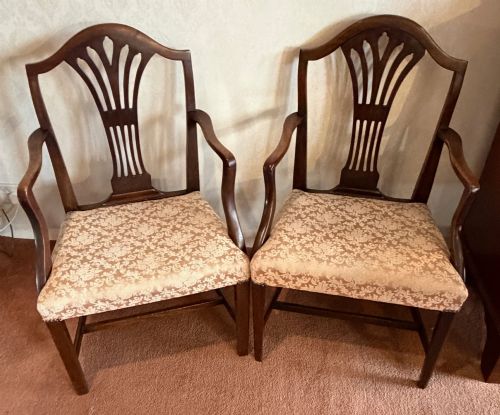
Georgian timber dining chairs encompass seating made across the eighteenth and early nineteenth centuries, featuring forms from simple ladder-backs to formal mahogany side chairs. Buyers searching for georgian timber dining chairs encounter everything from country vernacular seating in elm and ash to refined walnut and mahogany sets.
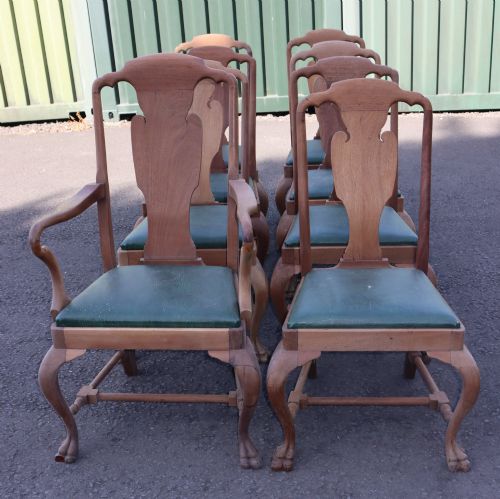
The selection ranges from individual armchairs and apprentice pieces to large matched sets intended for formal dining rooms. Regional variations, such as Scottish birch fan backs and Irish dining chairs, sit alongside revival styles and later interpretations.
Side chairs and armchairs dominate the forms, accompanied by hall chairs, high chairs, and occasional seating. Construction spans formal urban workshops to rural vernacular traditions using local timbers.
Distinctions in Quality
Quality rests in the selection of timber grain, the crispness of carved ornament, and the integrity of the underlying frame construction. Fine proportion and balanced joinery separate standard utility seating from master cabinet work.
The survival of original surface patination and uncompromised structural joints elevate pieces above heavily restored examples or later revival interpretations lacking period fluency.
Apprentice pieces allowed young woodworkers to demonstrate master-level skill by crafting miniature chairs that fit entirely in the palm of a hand.
Marsh Jones and Cribb
The Georgian Timber Dining Chairs Glossary
- Vernacular
- Local, unpretentious furniture made outside major urban design centres. These pieces rely on regional materials and practical traditions.
- Chippendale style
- Designs drawing on the published patterns of Thomas Chippendale. They frequently feature carved interlaced ribbon backs and cabriole legs.
- Windsor chair
- A timber seat in which legs and back spindles connect directly into a solid sculpted wooden seat. They often incorporate bentwood bows and comb backs.
- Ladder-back
- A chair back constructed with horizontal arched slats between two upright posts. This traditional form appears in both formal and country variants.
- Pad foot
- A rounded foot resting on a flat base, commonly found on cabriole legs of the early eighteenth century. It provides a simple, solid termination to the leg.
Georgian Timber Dining Chairs: Frequently Asked Questions
How do I care for antique timber chairs?
Keep wooden chairs away from direct heat sources and rapid temperature changes to prevent timber splitting and glue drying out. Apply traditional beeswax occasionally to nourish the grain without building up heavy chemical layers.
Check joints periodically for stability and avoid using harsh modern cleaning sprays that can strip historic patination from the surface.
Can mismatched antique chairs work together?
Matched sets of dining chairs are desirable, but historical dining arrangements frequently utilised matched pairs or carvers alongside simpler side chairs. Combining pieces with similar timber tones or shared regional characteristics creates an authentic historical interior.
Pay attention to seat height and proportion to ensure guests sit comfortably at a uniform level around the dining table.
What is the difference between side and armchairs?
Side chairs are built without armrests, designed to tuck neatly beneath a dining table or line a hallway wall when not in use. Armchairs feature supporting arms and typically served as primary seating at the head of the table or for relaxation.
Both forms often share matching decorative backs and leg styles within the same dining set.
How do I identify regional timber differences?
Urban cabinetmakers favoured imported dense timbers like mahogany and walnut for formal commissions, whereas rural makers utilised local woods. Elm, ash, fruitwood, and birch point directly to country workshops and regional vernacular traditions.
Examining the underside and secondary framing woods often reveals the geographic origins of the maker.