


Antique Pottery Teapot
An antique pottery teapot brings the weight and warmth of past centuries directly to the morning table.
Antique Pottery Teapot
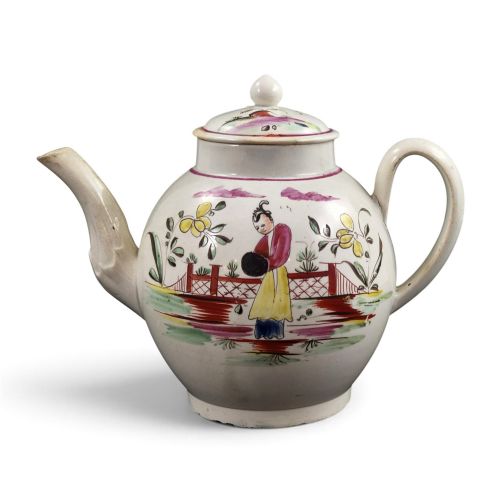
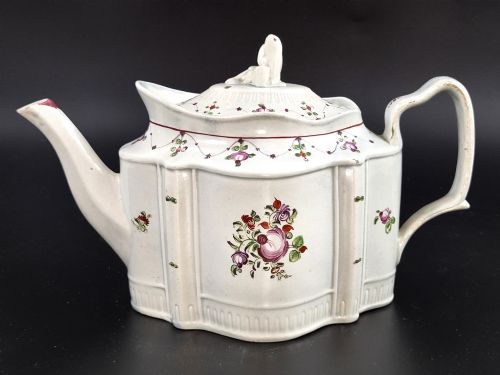
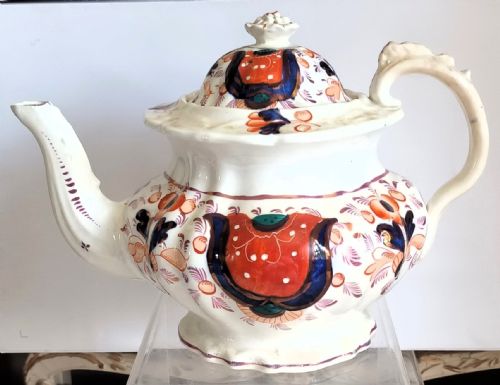
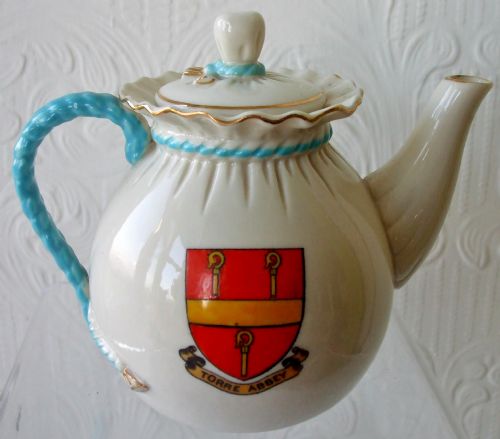
When searching for an antique pottery teapot, buyers encounter a diverse array of ceramic vessels spanning the Georgian, Victorian, and Edwardian eras. These pieces range from utilitarian earthenware service items to highly decorative majolica, jasperware, and transfer-printed pearlware forms.
The selection on this page most commonly includes British earthenware and stoneware teapots from the nineteenth century, alongside specialised folk art pieces like bargeware and decorative sets. Alongside standard teapots, related tea service components such as milk jugs and miniature tea sets appear frequently.
Makers and regional potteries from Staffordshire and beyond shaped these forms, utilising glazes and hand-painted motifs that reflect the domestic tastes of their respective periods.
Materials and Techniques
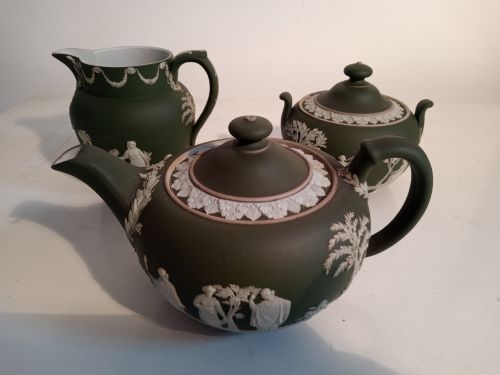
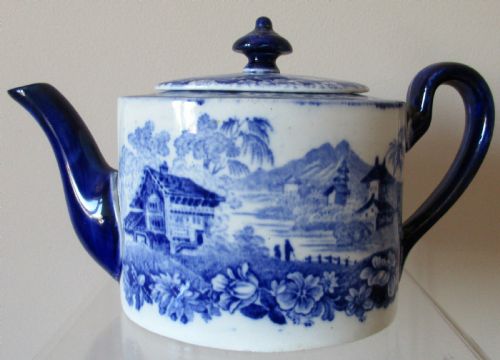
Potters constructed these vessels using earthenware, stoneware, and creamware bodies, often finished with lead glazes, enamel colours, or specialised ceramic surfaces like black basalt and jasperware. Transfer printing allowed for intricate blue and white patterns to be applied uniformly across curved ceramic bodies.
Moulding and throwing techniques produced diverse shapes, from commode-shaped and octagonal bodies to double-spouted and novelty forms. Specialised applications such as applied widow finials, relief decoration, and hand-painted folk art details required precise kiln firing and hand-finishing by period artisans.
The listings span earthenware, stoneware, creamware, and pearlware across Georgian, Victorian, and Edwardian periods.
Standards of Quality
Quality in these teapots rests on the crispness of the moulding, the depth and clarity of transfer printing or hand-painted enamels, and the successful application of the glaze. Pieces bearing clear maker attributions or stamps from known Staffordshire potteries command greater attention from collectors.
The refinement of the ceramic body, from heavy bargeware folk pieces to delicate jasperware and creamware, dictates the character of the vessel. Survival of vulnerable elements like finials, lids, and delicate spouts also separates well-preserved examples from those with extensive restoration.
Wedgwood·Mintons·Copeland Spode·Clarice Cliff·Thomas Harley·William Moorcroft·Enoch Wood And Sons·Joseph Holdcroft·Doulton
The Antique Pottery Teapot Glossary
- Creamware
- A refined earthenware body with a pale yellowish-cream lead glaze, developed in Yorkshire and Staffordshire during the eighteenth century.
- Jasperware
- A fine-grained, unglazed stoneware developed by Wedgwood, typically presenting white relief ornamentation against a coloured ceramic background.
- Pearlware
- An improved earthenware body containing a small amount of cobalt in the glaze to produce a bluish-white surface imitating Chinese porcelain.
- Majolica
- A colourful, lead-glazed earthenware characterised by rich, mottled metallic oxide colours applied over moulded relief decoration.
- Bargeware
- Traditional British folk pottery decorated with applied coloured clay motifs, often associated with canal boat dwellers and robust domestic use.
Antique Pottery Teapot: Frequently Asked Questions
How do I date an old teapot?
Dating relies on identifying the ceramic body, glaze type, and stylistic markers such as neoclassical motifs or transfer-printed patterns. Maker marks, impressed stamps, and registration numbers stamped into the base provide more precise chronological anchors.
Changes in handle shape, lid finials, and manufacturing techniques also help narrow down whether a piece originates from the Georgian era or the later Victorian period.
Were these teapots used daily?
Many earthenware and stoneware teapots served practical roles in nineteenth-century households for daily tea preparation. Robust utilitarian wares handled frequent boiling water, though decorative sets and miniature pieces likely saw more restricted, display-oriented use.
Examine the interior for staining and the rim for wear to gauge how actively an individual teapot participated in domestic tea service.
Can I use an antique teapot today?
Using an antique ceramic teapot requires caution due to potential hairline cracks, historic repairs, and the composition of early lead glazes. Gentle hand washing is essential, and thermal shock from boiling water should be avoided to protect fragile ceramic bodies.
Many collectors prefer to exhibit these pieces rather than risk damaging centuries-old glazes and delicate spouts during everyday tea preparation.
What is transfer printing?
Transfer printing is a decoration technique where an engraved copper plate transfers a design onto paper, which is then pressed onto the ceramic body before glazing. This allowed potteries to produce intricate blue and white scenes consistently across large batches of teapots.
The method revolutionised ceramic decoration during the late eighteenth and nineteenth centuries, making patterned tea wares accessible to a broader public.