



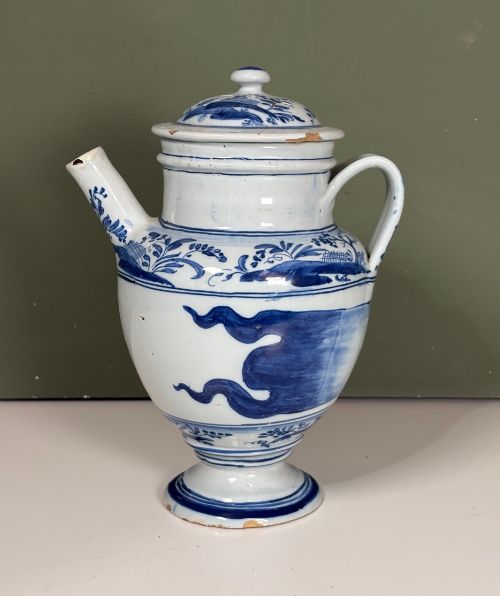
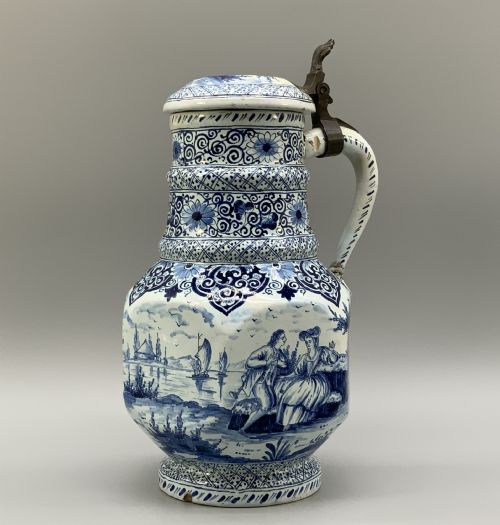
Antique Pottery Pot
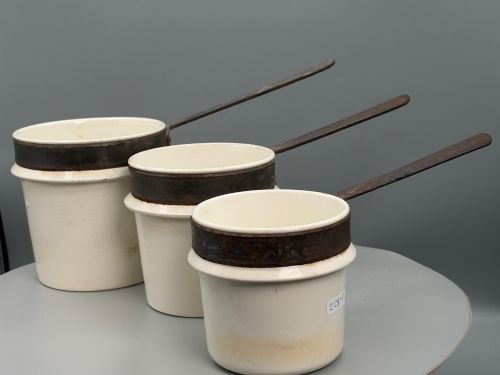
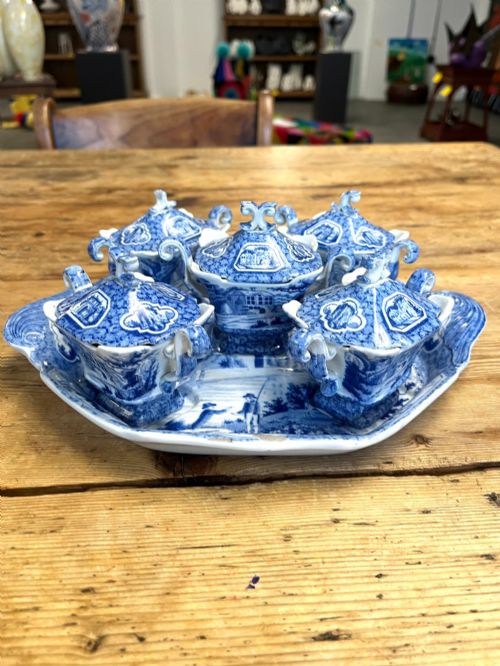
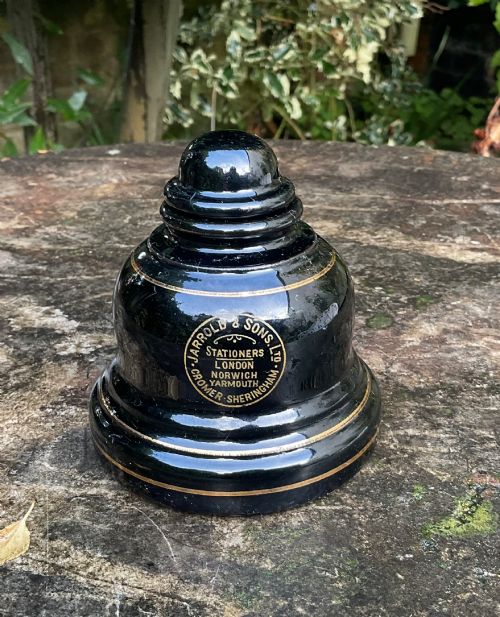
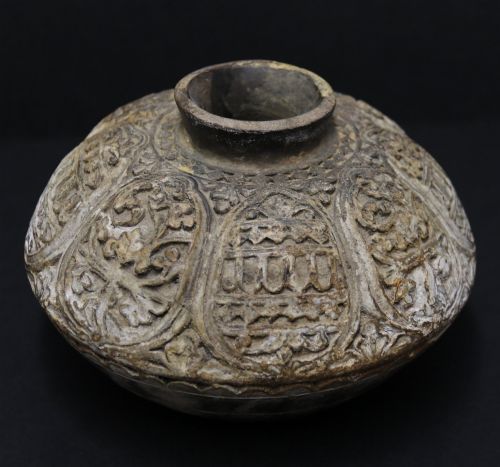
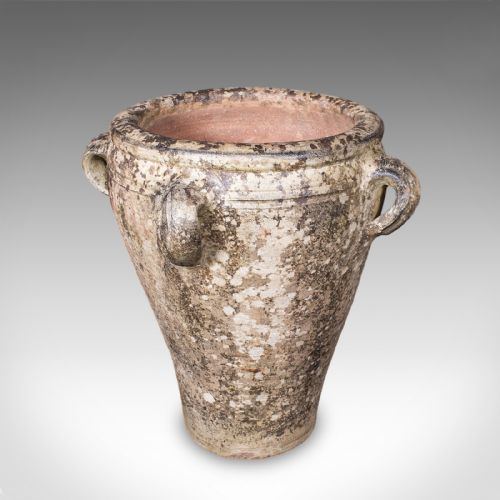
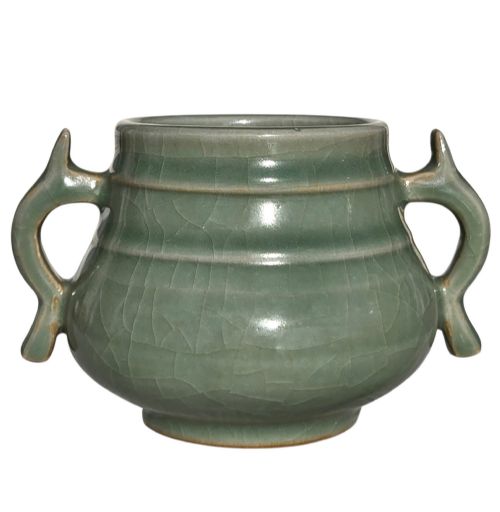
When you search for an antique pottery pot, you encounter vessels shaped from earthenware, stoneware, and ceramic across multiple centuries.
Antique Pottery Pot
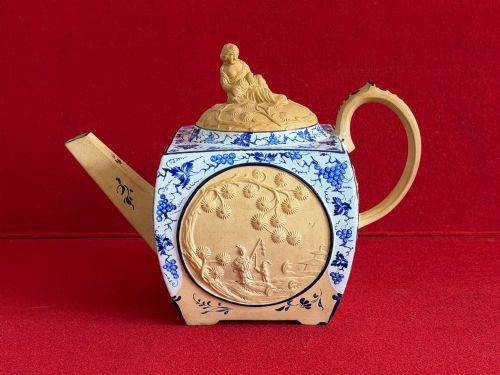
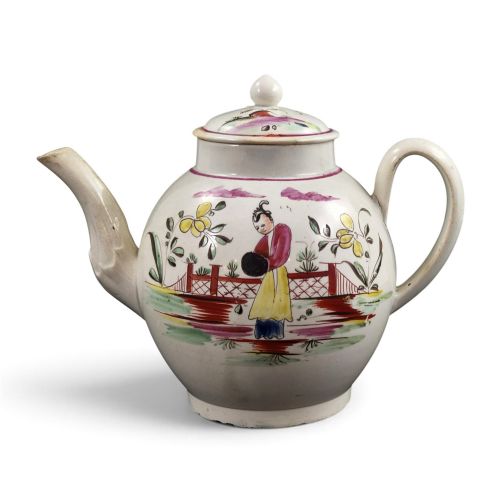
The antique pottery pot category encompasses a wide sweep of utilitarian and decorative forms, including teapots, vases, apothecary jars, jugs, and jardiniere planters.
Domestic English and European wares from the seventeenth, eighteenth, and nineteenth centuries sit alongside Asian ceramics and ancient terracotta vessels on this page.
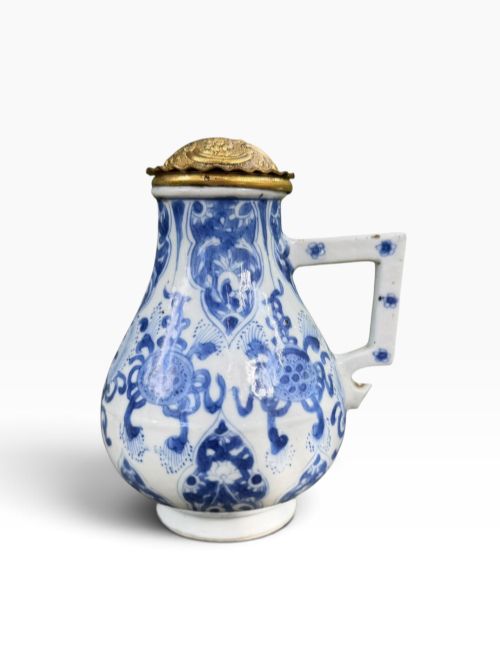
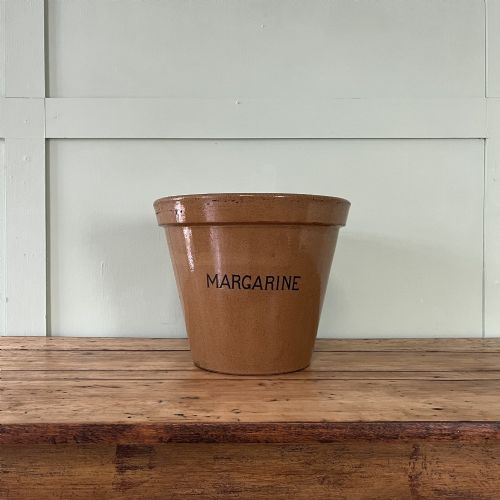
Buyers meet everything from plain functional kitchen crocks and margarine bowls to elaborate majolica planters and Chinese porcelain mounted in gilt metal.
Materials and Techniques
Potters shaped these vessels using earthenware, terracotta, stoneware, and ceramic bodies, frequently applying tin glaze, enamel, or blue and white transfer printing.
Certain pieces utilise specialised techniques such as flambé glazes, copper effects, or hand-painted botanical and figurative decoration across various manufacturing centres.
Antique Pottery Pot Retail Price Guide 2026
Typical asking prices for pottery pot among the pieces listed under this phrase on Sellingantiques today, from the lower quarter to the upper quarter. They describe what is for sale here now, not the wider market.
Object forms include teapots, bough pots, pounce pots, apothecary jars, and garden planters.
Craftsmanship and Execution
Quality shows in the crispness of moulded relief details, the evenness of the glaze application, and the subtlety of hand-painted or transfer-printed surface patterns.
Finer examples demonstrate careful control during firing, resulting in stable glazes and well-balanced proportions whether the object is a simple mustard pot or a large exhibition vase.
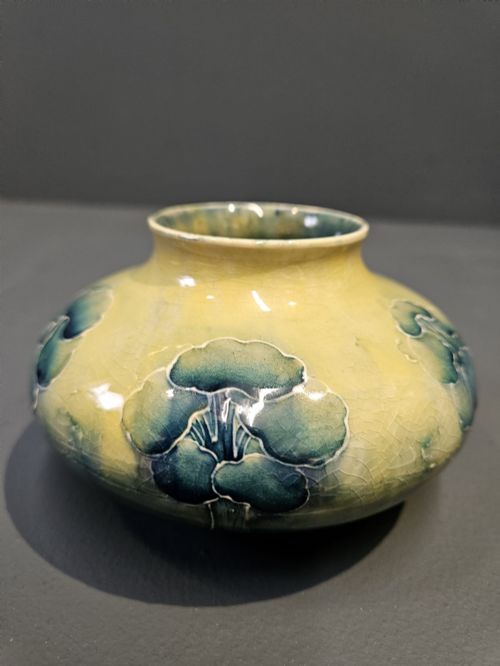
Moorcroft·Spode·Minton·Royal Doulton·W.H. Goss
The Antique Pottery Pot Glossary
- Earthenware
- A porous pottery body fired at lower temperatures, typically requiring a glaze to hold liquids.
- Stoneware
- A dense, impermeable ceramic fired at higher temperatures until the clay body vitrifies.
- Tin Glaze
- An opaque white lead glaze containing tin oxide, providing a smooth surface for painted decoration.
- Majolica
- A colourful, tin-glazed earthenware developed with rich lead-based coloured glazes.
- Prattware
- English earthenware characterised by specific underglaze polychrome colours, notably blues, yellows, and browns.
Antique Pottery Pot: Frequently Asked Questions
What is an apothecary jar used for?
Apothecary jars held dried herbs, medicines, and chemical compounds in pharmacies and dispensaries.
Their sturdy ceramic bodies and tight-fitting lids protected contents from moisture and light.
How do I identify a confit pot?
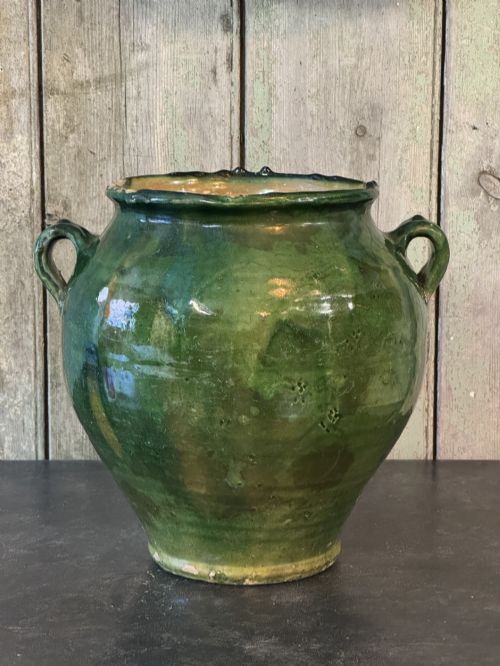
French confit pots feature distinctive fully glazed earthenware bodies, often in green or honey tones, designed for preserving meats.
They typically include side handles for lifting heavy storage vessels in provincial kitchens.
What is a bough pot?
Bough pots served as indoor flower holders during periods when fresh greenery decorated domestic hearths.
Their pierced or fitted lids held stems upright in water without requiring modern floral foam.
How should I clean antique pottery?
Dust these items gently with a dry microfiber cloth and avoid harsh chemical cleaners.
Many antique glazes develop fine crazing over time that absorbs moisture and cleaning agents if submerged.