




Antique Pottery Plaque
An antique pottery plaque brings centuries of hand-painted narrative, heraldry and landscape directly to the wall.
Antique Pottery Plaque
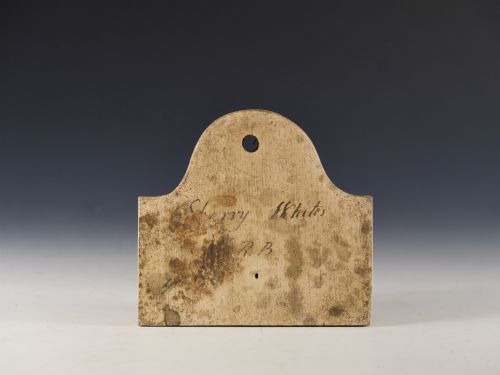
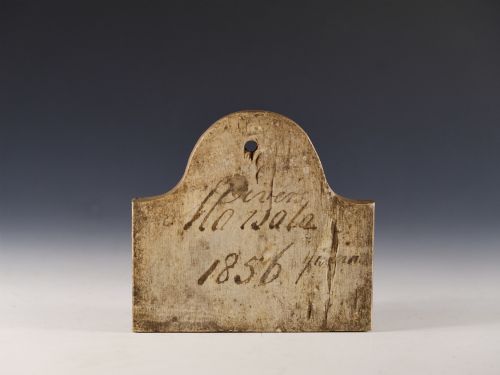
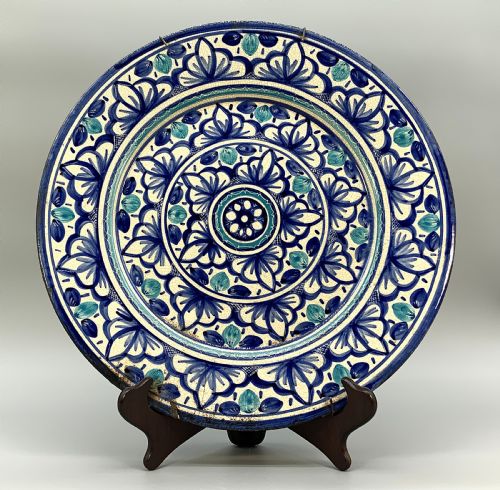
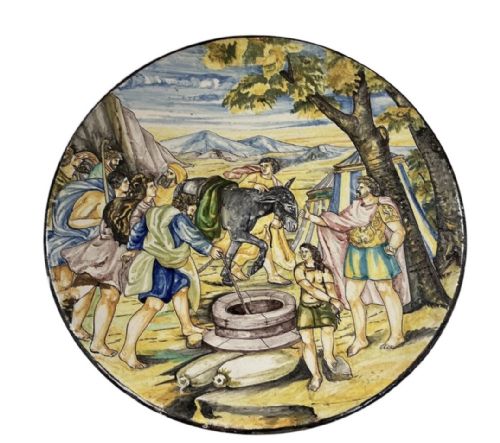
An antique pottery plaque encompasses wall art, decorative plates, chargers, cellar bin labels and devotional panels spanning from the seventeenth century through the Edwardian era. Buyers searching for an antique pottery plaque encounter earthenware, ceramic, tin-glazed faience and porcelain pieces originating from English, French, Dutch, Spanish, Italian, Persian and Chinese workshops. Common formats range from large charger plates and framed tiles to salesman samples and architectural panels.
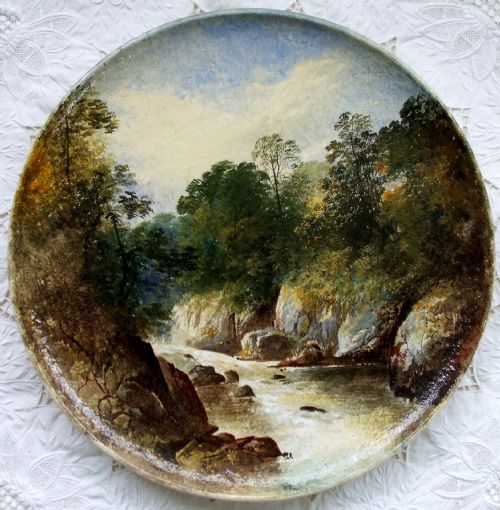
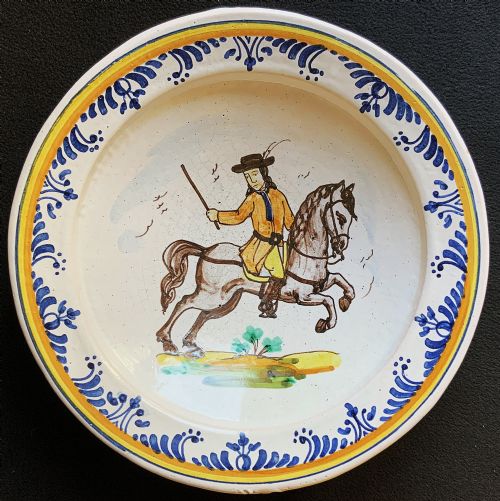
The selection includes nineteenth-century landscape and portrait works from factories such as Copeland, alongside earlier tin-glazed chargers with polychrome or blue and white pigments. Arts and Crafts and Renaissance Revival styles appear frequently, alongside Moorish Revival chargers and folk art pieces. Domestic and devotional subjects dominate, from Scottish commemorative plaques to Madonna panels.
Materials and technique
Potters shaped these items from earthenware, ceramic and tin-glazed pastes, applying mineral pigments and glazes before firing the clay in kilns. Many pieces employ a tin-glaze technique to create a smooth white ground that receives hand-painted cobalt blue or polychrome designs.
Makers utilised relief moulding, hand-painting and transfer printing to achieve detailed surfaces. Some items incorporate wood frames or mounts, while others rely entirely on the fired ceramic body for suspension and display.
Listings feature earthenware, ceramic, tin-glazed earthenware and wood materials across eighteenth-century, Victorian, Edwardian and nineteenth-century periods.
Judging the work
Quality rests upon the crispness of the modelled relief and the precision of the hand-painted brushwork executed by the decorator. Superior examples demonstrate confident pigment control, balanced polychrome palettes and sharp definition in moulded details.
The reputation of the pottery works, the clarity of artist signatures and the complexity of the narrative scene distinguish standard decorative items from exceptional cabinet pieces. Painterly execution and historical depth elevate individual panels above routine production.
William Yale·Copeland Pottery·Minton Hollins·Sherwin and Cotton
The Antique Pottery Plaque Glossary
- Tin-Glazed Earthenware
- Earthenware coated with a tin oxide glaze that turns opaque white during firing, providing a smooth surface for painted decoration. This technique underpins majolica, delftware and faience production.
- Charger
- A large decorative plate intended for display on a wall or sideboard rather than for dining. These wide surfaces often display narrative or armorial scenes.
- Majolica
- Soft-pottery glazed with tin enamel and painted in brilliant colours. The style gained popularity during the Renaissance and saw revivals in the nineteenth century.
- Faience
- European tin-glazed earthenware produced in France, Germany, Spain and other regions. The term encompasses a broad range of decorative wall plaques and plates.
- Devotional Plaque
- A religious panel created for private or public prayer, often depicting saints or sacred figures. These items frequently use moulded ceramic or tile formats.
Antique Pottery Plaque: Frequently Asked Questions
How do I hang a heavy ceramic plaque safely?
Most wall plaques require custom brass wire fixings or dedicated bracket mounts that support the entire base rim rather than relying solely on a single hanging hole.
Ensuring the weight distributes evenly across the wall fixing protects the ceramic body from stress fractures over time.
What is the difference between delftware and faience?
Delftware specifically designates tin-glazed earthenware made in the Netherlands, particularly around Delft, typically featuring blue and white Chinoiserie or maritime scenes.
Faience is the broader French and continental term for the same tin-glazed pottery technique originating in Italy and spreading across Europe.
How should I clean antique glazed earthenware?
Dust surfaces gently with a soft dry brush and avoid submerging pieces with old repairs or unglazed earthenware bodies in water.
Moisture can penetrate porous historic clays and destabilise historical adhesives or mineral pigments.
Were charger plates meant for dining?
Large charger plates served primarily as decorative display items on walls or buffets during feast days rather than functional tableware.
Their wide painted surfaces were designed to showcase the skill of the potter and decorator from a distance.