


Antique Pottery Flatback
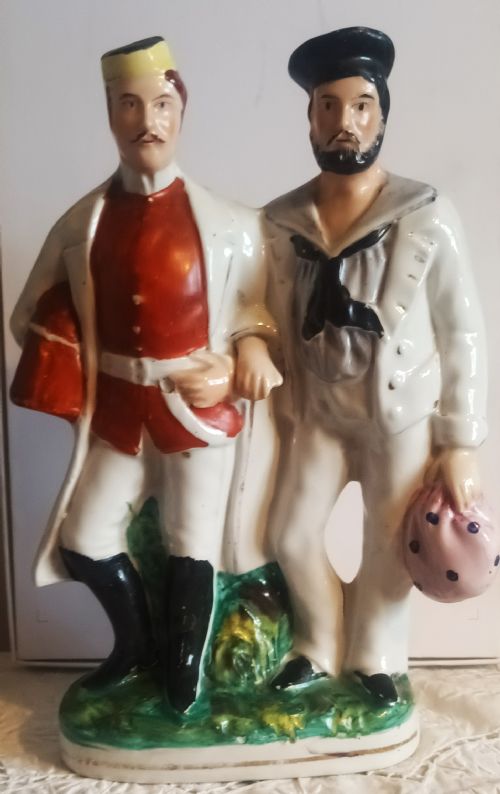
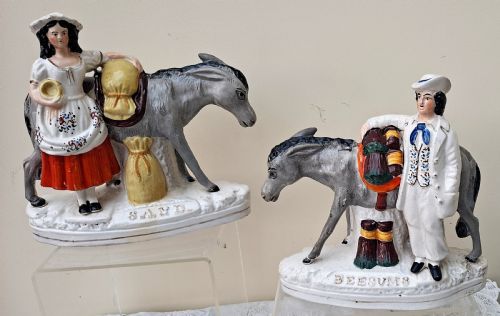
These antique pottery flatback figures are cheerful Victorian mantelpiece ornaments that bring distinct character to a room.
Antique Pottery Flatback
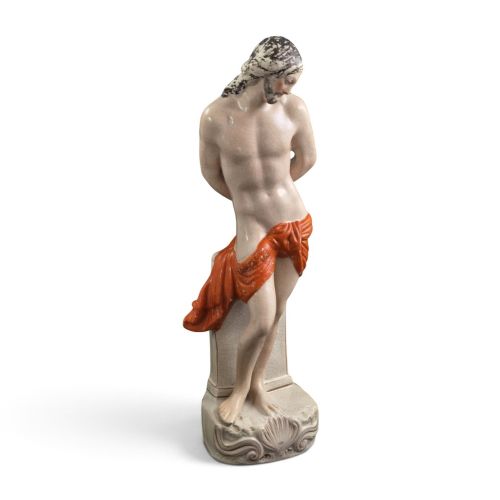
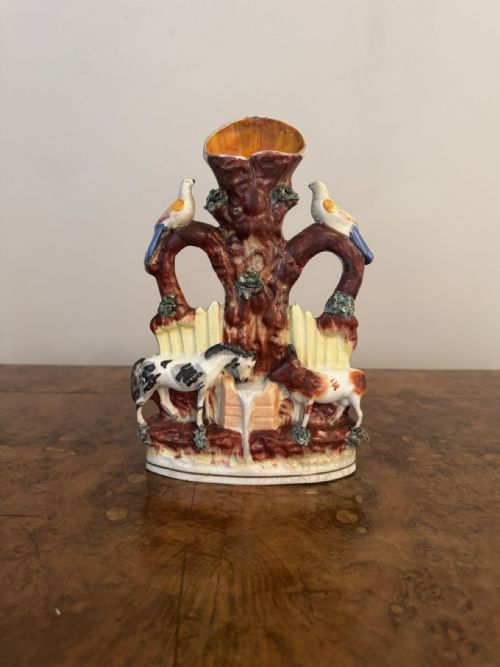
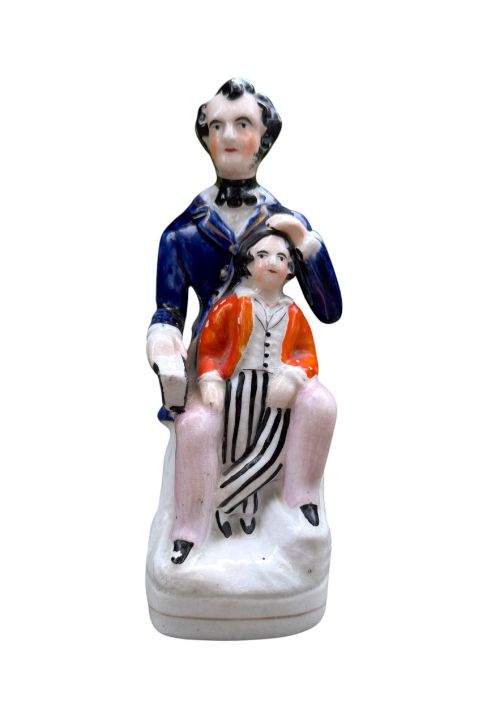
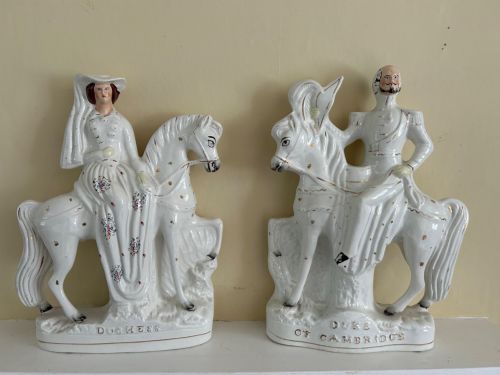
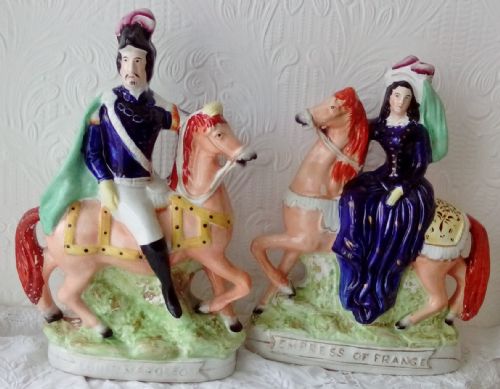
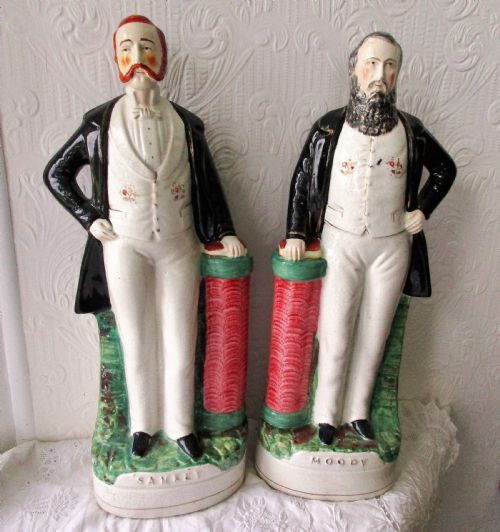
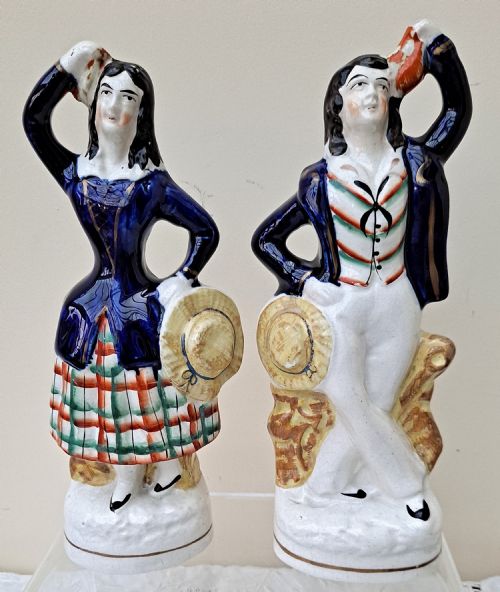
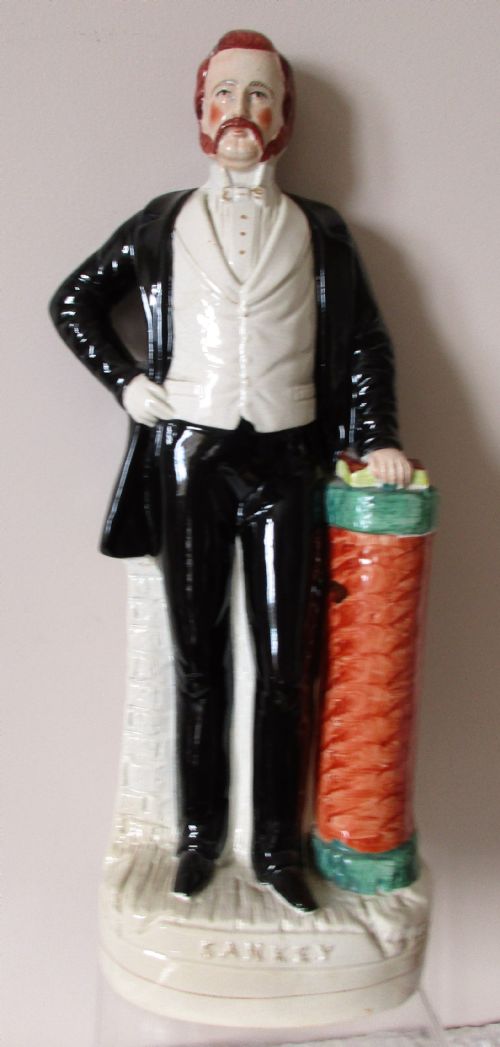
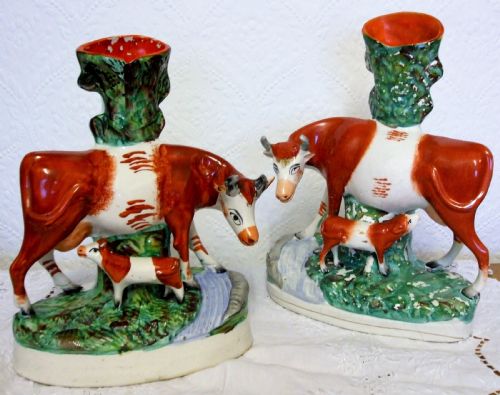
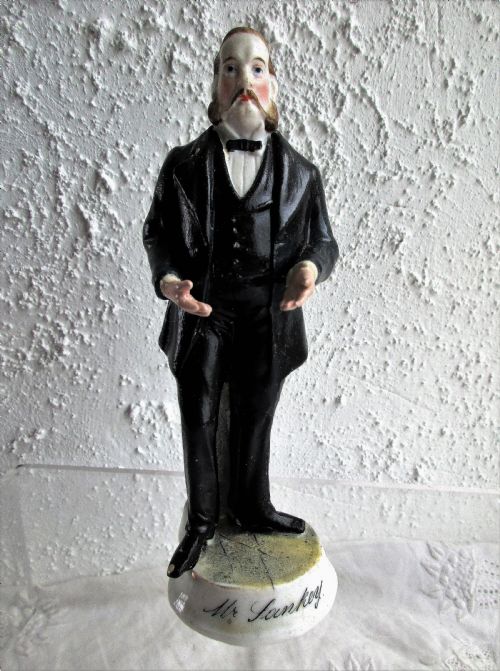
When you search for antique pottery flatback, you are looking at nineteenth-century decorative figurines designed to sit flush against a wall on a shelf or mantel. Most examples on this page hail from the Victorian era and take the form of human portrait figures, theatrical pairs, royal groups, animals, or pastille burners and cottages.
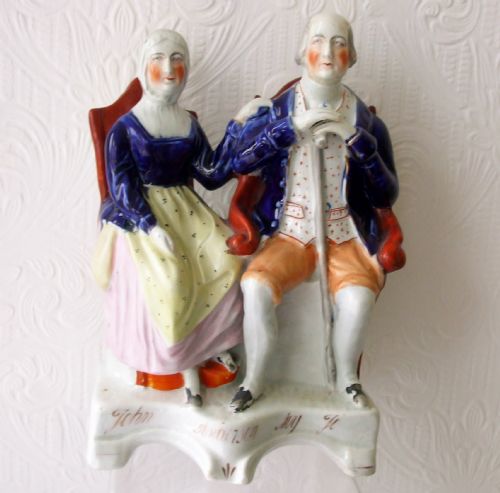
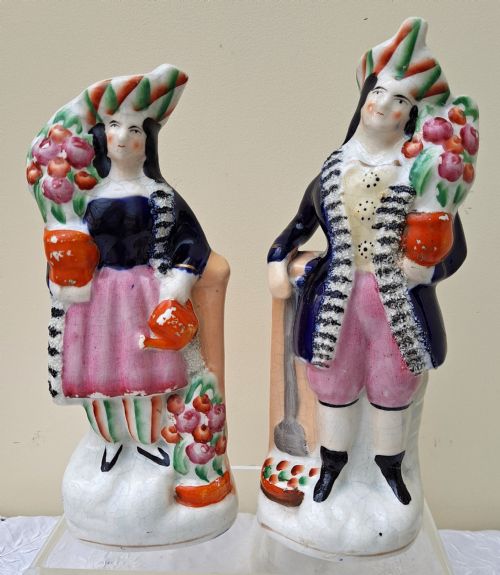
The subjects range widely from literary characters and historical figures like Lord Shaftesbury and Queen Victoria to everyday scenes of country couples and gardeners. Spill vases and watch holders also appear frequently within this grouping, serving practical purposes alongside their decorative display function.
These ceramic pieces carry an unmistakable domestic charm derived from their role as affordable ornaments for middle-class Victorian homes. They were made to be viewed strictly from the front, leaving the reverse side unadorned and flat.
Materials and production methods
Potters shaped these figures primarily from earthenware, pressing clay into moulds that created the characteristic flat reverse. Once formed, the pieces received hand-applied enamel paint over a glaze, often complemented by touches of gilt to highlight details.
Lead glaze finishes provide the glossy surface sheen seen across many nineteenth-century specimens. Makers also utilised porcelain in select instances, though earthenware remains the predominant ceramic body throughout the collection.
Victorian potters happily immortalised current events, turning up-to-the-minute news stories and obscure theatrical acts into mantelpiece ornaments before the weekly post arrived.
Differentiating quality in flatback figures
Scale and complexity also dictate standing, with large portrait groups, equestrian subjects, and detailed architectural models like castles requiring greater skill from the modeller than simple single figures. Original pairs matching in size and palette command stronger presence than assembled substitutes.
The Antique Pottery Flatback Glossary
- Flatback
- A ceramic figure modelled in three dimensions at the front with a flat, unpainted or minimally finished reverse intended to face a wall. This construction saved clay and made the ornaments lighter for narrow mantelpieces.
- Spill Vase
- A hollow cylindrical holder attached to a figure, designed to hold taper spills used for lighting pipes or candles. These combine utilitarian function with figurative sculpture.
- Earthenware
- A porous pottery body fired at lower temperatures than stoneware or porcelain, requiring a glaze to render it waterproof. It serves as the standard substrate for Victorian Staffordshire ceramics.
- Enamel Paint
- Vitreous coloured decoration applied over the fired glaze and fixed by a second, lower-temperature firing. This technique allowed makers to achieve bright, varied palettes on mass-produced figures.
Antique Pottery Flatback: Frequently Asked Questions
What is an antique pottery flatback?
These are nineteenth-century ceramic ornaments moulded with a decorated front and a flat unadorned back. They were produced in great quantities during the Victorian period for display on mantelpieces.
Subjects cover everything from royalty and military heroes to literary characters, animals, and small architectural cottages.
How were flatback figures displayed?
Victorian households placed them on mantelpieces, chiffoniers, and parlor shelves where they could be viewed from the front. Because the backs are flat, they sat securely against walls without tipping.
Many were sold as pairs, such as theatrical characters or animal groups, designed to flank a clock or other central ornament.
How do I date these figures?
Dating relies on the historical subjects depicted, such as Crimean War generals or royal weddings, which provide a reliable after-date. Stylistic indicators like the depth of the moulding, glaze characteristics, and palette also help place pieces within the nineteenth century.
Victorian registration marks occasionally appear on the underside to narrow down the year of production.
Are all flatbacks made in Staffordshire?
The vast majority of nineteenth-century flatback figures originated from the Staffordshire potteries in England. While other regions produced earthenware ceramics, the term is most commonly associated with Staffordshire works.
Makers portrayed local and international events, politicians, and theatrical performers to capture public interest.