




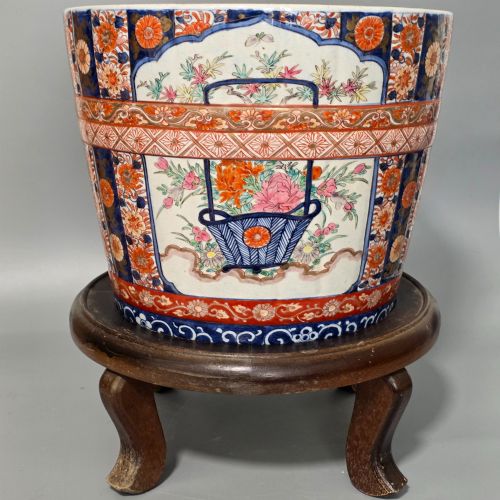


Antique Pot a Orange
These antique pot a orange vessels are striking ceramic containers designed for citrus cultivation, offering an authentic touch of historic horticulture for the home.

Antique Pot a Orange
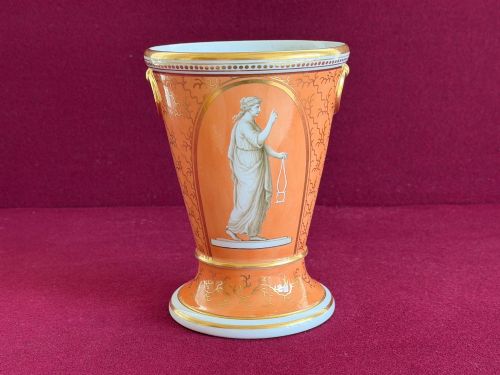
When you search for an antique pot a orange, you are examining historic ceramic and earthenware containers originally built to house orange trees in grand European or domestic settings. These pieces often overlap with jardinieres, planters, and larger storage forms, reflecting their functional horticultural roots.
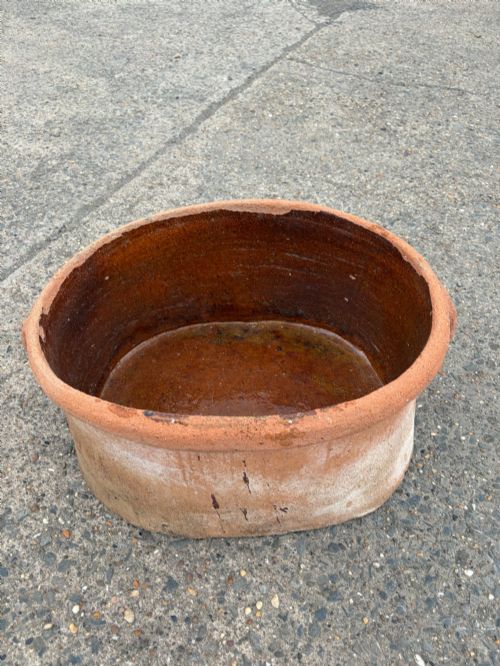
The selection ranges from eighteenth-century French faience earthenware examples bearing the precise name to related Japanese Imari export planters and nineteenth-century terracotta iterations. Most pieces you meet will date from the eighteenth and nineteenth centuries, carrying the heavy potting characteristics needed for damp soil and heavy root systems.
Makers and workshops across Europe and Asia adapted the form for both indoor display and sheltered orangery use. Their survival depends on how well the fired clay or porcelain withstood decades of watering, frost, and household repositioning.
Assessing quality in the range
Quality rests primarily in the crispness of the hand-painted decoration, the weight and stability of the ceramic body, and the preservation of the glaze. Earlier examples display tighter potting marks and more deliberate brushwork compared to later mass-produced wares.
The degree of historical wear also defines the upper tier, distinguishing pieces with stable, honest ageing from those with extensive structural repairs. Collectors look for sharp relief moulding, clear kiln artefacts, and well-balanced proportions that indicate skilled workshop production.
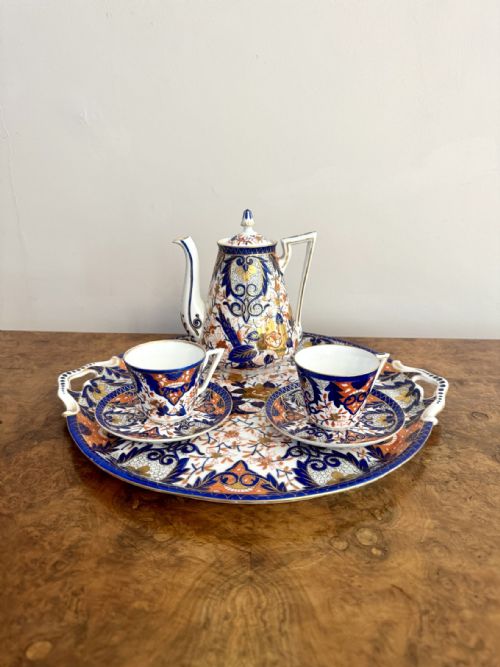
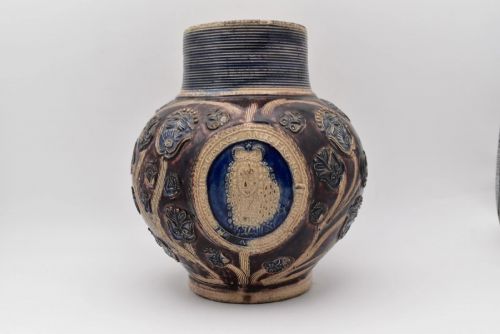
An 1860 coffee set sits shoulder-to-shoulder with seventeenth-century strawberry jars and citrus vessels, proving past households took their fruit very seriously indeed.
Flight & Barr·Barr, Flight & Barr·Clarice Cliff·Royal Winton
The Antique Pot a Orange Glossary
- Faience
- Tin-glazed earthenware produced in France and other European regions, noted for its opaque white background and painted pigments. It provides the characteristic surface for eighteenth-century French vessels.
- Imari
- Japanese export porcelain decorated in underglaze blue, iron red, and gold, highly popular in European interiors. This palette frequently appears on large planters and jardinieres.
- Jardiniere
- An ornamental pot or stand designed to hold growing plants or flowers indoors. They share the same functional lineage as traditional citrus pots.
- Terracotta
- Unglazed or slightly glazed fired brownish-red clay used extensively for garden and orangery pots. Its porous nature allows air to reach plant roots.
- Slipware
- Pottery decorated with a thin mixture of clay and water applied before firing, creating smooth linear patterns or rich surface textures. It appears on early Dutch and English utility wares.
Antique Pot a Orange: Frequently Asked Questions
What is an antique pot a orange used for?
These vessels were originally manufactured to house dwarf citrus trees, allowing estate owners to move tender orange trees indoors during cold weather.
Today, collectors utilise them as striking indoor planters, decorative cachepots, or standalone decorative objects in halls and reception rooms.
How do I date an antique pot a orange?
Dating relies on examining the clay body, glaze characteristics, and potting techniques visible on the base and interior. Eighteenth-century examples often show heavier throwing rings and hand-mixed tin glazes.
Later nineteenth-century pieces display more uniform industrial bodies, while specific factory marks or hand-painted signatures help narrow the production window.
Where were these ceramic vessels made?
Production centres spanned major European ceramic hubs, including French faience potteries and English porcelain factories like Worcester.
Asian export kilns also produced substantial Imari planters specifically traded for the European luxury market.
Can I plant directly into these antique pots?
Many historic earthenware and terracotta pots are porous and susceptible to moisture damage or frost expansion if left outside with damp soil.
Using a modern plastic nursery liner inside the historic vessel protects the fragile antique ceramic body from water retention and mineral staining.