


Antique Portraiture Print
An antique portraiture print brings centuries of aristocratic presence and historic character straight to your wall.
Antique Portraiture Print
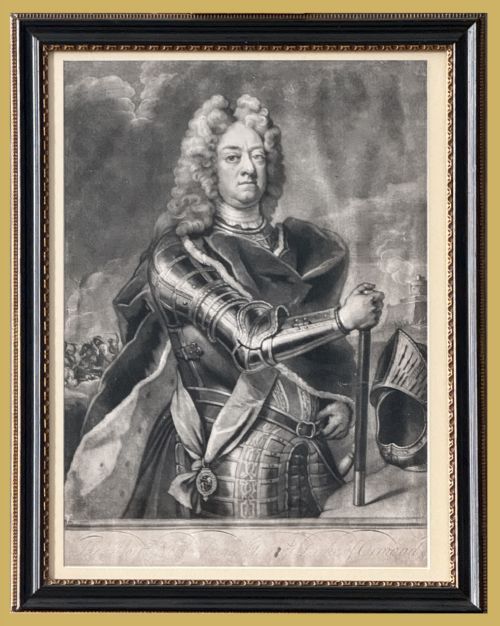
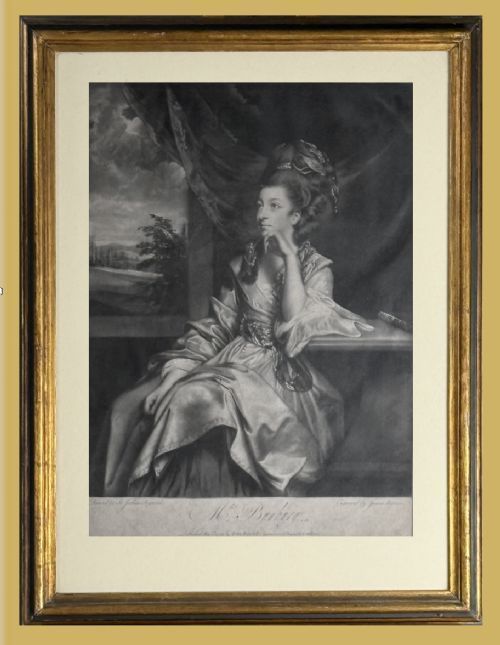
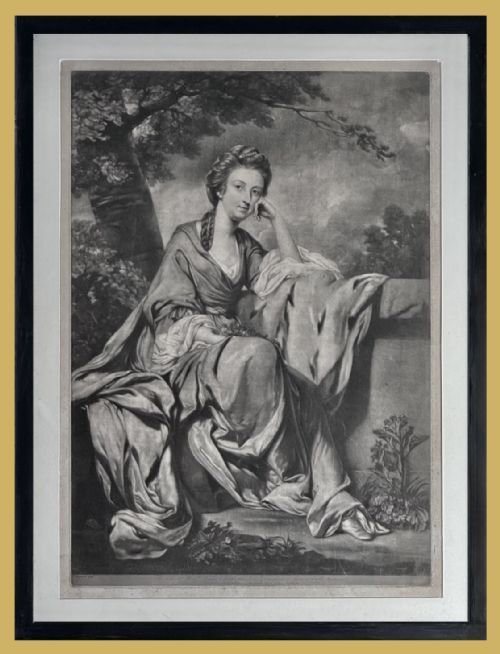
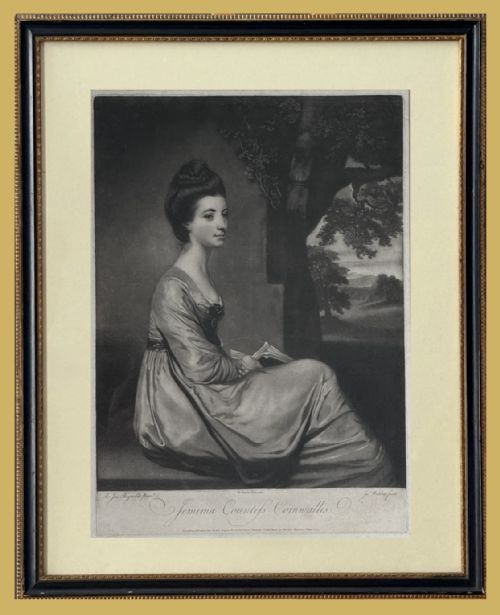
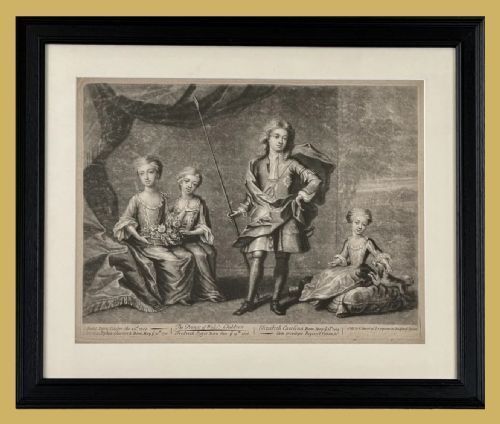
When you search for an antique portraiture print, you encounter framed works spanning the seventeenth, eighteenth, and nineteenth centuries. These pieces predominantly capture notable figures, royalty, and dignitaries through historic printmaking methods.
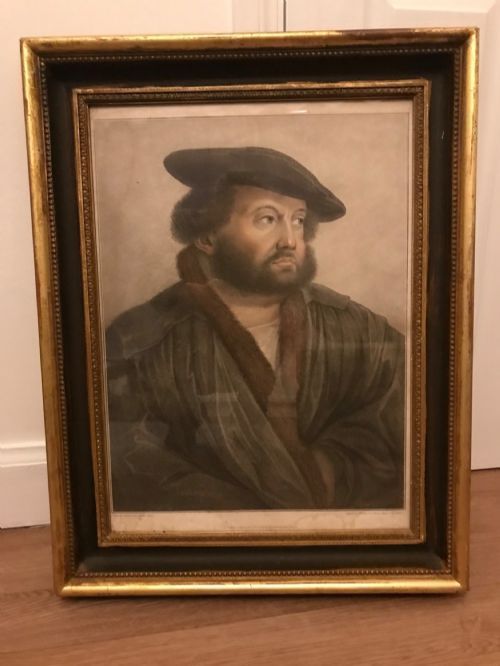
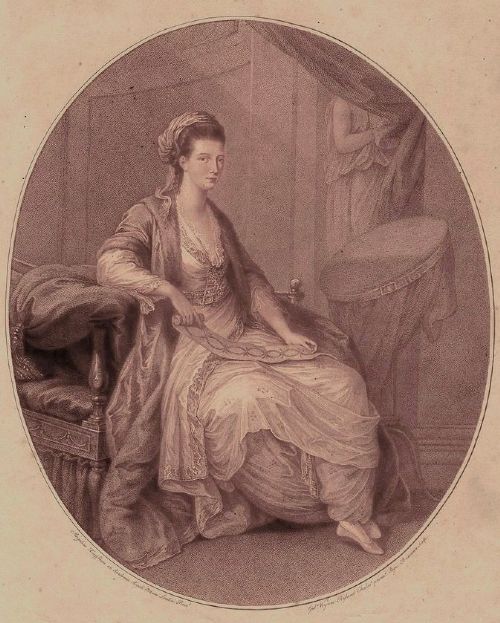
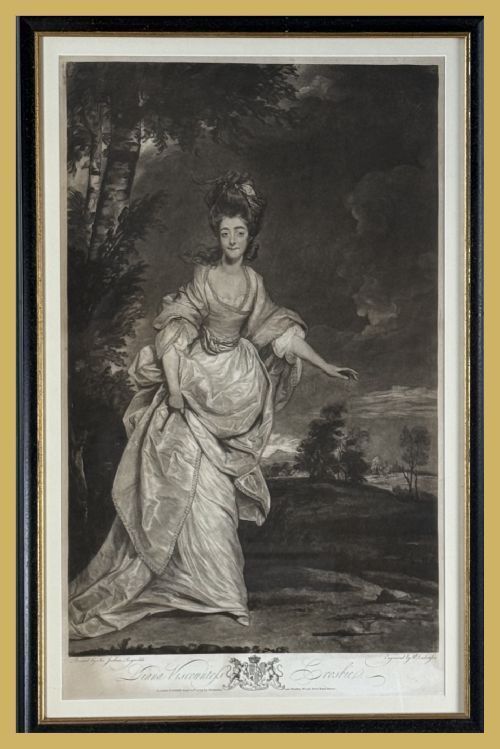
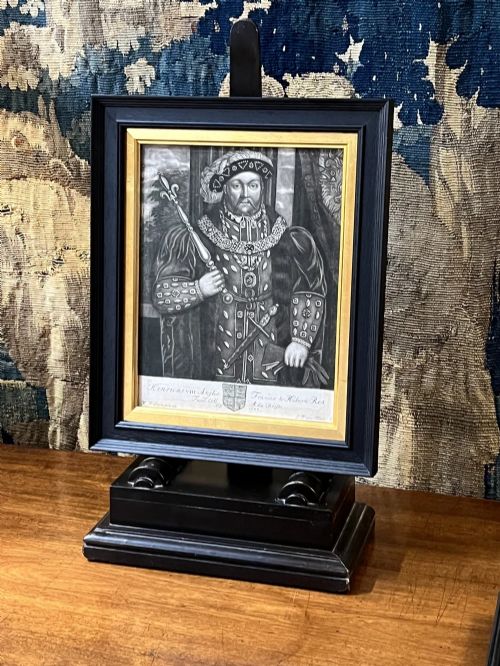
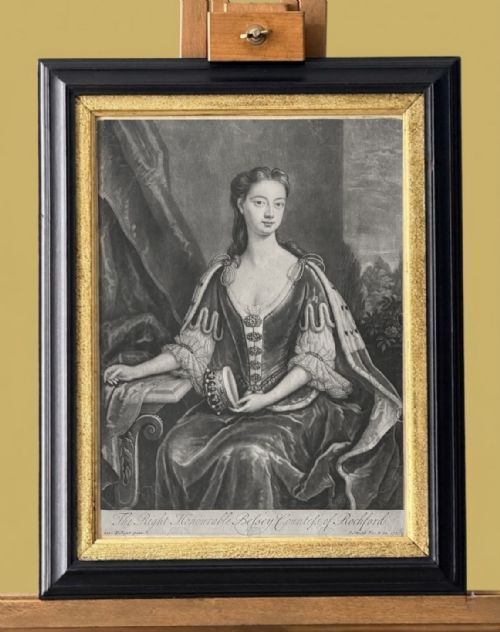
The selections on this page heavily feature eighteenth-century mezzotint engravings alongside stipple engravings and reverse glass prints. Works often pair a skilled engraver with an eminent painter, recording subjects from royalty to historic nobility.
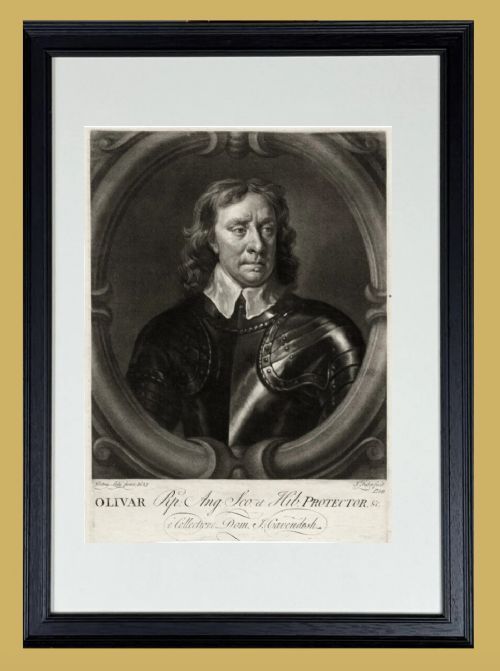
Pieces range from seventeenth-century Stuart period portrayals to Georgian and Victorian interpretations. Framed art forms dominate the selection, preserving historic likenesses within period wood and gold leaf frames.
Materials and printmaking techniques
Makers utilised paper as the primary surface for ink engravings, employing copper plates to achieve rich tonal gradations in mezzotints. Stipple engraving introduced finely dotted patterns to render subtle flesh tones and soft fabrics.
Finished works are typically housed in wood frames, frequently enhanced with gold leaf or gilt wood finishes. Certain pieces incorporate glass for protection, while distinct variations utilise canvas and oil paint.
The selection includes works after prominent painters such as Sir Joshua Reynolds and Hans Holbein the Younger.
Distinctions in craftsmanship and preservation
The distinction between standard examples and finer works lies in the crispness of the ink impression and the depth achieved by the scraper and rocker on the copper plate. Early impressions retain rich dark grounds and delicate facial details that wear down in later printings.
Framing integrity also defines the piece, as original period gilt wood and gold leaf surrounds complement the status of the sitter. Condition of the underlying paper, minimal foxing, and clear publisher details elevate the standing of an individual plate.
John Simon·Michael Dahl·James Watson·Sir Joshua Reynolds·Edward Fisher·Francesco Bartolozzi·Sir Peter Lely·W Dickinson·John Faber Snr·Hans Holbein the Younger·John Smith·Thomas Gainsborough
The Antique Portraiture Print Glossary
- Mezzotint
- A printmaking process where the copper plate is roughened evenly to produce dark backgrounds, then scraped and burnished to create light areas. This technique allows for smooth tonal transitions.
- Stipple Engraving
- A method of creating prints by dotting the copper plate rather than cutting continuous lines. It produces gentle tonal effects particularly suited to flesh and drapery.
- Reverse Glass Print
- An image applied directly to the underside of a glass sheet, often backed with gold or silver leaf. This technique creates a luminous surface finish.
- Gilt Wood
- Wood that has been coated with a thin layer of gold leaf or gilt finish. It is commonly found on period frames enclosing historical artwork.
- Baroque
- An ornate artistic style prevalent in the seventeenth century characterised by dramatic movement and grandeur. Portraits from this period often display rich textures and deep shadows.
Antique Portraiture Print: Frequently Asked Questions
What is a mezzotint portrait?
A mezzotint is an intaglio printmaking process where the artist roughens a copper plate to hold ink, then scrapes it back to create highlights. This method produces velvety dark tones and subtle gradations.
In portraiture, this technique achieves realistic textures in hair, lace, and velvet garments. Most examples on this page date back to the eighteenth century.
How do I date an old print?
Dating relies on the paper quality, the plate marks, and the historical records of the sitter and the engraver. Typography and publication inscriptions also provide clear clues to the decade of creation.
Frames can offer further evidence, though many historic prints were reframed in later centuries. Comparing the style to documented works of the period confirms the era.
Are these prints hand colored?
Most historic portrait prints rely entirely on monochrome ink techniques such as black, brown, or sepia mezzotint rather than applied watercolor. The tonal depth comes from the density of the engraved lines and dots.
Colour is generally absent unless the piece is an oil painting or a specialised reverse glass print. The focus remains on form, shadow, and likeness.
How should I hang framed engravings?
Framed engravings require placement away from direct sunlight to prevent the ink and paper from fading over time. Stable indoor humidity levels protect both the antique paper and the wooden frame.
Using museum glass during any future reglazing helps filter harmful ultraviolet rays. Secure picture hooks appropriate for the weight of wood and gilt frames are essential.
What is a stipple engraving?
Stipple engraving is a technique where an artist builds an image using tiny dots rather than solid lines on a copper plate. This creates a softer, more painterly effect.
It gained popularity for reproducing delicate portraits and classical subjects. The method excels at rendering human skin textures realistically.