


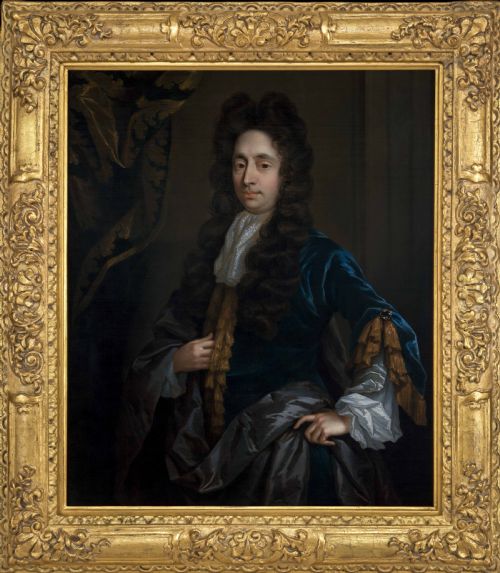
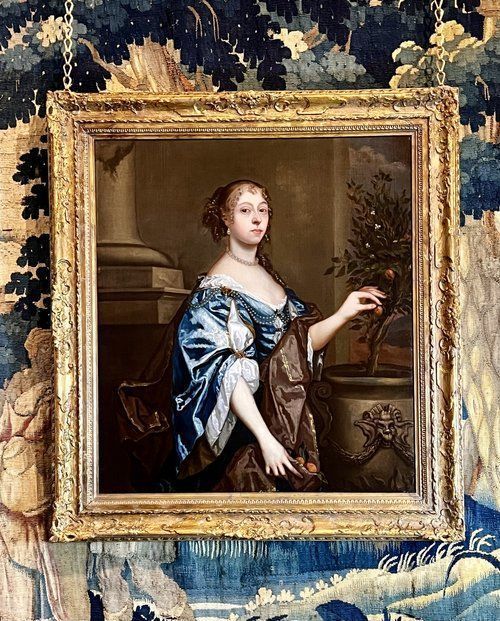
Framed Historical Portrait
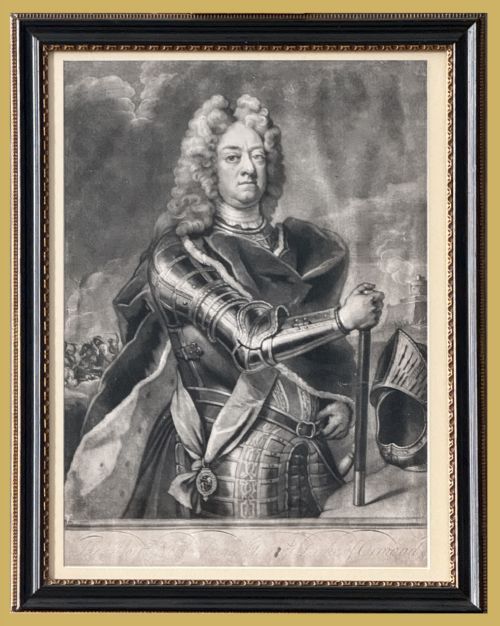
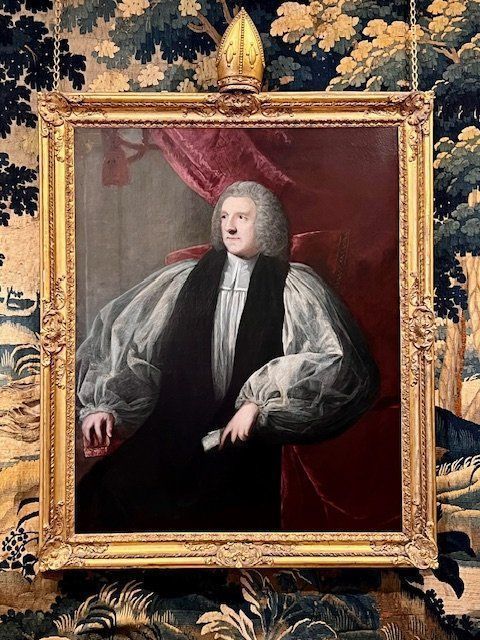
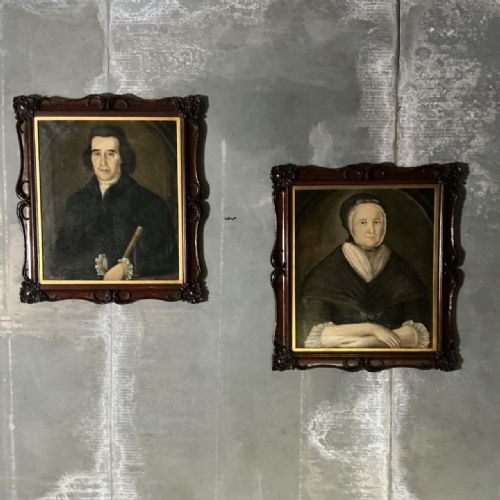
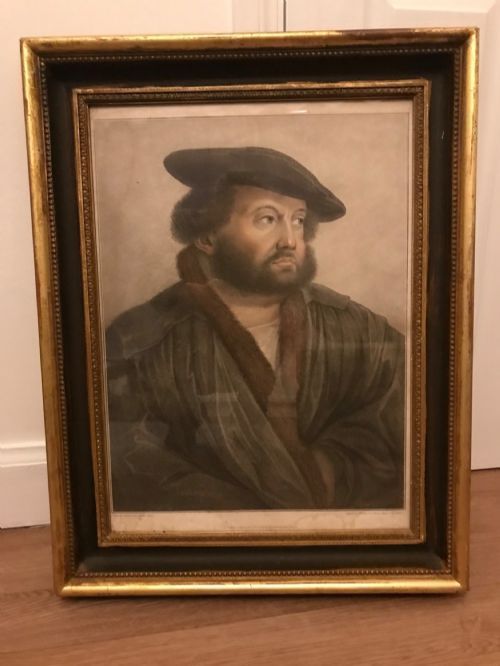
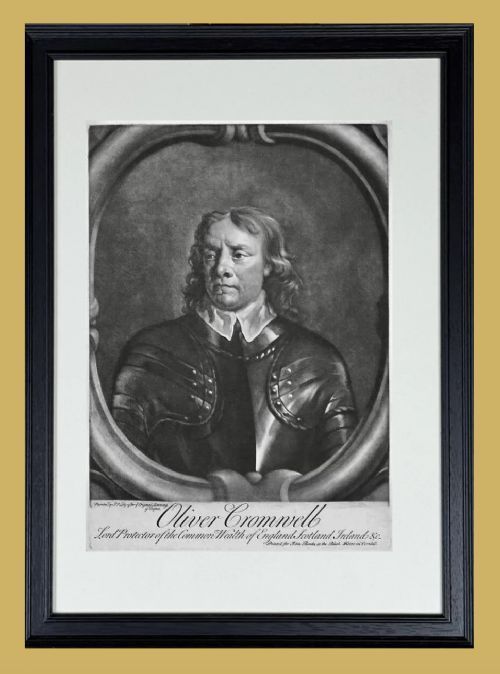
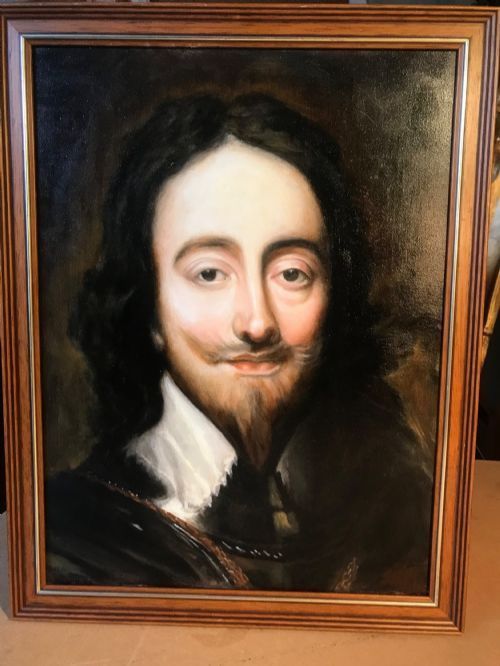
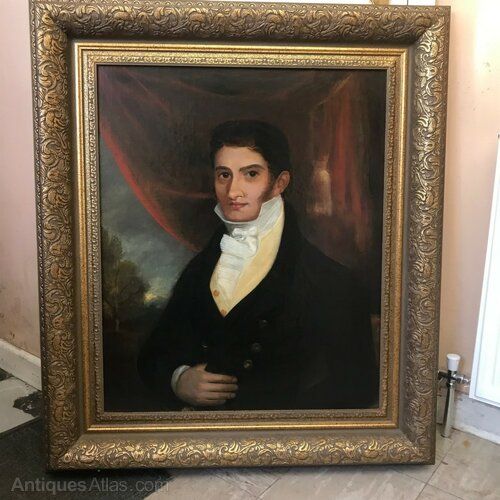
A framed historical portrait brings the presence of earlier centuries into a room through oil, pastel, or print.
Framed Historical Portrait
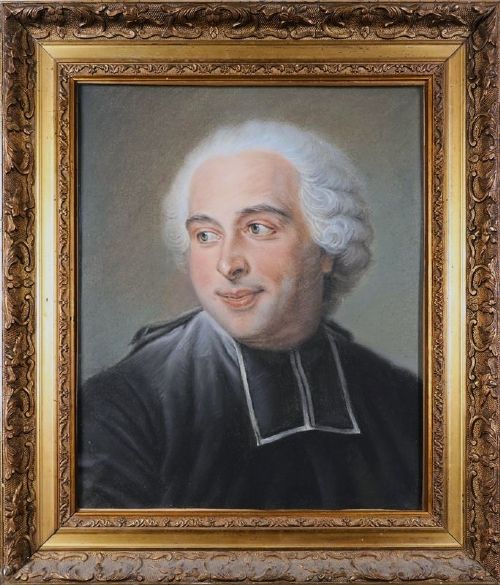
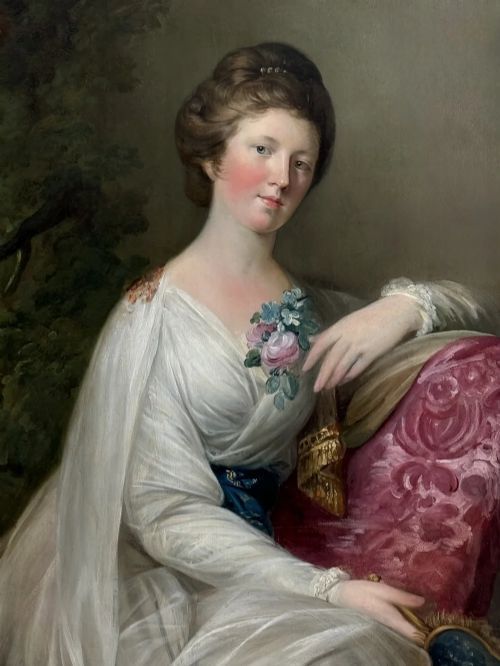
When searching for a framed historical portrait, buyers encounter likenesses rendered across several centuries, from the seventeenth through the nineteenth.
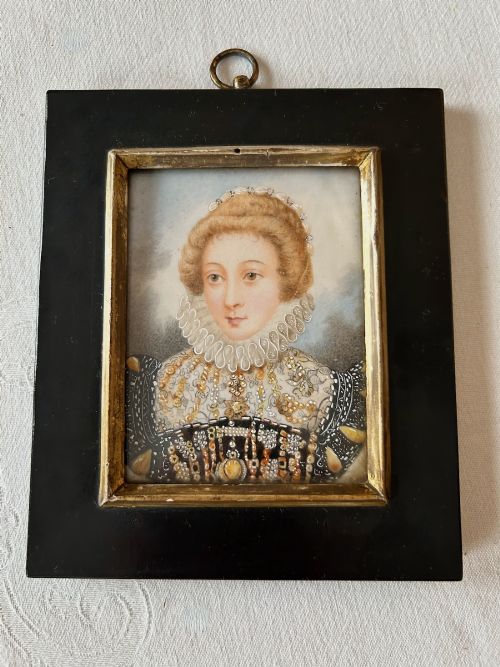
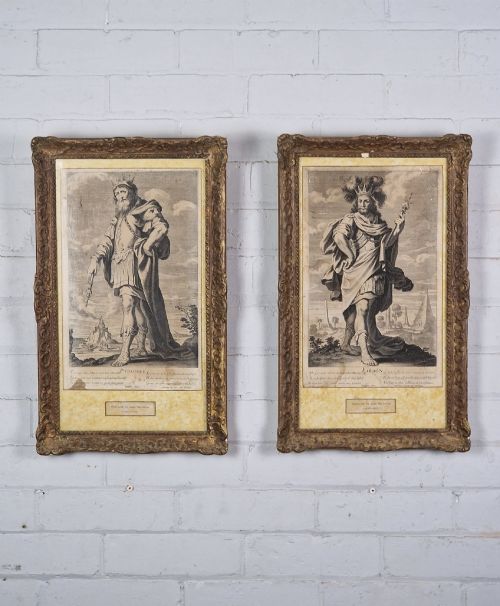
The selections on this page span oil paintings on canvas, delicate portrait miniatures, pastel drawings, and printed mezzotints and engravings.
Subjects range from royalty and military officers to merchants and nobility, captured by artists working in British, Dutch, and French schools.
Materials and technique
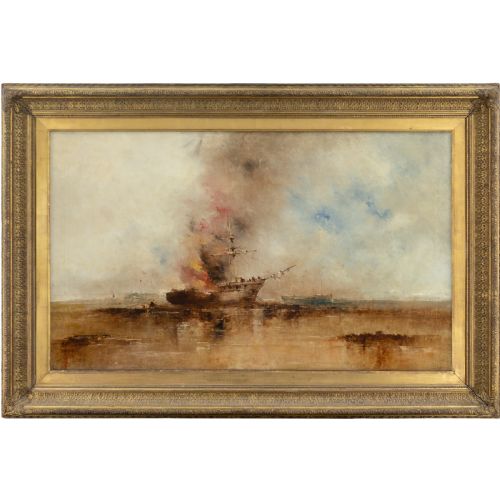
Many works utilise oil paint applied to canvas or panel, framed in wood and giltwood that often complements the period of the artwork.
Works on paper employ ink, stipple engraving, watercolour, and mezzotint techniques, frequently protected behind glass.
Makers utilised gold leaf on frames and specialised printing plates to produce crisp lines in historical engravings.
Several noble sitters are immortalized holding everyday items, proving that even seventeenth-century dukes could not escape the temptation of a prop.
Judging quality
Quality rests upon the skill of the draughtsman or painter in capturing likeness, proportion, and psychological depth.
The integrity of the original frame, particularly period giltwood moulding, contributes significantly to the overall standing of the piece.
Condition of the canvas, paper, and pigment stability dictates how well the portrait has survived the centuries.
Sir Joshua Reynolds·Michael Dahl·Hans Holbein·Sir Peter Lely·Anthony Van Dyck
The Framed Historical Portrait Glossary
- Mezzotint
- A printmaking process of the intaglio family, where the plate is roughened to achieve rich dark tones and subtle tonal gradations.
- Stipple engraving
- A technique using dots to create tonal shadows and fine linear effects in printed portraits.
- Portrait miniature
- A small, highly detailed painting usually executed on vellum, copper, or card, intended for intimate display or transport.
- Giltwood
- Wood that has been coated with a thin layer of gold leaf or powder, standard for period frames.
- Oil on canvas
- Pigments bound in a medium of drying oil applied to a stretched woven fabric surface.
Framed Historical Portrait: Frequently Asked Questions
How should I hang a historical portrait?
Hang these pieces away from direct sunlight to protect pigments and paper from fading over time.
Ensure the wall fixings match the weight of the heavy wooden and giltwood frames typical of these periods.
Are these portraits original period pieces?
The inventory includes original seventeenth, eighteenth, and nineteenth-century works, alongside period engravings and later interpretations.
Check the listing details to distinguish between primary oil paintings and contemporary print reproductions.
What subjects are most common?
Subjects frequently include nobility, military officers, statesmen, and literary figures from British and continental European history.
Many sitters are identified by name, offering a direct link to documented historical lineages.
How do I care for antique frames?
Dust giltwood frames gently with a soft, dry brush to avoid damaging delicate raised ornamentation.
Keep the surrounding room environment stable in humidity to prevent wood warping and canvas tension issues.