




Giltwood Framed Oil Canvas
A giltwood framed oil canvas brings together historical portraiture or landscape and the warmth of carved gold leaf.
Giltwood Framed Oil Canvas
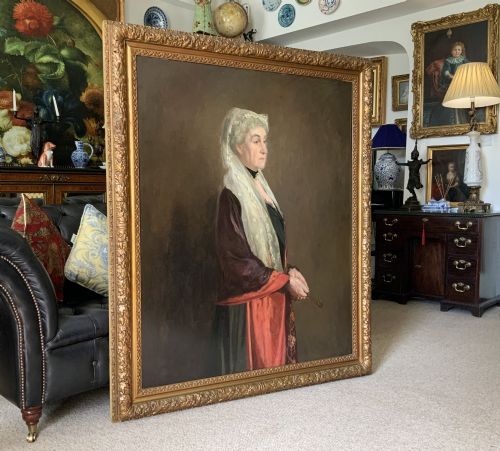
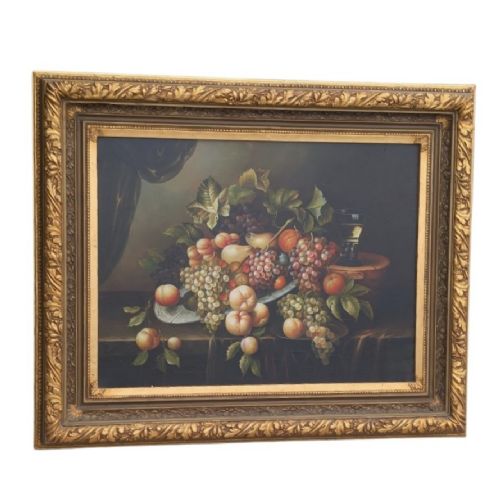
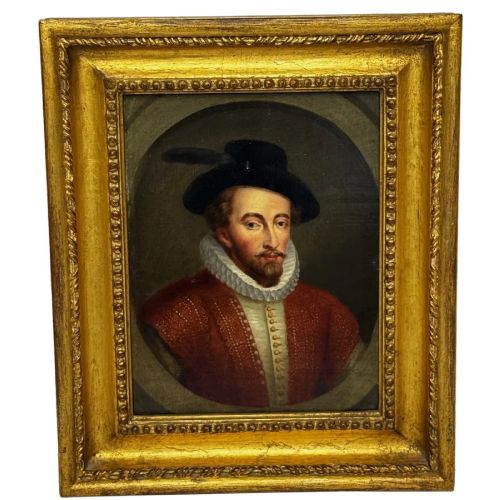
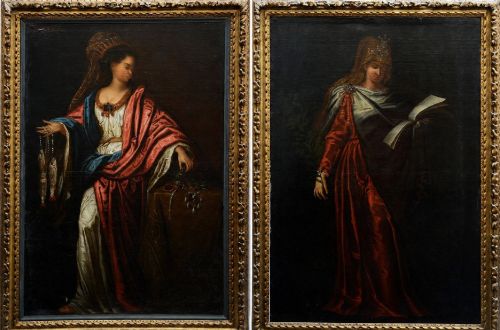
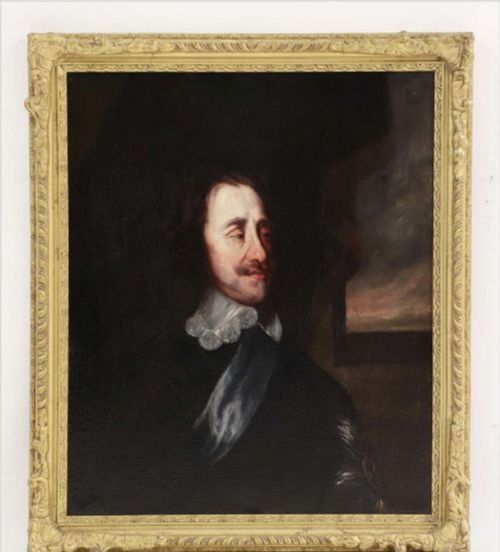
A giltwood framed oil canvas pairs a traditional oil painting on canvas with an ornate frame finished in gold leaf or gesso. These works range from small landscape studies to monumental portraiture.
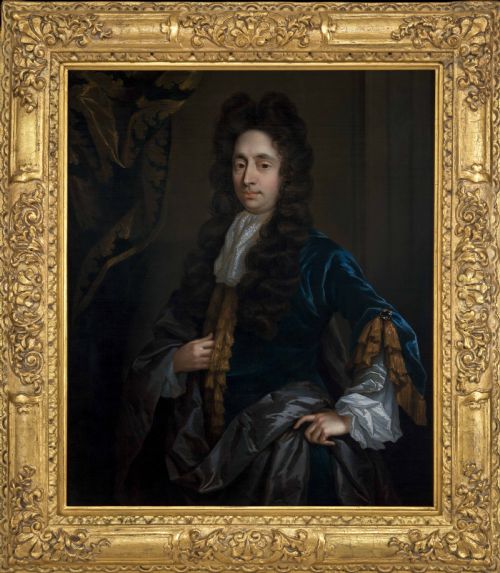
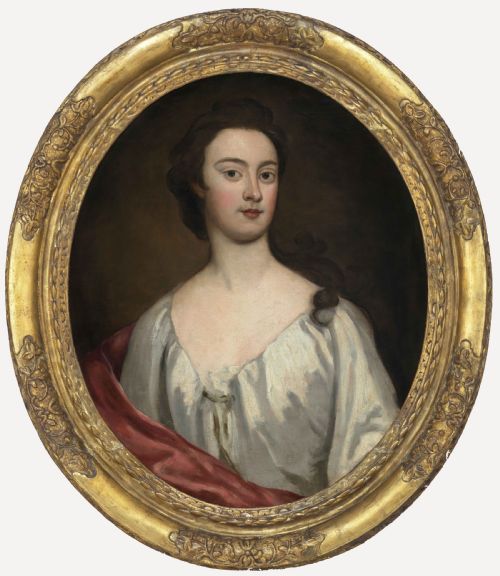
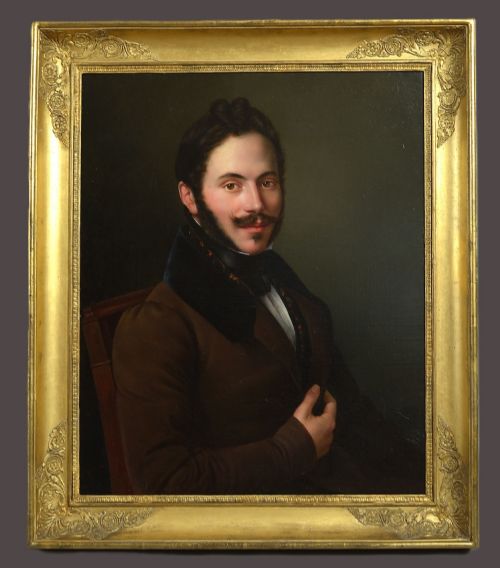
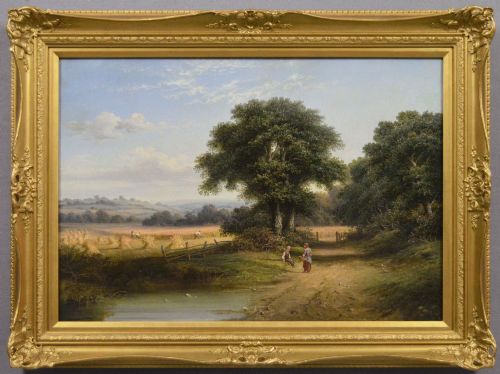
The version most frequently met on this page carries a nineteenth-century date, often depicting British or European subjects in Victorian or Georgian styles.
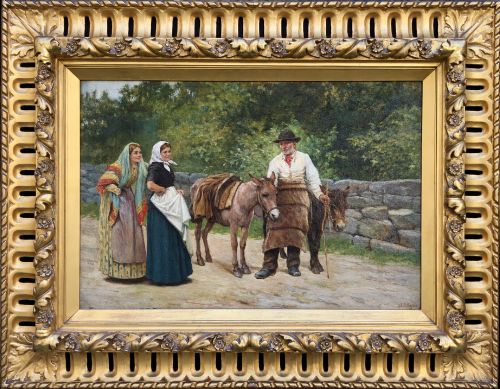
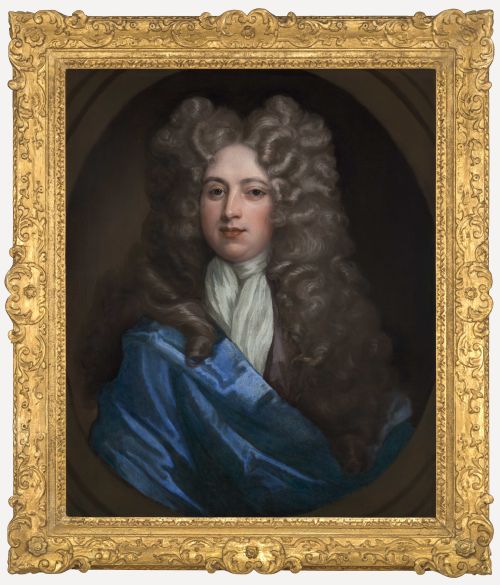
Makers and schools span centuries, including seventeenth-century Dutch portraits and nineteenth-century pastoral scenes set within heavy timber mouldings.
Materials and construction
Painters applied oil paint to stretched canvas, utilising pigments bound in oil to build depth and texture over preparatory layers.
The accompanying frames consist of wooden carcases built from timber, coated in layers of gesso to create smooth surfaces for gilding.
Artisans applied thin sheets of gold leaf over the gesso, burnishing the metal to achieve a reflective, warm metallic sheen that complemented the darker tones of the painted canvas.
Several portraits preserve remarkably detailed lace collars and periwigs that outlasted the empires of their sitters.
Assessing quality
Quality rests in the precision of the brushwork and the anatomical or spatial accuracy achieved by the artist on the canvas. Masterful handling of light and shadow distinguishes accomplished works from routine studio output.
Frame construction also dictates overall merit, as hand-carved wooden mouldings with deep relief and well-preserved gilding carry greater artistic weight than moulded composition ornaments.
Originality of the pairing between canvas and frame influences desirability, alongside the clarity of provenance and documented attribution to named painters or recognised schools.
Eugène Verboeckhoven·Jean-Baptiste van Loo·Thomas Murray·Edouard Pingret·Benjamin Barker of Bath·Thomas Sidney Cooper·Henry H. Parker·Edgar Hunt·Robert Cleminson·Nicolaes Maes
The Giltwood Framed Oil Canvas Glossary
- Giltwood
- Wood that has been decorated with gold leaf. This finish protects the underlying timber while providing a bright, decorative surface.
- Gesso
- A plaster mixture applied to wood frames as a base for gilding. It provides a smooth ground that artisans can carve before applying gold leaf.
- Oil on Canvas
- Pigment mixed with drying oil applied to a woven fabric support. This medium allows for rich colour blending and longevity.
- Baroque
- An artistic style prevalent in the seventeenth and eighteenth centuries characterised by drama and rich detail. Works from this period display dynamic movement and deep shadows.
- Rococo
- A decorative style emerging in the eighteenth century featuring asymmetry and pastel hues. It often appears in elaborate, scrolling frame designs.
Giltwood Framed Oil Canvas: Frequently Asked Questions
How do I date a giltwood frame?
Dating relies on the construction techniques of the wood carcase and the composition of the gesso layers beneath the gold leaf. Earlier frames utilise hand-carved timber mouldings, while later nineteenth-century examples frequently incorporate moulded composition ornaments.
Examining the corner joints and the type of gold leaf applied also helps determine the exact period of manufacture.
Are these paintings original works?
The listings comprise original oil paintings created by hand on canvas supports, spanning several historical centuries. Many carry signatures or attributions to documented artists and recognised regional schools.
Some pieces represent period copies after famous masters, painted contemporaneously with the original works.
How should I hang an oil painting?
Oil paintings require stable indoor environments away from direct sunlight and excessive moisture fluctuations. Using professional picture hooks rated for the combined weight of the canvas and heavy wooden frame ensures secure wall mounting.
Positioning the work at eye level preserves the intended perspective of the composition.
What subjects do these canvases feature?
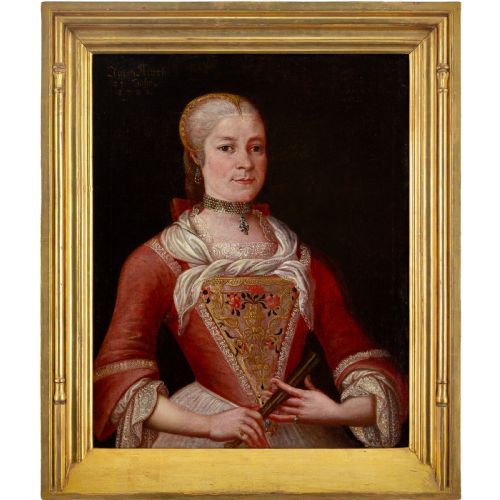
The subjects encompass traditional portraiture of gentlemen and ladies, pastoral landscapes, marine shipping scenes, and narrative historical subjects. These themes reflect the dominant artistic commissions of the seventeenth, eighteenth, and nineteenth centuries.
Many depict specific historical figures or regional European landscapes.