
Antique Portrait Sculpture
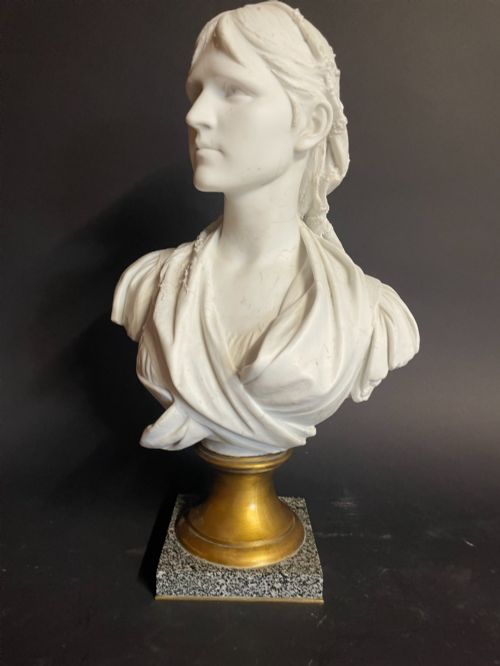
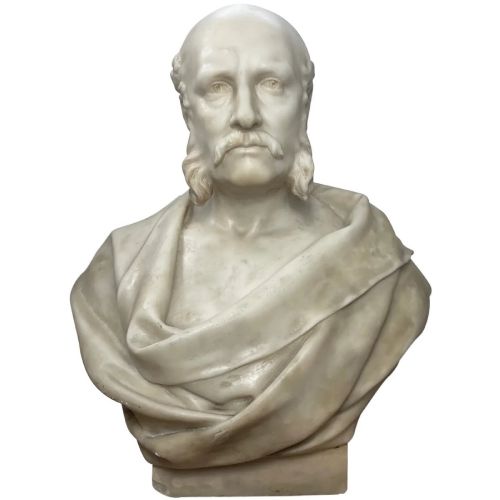
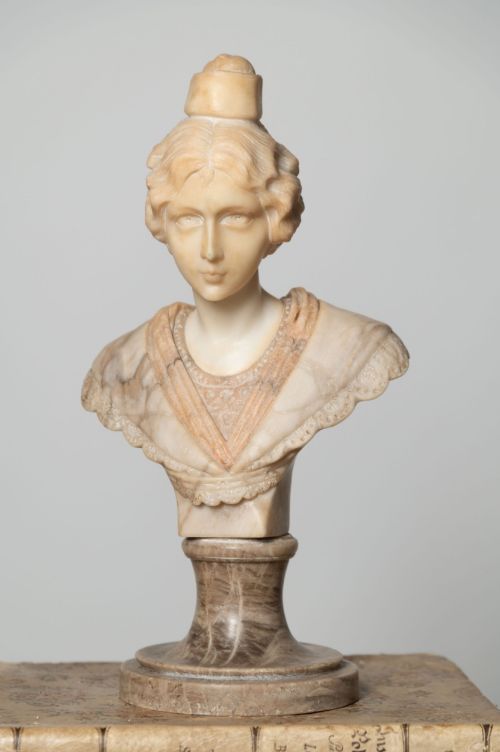
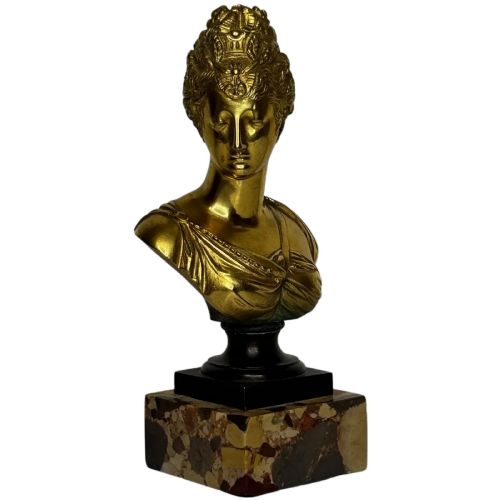
Antique portrait sculpture captures historical figures, literary icons, and classical subjects in enduring materials like bronze, marble, and alabaster.
Antique Portrait Sculpture
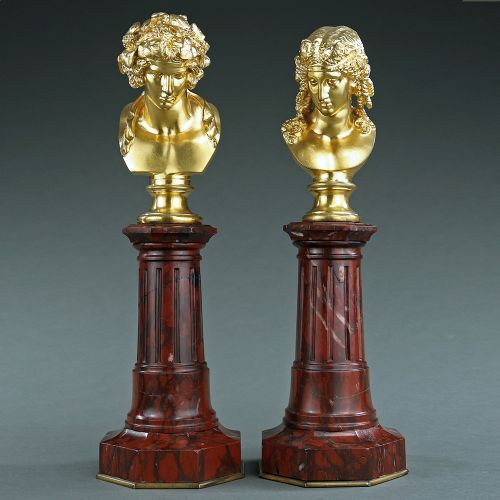
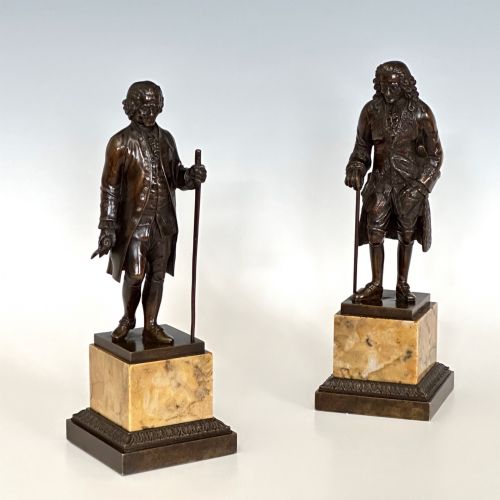
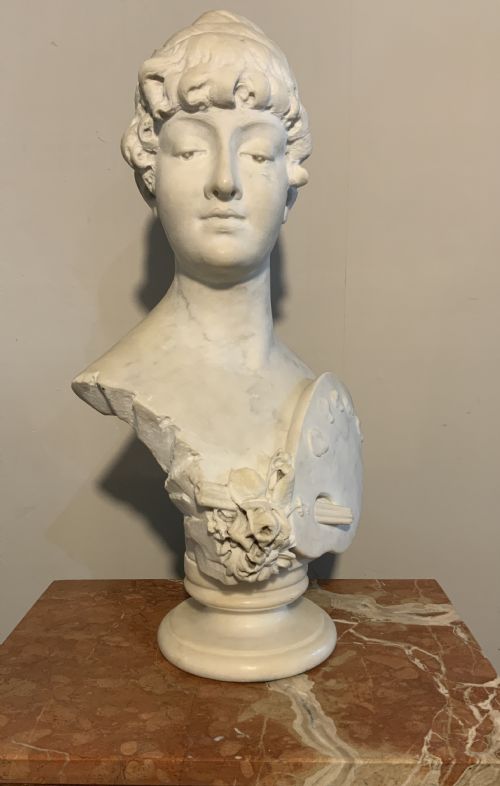
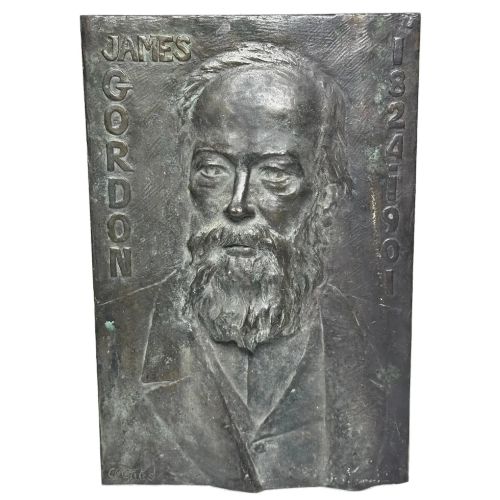
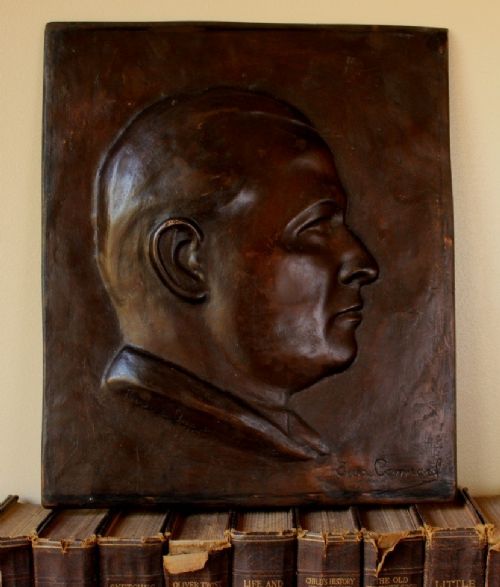
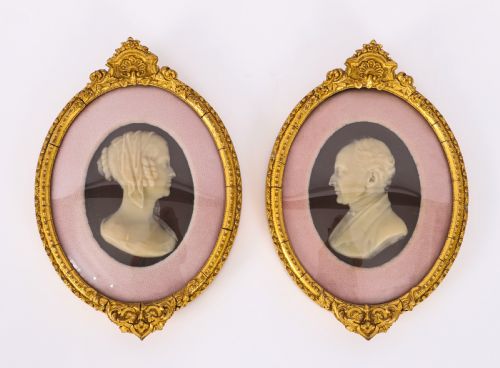
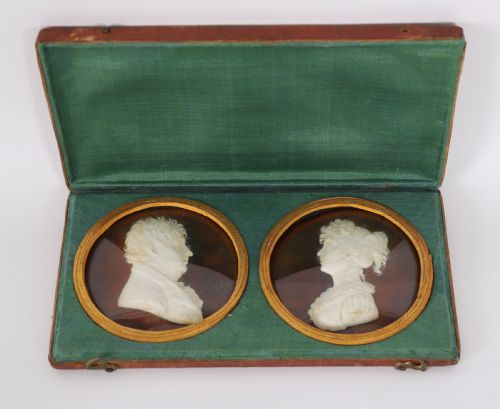
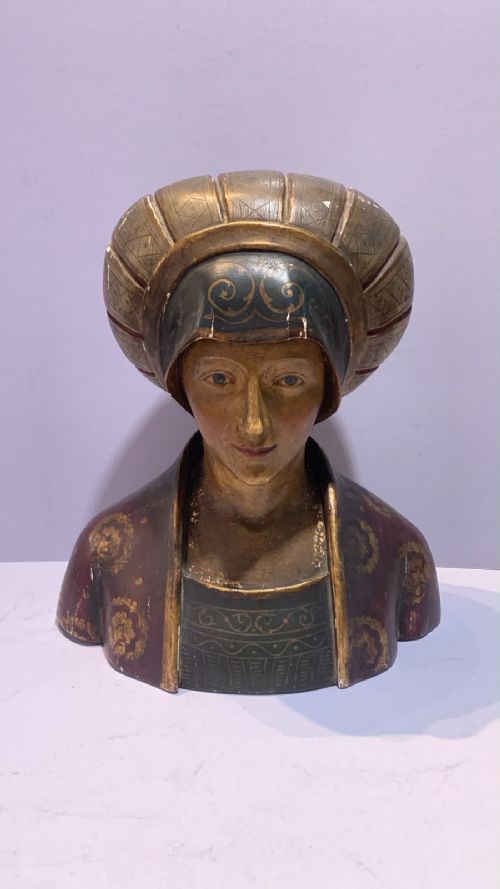
When searching for antique portrait sculpture, buyers encounter three-dimensional busts, wall plaques, and framed reliefs depicting specific historical figures, mythological characters, and unidentified subjects. These pieces span from the seventeenth century through the Art Deco era, encompassing Grand Tour souvenirs and monumental civic commissions.
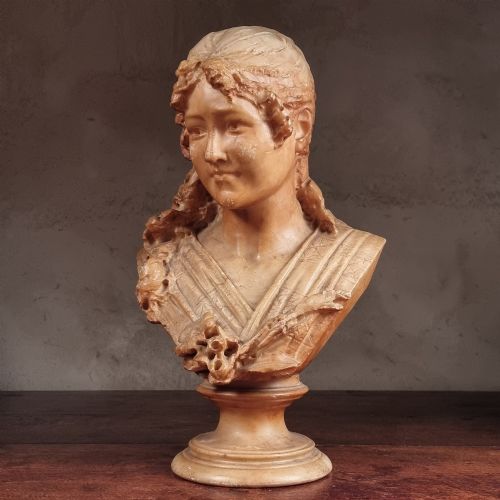
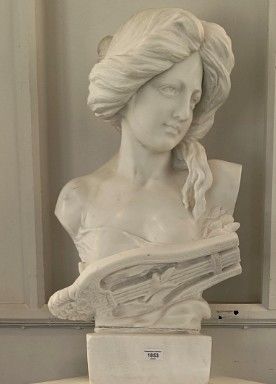
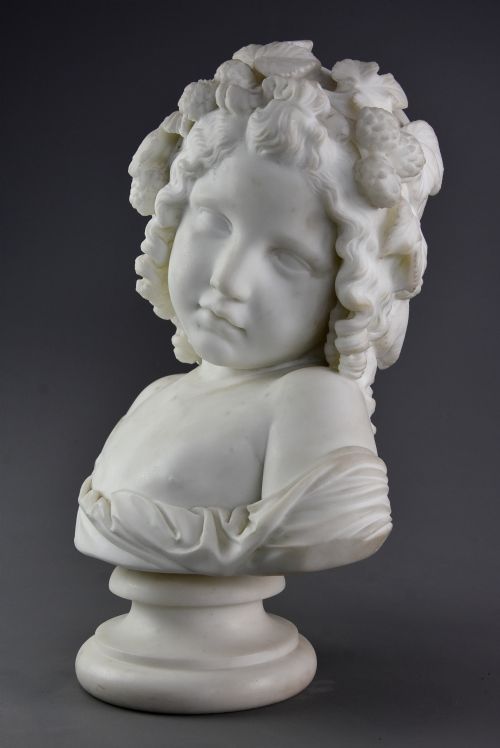
The most common formats on this page are nineteenth-century bronze and marble busts, often representing classical deities, Roman emperors, or literary figures like Dante and Shakespeare. Makers utilised materials ranging from Carrara marble to painted plaster, producing both grand library pieces and intimate wall-mounted plaques.
Materials and methods
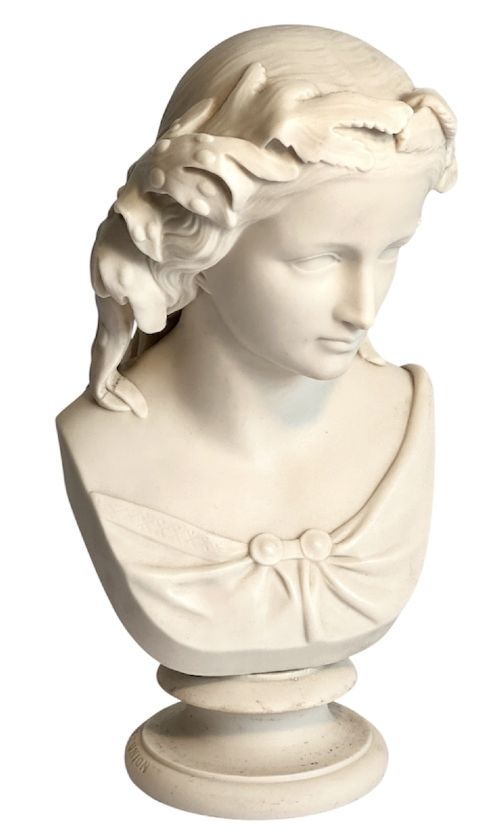
Sculptors carved stone, alabaster, and Carrara marble directly from the block, capturing fine details in hair and drapery through precise chisel work. Parian ware and terracotta offered alternative media that allowed workshops to cast or mould complex figural forms with smooth surfaces.
Metal portrait pieces relied on the lost-wax casting technique for bronze and gilt bronze, permitting intricate surface chasing and patination. Plaster and wax were utilised for reliefs and death masks, sometimes receiving a bronze-coloured finish or hand-painted details to emulate costlier materials.
Antique Portrait Sculpture Retail Price Guide 2026
Typical asking prices for portrait sculpture among the pieces listed under this phrase on Sellingantiques today, from the lower quarter to the upper quarter. They describe what is for sale here now, not the wider market.
Napoleon stares down visitors alongside Roman emperors, Beethoven, and Shakespeare in this gathering of historical faces.
Assessing the execution
Signatures by recorded artists and crisp foundry marks elevate a piece above anonymous commercial production. The selection of the stone block or the depth of the bronze patina further distinguishes items intended for prominent public civic spaces from smaller domestic ornaments.
Eugene Canneel·Affortunato Gory·E Villanis·J Francis·Raffaelo Monti·Auguste Henri Carli·George Henry Paulin
The Antique Portrait Sculpture Glossary
- Grand Tour
- Souvenirs collected by affluent travellers touring cultural sites in Italy and France during the eighteenth and nineteenth centuries. These reductions of classical sculptures included bronze busts of Roman emperors and philosophers.
- Parian ware
- A fine-grained, white unglazed porcelain developed in the nineteenth century to imitate carved marble. Factories like Copeland utilised this ceramic body for smooth portrait busts of literary heroines.
- Relief
- A sculptural technique where figures project from a flat background surface rather than standing in the round. Examples on this page include framed wax portraits and bronze wall plaques.
- Patina
- The surface coloration and sheen developed on bronze sculpture through age and chemical treatment. Artisans applied patination to enhance the visual depth of hair, skin, and fabric.
- Terracotta
- Fired unglazed clay possessing a warm reddish-brown hue. Sculptors favoured this porous material for modelling expressive studies before committing the design to marble or bronze.
Antique Portrait Sculpture: Frequently Asked Questions
What is a portrait bust?
A portrait bust is a sculpted representation of a person from the chest or shoulders up, designed to capture their likeness and character in three dimensions.
These pieces served as memorials to politicians and thinkers, or as classical decorations for nineteenth-century libraries and drawing rooms.
What was the Grand Tour?
The Grand Tour was an educational journey undertaken by wealthy young Europeans to study classical art and antiquities across Italy and France.
Travellers returned home with miniature bronzes, marble carvings, and alabaster sculptures of ancient philosophers and emperors to display in their homes.
How do I identify bronze from plated metal?
Solid bronze pieces exhibit significant weight and show a warm metallic tone beneath the patinated surface if scratched or worn at the edges.
Bronzed or plated metal items often reveal a grey or silvery base metal underneath where the surface finish has rubbed away from handling.