




Antique Portrait Miniature Wall Art
Antique portrait miniature wall art comprises intimate likenesses rendered on a small scale, offering a glimpse into past lives through delicate hand-painted detail and framing.
Antique Portrait Miniature Wall Art
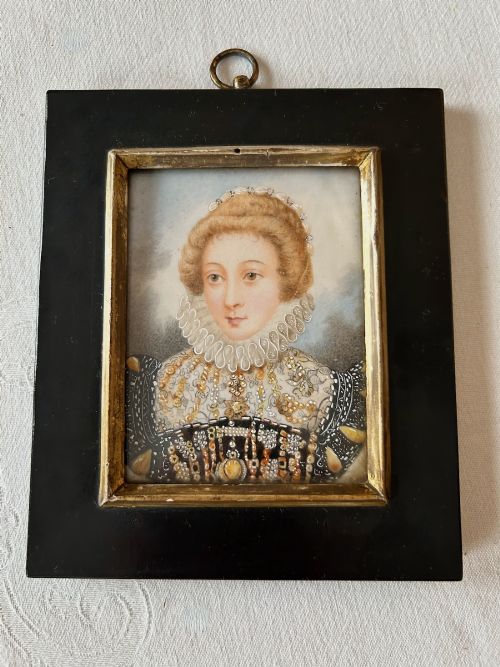
When searching for antique portrait miniature wall art, a buyer encounters small-scale painted likenesses, silhouettes, and enamel plaques designed for display. These pieces originate predominantly from the eighteenth and nineteenth centuries, spanning Georgian, Regency, and Victorian periods.
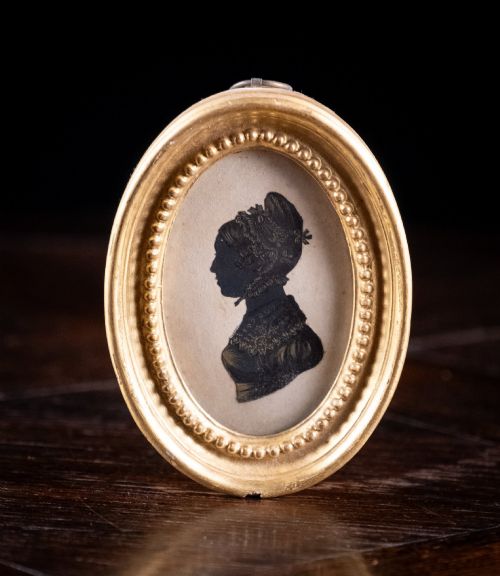
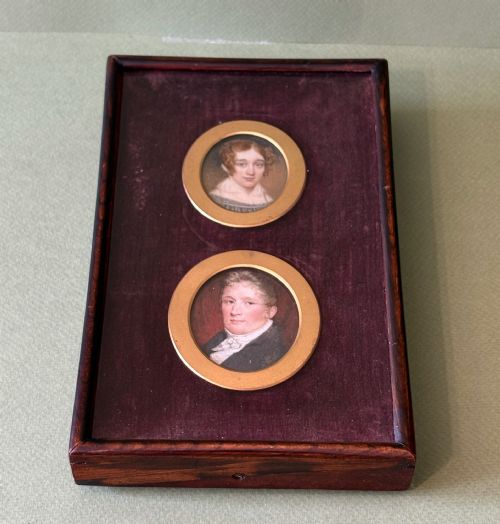
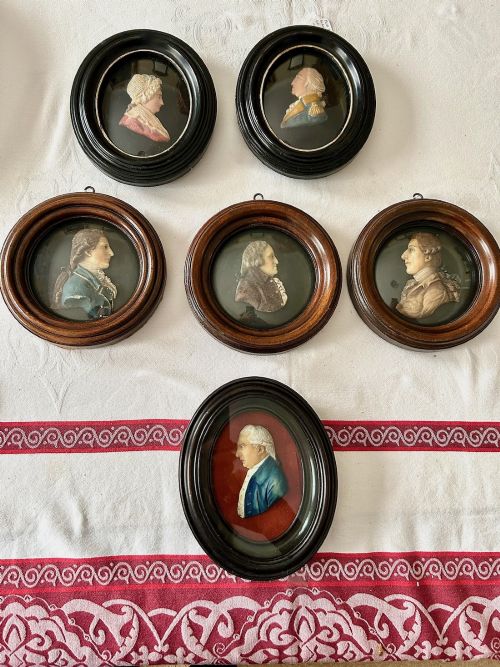
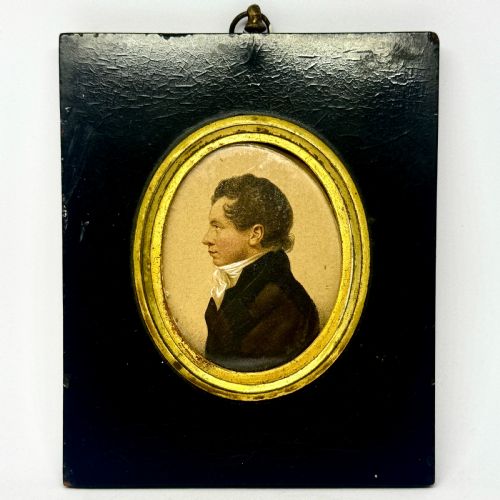
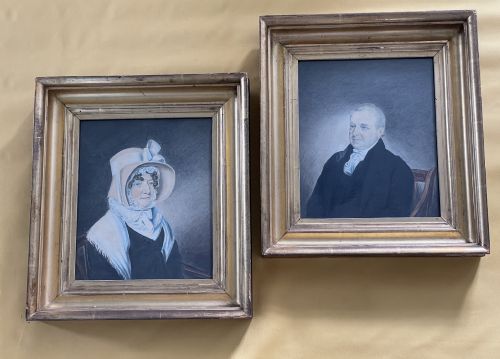
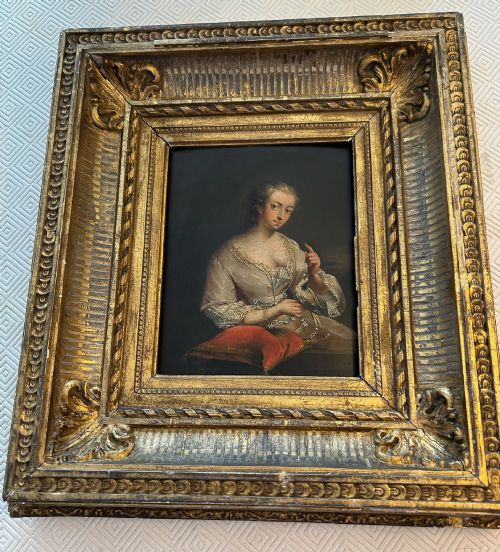
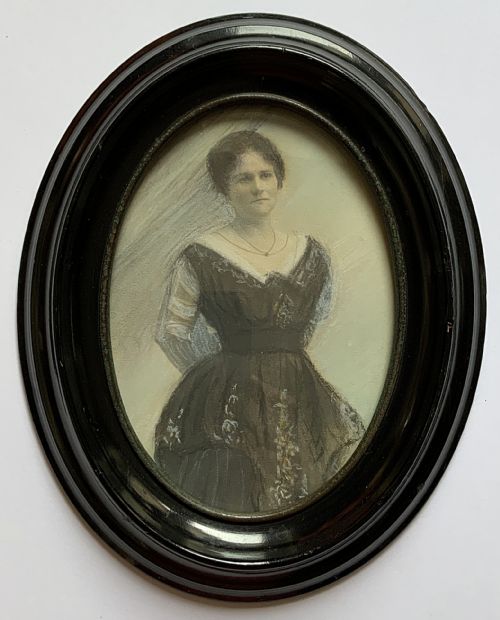
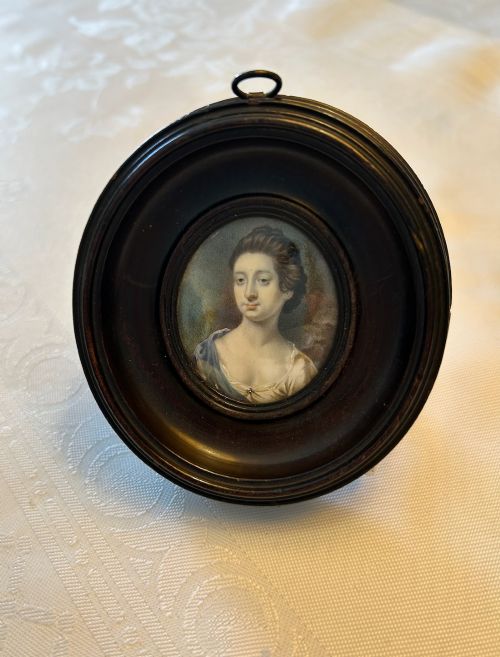
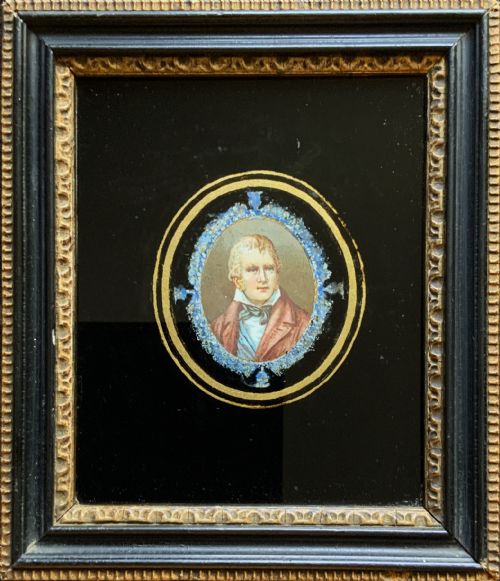
The selection on this page relies heavily on framed single portraits, pairs, and small sets. Rendered in media such as watercolour, pastel, oil, and plumbago, these works capture sitters in oval or rectangular formats, often enclosed in ebonised wood or gilt frames.
Materials and Techniques
Artists utilised watercolour, gouache, and delicate pastel on paper, vellum, or porcelain plaques to achieve fine facial details. Plumbago technique involved meticulous graphite drawing on vellum or paper, favoured by eighteenth-century limners.
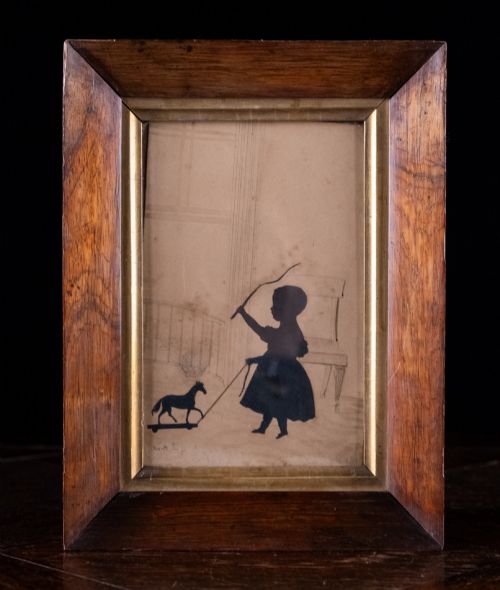
Silhouettes were executed through paper cutting, sometimes enhanced with gold leaf and ink, while enamel plaques required firing mineral pigments onto metal. Frames commonly featured ebonised wood, giltwood, or maple with protective glass covers.
Listings feature works spanning the 18th, 19th, and early 20th centuries, utilising watercolour, porcelain, and glass.
Factors of Quality
The distinction between ordinary and exceptional works rests on the precision of the brushwork and the psychological depth of the sitter's expression. Superior miniatures display anatomical accuracy and fine rendering of costume details without losing vitality.
The integrity and originality of the surrounding frame contribute substantially to the piece. Contemporary or period-appropriate frames, such as deep ebonised wood or ornate gilded mounts, preserve the intended aesthetic and historical context.
Henri Fradelle·Augustin Edouart·John Taylor·James Ferguson·George Hargreaves·Susie Lassam
The Antique Portrait Miniature Wall Art Glossary
- Plumbago
- A graphite drawing technique popular in the eighteenth century, resulting in a finely detailed monochrome portrait resembling a metal engraving.
- Silhouette
- A solid black profile portrait cut from paper or painted onto a pale background, frequently associated with Regency era portraiture.
- Ebonised wood
- Timber treated to resemble heavy, black ebony, commonly used for nineteenth-century picture frames to contrast with gilt highlights.
- Porcelain plaque
- A flat ceramic surface fired with enamel paints, providing a durable and smooth medium for detailed miniature paintings.
- Giltwood
- Wood carved and covered with a thin layer of gold leaf or gold paint, creating a bright decorative border for wall art.
Antique Portrait Miniature Wall Art: Frequently Asked Questions
How were portrait miniatures displayed?
These small artworks were traditionally hung in intimate domestic spaces, such as private boudoirs, dressing rooms, or arranged in small groupings on panelled walls.
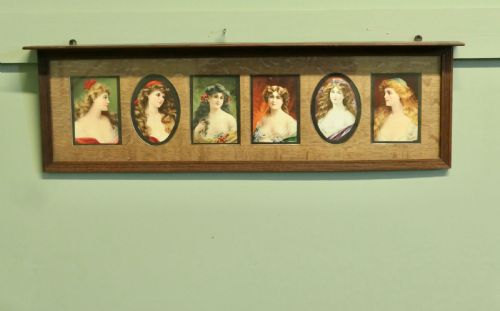
Their compact scale allowed owners to group several family members or historical figures together within decorative arrangements.
What is a plumbago portrait?
A plumbago is a highly detailed monochrome drawing created using graphite, which takes its name from the Latin word for lead.
Artists used this technique to achieve photographic levels of detail in miniature long before the invention of the camera.
How do I date a silhouette?
Silhouettes from the Regency period often incorporate delicate touches of gold leaf, known as gilded silhouettes, or feature distinctive profile cuts of children and animals.
Later Victorian examples typically shift in framing style and card stock, moving toward stamped mounts or simpler wooden frames.
Are painted porcelain plaques fragile?
While the ceramic base is sturdy, the enamel pigments fired onto the surface require protection from heavy knocks and abrasive cleaning materials.
Original glazing usually keeps the painted surface safe from dust and environmental moisture.