

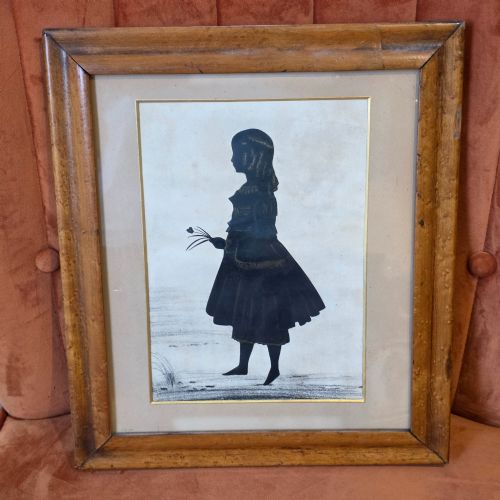
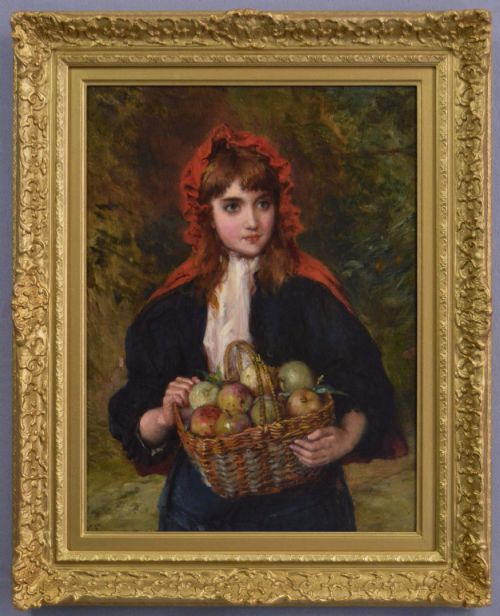
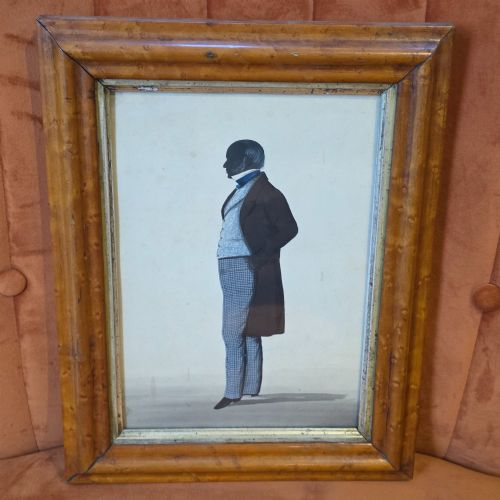
Antique Portrait in Frame
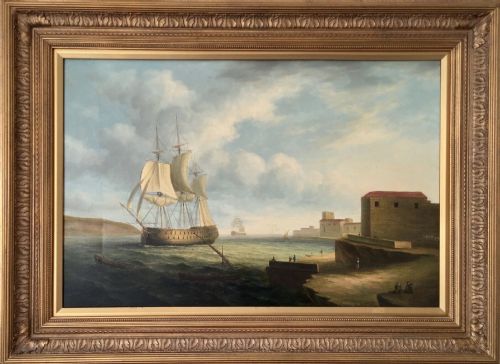
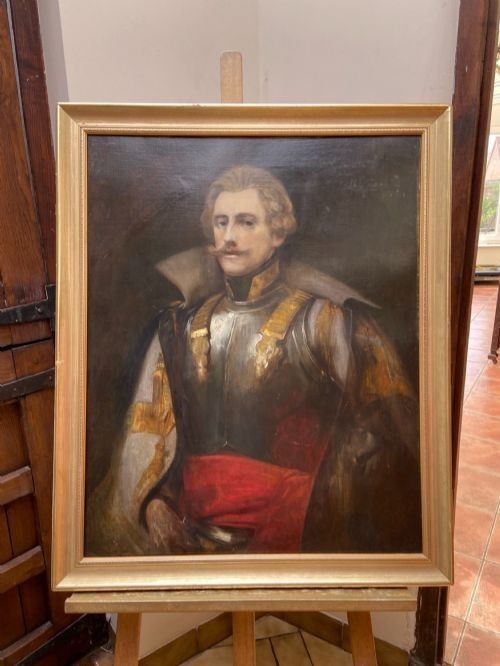
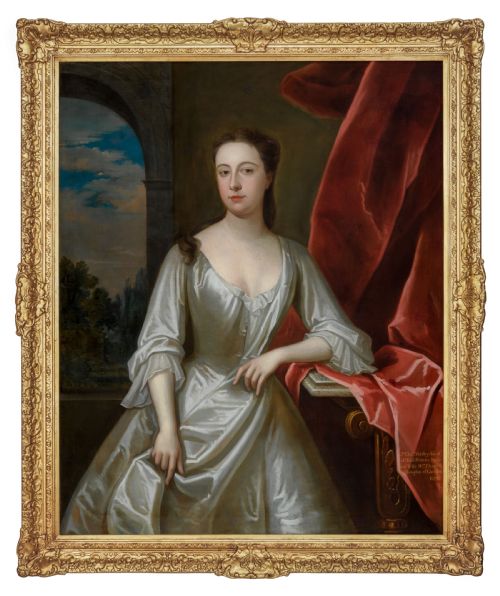
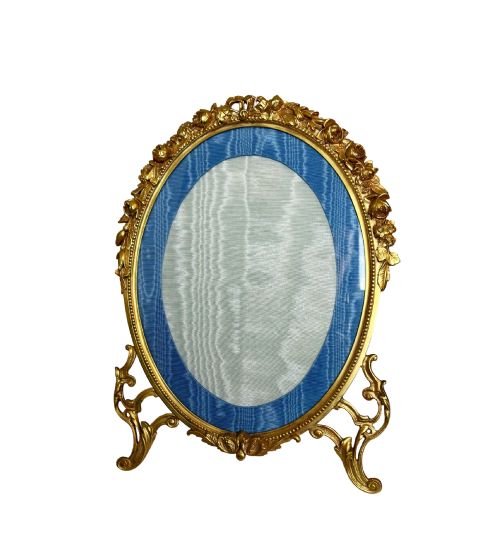
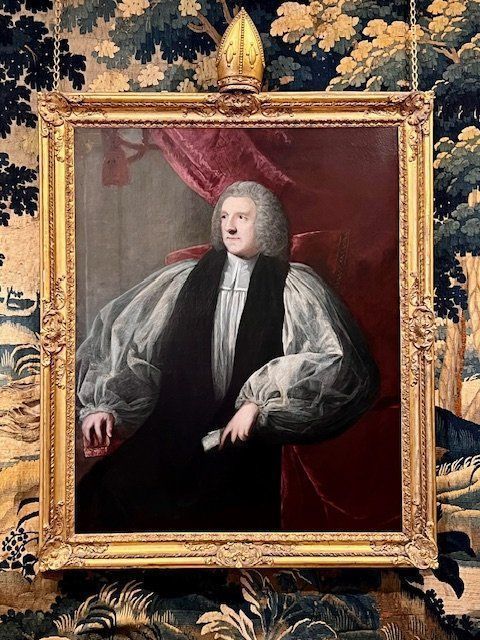
When you search for an antique portrait in frame, you encounter centuries of faces preserved in oil, pastel, and paper.
Antique Portrait in Frame
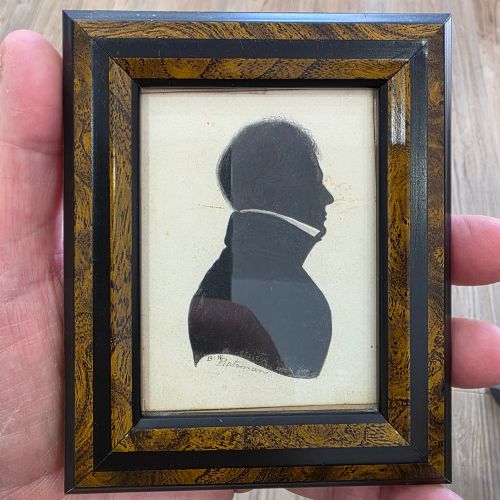
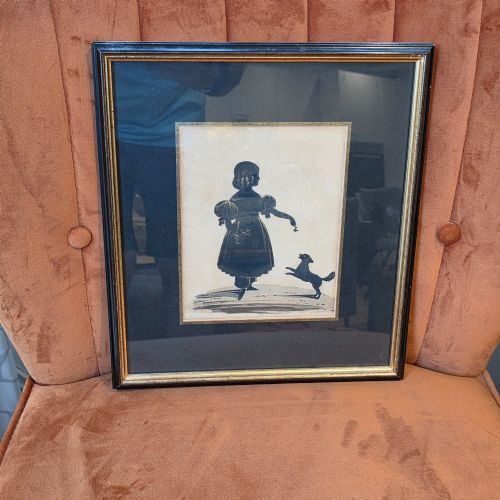
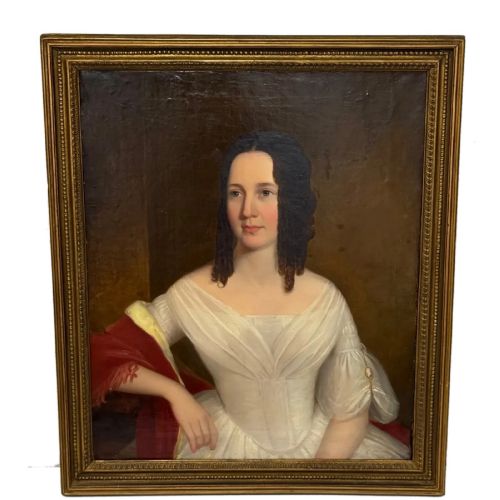
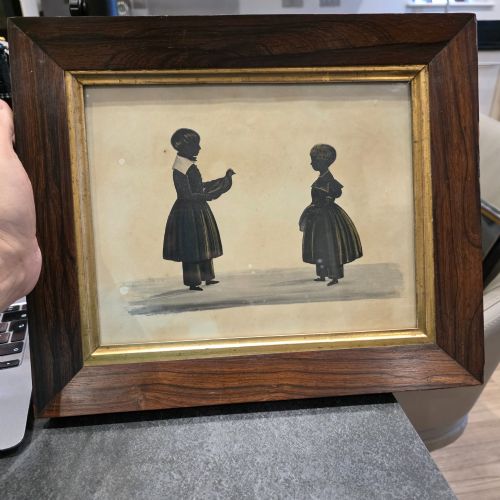
The selections available span from eighteenth-century oil paintings and mezzotints to nineteenth-century silhouettes and miniatures. Works range from intimate domestic studies to formal depictions set within period enclosures.
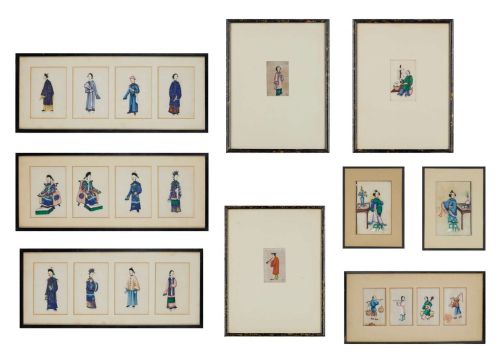
Originating across British, European, and occasionally Asian workshops, these pieces represent diverse social strata from nobility to gentry. Each subject offers a direct window into the aesthetic preferences of historical eras.
Materials and Techniques
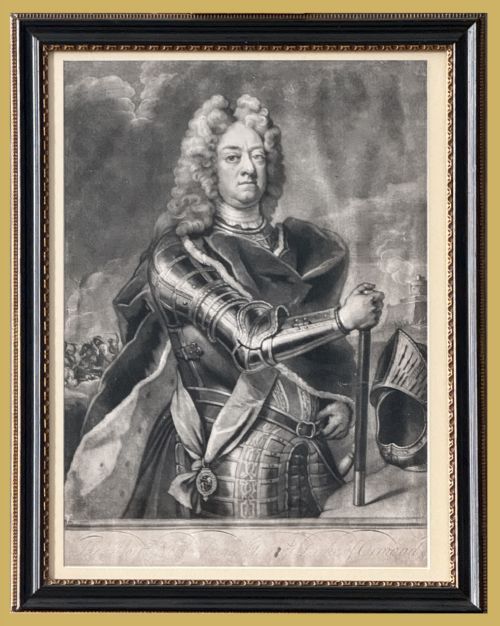
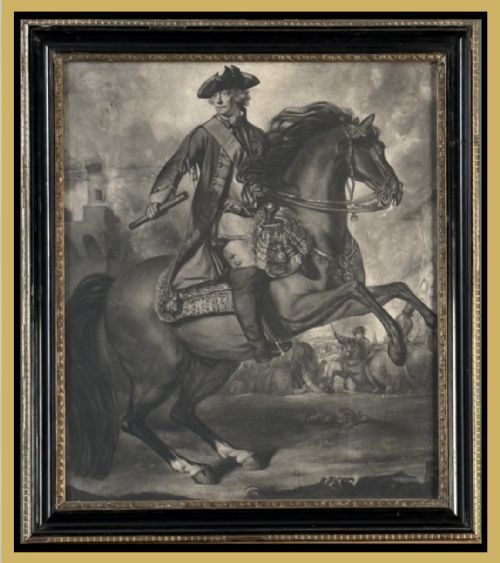
Makers utilised oil paint applied to canvas or wood panel, alongside watercolours and gouache on paper. Printmakers employed the mezzotint technique on copper plates to replicate known painted works with tonal depth.
Silhouettes involved meticulous hand-cutting of black paper, frequently enhanced with watercolour or bronze highlights. Frames combined carved wood, gesso, and gold leaf, or utilised simpler ebonised and birds-eye maple surrounds.
Miniatures were painted on ivory, vellum, or card, preserved beneath protective glass plates. Backing structures relied on traditional joinery to secure the canvas or panel safely within its decorative enclosure.
Materials recorded across the archive include glass, paper, canvas, giltwood, and gold leaf applied to diverse panel and board supports.
Factors of Distinction
Execution skill defines the upper tier, where brushwork or cutting demonstrates precise anatomical understanding and expressive depth. Softer, more mechanical renderings occupy lower tiers with less individual character.
Originality of the pairing between artwork and surround elevates a piece significantly. Elements that retain their primary framing display a cohesive historical integrity missing from later marriages of convenience.
Condition of the medium itself, whether unblemished canvas surfaces or crisp un-faded paper, determines the longevity and visual impact of the depiction.
Sir Godfrey Kneller·Charles Jervas·Michael Dahl·Sir Joshua Reynolds·William James Hubard·William Oliver·Joseph Clover·Leonardo Da Vinci·Francesco Bartolozzi·Maurice Quentin de la Tour·Sir Martin Archer Shee·Bernard Hailstone·Henri Fradelle·Sir James Dromgole Linton·Jean Mariette·Georges de La Tour·Sir Anthony van Dyck·Sir Peter Lely·Pierre Mignard·John Closterman·John Syme
The Antique Portrait in Frame Glossary
- Mezzotint
- A printmaking process where the copper plate is roughened to achieve rich dark tones and subtle gradations of light. This technique was widely utilised in the eighteenth century for translating painted portraits into affordable prints.
- Giltwood
- Wood carved and covered with a thin layer of gold leaf or powder. It provides the brilliant reflective border seen on many formal frames.
- Silhouette
- A portrait profile filled in with a solid dark colour, typically black, cut from paper or painted. It gained immense popularity in the Georgian and Regency periods.
- Pith painting
- Watercolour executed on the spongy pith of the Tetrapanax papyrifer plant. These delicate works originated in China during the nineteenth century.
- Stipple engraving
- A method of printing that uses dots to create tonal variations and soft outlines. Artists utilised this technique during the late eighteenth century for reproducing fine portraits.
Antique Portrait in Frame: Frequently Asked Questions
How do I hang a heavy framed oil portrait safely?
Ensure your wall fixings engage directly with structural studs or utilise appropriate heavy-duty cavity anchors. Substantial giltwood frames require robust picture wire and sturdy brass D-rings secured firmly to the wooden chassis.
Distribute the weight evenly across two separate suspension points rather than a single central hook to keep the artwork stable and level over time.
Are paper silhouettes sensitive to direct sunlight?
Paper and watercolour pigments are highly vulnerable to fading when exposed to ultraviolet light and intense illumination. Position these delicate works away from south-facing windows and direct sunbeams.
Utilising museum-grade glass with UV-blocking properties helps safeguard the paper substrate and pigmented details from irreversible environmental degradation.
How should I clean an antique gilded frame?
Dust the carved surfaces gently using a very soft, dry artist brush or ostrich feather duster. Avoid applying moisture, chemical sprays, or abrasive cloths which can strip away the delicate gold leaf.
If deeper cleaning becomes necessary, consult a professional conservator to prevent accidental damage to the historical gesso and underlying wood.
Can I determine the age from the frame style?
Frames frequently offer reliable chronological clues through their carving styles, joinery methods, and gilding composition. Deeply carved scrollwork often points to Georgian or Victorian periods, whilst simpler ebonised profiles suggest earlier execution.
Keep in mind that artwork and frames were frequently reunited later in their history, so verify construction details on both components independently.