
Antique Portrait Illustration
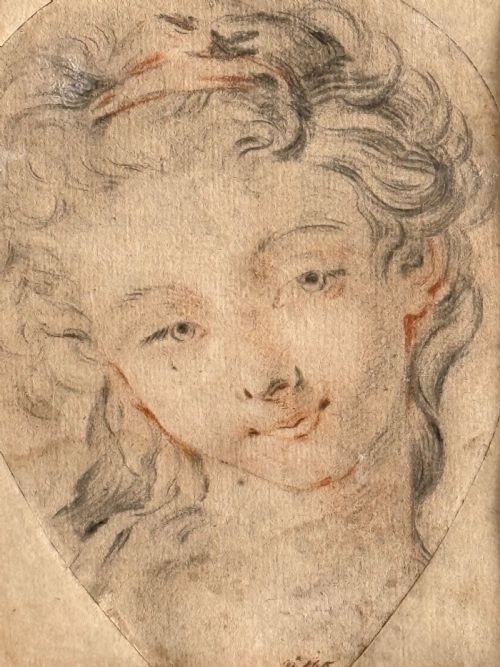
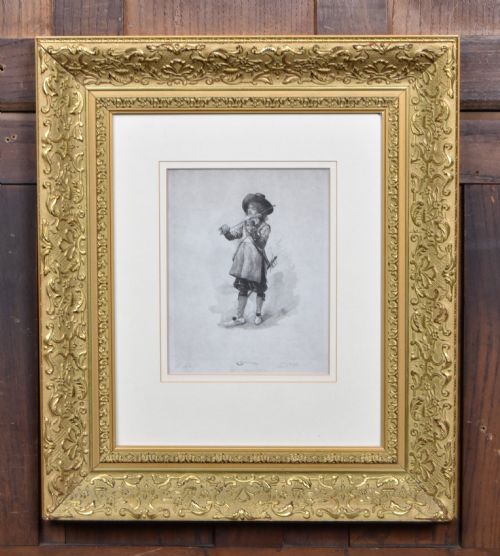
When you search for antique portrait illustration, you look at historical works on paper that capture human and animal subjects across various centuries.
Antique Portrait Illustration
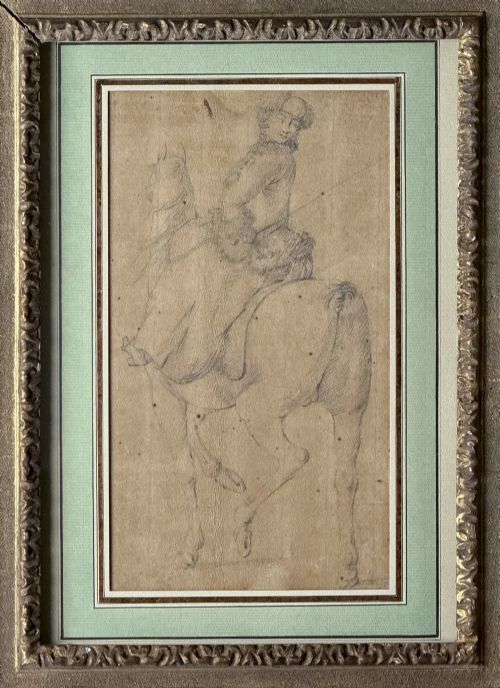
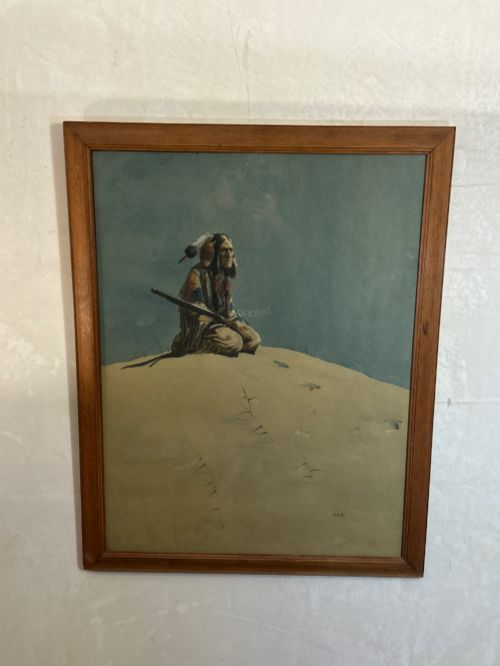
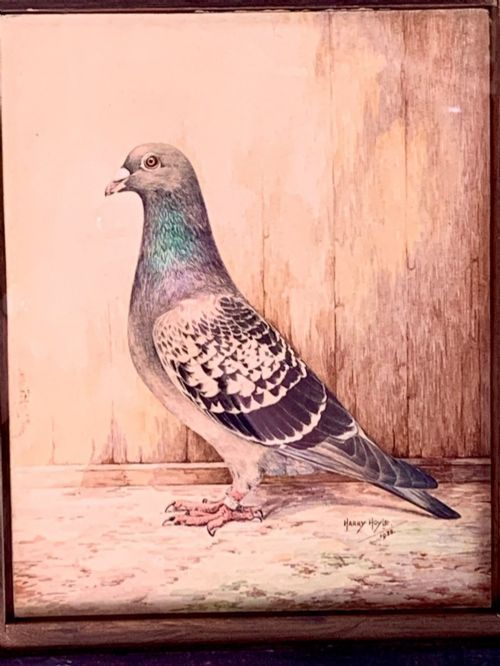
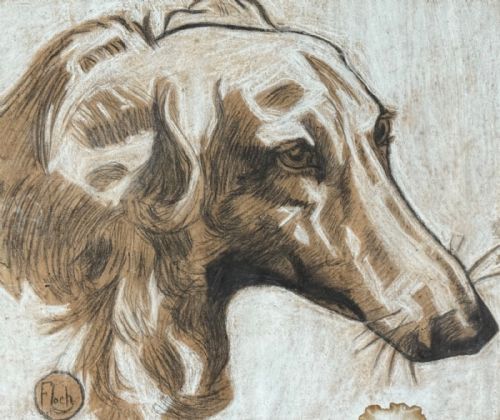
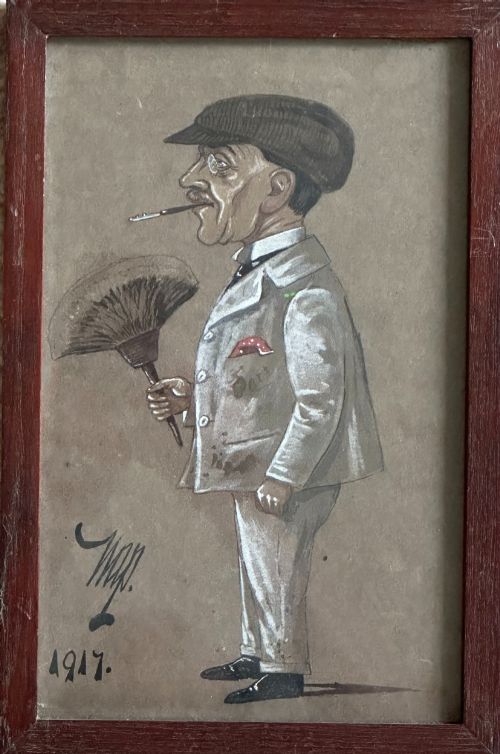
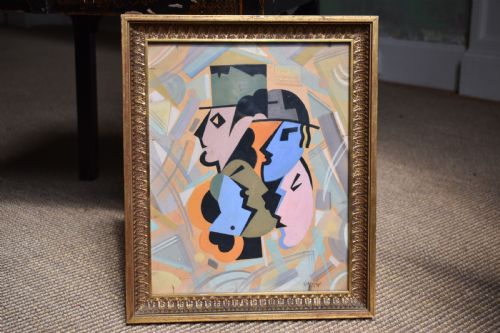
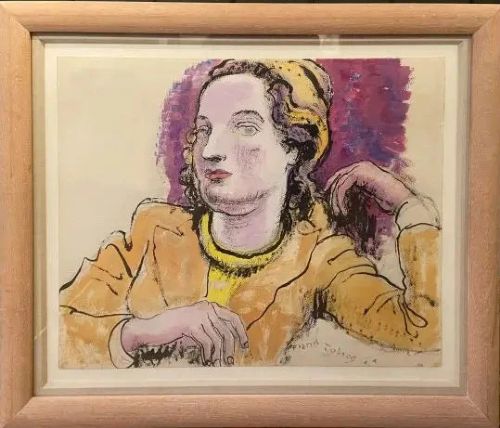
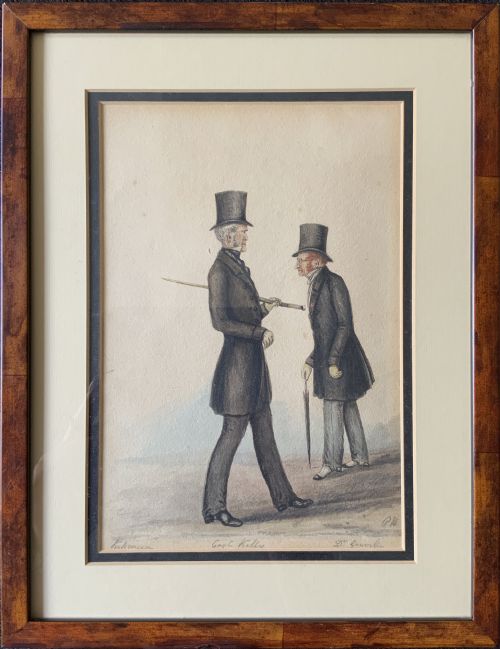
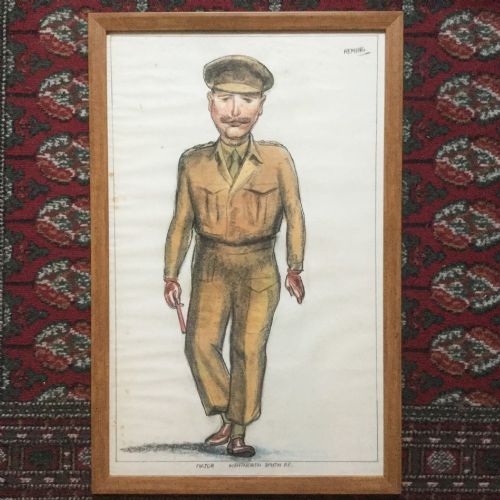
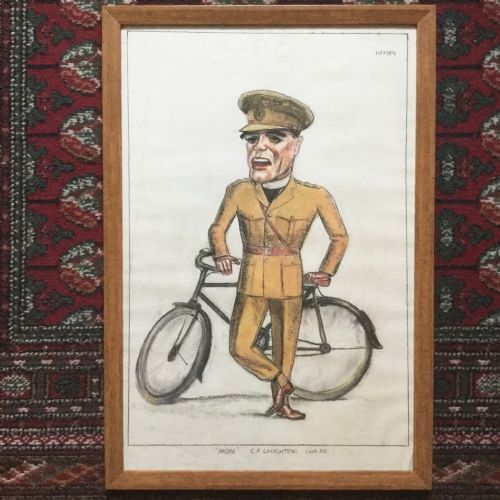
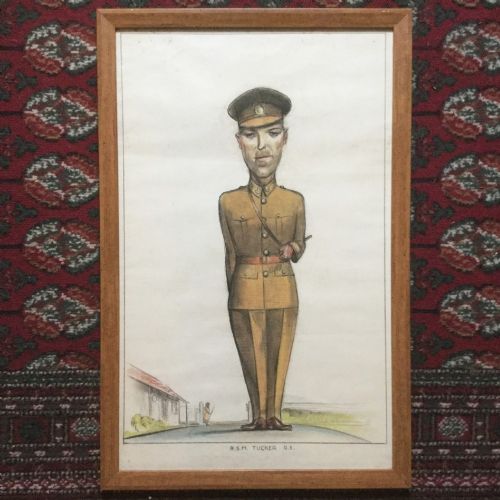
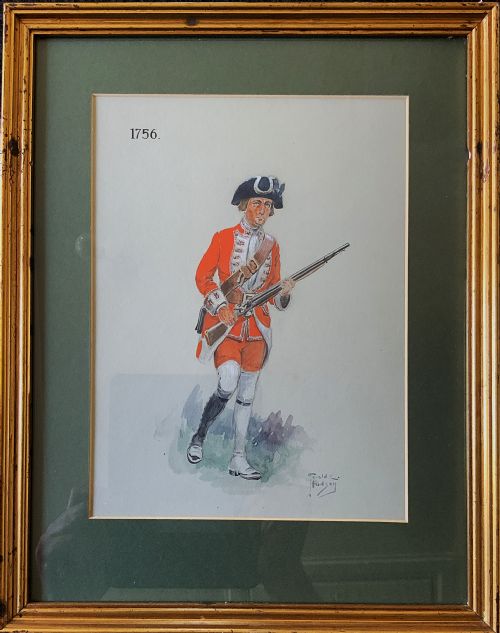
An antique portrait illustration represents a diverse selection of works on paper, framed artwork, and paintings created across multiple periods from the eighteenth century through the mid-twentieth century. Buyers searching this phrase meet everything from Regency-era pencil sketches and Victorian watercolours to early twentieth-century caricatures and interwar military studies.
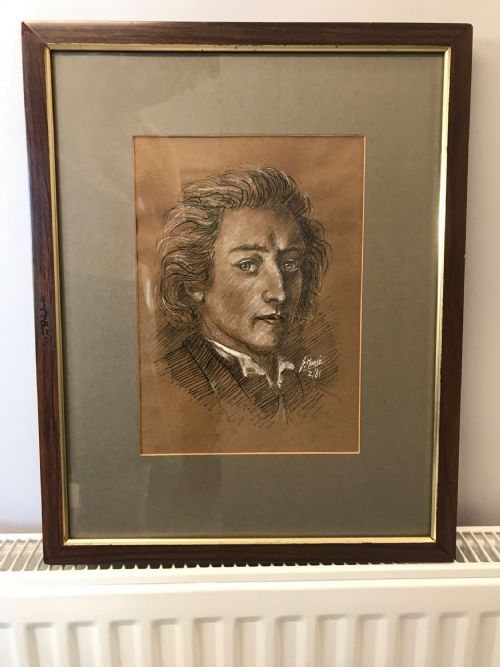
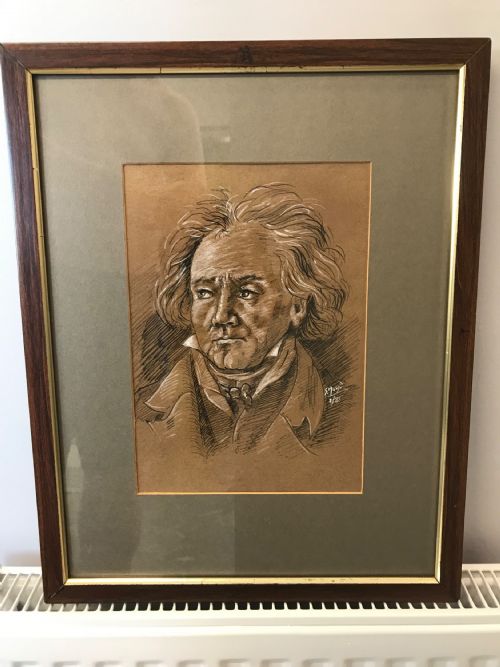
The material forms on this page include framed prints, gouache drawings, charcoal sketches, and hand-coloured etchings. These pieces span distinct stylistic categories such as Georgian, Victorian, Art Deco, and Edwardian, offering visual records of soldiers, composers, animals, and society figures.
How they were made
Artists executed these works using paper supports combined with water-based or dry mediums such as watercolour, ink, gouache, graphite, charcoal, and pastel. Many pieces utilise wash techniques or pen work to build depth, while others employ hand-colouring over etched lines.
Mounting and framing typically involve wood and glass enclosures designed to protect delicate works on paper. The interplay between the chosen pigment - be it opaque gouache or translucent watercolour - and the underlying buff or white paper defines the technical execution of each period.
Several military portraits capture the stern dignity of British soldiers proudly posing alongside their wooden legs.
What varies in quality
Quality in these works rests upon the surety of the draughtsmanship, the expressive capture of the subject, and the preservation of the original pigments. Skilled hand-colouring and confident brushwork distinguish accomplished professional output from simpler naive or derivative pieces.
The physical condition of the paper support and the clarity of the medium also dictate standing. Works that retain their original tonal contrast without excessive fading or paper degradation represent the upper tier of the selection.
John Hassall·Francois Boucher·Louis Icart·Septimus Scott·Georges Goursat·John Duncan Fergusson
The Antique Portrait Illustration Glossary
- Gouache
- An opaque water-based paint that includes a white pigment to create heavier, solid coverage on paper. This medium allows for vibrant highlights and dense colour blocks.
- Etching
- A printmaking technique where lines are bitten into a metal plate with acid before being inked and transferred to paper. Hand-coloured examples receive pigment applied by brush after printing.
- Wash
- A thin, transparent layer of diluted ink or watercolour applied across a drawing to create shadow and tonal depth. Artists often combine wash with pen work for definition.
- Buff paper
- A pale brownish-yellow paper stock frequently utilised in drawing and sketching. This tinted background provides a neutral mid-tone that sets off white highlights and dark ink.
- Naive art
- Work created by an artist without formal academic training, often characterised by flat perspectives and direct charm. These pieces offer unpretentious records of historical subjects.
Antique Portrait Illustration: Frequently Asked Questions
What is an antique portrait illustration?
An antique portrait illustration is a historical work on paper, such as a watercolour, ink drawing, or print, depicting a specific person, animal, or group.
These pieces range from formal artistic studies and military records to satirical caricatures and fashion plates created across several centuries.
How were these illustrations displayed?
Historical portraits on paper were customarily framed behind glass within wooden surrounds to protect the fragile surface from dust and light exposure.
Many period examples retain their original framing materials, which help safeguard the delicate watercolours, pastels, and pencil drawings within.
How do I identify different periods?
Identifying periods involves examining the artistic style, costume details, and framing methods typical of specific eras like the Regency or Art Deco.
Signatures, artist dates, and subject matter - such as interwar ships or eighteenth-century military uniforms - also provide clear chronological markers.
Are these pieces original works?
The selection includes both unique original works, such as watercolours and gouache paintings, and period print illustrations.
Listings clearly distinguish between hand-drawn pieces on paper and contemporary or vintage printed works issued in books or periodicals.