

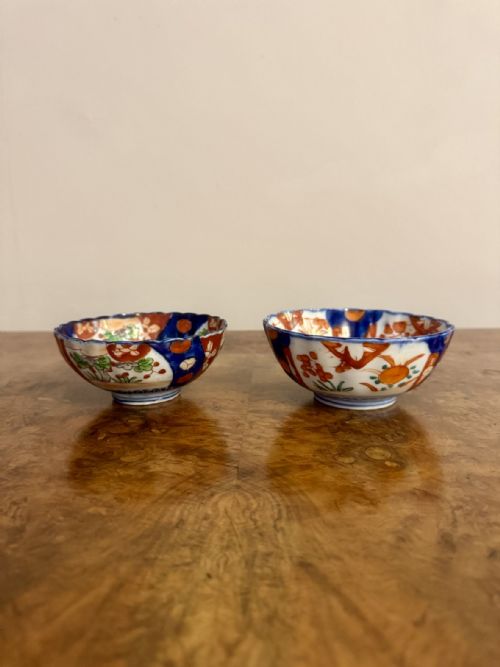


Antique Porcelain Trinket Dish
An antique porcelain trinket dish brings small-scale ceramic artistry to dressing tables and desks, offering refined places to hold rings and pins.

Antique Porcelain Trinket Dish
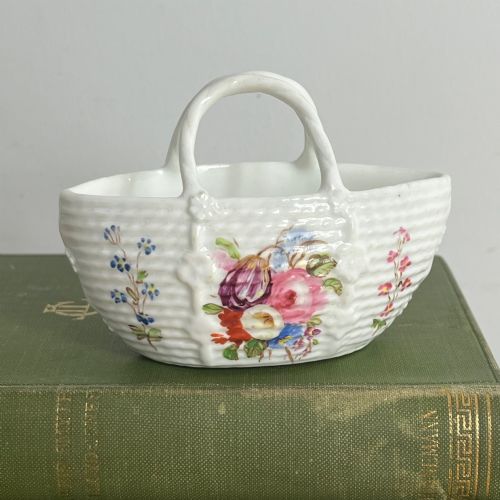
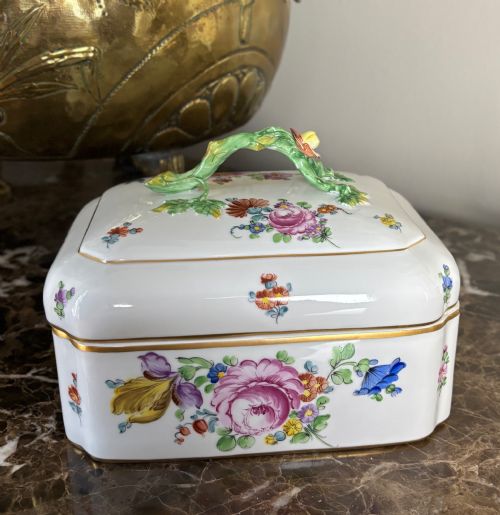
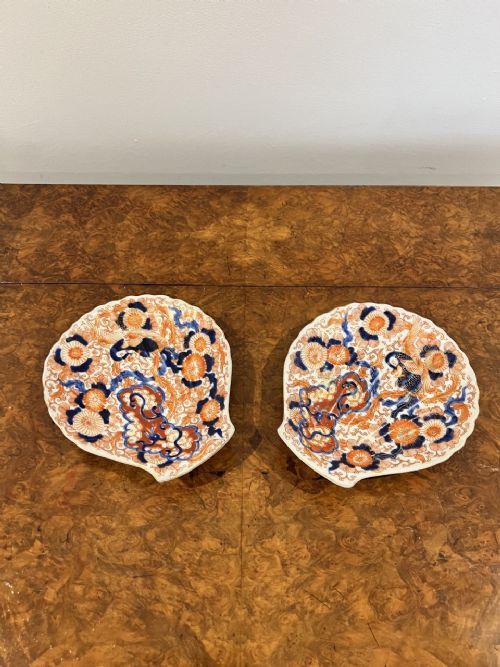
An antique porcelain trinket dish encompasses small decorative trays, bowls, and lidded containers designed for personal items. The selection ranges from nineteenth-century English baskets and Edwardian floral trays to Art Deco powder boxes and Japanese Imari dishes.
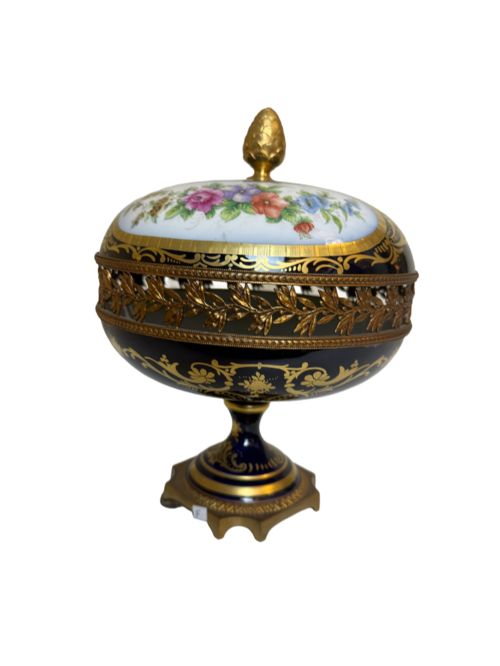
Buyers encounter diverse forms including shell-shaped dishes, rectangular serving trays, and circular lidded boxes. Production spans continental European factories, English potteries, and Japanese export wares created across the nineteenth and early twentieth centuries.
Many items served dressing table functions, holding pins, jewellery, or cosmetic powders. Others functioned as cabinet pieces or small serving trays for visiting cards and sweetmeats.
How they were made
Makers utilised high-fired porcelain and ceramic bodies shaped through moulding or throwing. Glazes provided smooth, impervious surfaces ready for hand-painted botanical sprays, transfer printing, or gilded highlights.
Decoration often involved polychrome enamels fired onto the glaze, combined with gold leaf or gilding applied to rims and handles. Some pieces integrated applied ceramic flowers, moulded animal forms, or metal mounts such as silver enamelling.
Periods represented span from the eighteenth century through the Art Deco and Edwardian eras to the mid-twentieth century.
What varies in quality
The refinement of hand-painted detail distinguishes ordinary production from exceptional pieces. Skilled artists rendered floral sprays, figures, and landscapes with precise brushwork and delicate shading.
The crispness of moulding in shaped dishes, shell forms, and applied elements dictates the overall finish. Heavier gilding and well-preserved enamel colours indicate superior execution by established factories.
Flight Barr And Barr·Paul Muller Selb·Royal Worcester·Carlton Ware·Dresden·Kuznetsov·Meissen·Rockingham·Dorotheenthal·Wedgwood·Duesbury And Kean·Derby·Helena Wolfsohn·Royal Dux·Royal Crown Derby
The Antique Porcelain Trinket Dish Glossary
- Imari
- A style of Japanese export porcelain characterised by underglaze blue and iron-red designs enriched with gold. This decorative scheme influenced European ceramic production significantly.
- Potpourri
- A mixture of dried petals and spices held in a lidded bowl to scent a room. Perforated covers allowed the fragrance to circulate.
- Lustre
- A metallic glaze technique that produces an iridescent, reflective surface sheen. Wedgwood utilised this method extensively on miniature bowls.
- Vide poche
- French term meaning empty pocket, describing small dishes placed in hallways or rooms for loose items. These items frequently took figurative forms such as maidens leaning on shells.
Antique Porcelain Trinket Dish: Frequently Asked Questions
What were antique trinket dishes used for?
These small dishes held rings, pins, and personal trinkets on dressing tables and boudoirs.
They also served as calling card trays or small containers for sweetmeats in formal reception rooms.
What is a powder box?
Powder boxes are lidded ceramic containers designed to hold cosmetic face powder on dressing tables.
Twentieth-century examples often feature decorative figures, flapper motifs, or half-doll lids popular during the Art Deco era.
How should I care for gilded porcelain?
Gilded porcelain requires gentle cleaning with lukewarm water and a soft cloth to protect delicate gold leaf.
Avoid harsh abrasives and soaking, as historic enamels and gilt edges can wear away over time.