
Antique Porcelain Lid
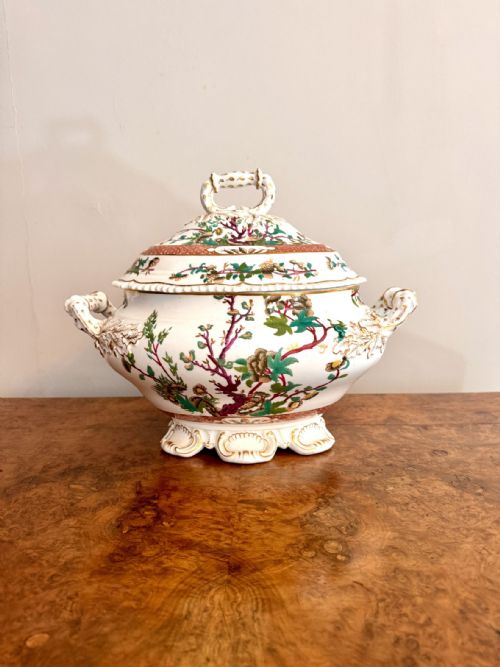
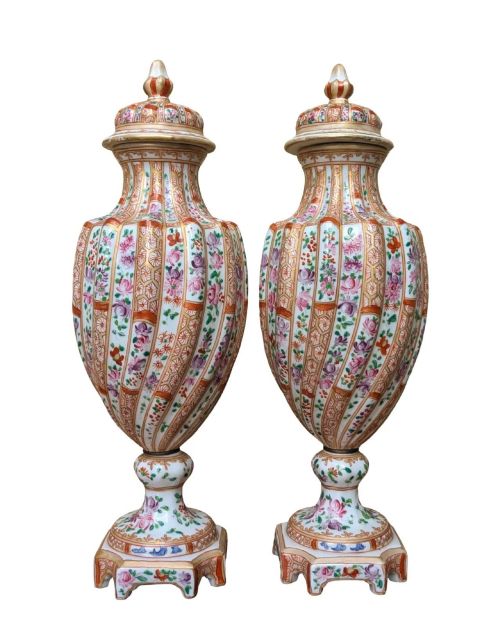
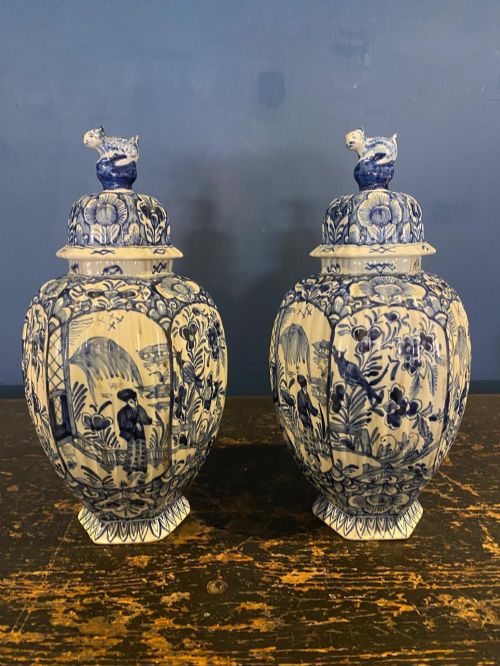
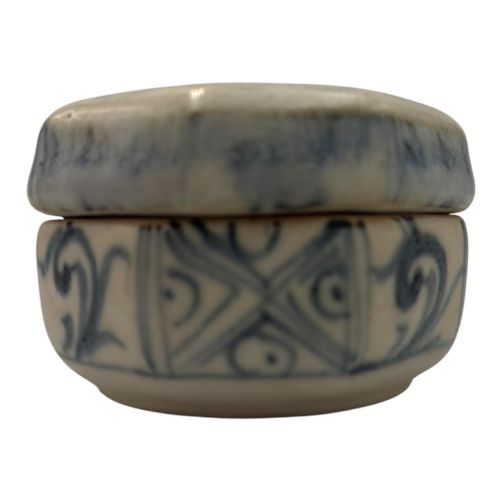
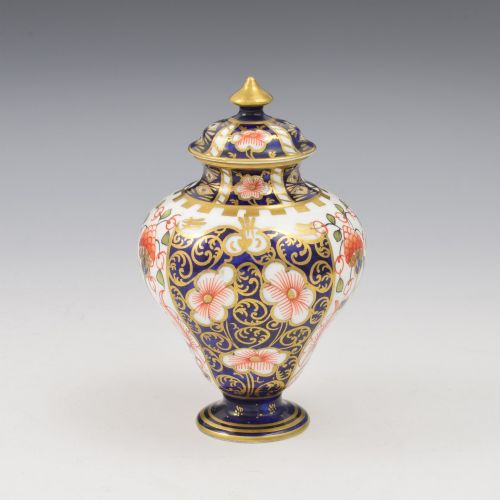
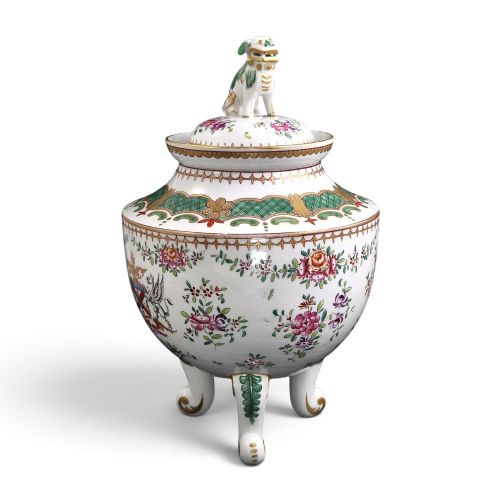
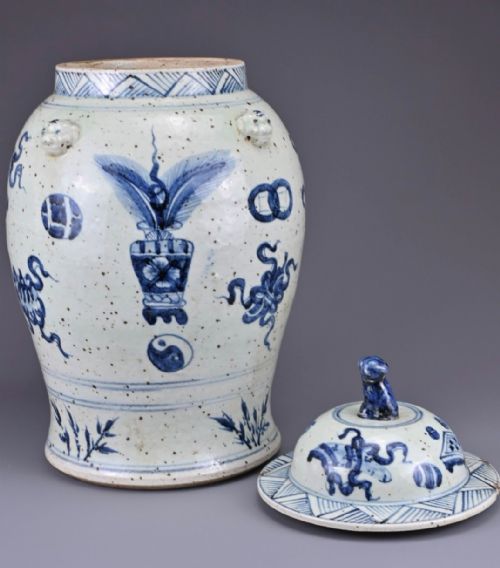
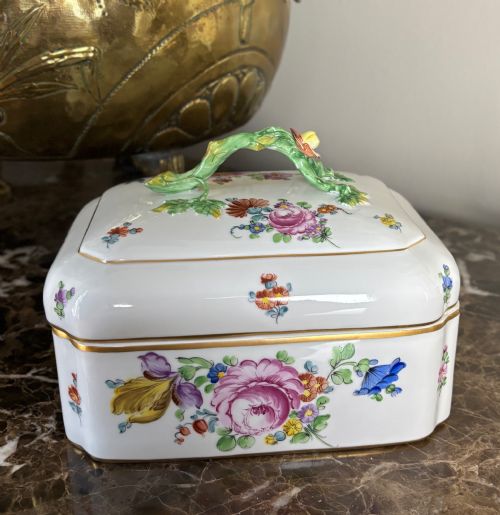
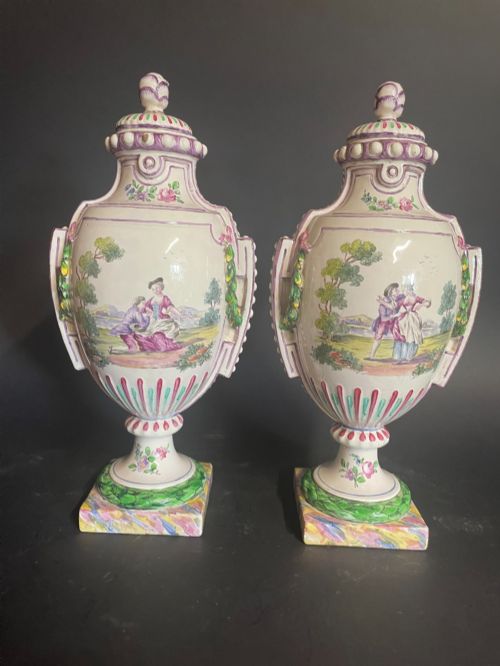
An antique porcelain lid sits atop a covered vessel, bringing together ceramic skill and decorative finish from centuries past.
Antique Porcelain Lid
An antique porcelain lid belongs to a larger vessel such as a lidded jar, tureen, sugar bowl, or covered vase. When searching for this phrase, collectors encounter components and complete covered pieces originating across the eighteenth, nineteenth, and early twentieth centuries.
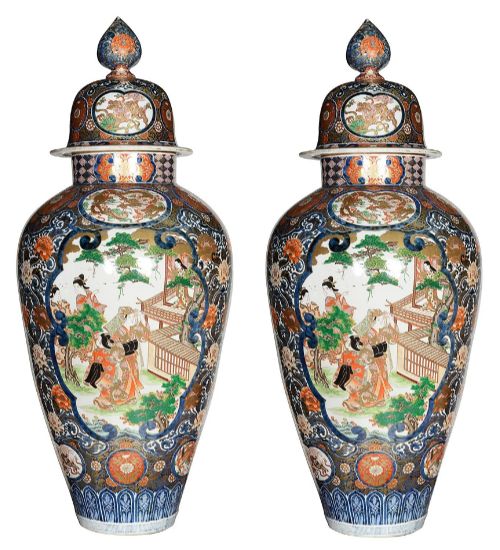
The selections span English factories like Royal Crown Derby and Worcester alongside continental European houses including Vienna, Dresden, and Sevres, plus Japanese Imari and Chinese export wares.
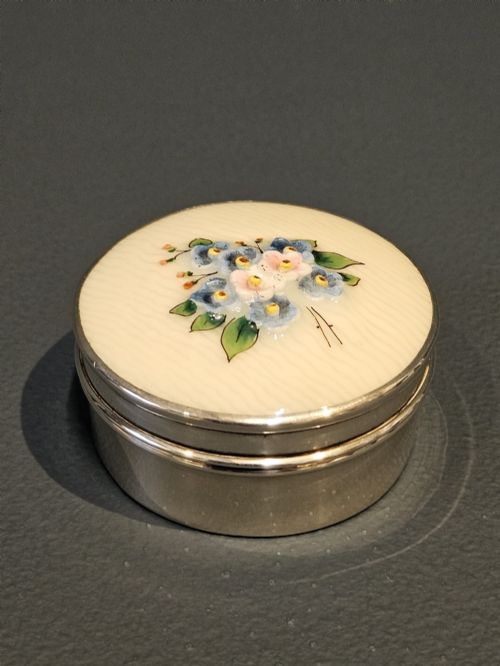
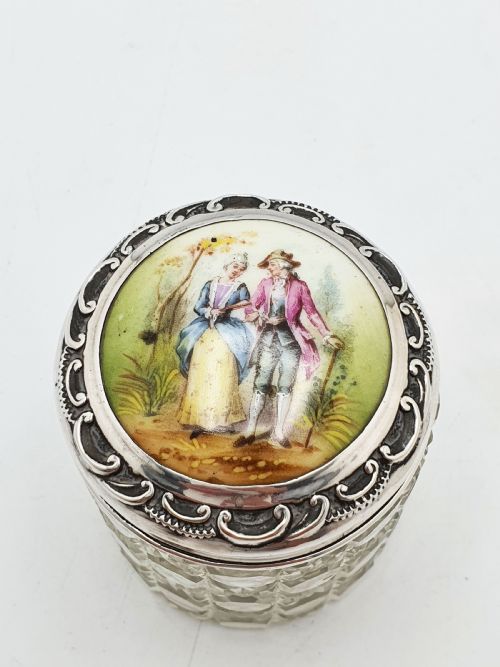
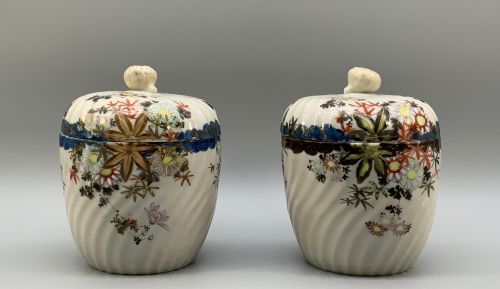
Forms range from miniature potpourri pots and vanity jars to large palace vases and kitchen apothecary jars, reflecting diverse domestic and decorative uses.
How they were made
Potters shaped ceramic clay and porcelain bodies on wheels or in moulds before firing at high temperatures. Artisans then applied tin glazes, enamel colours, and underglaze blue painting.
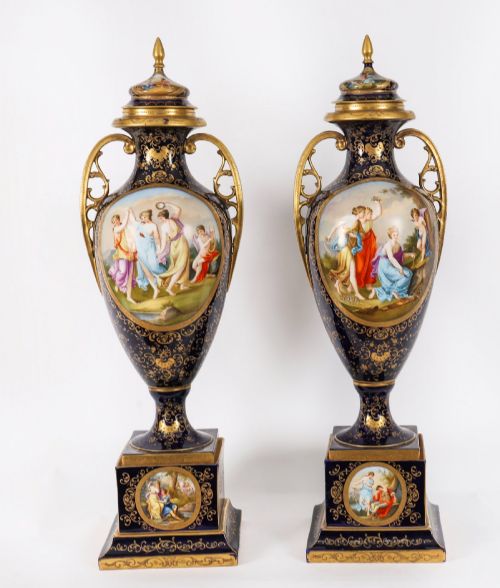
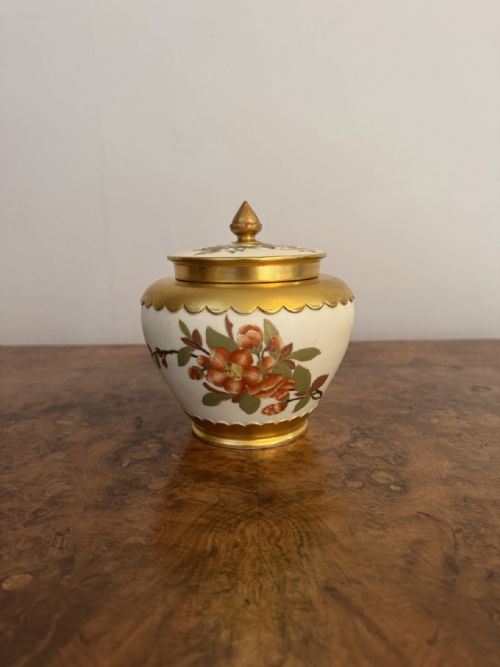
Many items received hand-painted details, transfer printing, and delicate applications of gold leaf and gilding to accentuate handles, rims, and finials.
Listings feature eighteenth and nineteenth-century porcelain alongside tin-glazed earthenware and stoneware from English, European, and Asian origins.
What varies in quality
The refinement of the ceramic body and the precision of the porcelain moulding dictate the underlying standard of a piece. Finer examples display thin, even walls and crisp architectural or organic forms.
Painted decoration separates standard production from exceptional artistry. Skilled hand-painting, well-preserved gold leaf, and clean enamel registration demonstrate superior execution by the decorator.
Edme Samson·Royal Crown Derby·Royal Worcester·Chamberlain Worcester·Spode·Meissen
The Antique Porcelain Lid Glossary
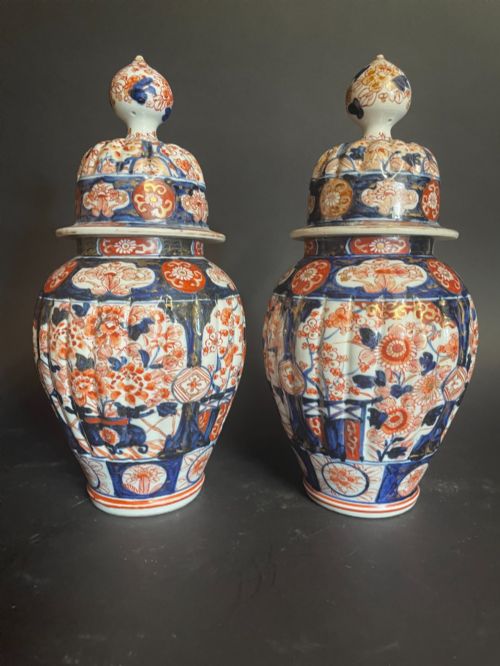
- Imari
- A style of Japanese porcelain featuring a palette of underglaze blue, iron red, and gold, widely copied by European factories.
- Tureen
- A deep covered bowl used for serving soups, stews, or sauces at the dining table.
- Potpourri
- A jar or vase with a pierced lid designed to hold dried flowers and scented spices for room fragrance.
- Sucrier
- A small covered bowl or sugar box made to hold sugar for tea service.
- Gilding
- The application of gold leaf or powdered gold suspended in a medium onto the ceramic surface for decorative accent.
Antique Porcelain Lid: Frequently Asked Questions
What vessels used these lids?
These covers belong to hollow vessels designed to contain food, liquids, or dry goods. Common containers include sugar bowls, tureens, tea sets, and large decorative jars.
Smaller examples cap vanity jars and trinket boxes, while larger counterparts secure palace urns and potpourri pots.
How do I identify the period?
Dating relies on examining the paste, glaze characteristics, and factory marks stamped or painted underneath. Eighteenth-century pieces often show softer paste bodies and hand-poured glazes.
Nineteenth-century items frequently exhibit sharper transfer printing, regular factory marks, and more vibrant Victorian or revivalist enamel palettes.
Are lids usually original?
Matching a cover to its base requires careful comparison of the ceramic paste, white ground colour, and decorative motifs. Hand-painted elements should align naturally across the join between lid and body.
Slight variations in firing shrinkage or gilding wear often indicate whether a component belongs to the original vessel.
How do I care for antique porcelain?
Display these ceramics away from direct sunlight and areas subject to sudden temperature fluctuations. Dust gently with a soft dry brush rather than washing.
Avoid using chemical cleaning agents, particularly on pieces with delicate enamel painting or applied gold leaf.