
Antique Porcelain Jars
When you handle antique porcelain jars, you hold centuries of ceramic artistry shaped by diverse global traditions.
Antique Porcelain Jars
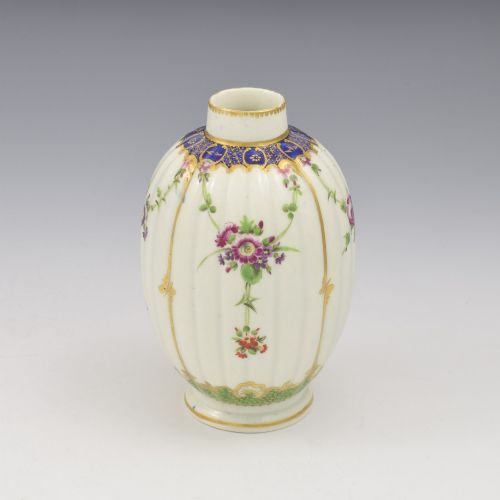
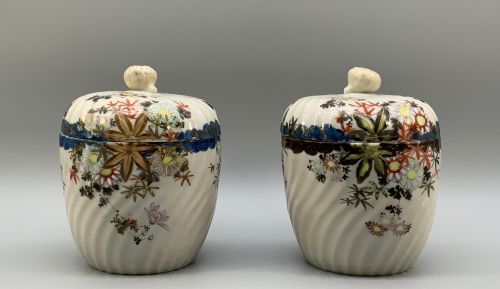
Antique porcelain jars encompass ginger jars, lidded pots, tea canisters, and potpourri vessels produced across European and Asian kilns. Buyers seeking these pieces will encounter significant variety in form and origin, spanning centuries of global trade and domestic production.
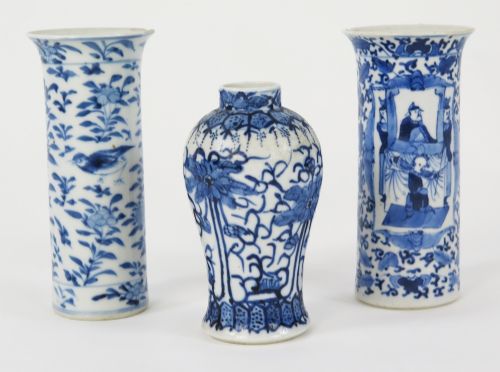
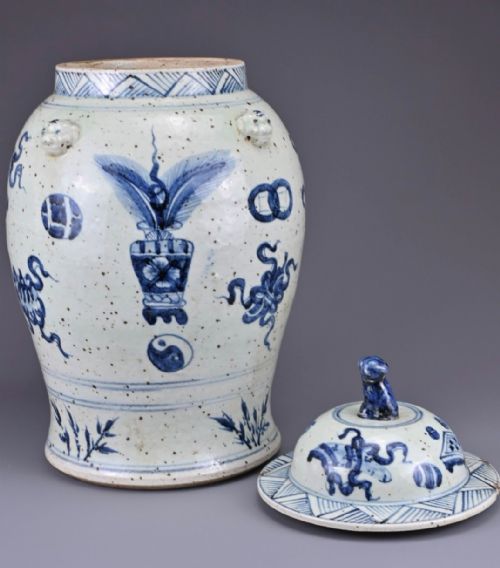
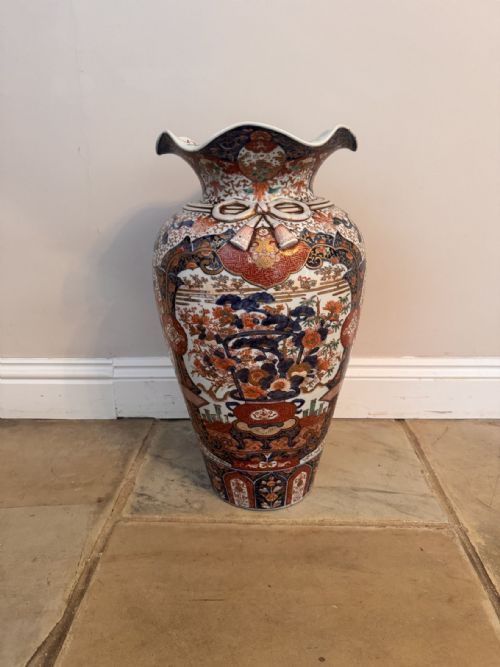
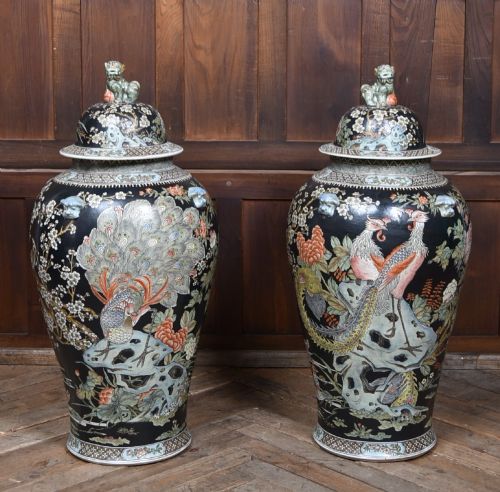
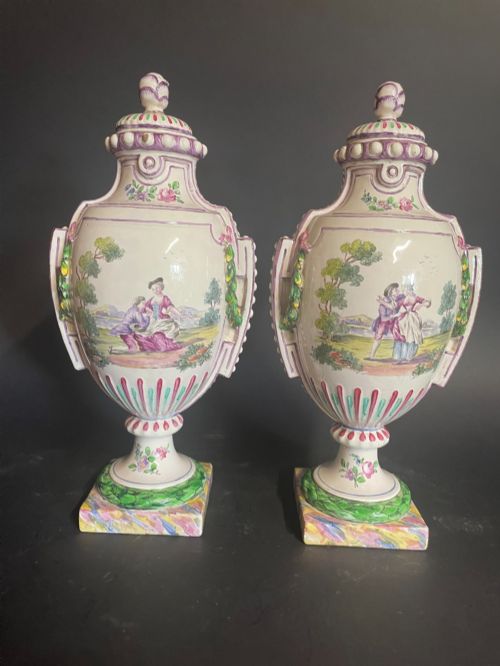
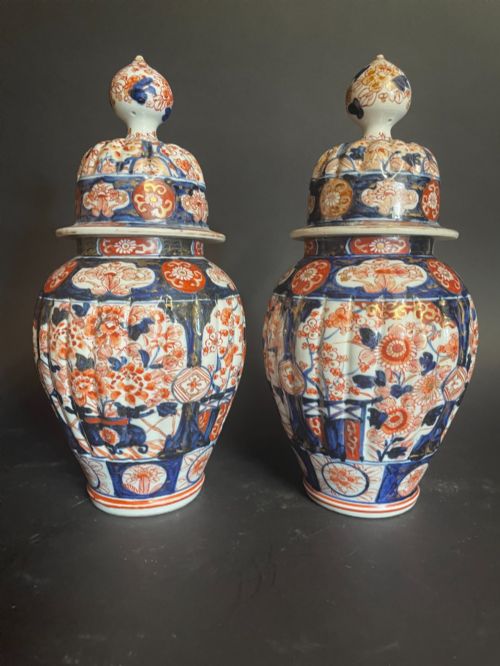
The selections available on this page lean heavily toward nineteenth-century Japanese Imari wares, eighteenth-century Chinese export pieces, and Victorian British factory productions. These items range from utilitarian apothecary containers to grand decorative vases and covered urns.
Originating from periods such as the Qing Dynasty, Meiji period, and the Victorian era, these vessels reflect the aesthetic preferences of their respective eras. Collectors evaluate them through their specific historical context, form, and decorative motifs.
How they were made
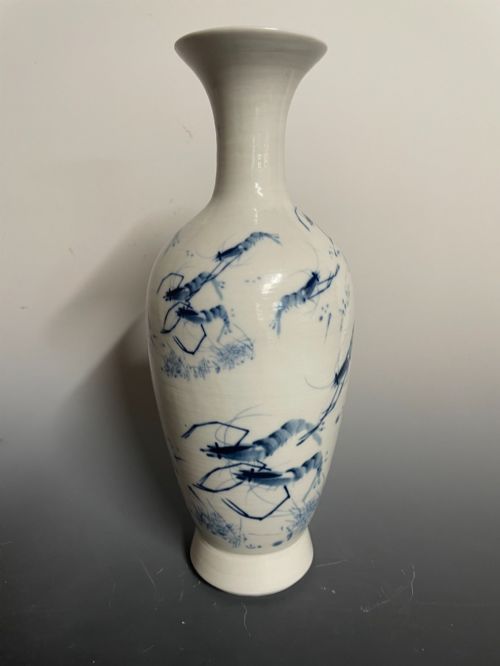
Potters shaped fine ceramic clay on the wheel or pressed it into moulds, creating bulbous forms, vases, and lidded jars before initial firing. Artisans then applied underglaze blue, hand-painted polychrome enamel details, or transfer printing to the surface.
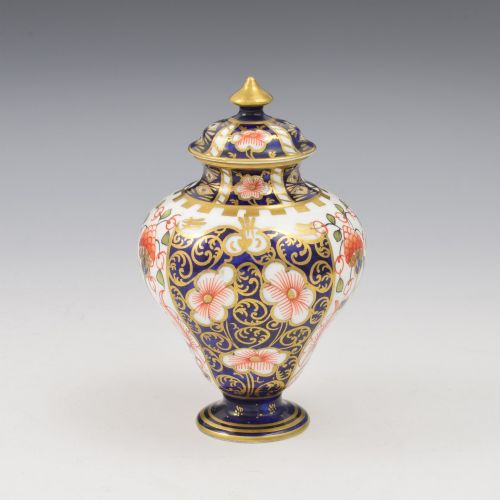
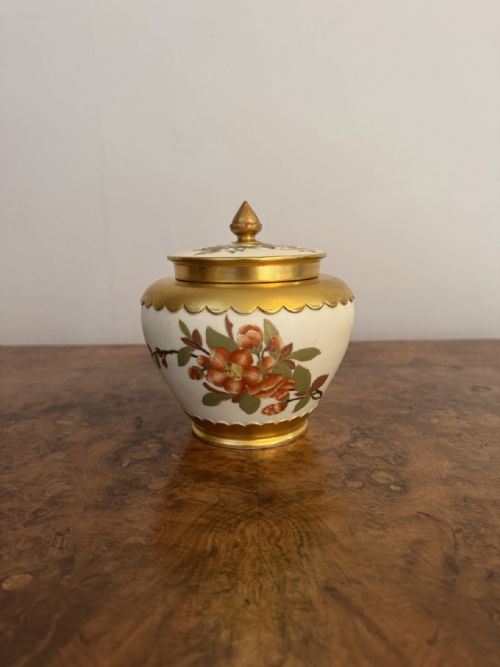
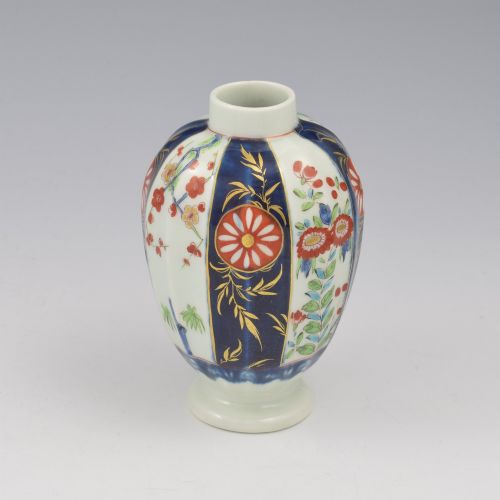
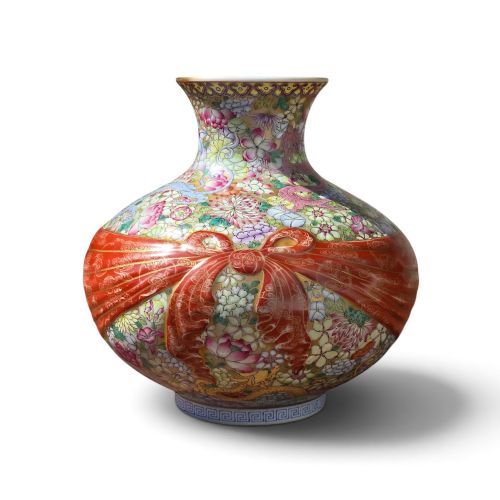
Many high-grade specimens incorporate supplementary decorative techniques, including gilt and gold leaf highlights applied over the glaze and fired again. Specific workshops utilised specialised finishes such as blush ivory glazes, scale blue grounds, and iron-red ribbons.
Listings span the eighteenth, nineteenth, and early twentieth centuries, incorporating earthenware, ceramic, and porcelain bodies enhanced with glaze and gold leaf.
What varies in quality
The standard of antique porcelain jars rests upon the precision of the hand-painted decoration and the clarity of the underlying ceramic body. Superior examples display crisp brushwork, balanced polychrome palettes, and cleanly potted forms without major distortion from the kiln.
Provenance and factory attribution dictate the upper tiers of the market, particularly pieces bearing marks from notable periods or recognised makers like Royal Worcester and Dr Wall Worcester. The integration of supplementary elements such as original matching covers and well-preserved gilding elevates individual items.
Royal Crown Derby·Samson Paris·Dr Wall Worcester·Royal Worcester·Sitzendorf·Sceaux Faience·Booths Silicon China·Dresden Porcelain·Fukagawa
The Antique Porcelain Jars Glossary
- Imari
- A style of Japanese porcelain featuring a palette of underglaze blue, iron-red, and gilt highlights. This aesthetic originated in Arita and heavily influenced European ceramic design.
- Famille Rose
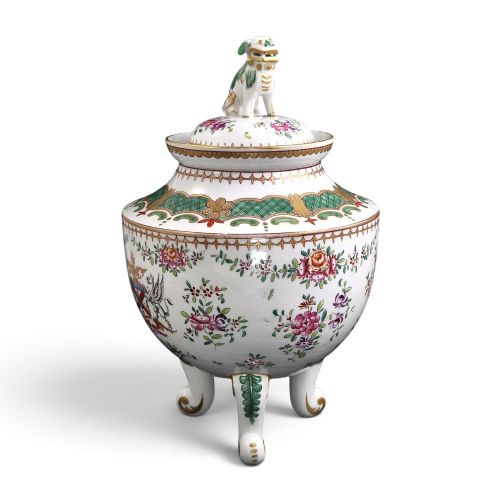
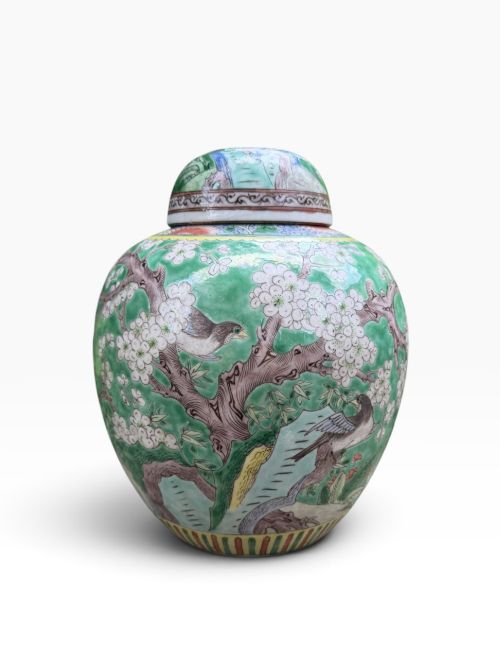
- A major palette of Chinese ceramic enamels introduced in the Qing dynasty, dominated by opaque pink or rose colours. The style depicts elaborate scenes of birds, flowers, and figures.
- Ginger Jar
- A wide-mouthed, bulbous storage vessel originally used for shipping spices and preserved ginger in bulk. Later examples served purely decorative functions within domestic interiors.
- Potpourri
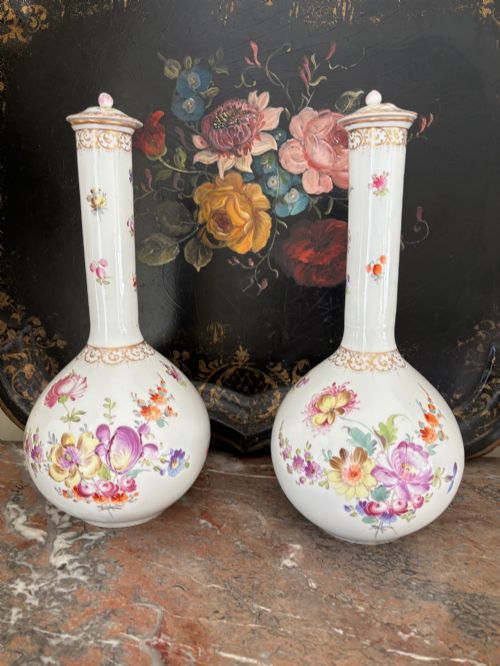
- A lidded vessel perforated to diffuse the scent of dried flowers and aromatic spices placed inside. These containers often feature intricate hand-painted floral motifs or moulded exterior decoration.
- Chinoiserie
- European artistic styles reflecting Chinese decorative motifs and cultural themes. This aesthetic flourished across eighteenth- and nineteenth-century porcelain production.
Antique Porcelain Jars: Frequently Asked Questions
How were antique ginger jars used?
Originally manufactured to store and transport spices, ginger, and oil, these vessels eventually transitioned into purely decorative interior objects.
During the nineteenth century, households displayed them on mantelpieces and in cabinets as symbols of refined taste and global trade connections.
How do I date a porcelain jar?
Dating relies on examining the base for factory marks, reign characters, and potter stamps, alongside assessing the characteristics of the glaze and paste.
Stylistic indicators such as colour palettes, potting techniques, and the presence of hand-painting versus transfer printing help narrow down the period of manufacture.
How should I clean antique porcelain?
Dust these vessels gently with a soft, dry brush to prevent the accumulation of particles on delicate painted surfaces and gilt highlights.
Avoid submerging pieces with old repairs or exposed earthenware bodies in water, as moisture can penetrate porous ceramics and weaken historical adhesives.