
Antique Porcelain Ceramic
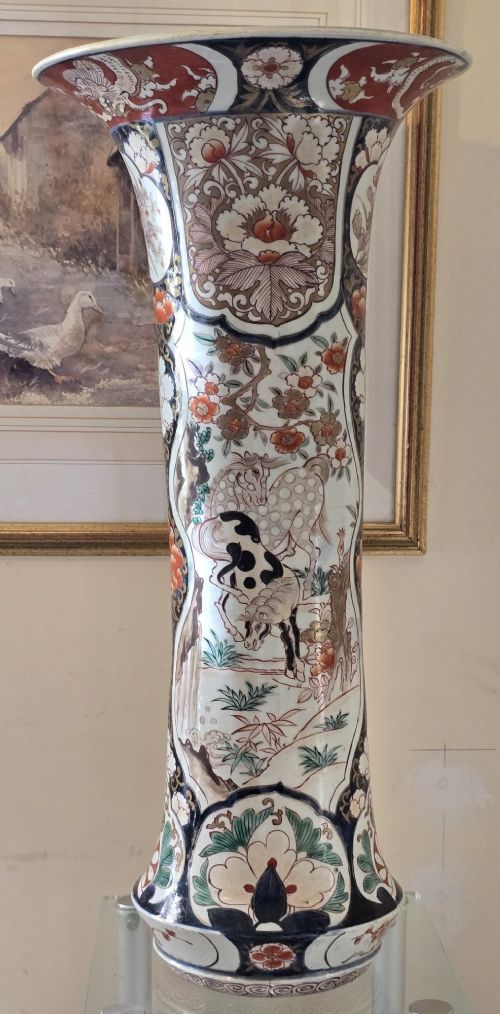
These antique porcelain ceramic pieces range from eighteenth-century English teapots to large Japanese Imari vases, offering historical fired forms for collectors.
Antique Porcelain Ceramic
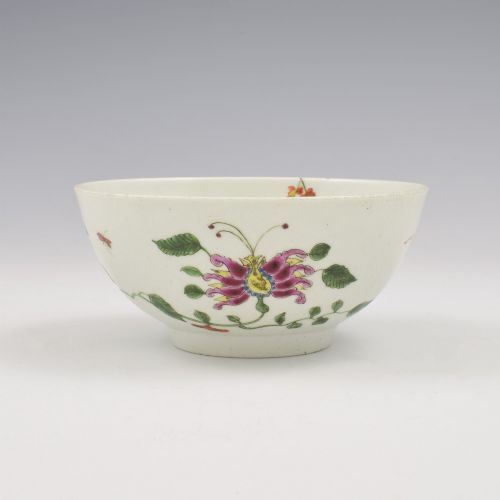
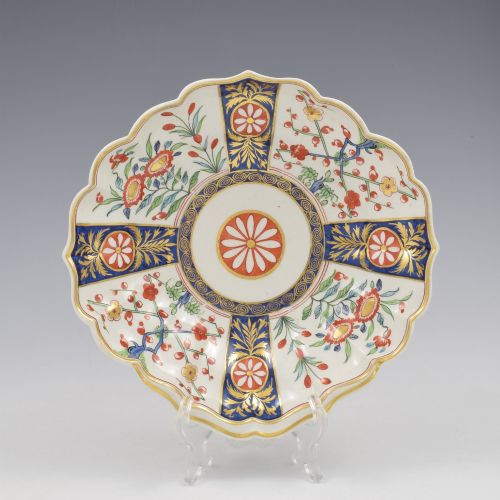
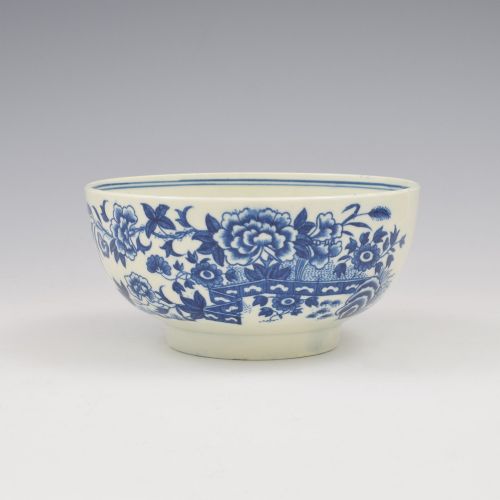
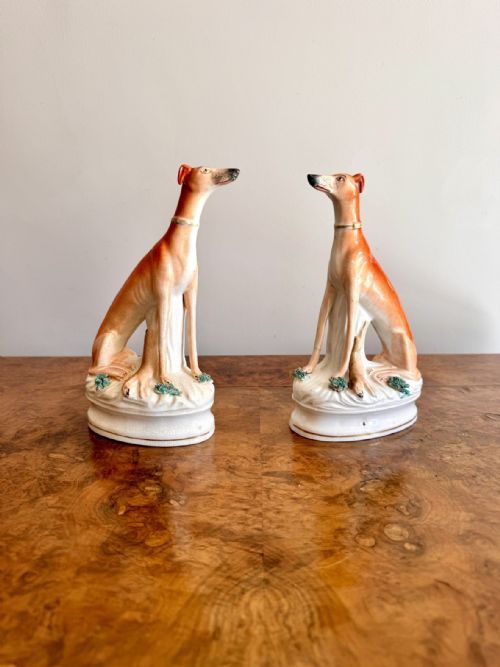
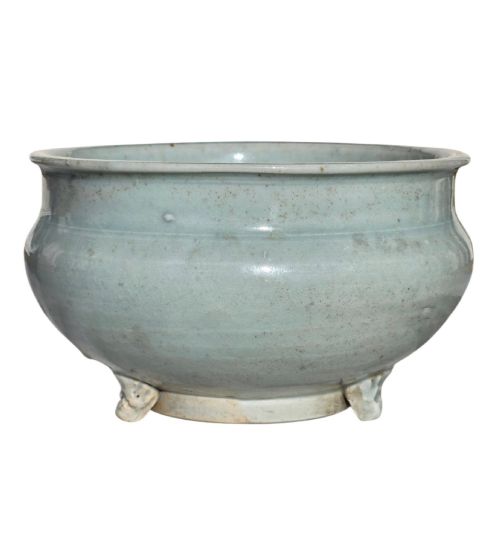
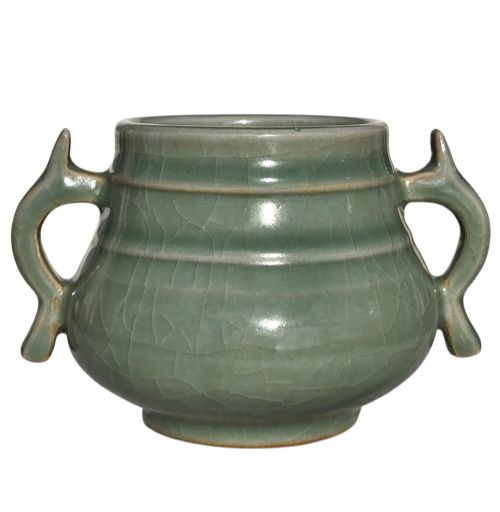
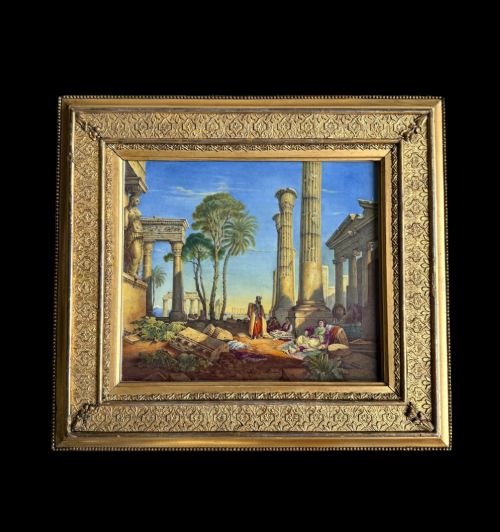
When you search for antique porcelain ceramic items, you encounter a diverse selection spanning centuries, featuring utilitarian vessels, decorative vases, and painted plaques. The pieces originate from English factories, European manufactories, and Asian kilns, representing distinct regional traditions.
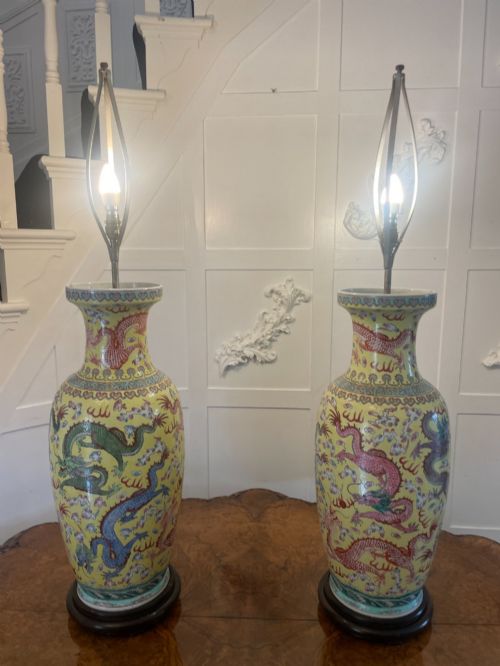
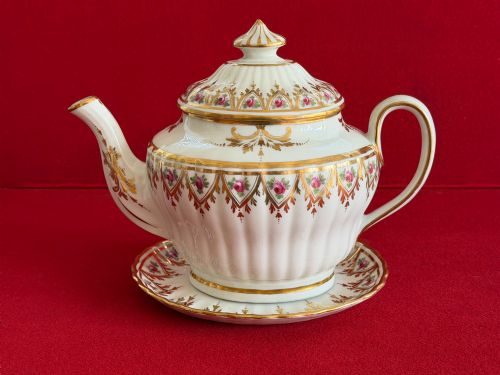
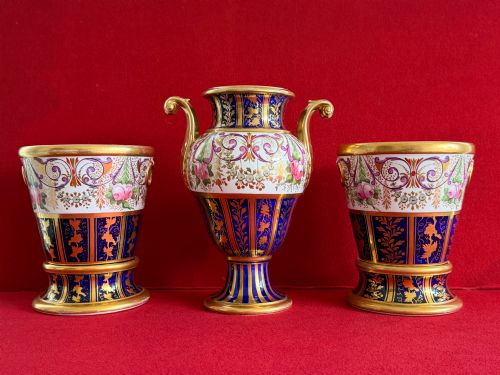
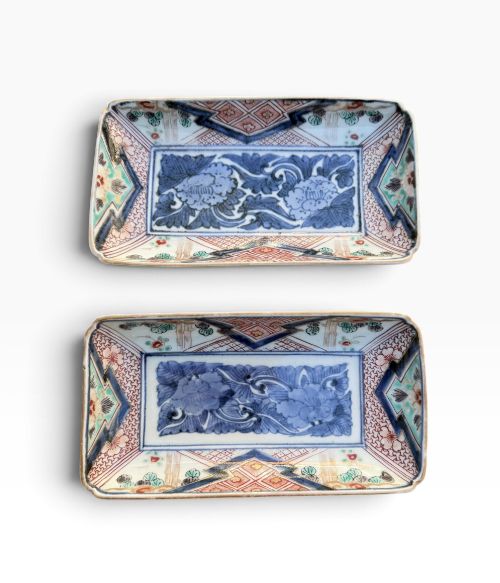
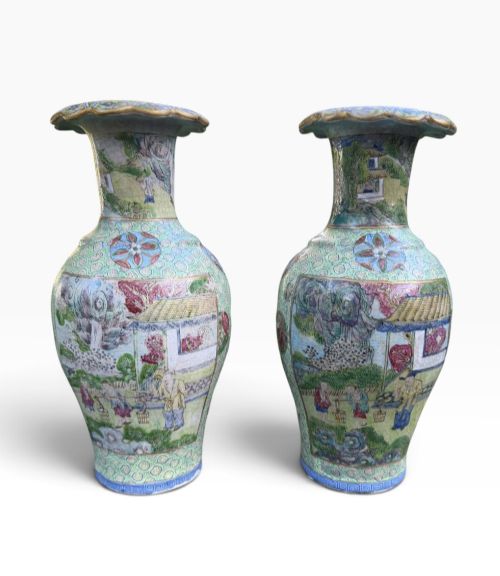
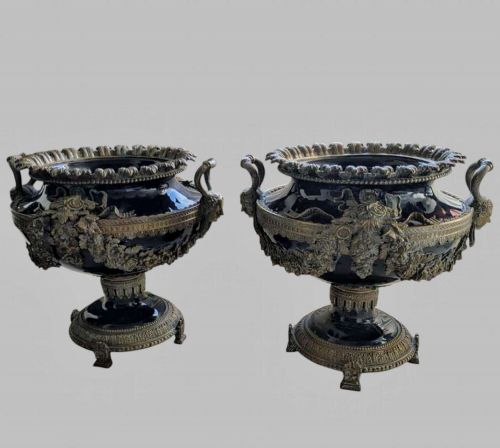
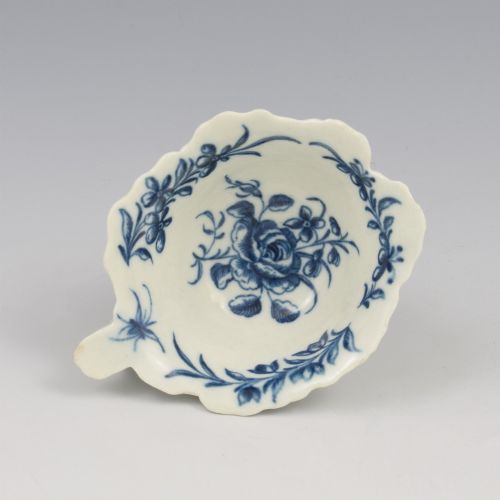
The most common forms on this page include vases, decorative dishes, table lamps, and tea wares. These encompass Georgian English teapots, nineteenth-century French jardinières, and Edo or Meiji period Japanese porcelain.
Examples stretch from seventeenth-century Dutch Delftware and Chinese Kraak chargers to Victorian tureens and twentieth-century Satsuma items. Each category reflects the prevailing aesthetic and technical standards of its period and origin.
How they were made
The physical objects rely on refined clay bodies shaped by hand or on the potter's wheel before undergoing high-temperature firing. Potters utilised porcelain, stoneware, and faience pastes to achieve durable structures.
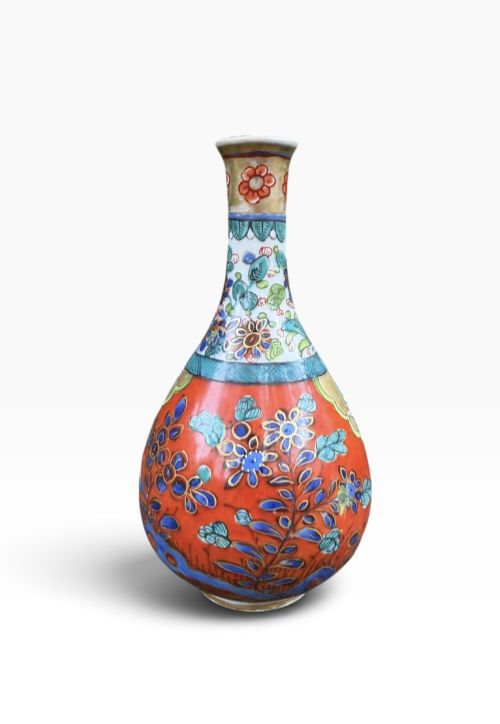
Decoration involved hand painting with overglaze enamels, underglaze cobalt blue, or applied gold leaf and gilt highlights. Glaze layers sealed the surface, sometimes enhanced with clobbered additions or detailed pictorial scenes.
Listings feature porcelain and ceramic pieces from the 17th Century, 18th Century, and 19th Century alongside Regency and Victorian examples.
What varies in quality
Quality rests upon the precision of the form and the skill executed in the hand-painted decoration. Superior pieces display crisp brushwork, balanced polychrome palettes, and well-preserved gilt detailing without blurring.
Provenance and factory attribution elevate certain items, particularly marked pieces from recognised English works or imperial Chinese periods. The integrity of the glaze and the complexity of the moulded or thrown shape further distinguish standard production from exceptional examples.
New Hall Porcelain·Spode Porcelain·Dr Wall Worcester·KPM Berlin·Minton Porcelain
The Antique Porcelain Ceramic Glossary
- Imari
- A style of Japanese porcelain decorated in underglaze blue, iron red, and gilt, originating from Arita and widely exported.
- Famille Rose
- A Chinese porcelain palette introduced in the eighteenth century, distinguished by opaque pink or rose enamel colours.
- Clobbered
- Refers to older blue and white porcelain that received later overglaze enamel painting, often in Europe, to enhance visual appeal.
- Kraak
- Chinese porcelain produced during the late Ming dynasty, typically featuring panelled blue and white designs.
- Campana
- A classical vase shape resembling an inverted bell, popular during the Regency and Georgian periods.
Antique Porcelain Ceramic: Frequently Asked Questions
How do I identify Chinese export porcelain?
Look for characteristic underglaze blue painting, famille rose enamels, or kraak panel designs applied to dense, resonant ceramic bodies. Reign marks on the base often indicate the dynastic period of manufacture.
Compare the potting weight and foot rim finish against known examples from periods like the Qianlong era to establish authenticity.
What is the difference between porcelain and stoneware?
Porcelain is a vitrified ceramic fired at high temperatures until non-porous and translucent, whereas stoneware uses coarser clay fired to a dense, opaque finish.
Stoneware items like Yixing vessels display a heavier, earthy body without the glass-like fracture seen in true porcelain.
How should I display antique porcelain lamps?
Position them away from direct sunlight and heavy traffic areas to protect the painted surfaces, gilt highlights, and wiring. Ensure the mounting hardware does not stress the ceramic body.
Use stable, level surfaces where the base is fully supported and safe from accidental knocks.
Are marked Worcester pieces easy to date?
Factory marks changed across different periods, such as the First Period under Dr Wall compared to later Flight, Barr and Barr iterations. These variations help narrow down the decade of production.
Examine the style of the script, the paste composition, and accompanying pattern numbers to confirm the exact manufacturing timeframe.