




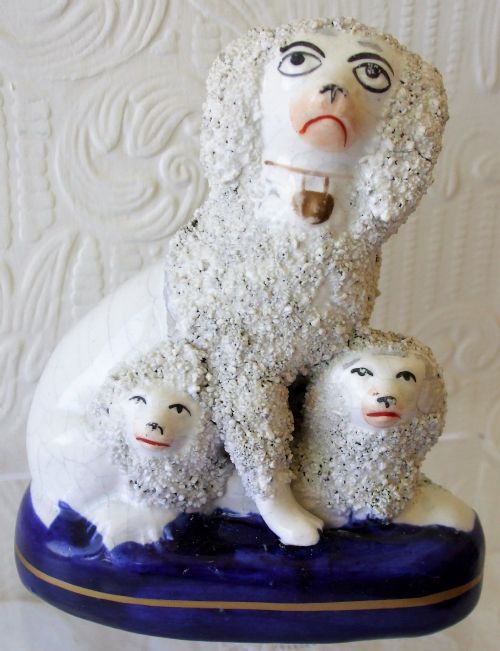
Antique Porcelain Base
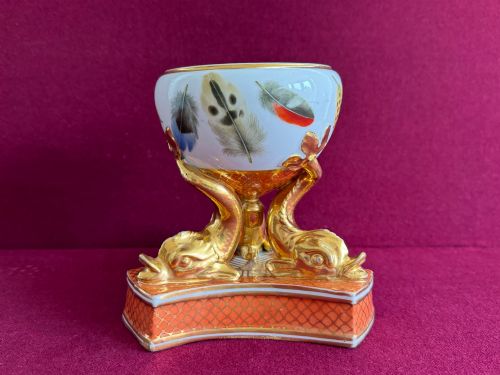
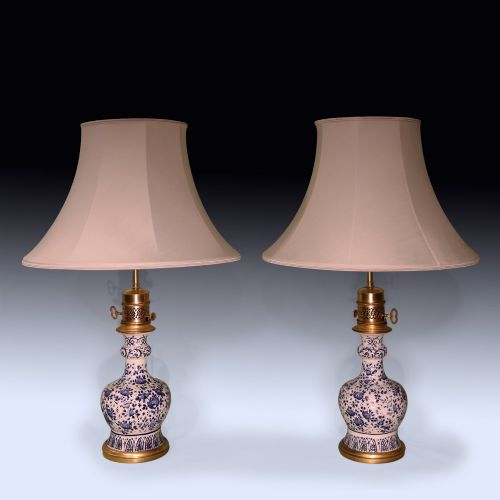
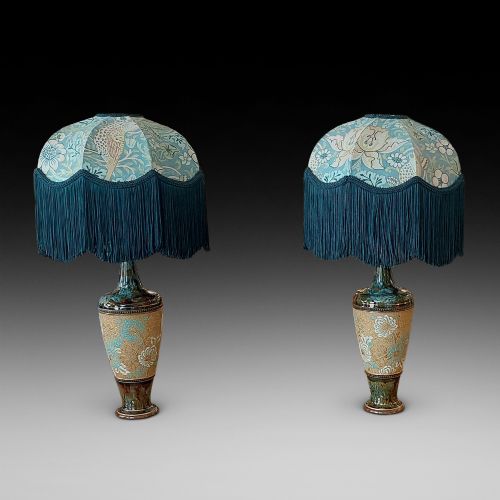
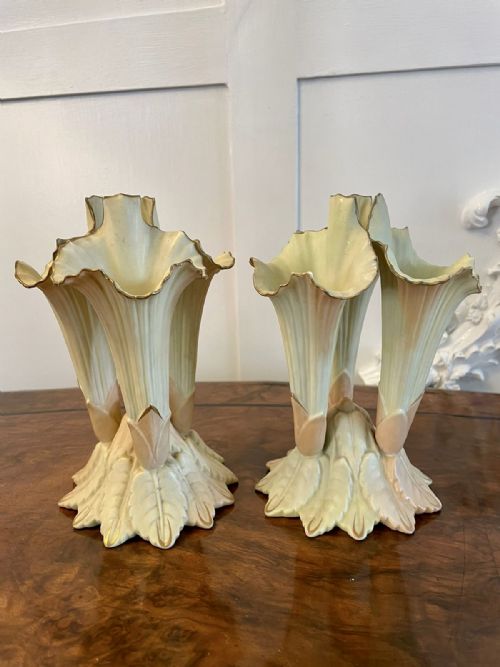
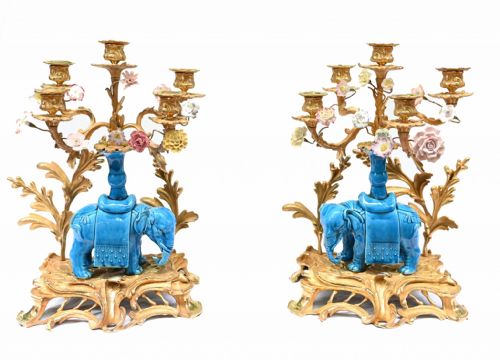
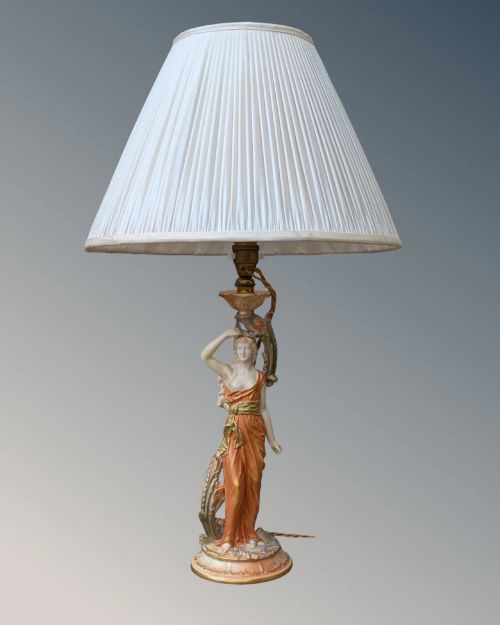
An antique porcelain base anchors table lamps, candelabras, and decorative figures, bringing hand-painted glaze and fine moulding into a room.
Antique Porcelain Base
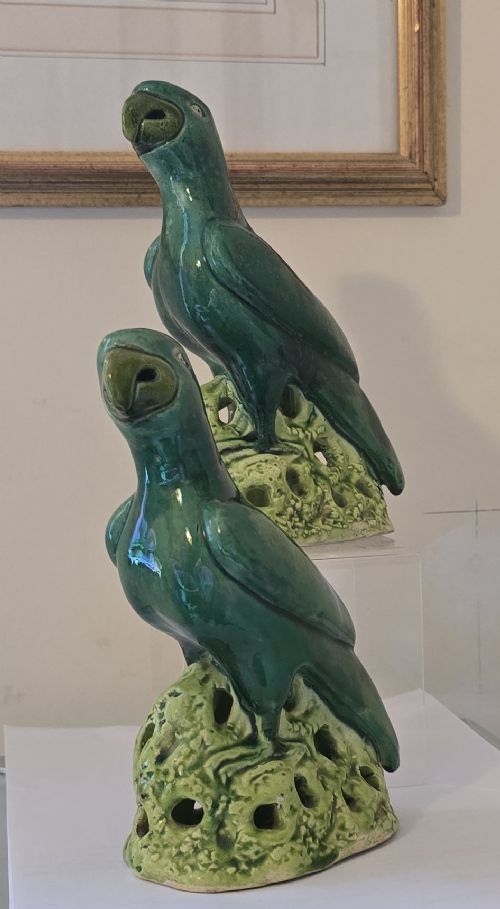
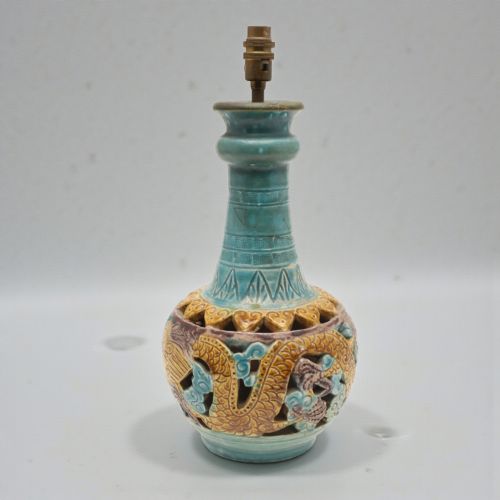
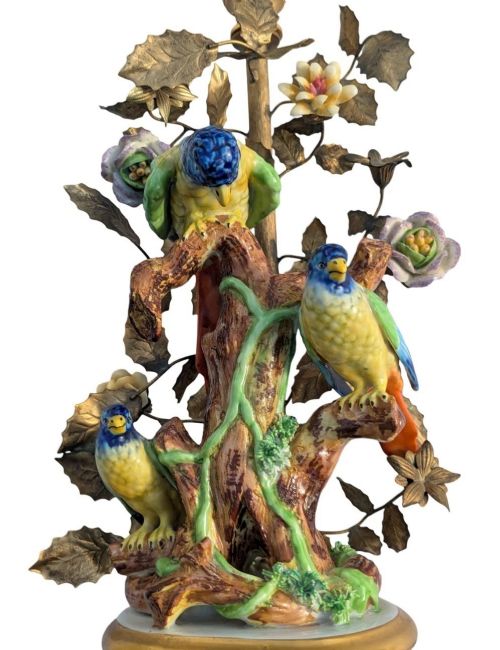
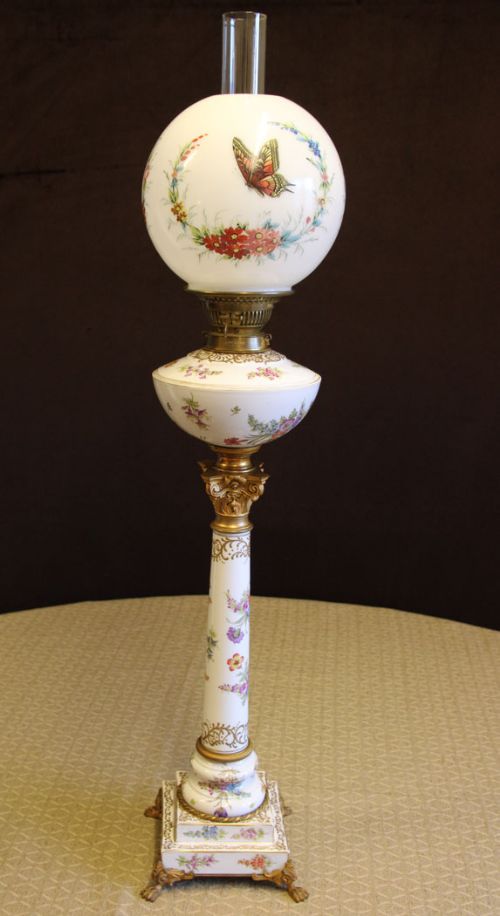
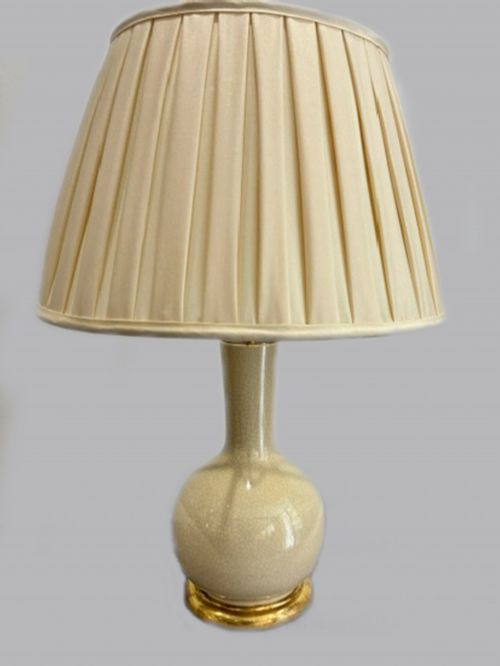
An antique porcelain base appears across table lamps, vases, and figural groups derived from nineteenth-century forms. The selection frequently includes converted vessels, where Chinese and European ceramics now support modern illumination.
Buyers encounter everything from Georgian pastille burners to Late Victorian stoneware lamps and French crackle ware. Many items pair glazed ceramic bodies with brass, gilt, or ormolu mounts.
Continental factories and English potteries provide the bulk of the domestic items, while Qing Dynasty and Japanese Meiji pieces supply the Asian export aesthetic.
Materials and Techniques
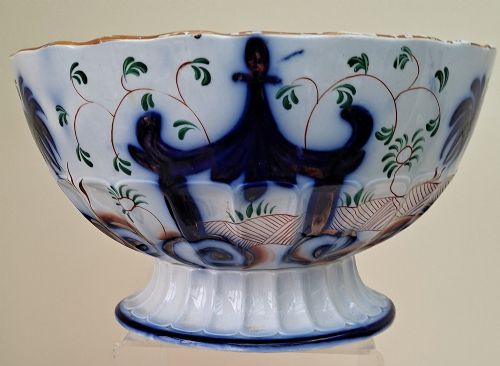
Potters shaped these bodies using hard-paste and soft-paste porcelain, earthenware, or stoneware, applying hand-painted enamels, underglaze blue, and celadon glazes before firing. Many items incorporate gilt or ormolu bronze mounts secured to the ceramic components.
Conversion into lighting or display pieces often involved drilling the ceramic base or mounting the porcelain onto custom brass and bronze hardware during the nineteenth and twentieth centuries.
Antique Porcelain Base Retail Price Guide 2026
Typical asking prices for porcelain base among the pieces listed under this phrase on Sellingantiques today, from the lower quarter to the upper quarter. They describe what is for sale here now, not the wider market.
Object types span table lamps, figurines, vases, candlesticks, and ginger jars utilising Chinese, French, and English manufacturing origins.
Assessing Quality
The crispness of the modelled detail and the depth of the hand-painted enamelling dictate the distinction between standard production and superior craftsmanship. Finer figures and vases retain sharp facial expressions, delicate flora, and cleanly applied gilt highlights without rubbing.
The integrity of the mountings and the alignment of the porcelain body with its brass or ormolu base reveal the original skill of assembly. Pieces with undisturbed glazes and well-integrated conversion hardware hold greater visual coherence.
Chamberlain Worcester·Royal Doulton·Locke And Co·Hicks And Meigh·Royal Worcester·Derby Porcelain·Letu And Mauger·Doulton Burslem·Sitzendorf·Ernst Bohne And Sohn·Samson Of Paris
The Antique Porcelain Base Glossary
- Ormolu
- Gilt bronze mounted onto ceramic or wooden bodies for decorative stability and aesthetic contrast. This technique defines many French and English luxury pieces from the eighteenth and nineteenth centuries.
- Celadon
- A pale green jade-like glaze originating in China and replicated across various Asian and European kilns. The soft translucent tone results from iron oxide in the glaze interacting in a reducing kiln atmosphere.
- Pastille burner
- A small ceramic vessel pierced to allow scented smoke to escape from burning pastilles. These functional objects frequently take architectural or figural forms.
- Paste
- The ceramic body composition used in porcelain manufacture. Hard-paste employs kaolin and petuntse fired at high temperatures, while soft-paste utilises glass and clay mixtures fired at lower levels.
- Famille rose
- A ceramic palette dominated by opaque pink enamel introduced during the Qing Dynasty. The range includes softer rose, purple, and yellow tones applied over the glaze.
Antique Porcelain Base: Frequently Asked Questions
How do I wire an antique porcelain base?
Professional electricians thread cords through existing apertures or utilise custom brass fittings that clamp onto the neck without damaging the ceramic body.
Avoid drilling un-drilled antique porcelain to preserve the material integrity and historical value of the piece.
Are these lamps converted from old vases?
Many lighting options began life as nineteenth-century Chinese ginger jars, beaker vases, or decorative urns before receiving electrical fittings.
Conversion methods vary from reversible brass collar mounts to direct drilling through the base.
How do I identify a Georgian porcelain base?
Look for hand-painted underglaze blue decoration, soft-paste bodies with slight glaze imperfections, and early form markers such as pastille burners or figural candlesticks.
Factory marks, where present, help narrow down the production era to the late eighteenth or early nineteenth century.
What is the difference between porcelain and stoneware?
Porcelain is fired at higher temperatures until vitrified, resulting in a white, translucent body that rings when struck gently.
Stoneware uses coarser clay bodies, producing opaque, heavier vessels like the salt-glazed or slaters pieces common in later nineteenth-century production.