

Antique Porcelain Art
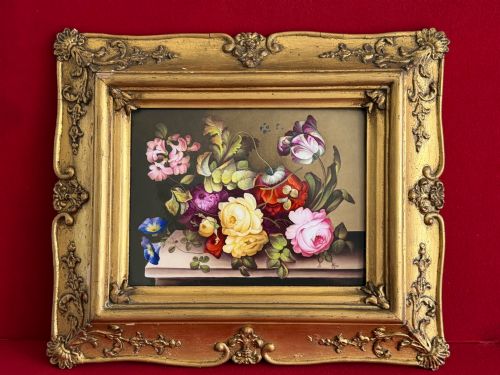
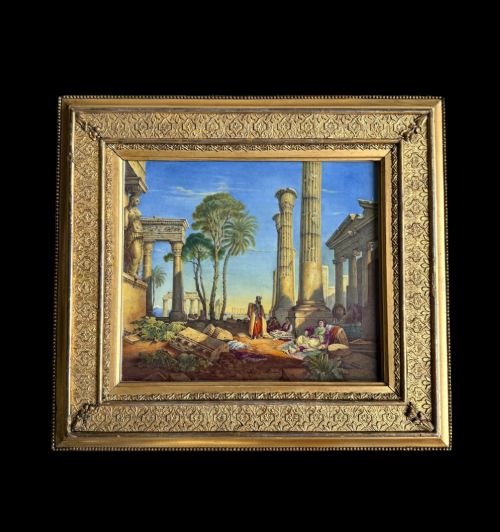
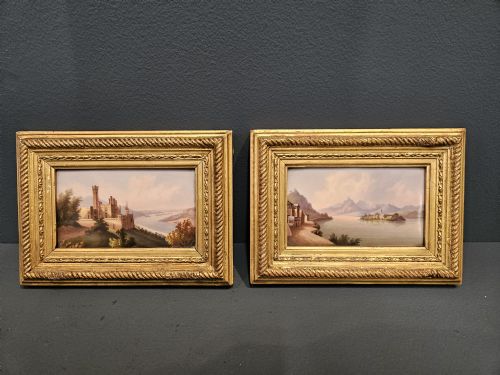
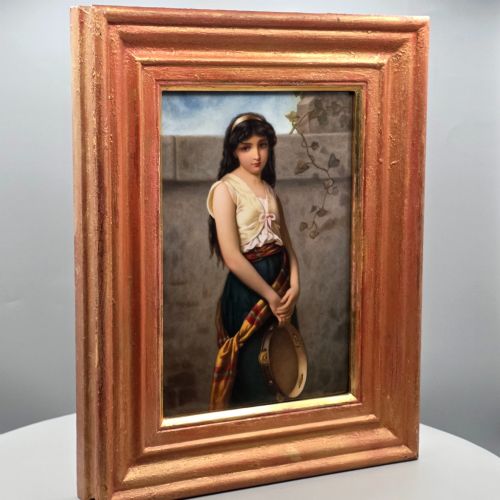
Antique porcelain art brings together hand-painted plaques, decorative plates, and sculptural figures from the nineteenth and early twentieth centuries.
Antique Porcelain Art
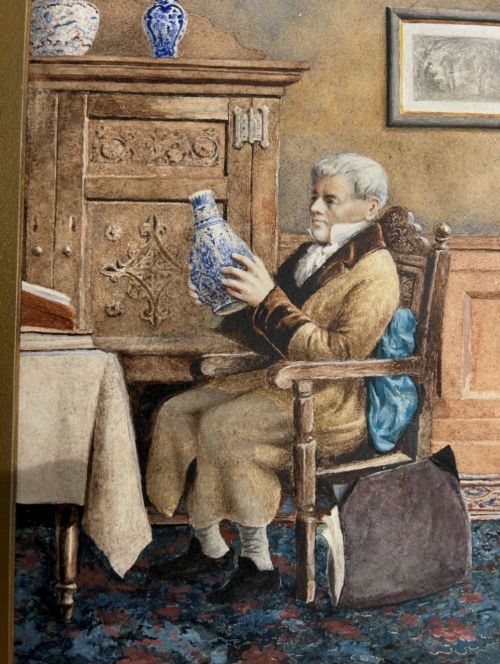
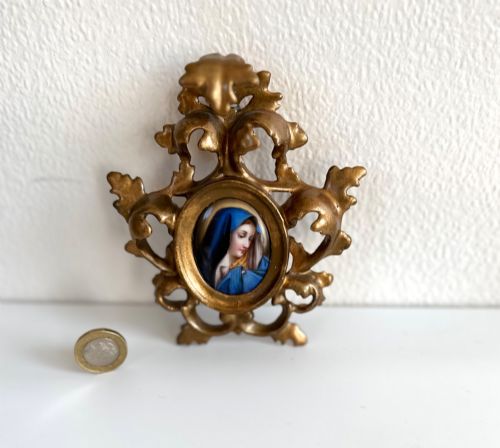
When you search for antique porcelain art, you encounter a diverse range of items including hand-painted wall plaques, decorative bowls, and glazed ceramic figures. The selection spans the nineteenth century through the Edwardian period and the 1930s, capturing shifting aesthetic movements.
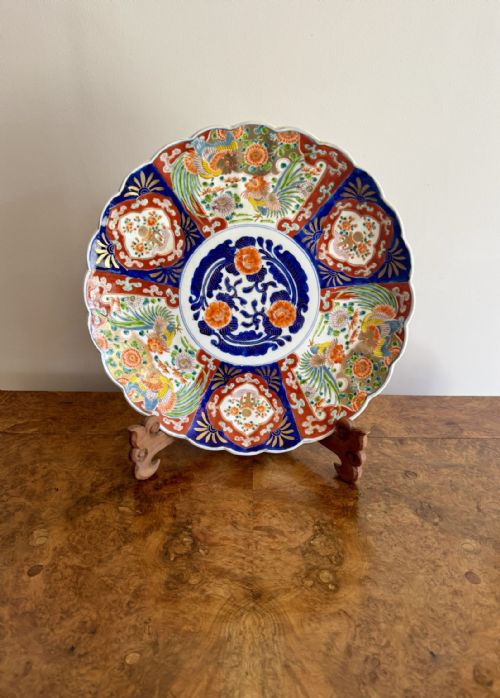
The most common forms on this page include English and French porcelain plaques alongside Japanese Imari, Satsuma, and Kutani vessels. Figures and vases dominate the physical shapes, reflecting both European studio traditions and Asian export porcelain works.
How these pieces were made
Makers shaped ceramic, porcelain, earthenware, and bone china bodies before applying intricate glazes, enamel colours, and gold leaf highlights. Many pieces received meticulous hand-painted decoration executed by named artists and specialised factory painters.
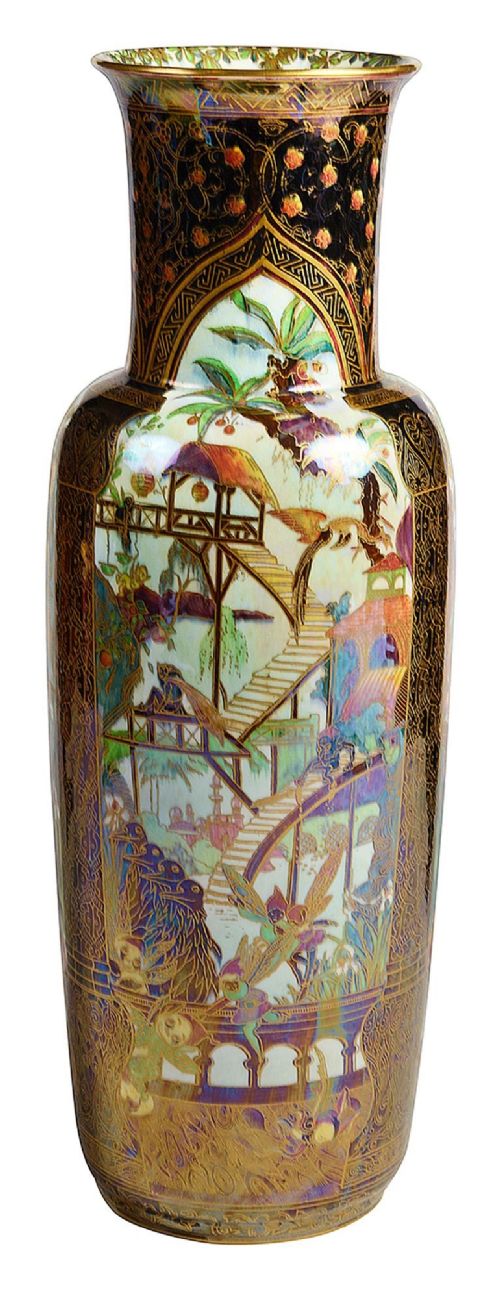
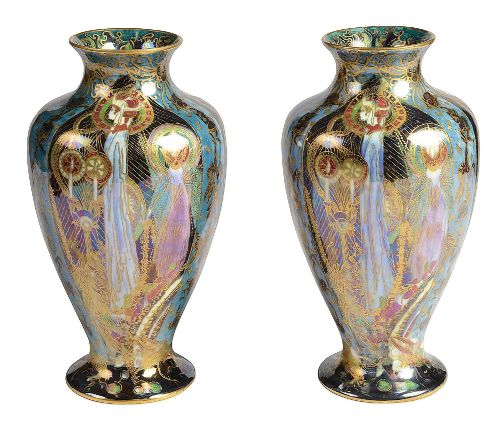
Techniques varied from the lustrous iridescent finishes of Fairyland wares to delicate Parian ware casting and high-fired oriental glazes. Firing methods dictated the depth of the glaze and the durability of the surface enamels.
Listings feature works spanning the 17th century through the 1930s, encompassing Victorian, Edwardian, Art Nouveau, and Art Deco styles.
What varies in quality
Quality rests heavily on the precision of the hand-painted detail and the crispness of the porcelain moulding. Pieces decorated by recognised designers or skilled painters display superior brushwork and more complex chromatic control.
The sophistication of the glaze formulation also dictates worth, particularly in lustres and iron rust finishes where chemical reactions during firing create depth and variation.
Royal Doulton·Wedgwood·Daisy Makeig Jones·James Stinton·KPM
The Antique Porcelain Art Glossary
- Imari
- A style of Japanese porcelain decorated in underglaze blue and overglaze red, gold, and green. It originated in Arita and became widely exported to Europe.
- Lustre
- A type of ceramic glaze that imparts a metallic or iridescent sheen. It is achieved by applying metallic salts before a second low-temperature firing.
- Parian ware
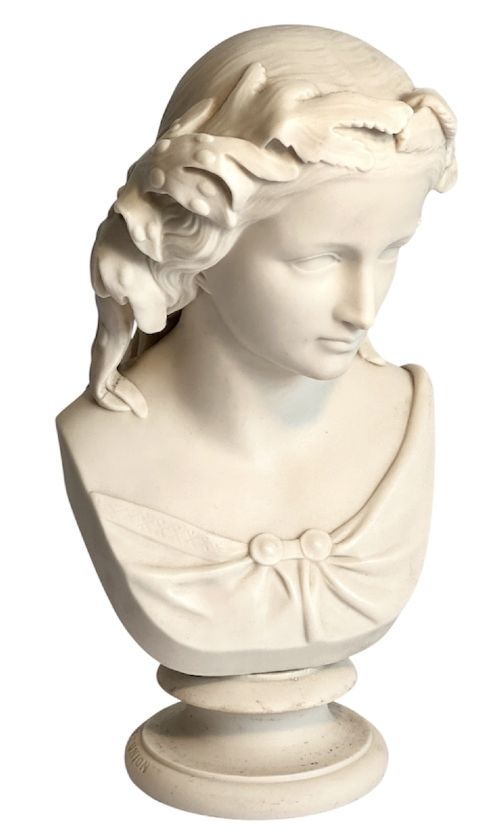
- A type of biscuit porcelain resembling white marble, developed in England during the nineteenth century. It is frequently used for sculptural busts and figures.
- Satsuma
- Japanese earthenware featuring a crackled ivory glaze decorated with polychrome enamels and gilding. Originating from Satsuma Province, it was heavily produced for Western markets.
Antique Porcelain Art: Frequently Asked Questions
How do I identify a hand-painted plaque?
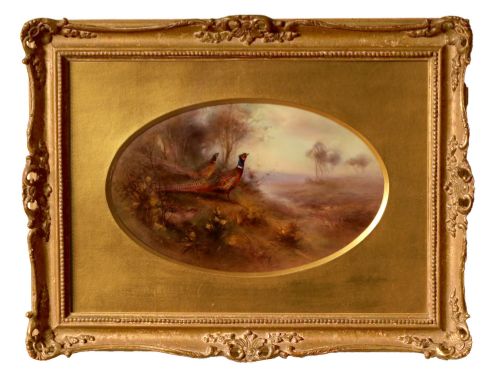
Examine the surface under a magnifying glass to locate individual brushstrokes and variations in pigment thickness. Printed transfers usually reveal a dot matrix or uniform stippling pattern under magnification.
Signatures or artist ciphers often appear in the corners of higher-quality plaques. Backstamps can further confirm the period and manufacturing origin of the ceramic base.
What is the difference between porcelain and earthenware?
Porcelain is fired at much higher temperatures, resulting in a dense, vitrified body that is impermeable to water and often translucent. Earthenware remains porous unless completely covered in glaze and requires gentler handling due to a softer fabric.
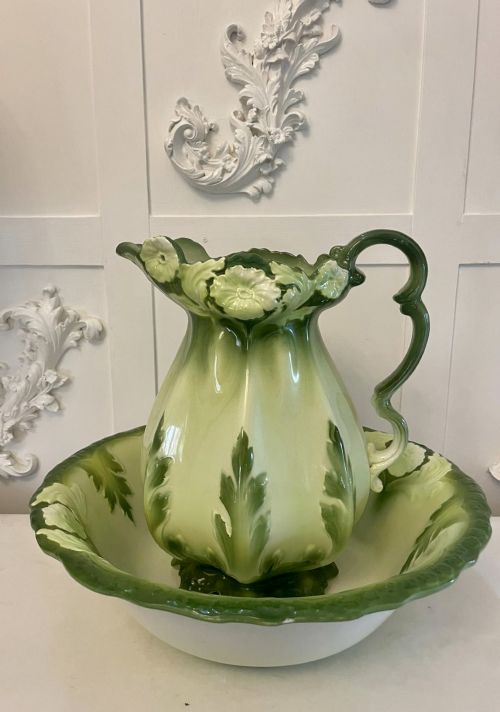
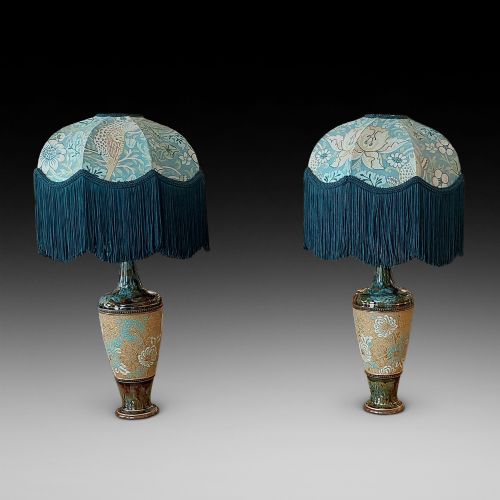
Many nineteenth-century decorative objects and bathroom sets utilise earthenware, whereas fine art plaques and display vases tend to employ hard-paste or bone china porcelain.
How should I display delicate porcelain figures?
Place figures within enclosed cabinets away from direct sunlight to prevent fading on enamelled surfaces and hand-painted pigments. Ensure shelves are stable and free from vibrations that could cause delicate appendages to snap.
Avoid high-humidity areas such as kitchens or unheated spaces, as fluctuating moisture levels can compromise older glazes and underlying ceramic bodies.