

Antique Polychrome Earthenware
These antique polychrome earthenware pieces bring vibrant painted palettes and fired clay forms into the home.
Antique Polychrome Earthenware
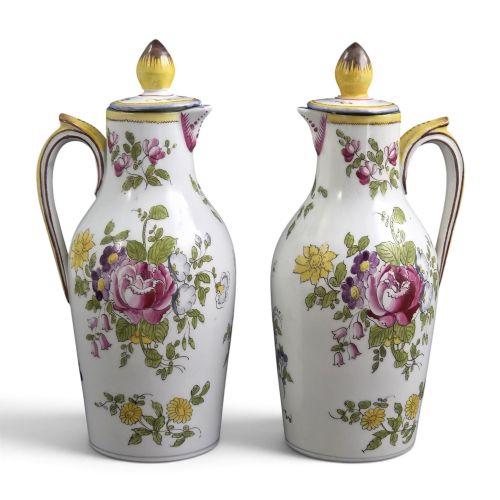
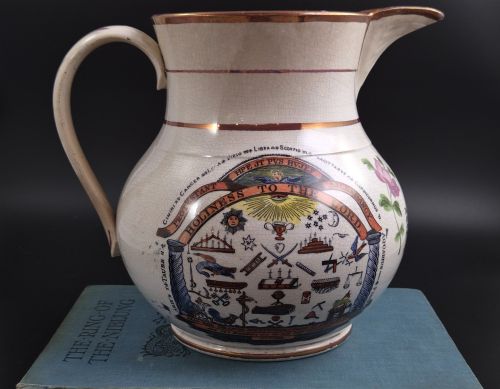
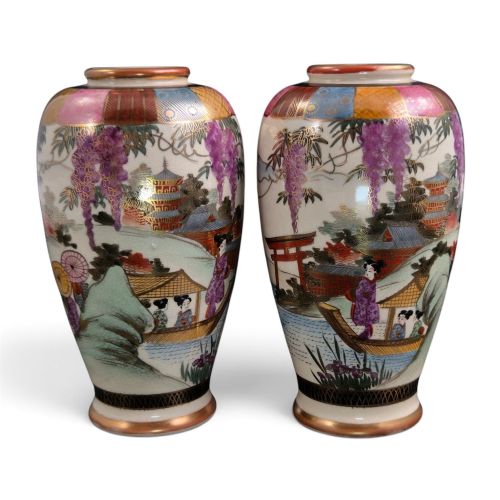
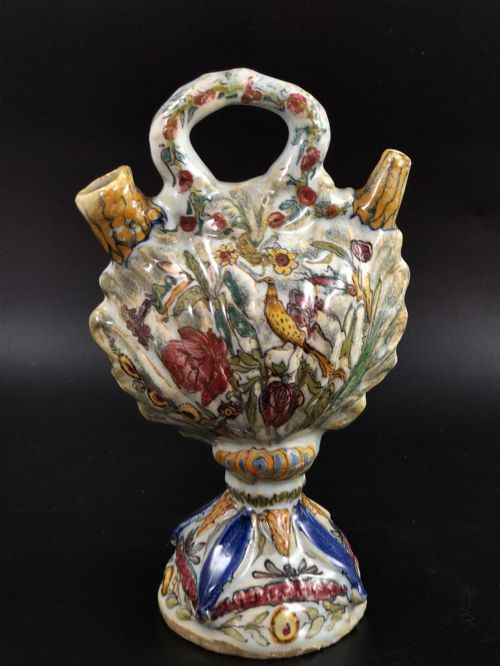
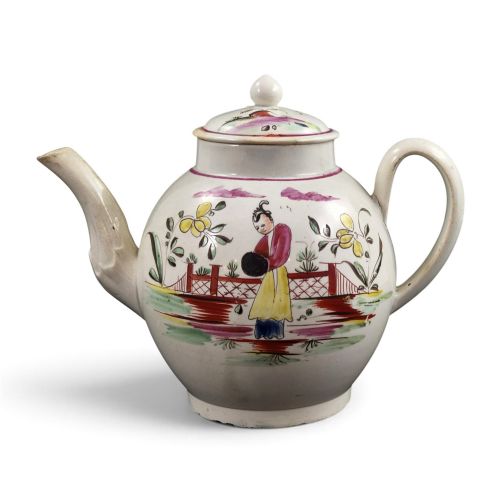
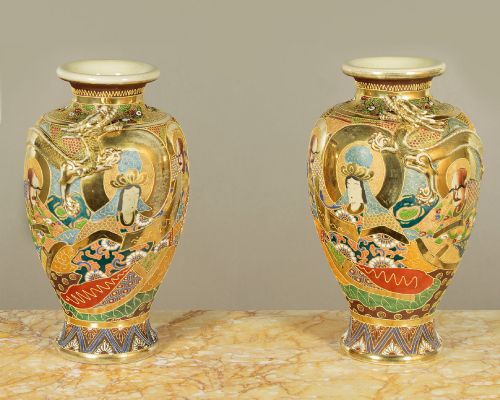
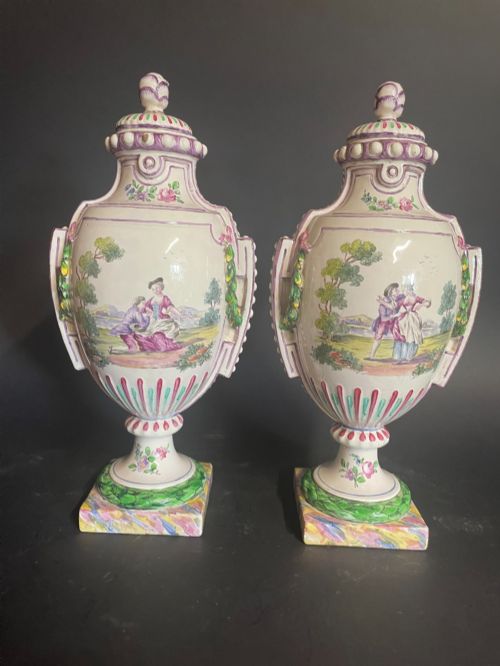
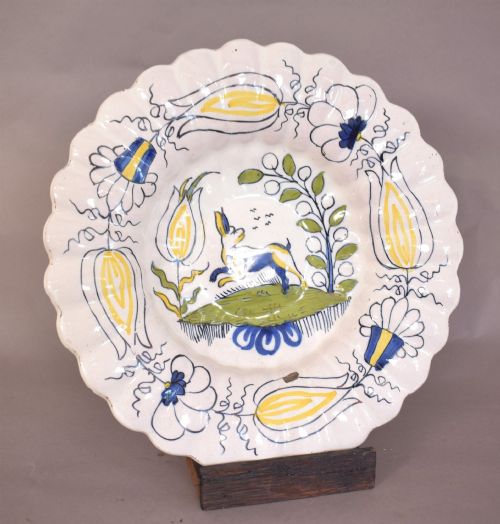
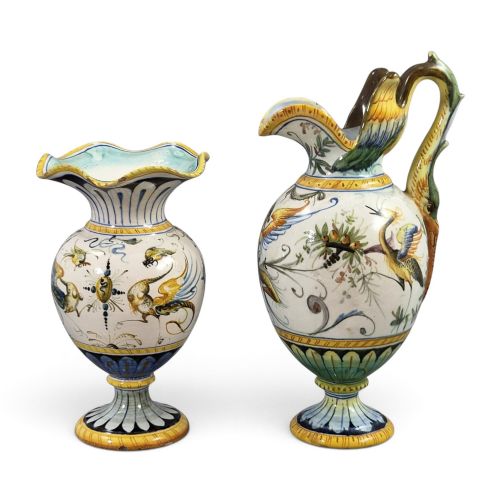
When you search for antique polychrome earthenware, you encounter a diverse group of ceramics united by multi-coloured painted decoration over a porous clay body. The listings span multiple centuries and regions, encompassing English creamware, Staffordshire figures, tin-glazed Dutch Delft, French faience, and Japanese Satsuma wares.
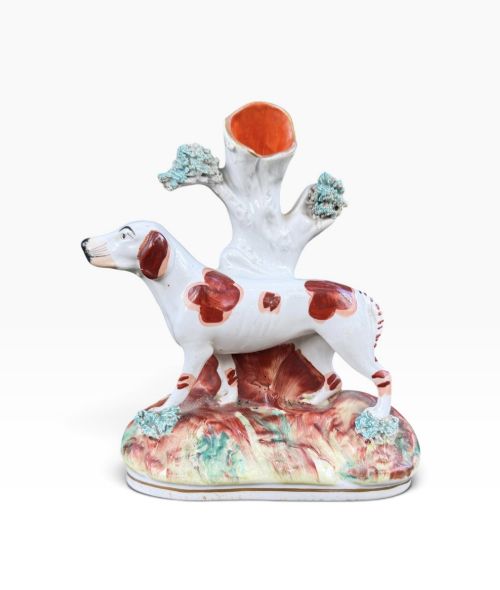
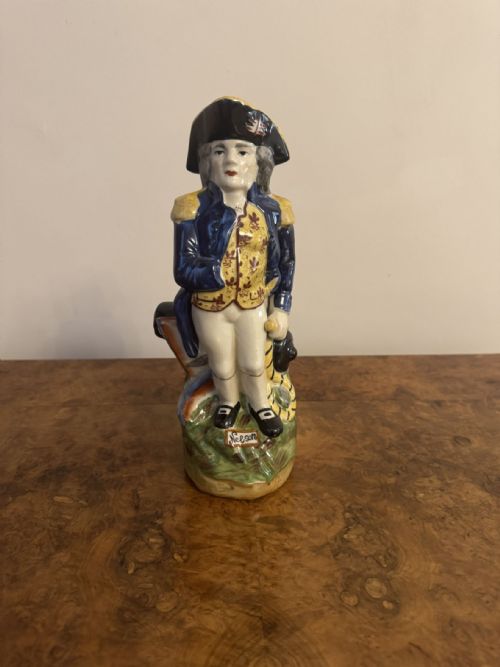
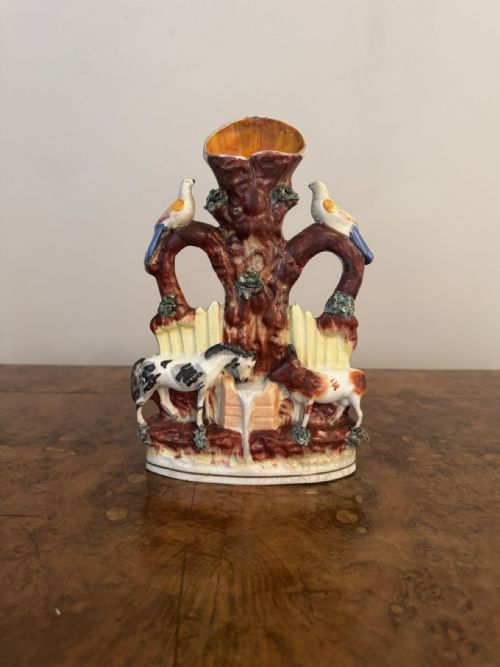
The objects themselves range widely in function and form, including chargers, decorative plates, vases, ewers, figural groups, toby jugs, and lidded boxes. You are most likely to meet 19th-century Staffordshire figures, 18th-century English and Dutch Delftware chargers, and Japanese earthenware from the Meiji period on this page.
Materials and construction
The foundational body consists of fired earthenware clay, which is porous and opaque, unlike porcelain or stoneware. Potters applied tin glazes, lead glazes, or enamel coatings to seal the clay body and provide a smooth surface for painting.
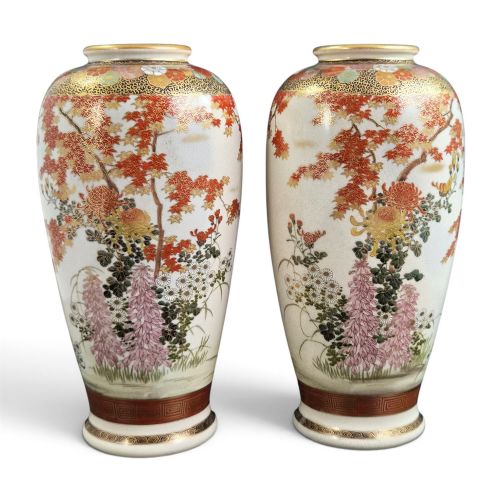
Makers then hand-painted pigments directly onto the glaze or raw surface, often fixing the colours with a secondary kiln firing. Accents of gold leaf or gilt appear on select Japanese Satsuma and European decorative items.
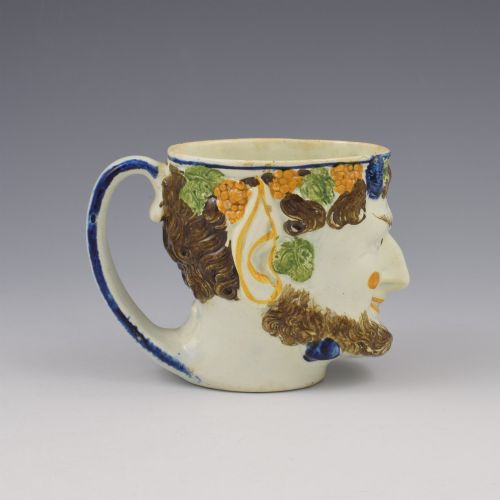
Prattware mugs preserved spirited political satires and local brawls long before television cameras arrived.
Factors determining quality
The crispness of the moulded relief, the stability of the glaze without excessive crazing, and the preservation of the original enamel pigments also dictate the standing of an individual piece.
Charles Vyse·Cantagalli Florence·Maruni Kobe
The Antique Polychrome Earthenware Glossary
- Polychrome
- Decorated in multiple colours. This term describes ceramics utilising a diverse palette of painted pigments rather than a single monochrome tone.
- Earthenware
- Porous pottery fired at relatively low temperatures. It requires a glaze to become watertight and forms the structural base for majolica, Delftware, and creamware.
- Tin-Glaze
- An opaque white glaze containing tin oxide. It provides a clean background for painted polychrome designs on wares such as Delft and faience.
- Creamware
- A refined light-coloured earthenware developed in 18th-century England. It possesses a pale yellow or cream hue beneath a transparent lead glaze.
- Moriage
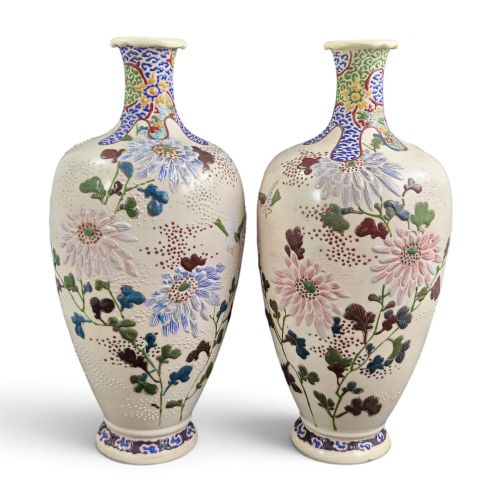
- A decorative Japanese ceramic technique using raised slip dots and lines. This method creates a textured, tactile surface often highlighted with gilt.
Antique Polychrome Earthenware: Frequently Asked Questions
What is antique polychrome earthenware?
Antique polychrome earthenware refers to fired clay ceramics decorated with multiple painted colours. These objects encompass functional vessels, decorative chargers, and figurative sculptures from various global traditions.
Items span several centuries, featuring distinct regional techniques such as tin-glazing in Europe and intricate enamel work in Japan. Each piece relies on the combination of a porous clay body and colourful mineral pigments.
How do I care for these ceramics?
These fragile earthenware objects require gentle handling and stable indoor environments. Keep them away from direct sunlight to protect the painted enamel and gilt details from fading.
Dust them softly with a dry, lint-free cloth rather than using water or cleaning solutions. Because the clay body is porous, moisture can infiltrate historical glaze cracks over time.
Were these pieces used daily?
Many objects on this page, such as chargers, mugs, and teapots, served functional domestic purposes in their original eras. Over the centuries, wear patterns and subtle signs of handling often confirm their utilitarian history.
Other items like decorative figures, ewers, and framed plates were strictly ornamental display pieces. Today, both functional and decorative survivors are typically preserved as display objects rather than put back into active service.