




Antique Pocket Glass
When you search for antique pocket glass, you are looking at small, portable glass items designed to travel in a pocket or pouch.
Antique Pocket Glass
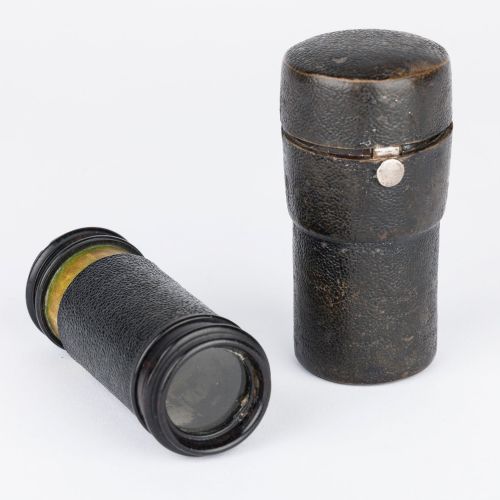
An antique pocket glass spans a diverse range of functional objects from the eighteenth, nineteenth, and early twentieth centuries, encompassing magnifying glasses, pocket spyglasses, mirrors, and small glass flasks. These items served personal grooming, optical aid, and social refreshment during the Georgian, Victorian, and Edwardian eras.
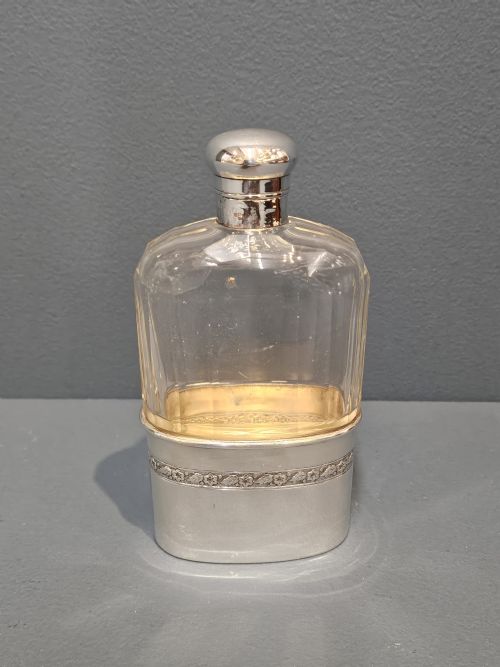
The most common versions on this page are glass and silver-mounted hip flasks designed for spirits, alongside pocket magnifiers, loupés, and folding opera glasses. Many of these pieces were manufactured in England, with notable examples originating from London, Birmingham, Sheffield, and Glasgow makers.
Beyond flasks and optics, the category includes vanity mirrors, scent bottles, and decorative pendants or charms incorporating glass elements. These smaller pocket articles reflect the high standards of portable personal accessories from the interwar period back to the eighteenth century.
How they were made
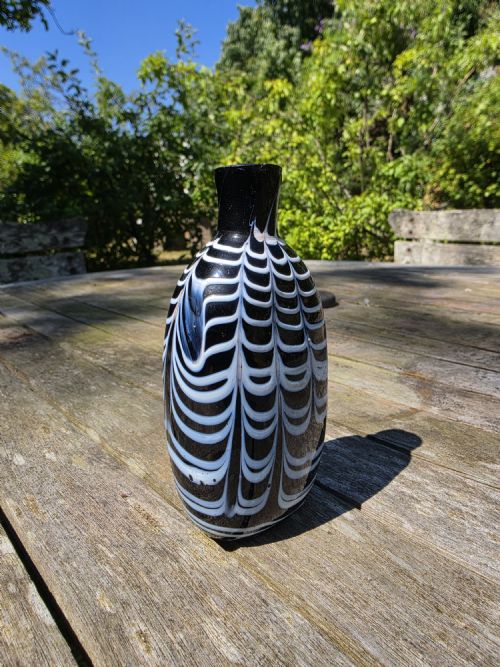
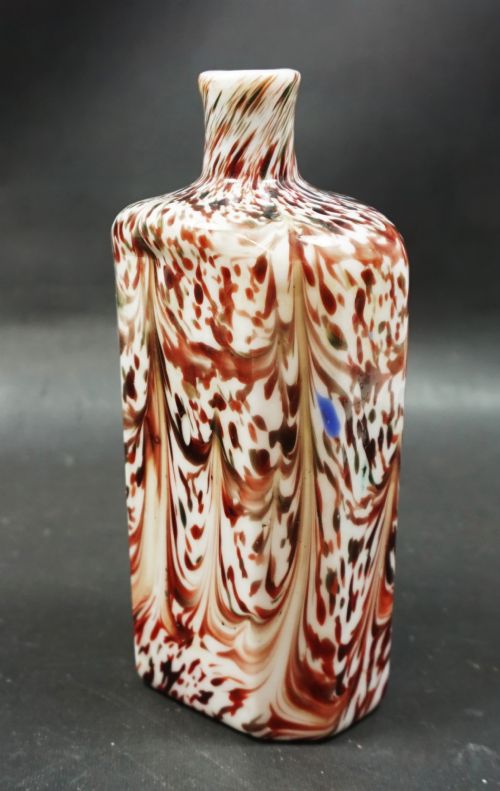
Makers shaped clear, milk, and cut glass through blowing, moulding, and wheel-cutting techniques, producing items such as quilt-moulded Nailsea flasks and heavy crystal spirit reservoirs. Glass components were frequently paired with durable structural metals like brass, sterling silver, or silver plate.
Protective elements involved leather, crocodile leather, and fruitwood casings, often stitched or bound around glass flasks and brass optical tubes. Silversmiths added hammered finishes, removable cups, and hinged lids to secure the glass vessels inside their precious metal mounts.
Listings feature items spanning the 18th Century through the 1930s, encompassing both glass and sterling silver.
What varies in quality
The grade of an antique pocket glass depends on the clarity and weight of the glass material, whether cut, plain, or coloured in opaline or milk glass. Superior pieces display crisp facets, unblemished surfaces, and precise hand-blown characteristics without heavy internal distortion.
Metalwork execution dictates the upper tiers of the range, marked by clear hallmarking, sturdy hinges, tight screw caps, and secure mounting of the glass within silver, gold, or brass frames. The integration of auxiliary materials like crocodile leather and fruitwood shows the maker's commitment to durability and finish.
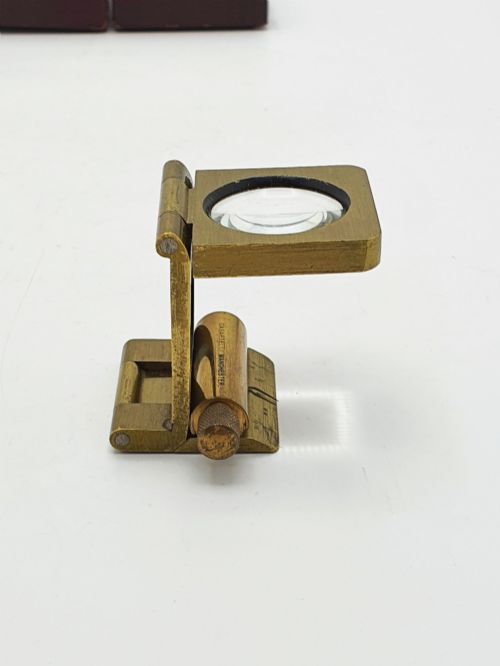
Casartelli Manchester·Asprey London·James Dixon & Sons·Francis West of Fleet Street·W A Ellwick Ltd
The Antique Pocket Glass Glossary
- Loupe
- A small magnifying glass used to examine details on stamps, jewellery, or textiles. These pocket optics often fold into protective metal or brass cases.
- Nailsea glass
- Glassware produced in Somerset, England, known for characteristic looped or splattered white enamel decorations on clear or coloured glass bodies.
- Hip flask
- A thin, curved flask designed to hold liquor in a pocket. Many antique examples feature glass bodies encased in leather with removable silver drinking cups.
- Monocular
- A single-barrelled optical telescope or opera glass designed for handheld viewing. Victorian versions frequently combine brass frames with leather or mother of pearl panels.
- Fob
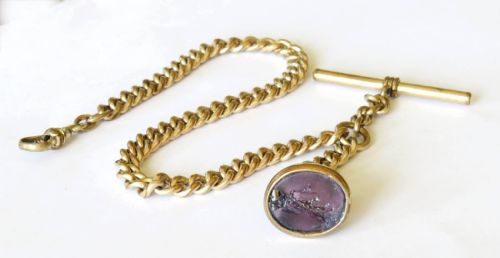
- A small ornament or seal attached to a pocket watch ribbon or chain. These often incorporate glass intaglios, gemstones, or magnifying lenses.
Antique Pocket Glass: Frequently Asked Questions
What is an antique pocket glass?
An antique pocket glass refers to portable items primarily made of or incorporating glass, designed to be carried in a pocket during the Georgian, Victorian, and Edwardian periods. These objects include spirit flasks, magnifying glasses, folding opera glasses, and vanity mirrors.
Craftsmen produced these items for daily utility, travel, and personal grooming. They combine practical function with the decorative metalwork and glass-making techniques of their respective eras.
How do I date a silver and glass hip flask?
Dating a silver-mounted glass flask relies primarily on the hallmarker's marks and date letters stamped onto the silver mounts or removable cups. British hallmarking systems record the assay office, such as London, Birmingham, or Sheffield, alongside the specific year of manufacture.
Stylistic cues also help determine the period, as late Victorian pieces often feature hammered silver finishes, while Edwardian and interwar examples show smoother geometric profiles or crocodile leather bindings.
Were pocket magnifiers used for reading?
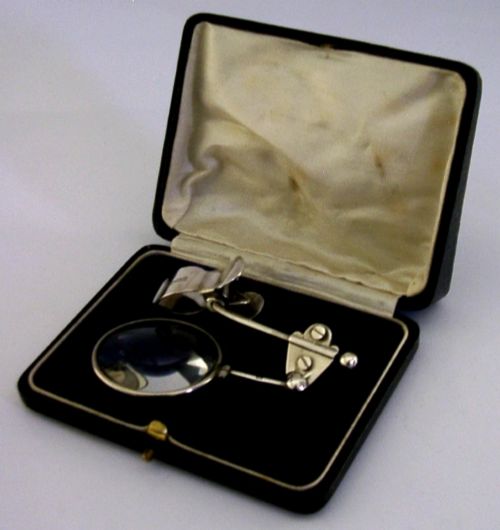
Pocket magnifiers and loupés served varied optical purposes, ranging from reading small print and maps to inspecting textiles, natural specimens, and jewellery. Instruments like the Stanhope lens or thumb magnifiers offered high magnification in a compact format.
Naturalists, travellers, and tradespeople carried these lenses in brass, silver, or tortoiseshell housings. Their portable design allowed for precise examination of details while out in the field.
How do I care for antique glass and leather?
Caring for these pieces involves keeping glass interiors clean and protecting exterior materials from excessive moisture and sudden temperature changes. Leather and crocodile casings benefit from occasional gentle conditioning to prevent drying and cracking.
Silver mounts require careful polishing with a soft cloth to avoid abrasive contact with the glass or leather components. Proper storage in a stable environment preserves both the structural integrity and the finish of the object.