
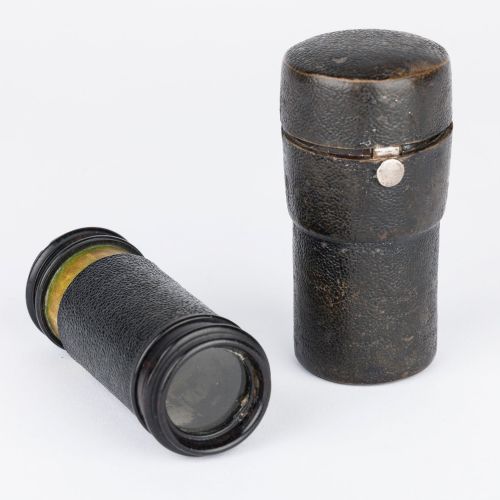


Antique Opera Glass
An antique opera glass brings the romance of the nineteenth-century theatre box into focus with polished brass and shimmering mother-of-pearl.
Antique Opera Glass
An antique opera glass is a compact optical instrument designed for magnification during theatrical performances, concerts, and social outings. When you search for this phrase, you encounter small binoculars alongside related forms like lorgnettes and monoculars spanning the Victorian, Edwardian, and Art Deco periods.
The majority of pieces met on this page originate from French workshops active around nineteen hundred, frequently housing delicate mother-of-pearl thumb wheels and barrels. Alongside these French theatre binoculars appear English and German examples fashioned from brass, leather, and sterling silver.
Beyond standard double-barrel binoculars, the category embraces pocket spyglasses and folding lorgnettes fitted with optical lenses. These items served as both functional viewing tools and high-status accessories for elite theatregoers.
What Varies in Quality
The distinction between ordinary utility glasses and exceptional collector pieces rests primarily upon the complexity of the materials and the prestige of the maker. Signed instruments bearing the marks of established Parisian workshops demonstrate superior mechanical precision in their focusing actions compared to unsigned alternatives.
The decorative treatment of the body creates the sharpest contrast in value, moving from simple brass and leather toward luminous guilloche enamel, tortoiseshell effects, and intricate mother-of-pearl inlays. The presence of original accessories such as matching leather cases, neck lanyards, and detachable lorgnette handles elevates a piece considerably.
Materials recorded across these optical instruments include brass, glass, leather, mother-of-pearl, enamel, platinum, diamond, and sterling silver.
Ross London·Iris Paris·LeMaire Paris·Colmont Paris·Chevalier Paris·Dolland London
The Antique Opera Glass Glossary
- Opera glass
- A pair of low-magnification binoculars specifically optimised for use in darkened theatres. They typically offer a magnification of two or three times, providing a wide field of view.
- Lorgnette
- A pair of spectacles or optical lenses held by a long handle rather than fitted over the ears. Many theatre accessories combined lorgnette handles with folding binocular mechanisms.
- Guilloche
- A decorative technique in which a precise, intricate pattern is mechanically engraved into a metallic substrate. Translucent enamel was frequently applied over this engraving to create shimmering visual depth.
- Monocular
- A single optical telescope or viewing scope designed for one eye. These pocket-sized instruments served similar viewing functions to twin-barrel theatre binoculars.
- Spyglass
- A small, hand-held refracting telescope usually constructed with sliding brass draws. Eighteenth-century examples represent the earliest optical forms found within this category.
Antique Opera Glass: Frequently Asked Questions
How do I use antique opera glasses?
Rotate the central focusing wheel situated between the two barrels until the distant view sharpens for your eyesight.
Keep the instrument steady by resting your elbows against your sides while observing performances.
Were opera glasses made primarily in France?
French makers produced the vast majority of surviving mother-of-pearl theatre binoculars during the late nineteenth and early twentieth centuries.
English and German workshops also contributed notable leather and brass examples to the period market.
What is the difference between binoculars and lorgnettes?
Binoculars utilise two barrels with lenses for both eyes to provide stereoscopic viewing inside the auditorium.
Lorgnettes feature single or folding lenses attached to a decorative handle, held up to the face manually when needed.
How do I identify an Edwardian opera glass?
Edwardian examples often display lighter pastel enamels, refined platinum mounts, or golden guilloche finishes characteristic of the nineteen-tens.
They sit stylistically between heavy Victorian brass and geometric Art Deco designs.