






Vintage Marine Spyglass
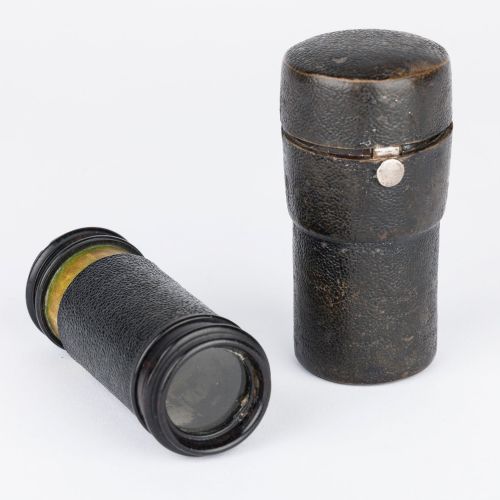
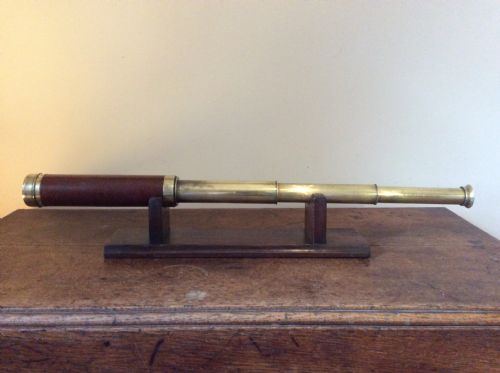
These vintage marine spyglass examples are brass and leather optical instruments offering a tactile connection to historical navigation.
Vintage Marine Spyglass
When you search for vintage marine spyglass pieces, you encounter historical optical instruments designed for navigation and watch duties at sea. These items span periods from the eighteenth century through the Georgian, Regency, Victorian, and Edwardian eras.
The versions most commonly met on this page include single-draw, two-draw, three-draw, and six-draw configurations. They appear in pocket formats as well as longer telescopic forms utilised by officers on deck.
Object types categorise these as scientific instruments, telescopes, spyglasses, and navigational instruments. Origins trace to English makers and London workshops.
How they were made
Construction relies heavily on turned brass tubes paired with glass lenses for terrestrial and maritime viewing. Many barrels incorporate stitched leather coverings to provide a secure grip in damp marine environments.
Finer examples integrate wooden bodies or accents utilising oak, mahogany, and walnut. Metalwork techniques include hexagonal and nine-sided shaping alongside traditional multi-draw telescoping mechanisms.
Vintage Marine Spyglass Retail Price Guide 2026
Typical asking prices for vintage marine spyglass among the pieces listed under this phrase on Sellingantiques today, from the lower quarter to the upper quarter. They describe what is for sale here now, not the wider market.
Listings feature scientific and navigational instruments spanning the eighteenth century through the Edwardian period.
What varies in quality
Quality differences emerge in the precision of the draw-tube mechanism and the clarity of the optical glass. Smooth telescoping action without wobble distinguishes superior specimens from simpler alternatives.
Material selection and decorative execution separate standard instruments from those bearing signed maker details. The presence of original leather grips and specialised day or night configurations elevates the standing of a piece.
Ross of London·Richardson·Broadhurst Clarkson and Co·Dollond
The Vintage Marine Spyglass Glossary
- Draw
- A sliding tube section that extends the length of the telescope. Multiple draws allow a longer instrument to collapse into a compact pocket size.
- Terrestrial telescope
- An optical instrument configured to erect the image for viewing land objects rather than astronomical bodies. These are standard for marine navigation and watchkeeping.
- Single draw
- A telescope design utilising just one extending sleeve moving out from the main barrel. This simpler construction offers sturdy alignment for quick sightings.
- Day or night
- A specialised optical configuration featuring larger objective lenses to gather more light in low visibility conditions. Officers utilised these during dusk, dawn, or stormy weather.
Vintage Marine Spyglass: Frequently Asked Questions
What is a vintage marine spyglass used for?
These instruments were utilised historically at sea for spotting land, signaling other vessels, and conducting watch duties from the deck of a ship.
Today, collectors appreciate them as decorative objects that embody the history of maritime navigation and optical engineering.
How do I date a vintage marine spyglass?
Dating relies on observing construction materials, the number of draw sections, and any engraved signatures or stylistic cues from periods like the Georgian and Victorian eras.
Makers' marks and address details inscribed on the brass draw tubes often provide specific chronological clues.
How many draws should a spyglass have?
The number of draw sections varies widely depending on the intended portability and focal length of the specific instrument.
Pocket versions often feature multiple draws to collapse down efficiently, while longer deck telescopes utilise fewer draws.
How do I care for brass and leather spyglasses?
Keep the metal and leather surfaces clean using dry, soft cloths and avoid harsh polishes that might remove historic patina or maker signatures.
Store the instrument in a stable environment away from extreme humidity to protect the internal glass lenses and leather wrappings.