

Antique Pocket Accessories
These antique pocket accessories are personal items carried daily in the Victorian and Edwardian eras, valued for fine metalwork and clever utility.
Antique Pocket Accessories
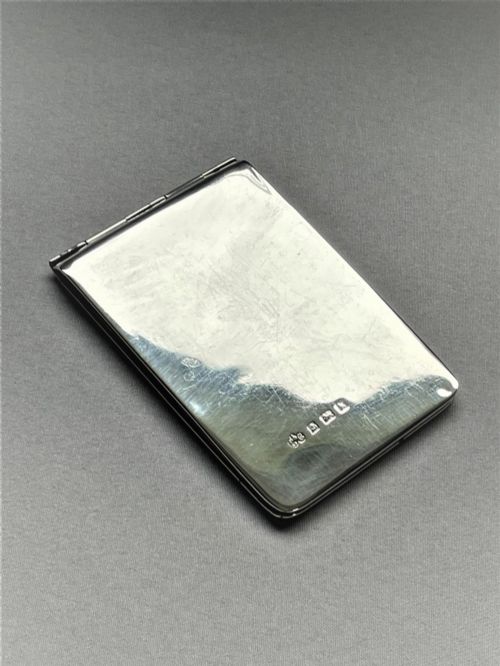
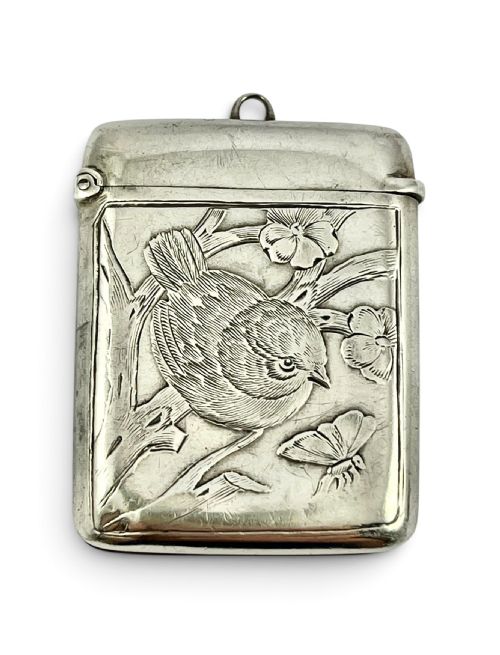
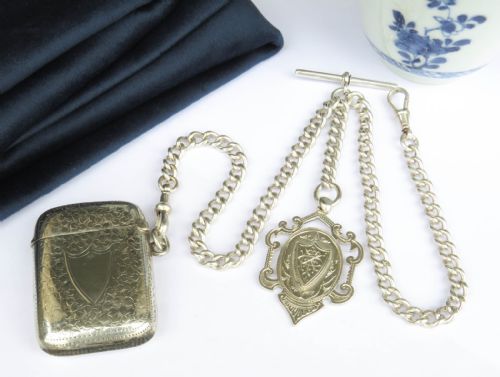
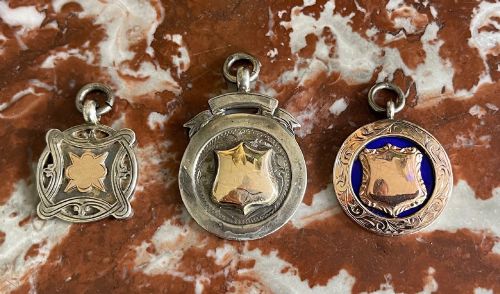
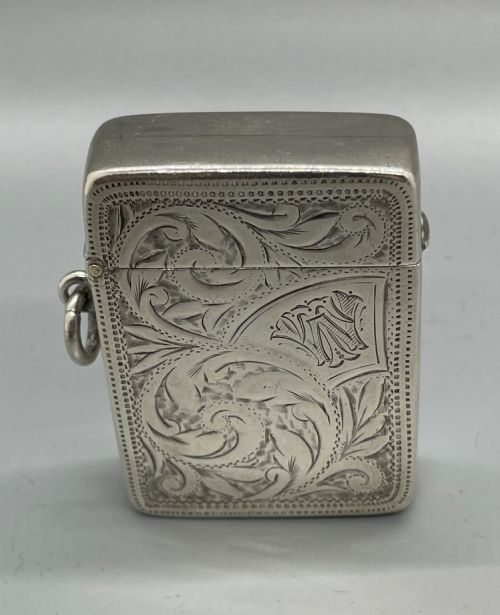
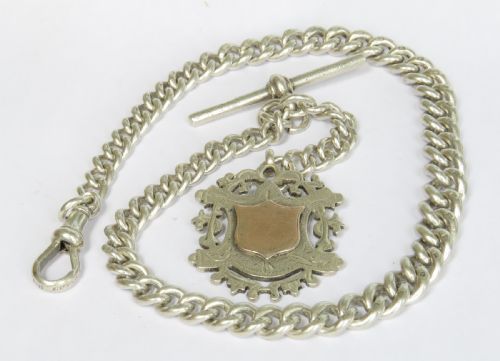
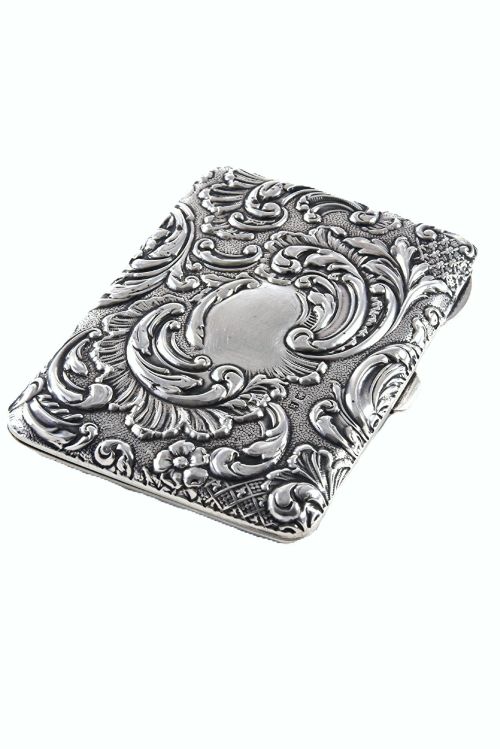
When you search for antique pocket accessories, you find personal functional objects intended to be carried on the person during the Victorian, Edwardian, and Art Deco periods. These items include vesta cases, pocket watch chains, card cases, stamp cases, and vinaigrettes.
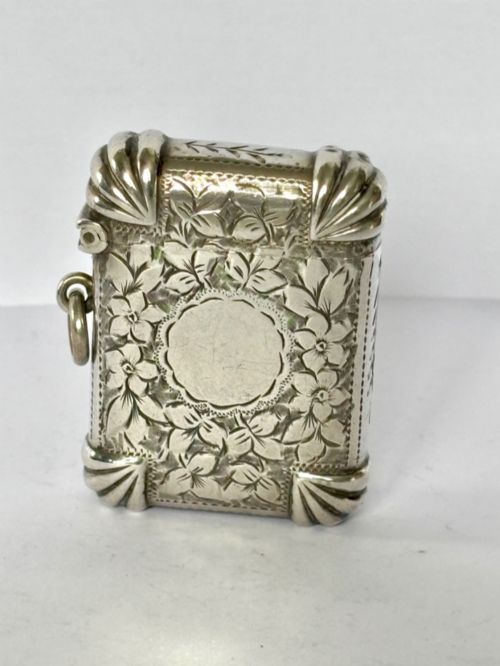
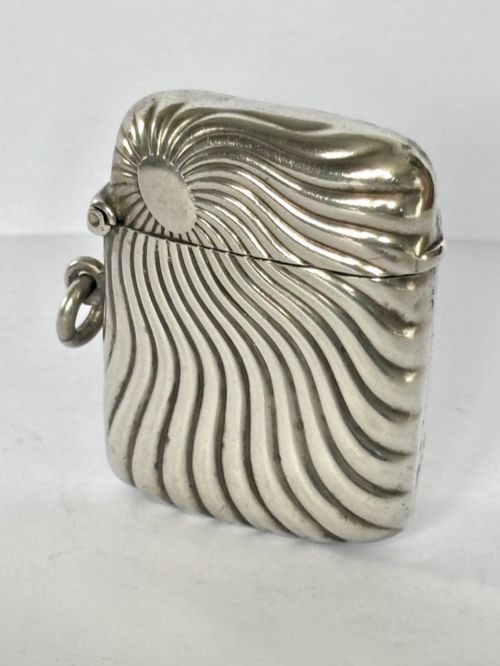
The most common items on this page are silver vesta cases and pocket watch chains, originating mainly from Birmingham and London assay offices between the late nineteenth century and the interwar period.
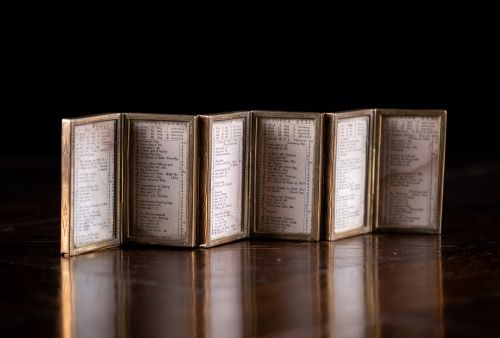
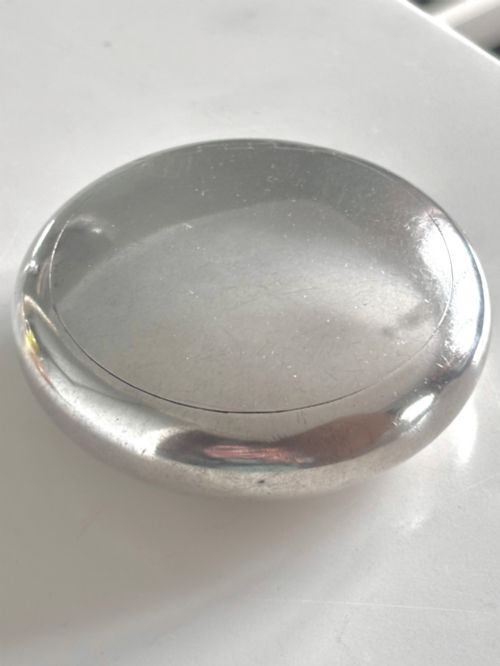
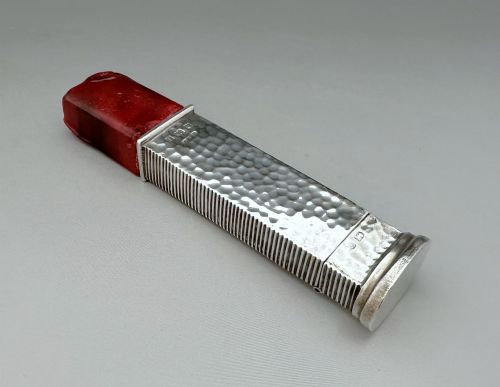
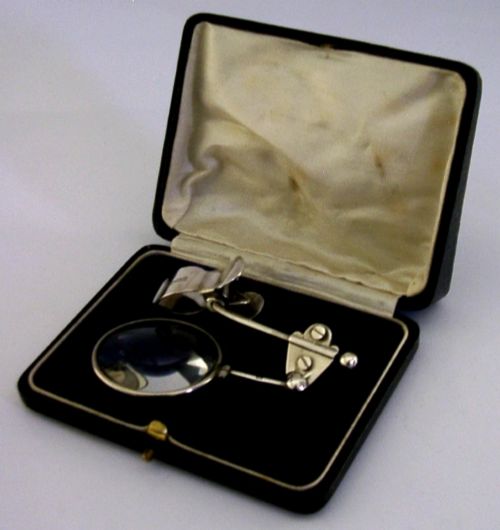
Beyond simple carrying cases, the selection encompasses specialised objects such as squeeze tobacco boxes, aide memoires, thumb magnifiers, and combination pieces holding sovereigns or sealing wax.
Materials and methods of construction
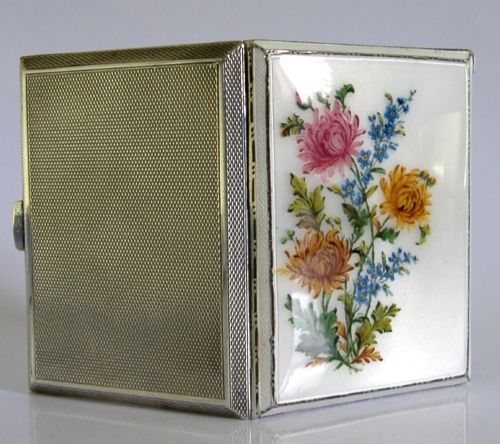
Makers shaped sterling silver and gold through stamping, repousse, and engraving, often pairing the metal with hand-painted enamel, glass, or exotic materials like crocodile skin leather.
Combination items integrated multiple functions into a single housing, requiring precise internal spring mechanisms for vestas, matches, stamps, and writing tablets.
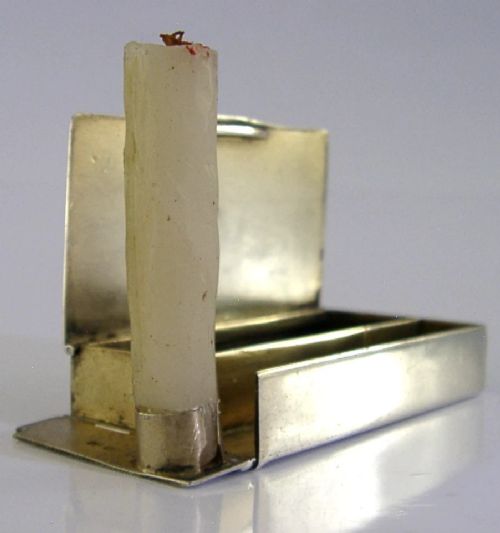
One listed vesta case conceals a folding go-to-bed taper for lighting candles in drafty Victorian corridors.
Quality factors in pocket items
Quality rests upon the crispness of the chased or engraved decoration, the integrity of hand-painted enamel panels, and the smooth operation of spring-loaded hinges on lids and compartments.
Maker attribution and fully struck hallmarks denoting specific assay offices and silversmiths elevate the standing of individual pieces.
Aaron Lufkin Dennison·Mappin and Webb·Sampson Morden·Crisford and Norris·Robert Pringle·Cartier
The Antique Pocket Accessories Glossary
- Vesta case
- A small portable container designed to hold safety matches or vestas, fitted with a striking strip on the base. These boxes often feature hinged lids to keep matches dry.
- Vinaigrette
- A small ornamental box containing a perforated inner grille, originally holding a sponge soaked in aromatic vinegar. Victorians carried these to counter unpleasant odours in crowded spaces.
- Aide memoire
- A small pocket notebook or memorandum tablet with leaves of ivory, card, or paper, often supplied with a diminutive pencil. These were used for jotting down engagements on the move.
- Albert chain
- A type of pocket watch chain attached to a waist-coat, named after Prince Albert. They often suspend decorative fobs, lockets, or miniature tools.
Antique Pocket Accessories: Frequently Asked Questions
What are antique pocket accessories?
These pieces are portable personal items made primarily in silver, gold, and enamel during the nineteenth and early twentieth centuries.
They served daily domestic functions, holding matches, coins, cards, stamps, and notes for individuals on the move.
How were pocket accessories used?
Owners carried them inside pockets or suspended them from chatelaines and watch chains as functional daily utilities.
Each specialised item answered a specific practical need, such as lighting a cigar, checking the time, or reading small print.
How do I identify the date of a piece?
British items usually bear hallmarks stamped directly into the metal, indicating the assay office, standard of silver, and a specific date letter.
Comparing these punches against standard hallmarking reference tables reveals the exact year of manufacture.
What are combination pocket accessories?
Combination pieces merge two or more functions into a single housing to save space in a pocket or on a watch chain.
Examples include vesta cases that also hold postage stamps, sealing wax, or gold sovereigns.