


Antique Plate Chest
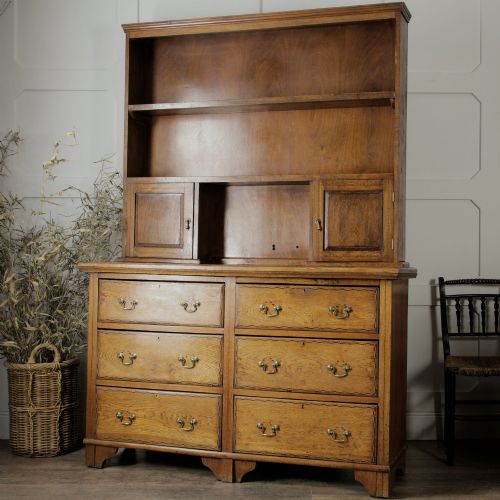
An antique plate chest is a heavy storage trunk built to safeguard tableware, most frequently seen here in oak with iron mounts.
Antique Plate Chest
An antique plate chest is a sturdy storage trunk designed to protect valuable tableware, cutlery, and serving vessels from damage and tarnish. When exploring this selection, buyers frequently encounter substantial oak examples reinforced with iron or brass.
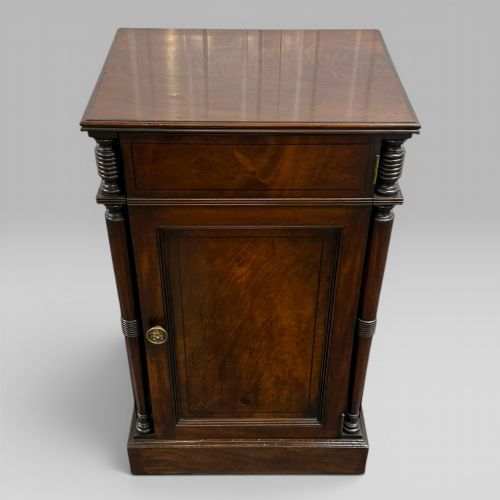
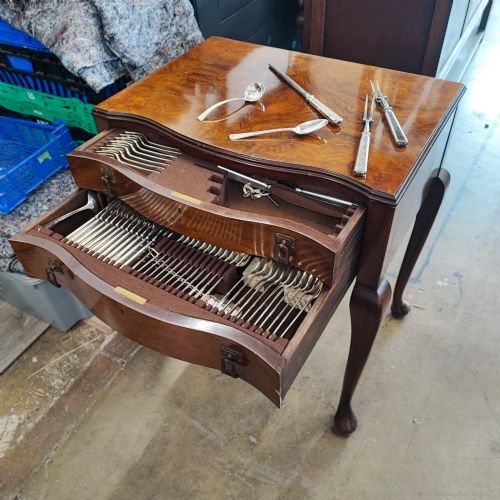
The pieces span several distinct eras, from the Georgian period through the Victorian age and into the early twentieth century. Alongside traditional timber trunks, the category occasionally embraces related forms such as mahogany plate-warmer pedestals, fitted canteens, and storage boxes.
Many of these chests originate from English country houses and town residences where secure storage for heavy silver was essential. They serve today as robust coffee tables, blanket boxes, or statement storage furniture in period and modern interiors alike.
How They Were Made
Carpenters constructed the primary carcasses from durable timbers including oak and mahogany, often utilising heavy dovetail joints for maximum strength. These woods provided the necessary structural integrity to support the considerable weight of metal tableware.
Blacksmiths and metalworkers added functional reinforcement in the form of iron binding, brass name plates, carrying handles, and secure locks. Interiors were frequently lined with materials like velvet to cushion delicate items against the hard wood.
Listings feature oak, mahogany, burr walnut, and copper, demonstrating a strong preference for durable hardwoods across multiple eras.
What Varies in Quality
Quality in these chests is determined by the selection of timber, the density of the grain, and the integrity of the original construction. Superior pieces display substantial oak or figured mahogany boards joined with precision.
The degree of original hardware preservation significantly impacts the character of each piece. Chests retaining heavy iron straps, functional brass locks, and intact interior linings stand apart from those stripped of their secondary mounts.
Gillows·Martin Hall & Co
The Antique Plate Chest Glossary
- Oak
- A durable, heavy hardwood commonly used for the primary construction of utilitarian trunks and silver chests. It develops a deep patina over centuries of handling.
- Mahogany
- A dense, reddish-brown tropical hardwood favoured for finer Georgian and Regency storage pieces. It accepts a high polish and resists warping.
- Iron Bound
- A term describing wooden chests reinforced with structural iron straps and corners to withstand heavy travel and secure contents. This blacksmithing work provides both strength and visual contrast.
- Silver Plate
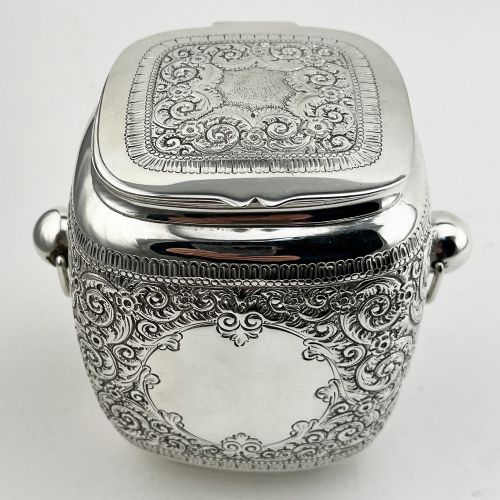
- A thin layer of silver fused to a base metal, such as copper or steel, found on various canteens and vessels stored within these trunks. It offers the appearance of solid silver at a different scale of manufacture.
- Canteen
- A fitted box or chest designed specifically to hold a complete set of cutlery in organised slots or layers. These interiors often feature green velvet or baize lining.
Antique Plate Chest: Frequently Asked Questions
What fits inside an antique plate chest?
These chests were originally built to hold heavy silver services, dinner plates, and cutlery canteens safely. Their deep, unobstructed interiors accommodate bulky items.
Today, buyers repurpose them to store blankets, board games, or winter textiles while keeping them on display in living spaces.
How do I date an oak plate chest?
Dating relies on observing construction methods, timber grain, and hardware style. Georgian and Victorian examples show distinct joinery techniques and ironwork patterns.
Examining the hinges, locks, and any brass name plates provides further chronological clues.
Are these chests heavy to move?
Solid oak and iron-reinforced trunks are exceptionally heavy due to their dense materials and robust construction. They require two people to lift and position safely.
Side carrying handles, where fitted, assist with repositioning them within a room.
How should I clean the timber?
Maintenance requires gentle dusting with a dry cloth and occasional application of traditional beeswax to nourish the dry wood. Avoid modern liquid polishes that build up on antique surfaces.
Preserving the natural patina maintains the historical character of the iron and oak.