

Antique Plaque Painting
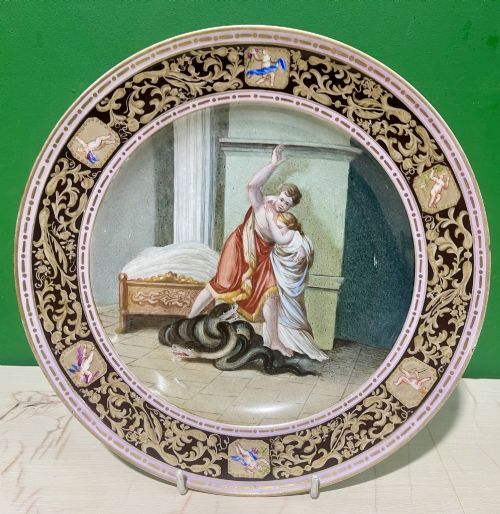
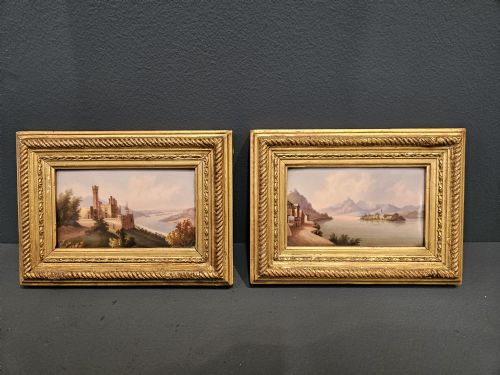
An antique plaque painting brings painted portraits, landscapes and heraldry onto porcelain, enamel, wood and metal for wall display.
Antique Plaque Painting
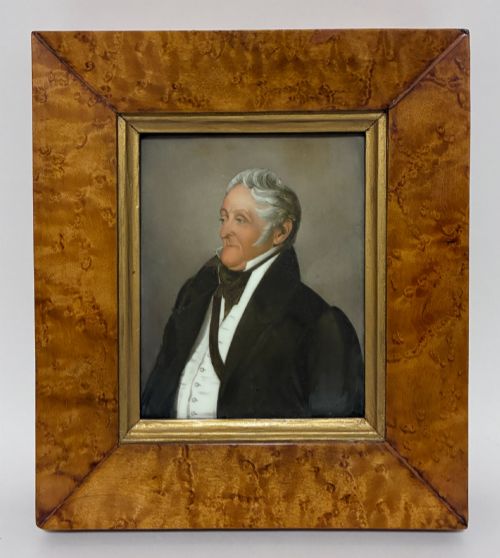
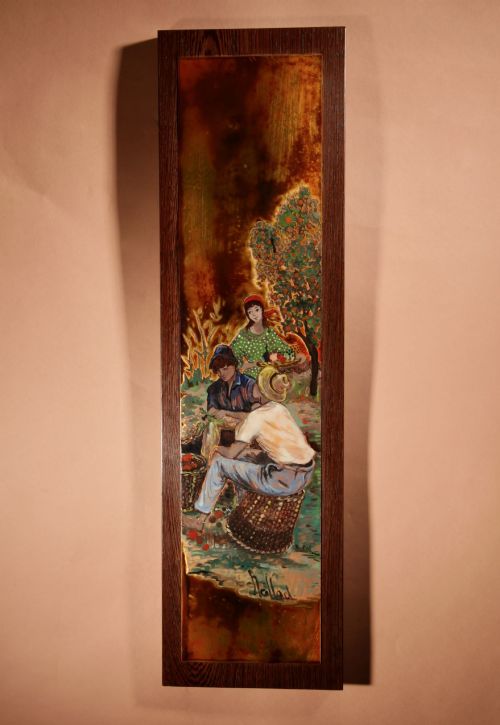
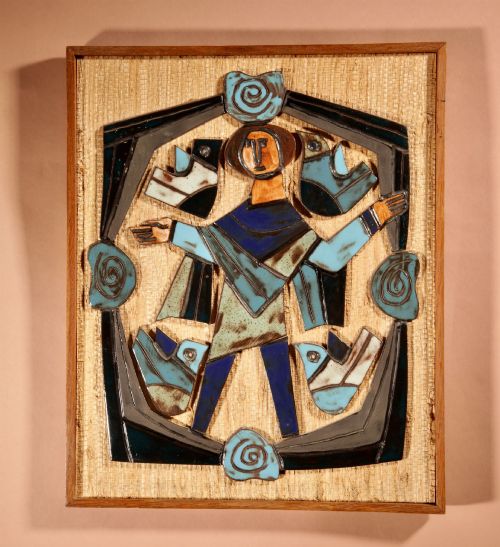
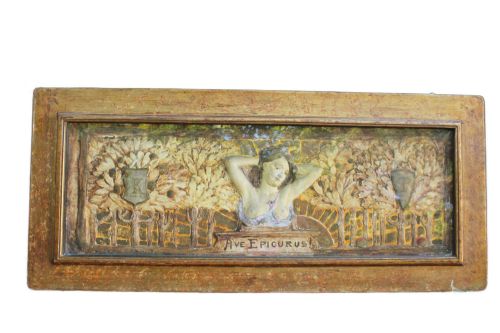
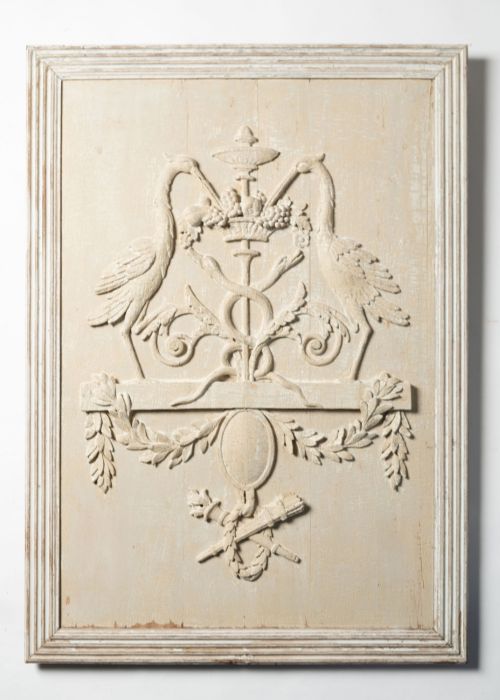
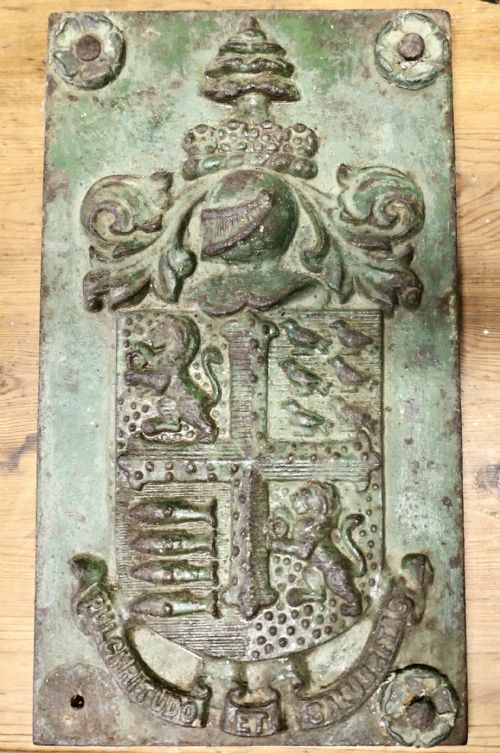
An antique plaque painting covers a broad array of decorative wall art, from hand-painted porcelain panels and enamel ovals to carved wooden panels and cast iron signs. The selection you encounter here spans the eighteenth, nineteenth and early twentieth centuries, drawing on Victorian, Edwardian, Neoclassical and Moorish Revival styles.
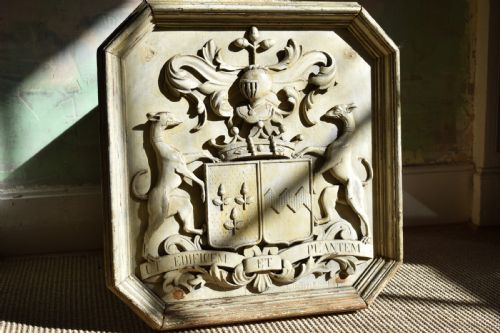
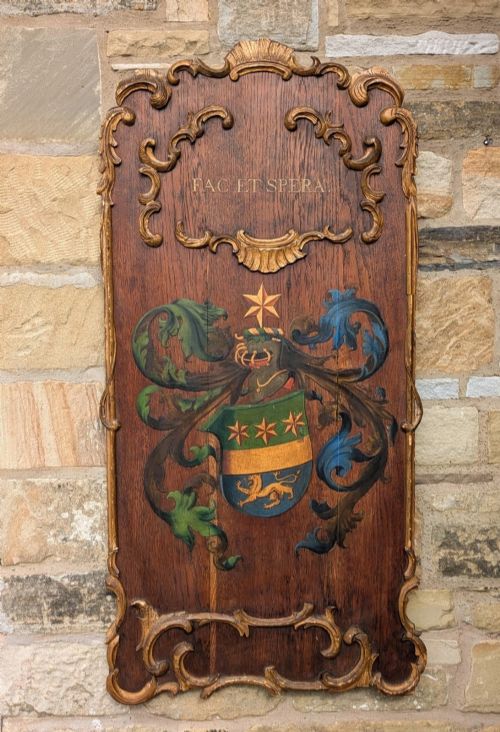
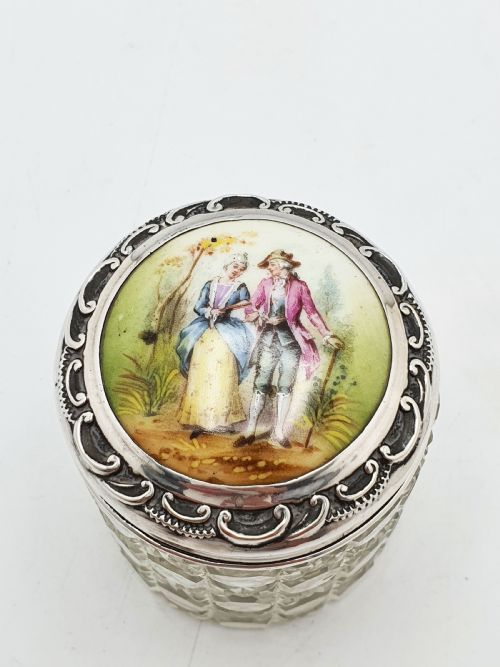
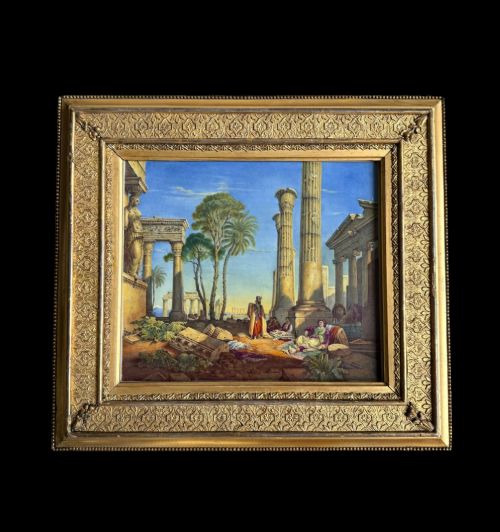
Porcelain and earthenware plaques painted with classical scenes, landscapes or coats of arms sit alongside enamel snuff box lids, framed wood carvings and painted metal architectural plaques. Makers ranged from major European porcelain factories to folk artists and sign painters working across Britain and the Continent.
How they were made
Makers utilised ceramic surfaces like porcelain, earthenware and Delft faience, firing pigment onto the glaze to achieve lasting colour for portraits and landscape views. Enamel on metal provided a smooth, glossy ground for detailed miniatures and oval plaques.
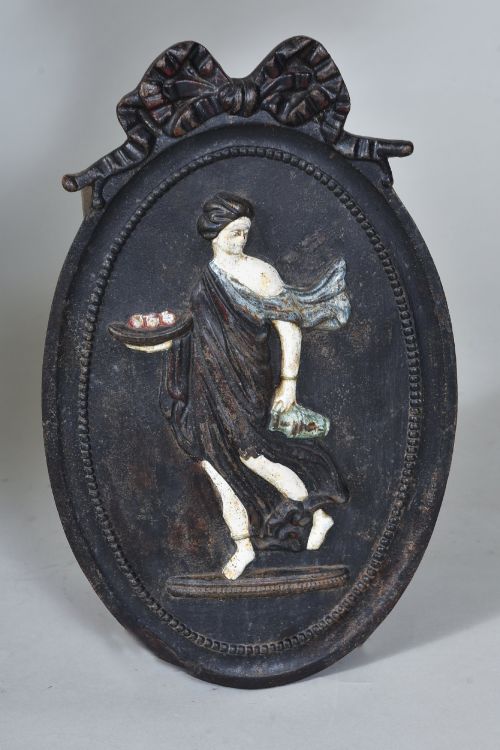
Carved and painted wood panels, cast iron plaques and giltwood frames utilised traditional joinery and metalcasting techniques, sometimes incorporating sterling silver mounts or plaster relief elements.
Antique Plaque Painting Retail Price Guide 2026
Typical asking prices for plaque painting among the pieces listed under this phrase on Sellingantiques today, from the lower quarter to the upper quarter. They describe what is for sale here now, not the wider market.
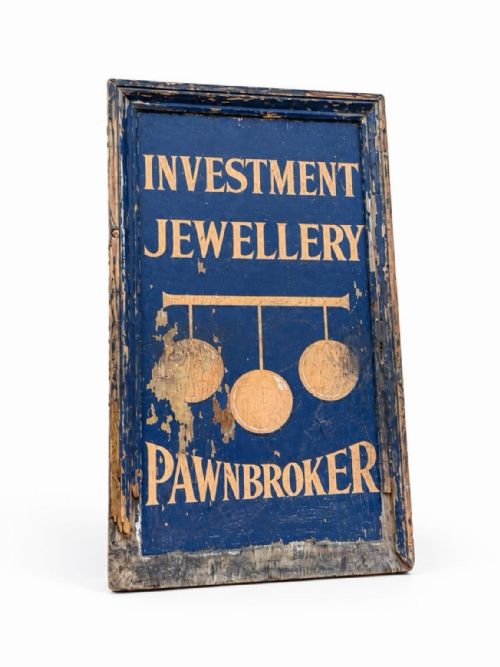
Even a humble washroom sign receives the full hand-painted treatment, proving makers applied artistry to the most utilitarian corners of daily life.
What varies in quality
Execution of the painted brushwork separates standard production items from masterworks, particularly on porcelain and enamel where fine detail in facial expressions and botanical illustration requires exceptional skill. The crispness of the carving in wooden panels or the precision of the casting in iron plaques also indicates the standard of workshop production.
The integration of the plaque with its mount, whether a sterling silver frame, a carved wooden surround or an ebonised stand, contributes to the overall coherence and integrity of the piece.
KPM Berlin·Royal Worcester·Copeland Pottery·Icilio Federico Joni·James Stinton
The Antique Plaque Painting Glossary
- Porcelain plaque
- A flat ceramic tablet fired at high temperatures to provide a smooth, durable surface for detailed hand-painted artwork.
- Delft faience
- Tin-glazed earthenware produced in workshops in England, Holland and Spain, often decorated with polychrome or blue and white designs.
- Enamel plaque
- A fused layer of powdered glass on a metal base, heated until smooth to create a glossy miniature painting.
- Wall relief
- A sculptural panel where the figures or ornaments project from a flat background rather than standing in the round.
- Charger
- A large decorative plate intended for display on a wall or sideboard rather than for dining use.
Antique Plaque Painting: Frequently Asked Questions
How were antique wall plaques displayed?
Many porcelain and enamel plaques were designed to be mounted within wooden frames, velvet-lined surrounds or furniture pieces like jardinière stands. Larger ceramic chargers and iron plaques usually featured integrated hanging holes or rims for wall mounting.
Smaller items like enamel snuff box lids were fitted directly into personal accessories, while wooden panels and carved reliefs were hung individually as framed wall art.
What is the difference between porcelain and earthenware plaques?
Porcelain plaques are fired at extremely high temperatures using fine white clay, resulting in a dense, vitreous body that accepts very delicate, precise brushwork. Earthenware and Delft faience utilise a more porous clay body with a tin glaze, yielding softer lines and broader painterly effects.
Porcelain pieces often date to factory production in the nineteenth century, whereas earthenware chargers and devotional plaques frequently originate from earlier periods.
How do I care for an antique painted plaque?
Keep painted plaques away from direct sunlight and areas of high humidity to protect delicate watercolours, enamels and fragile wooden grounds from fading or warping. Dust porcelain and metal surfaces gently with a dry, soft cloth without applying liquid cleaners.
If the plaque is mounted in a frame or silver mount, handle the entire assembly by the outer edge rather than the painted centre.
Are painted wooden panels considered plaques?
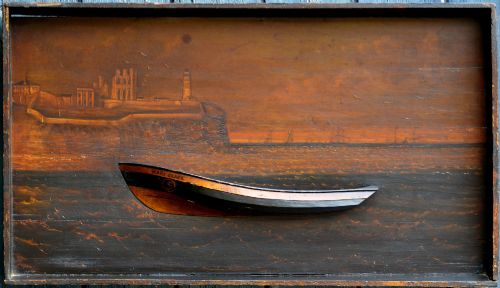
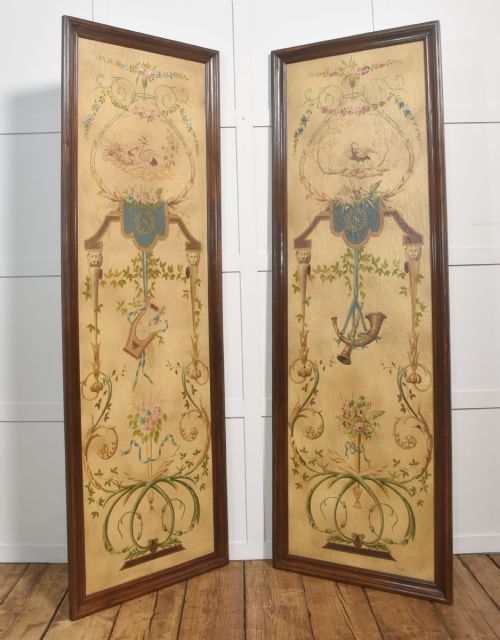
Carved and painted wooden panels function similarly to ceramic plaques, serving as decorative wall reliefs or architectural fragments. Examples range from folk art half models to neoclassical painted decorative panels and trade signs.
These pieces rely on the natural grain and carved depth of the wood alongside applied paint rather than a ceramic glaze.