





Antique Plantation Chair
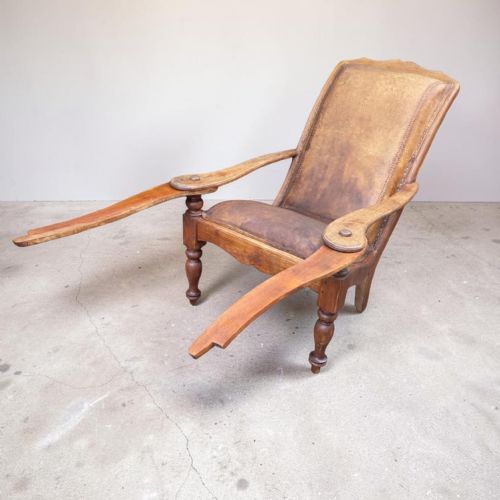
These antique plantation chairs offer deep seats and extended armrests designed for relaxation in warmer climates.
Antique Plantation Chair
An antique plantation chair is a form designed for colonial comfort, typically featuring low seats and broad arms that double as leg rests. They emerge across the nineteenth century and into the early twentieth century within various colonial contexts.
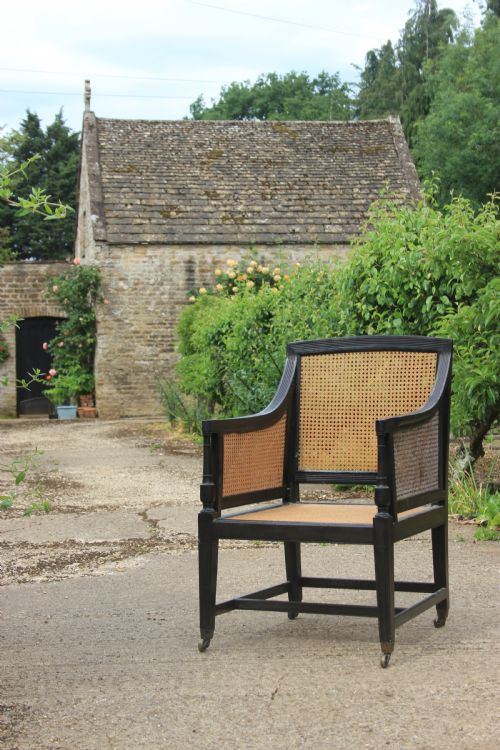
The versions met most often on this page include Anglo-Indian Colonial armchairs, reclining forms, and teak or ebony constructions from the Victorian period.
Makers produced these seating types for domestic ease on verandas, utilising local hardwoods and practical reclining mechanisms.
How they were made
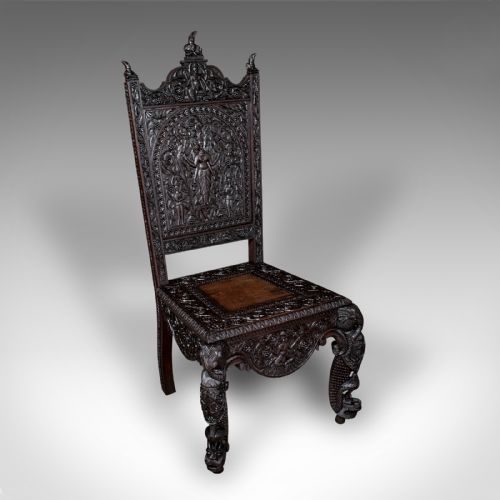
Joiners built these chairs using dense tropical hardwoods such as teak, mahogany, rosewood, and solid ebony, often incorporating carved detail around the frames.
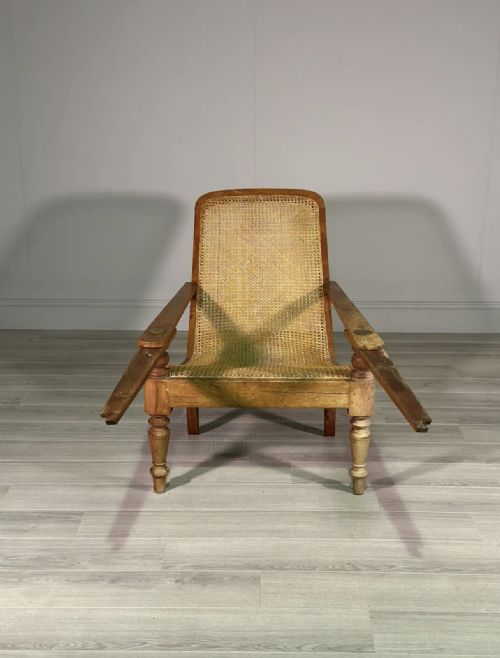
Caning, rattan, and bergere work form the seats and backs, while brass fittings and original leather upholstery appear on specific examples.
Extending armrests let sitters put their feet up without leaving the chair.
What varies in quality
Quality rests upon the selection of timber, such as solid ebony or finely figured rosewood, alongside the intricacy of the carving on the arms and frame.
The integrity of the original caning or leather and the smooth operation of extending arms or reclining mechanisms distinguish finer examples from simpler folding variants.
The Antique Plantation Chair Glossary
- Bergere
- A type of upholstered armchair with a wooden frame where the back and sides are typically filled with cane work. This technique provides lightweight ventilation suited to warmer regions.
- Cane
- Strips of rattan woven into open patterns for seats and backs. It offers resilience and air circulation.
- Extending arms
- Pivoting or pulling wooden armrests that lengthen to support the legs of someone reclining. They define many planter chair designs.
- Chaise longue
- An upholstered couch shaped like a chair with a long seat for reclining. Several colonial examples adapt this form for veranda use.
Antique Plantation Chair: Frequently Asked Questions
What is a plantation chair?
A plantation chair is a nineteenth-century seating form featuring wide armrests designed to double as footrests for resting.
These pieces were constructed in colonial regions for use on verandas and in domestic spaces where climate control relied on ventilation.
How do I care for cane seats?
Cane seats require gentle cleaning with a damp cloth and occasional light conditioning to prevent the natural fibres from becoming brittle.
Keep these chairs away from direct heat sources and heavy concentrated weight to preserve the tension of the woven rattan.
Where were these chairs made?
These pieces originated in various nineteenth-century colonial regions, including Anglo-Indian workshops, Ceylon, and Burma.
Local cabinetmakers utilised native timbers such as teak and ebony to construct forms adapted for British and European residents abroad.