


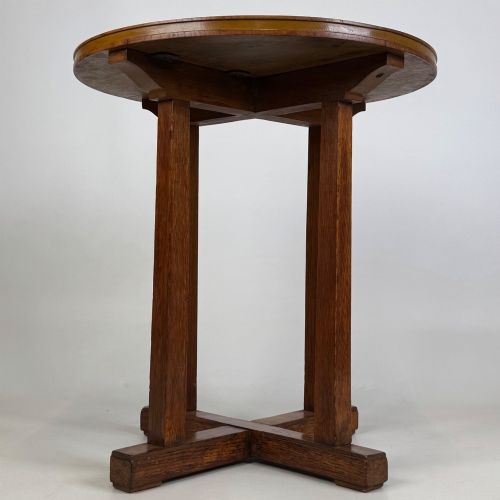
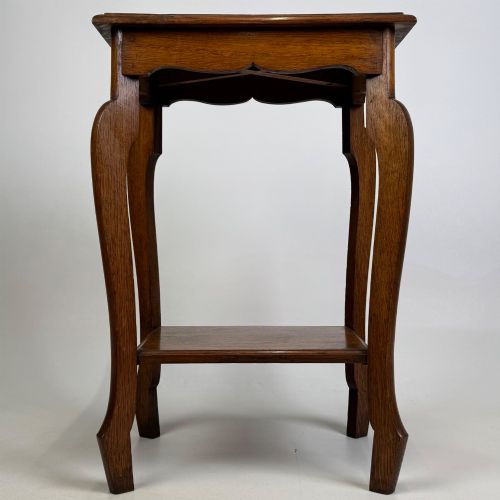
Antique Plant Stand Table
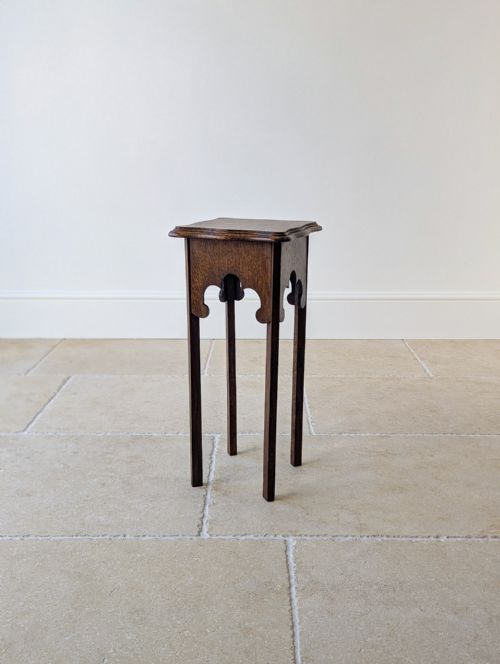
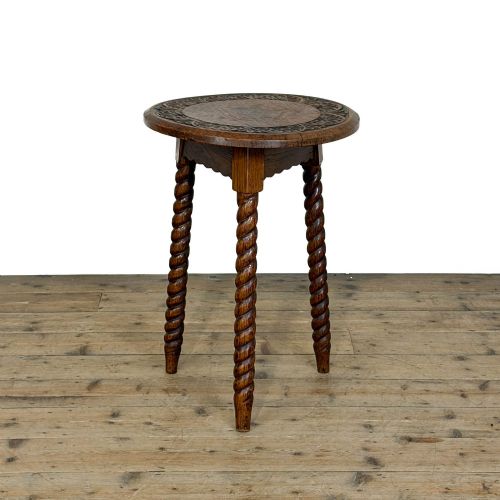
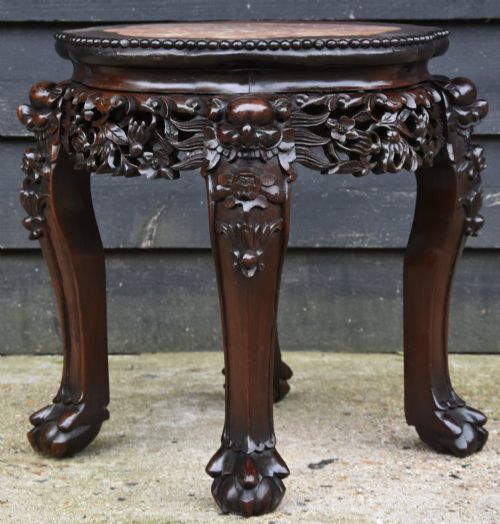
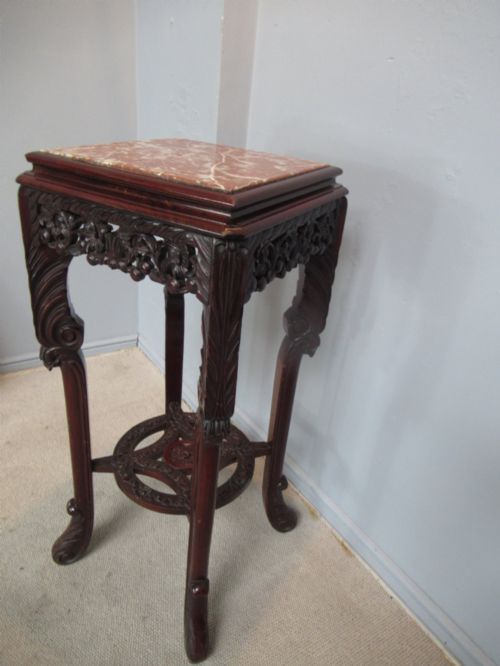
These antique plant stand table pieces combine practical display surfaces with elevated botanical staging.
What an antique plant stand table is
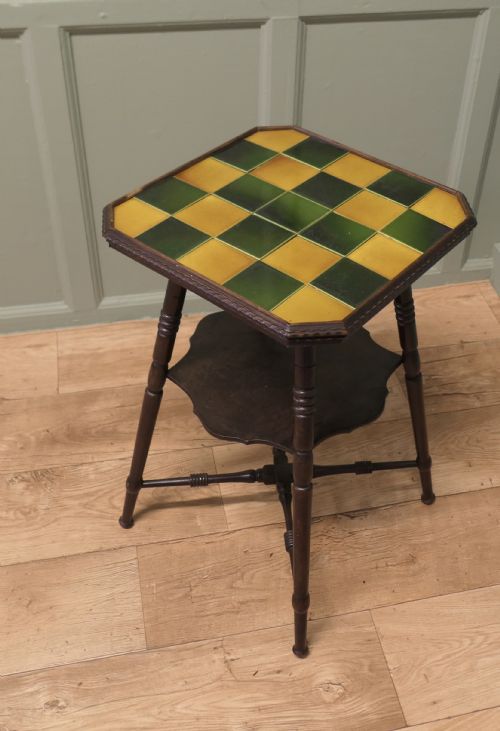
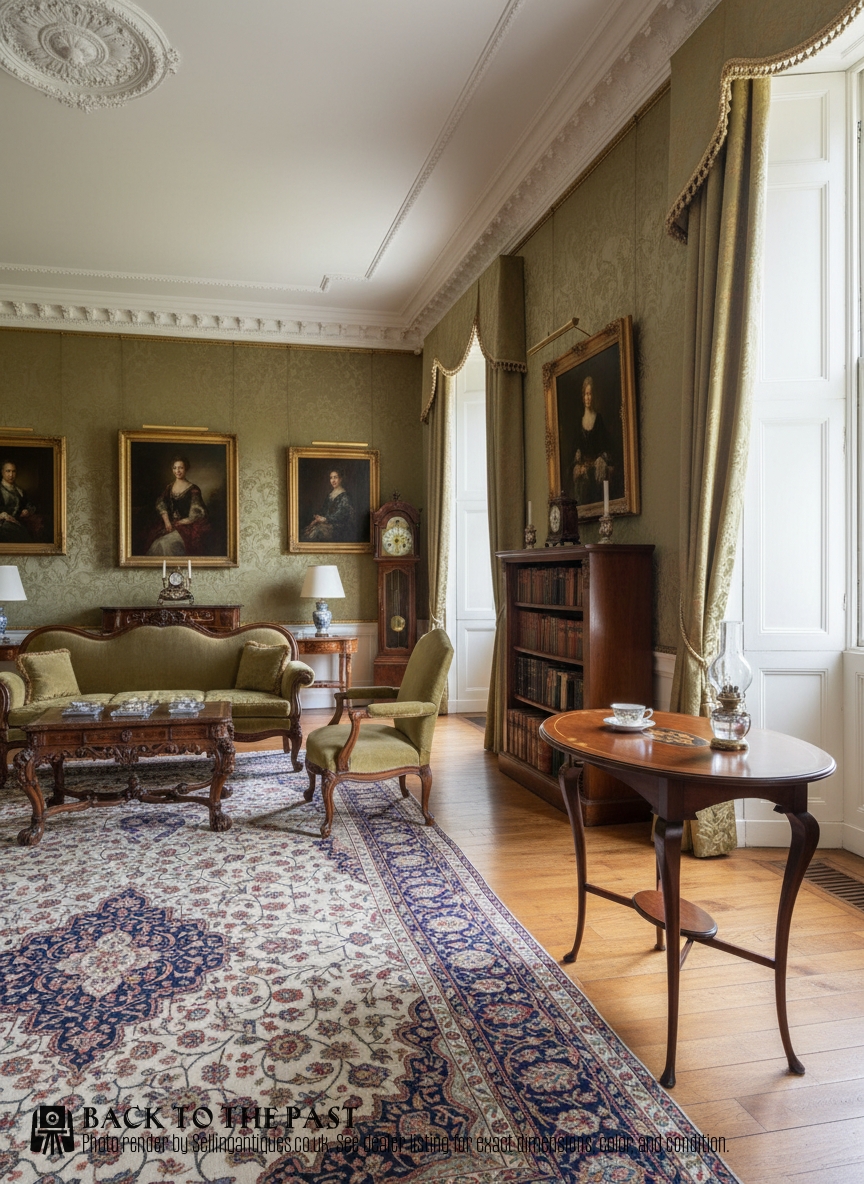
An antique plant stand table functions primarily as a raised platform for holding floral displays, ferns or jardiniere pots inside domestic interiors. Buyers searching for an antique plant stand table will encounter multi-functional occasional tables, torchere stands, and side tables that double as plant holders.
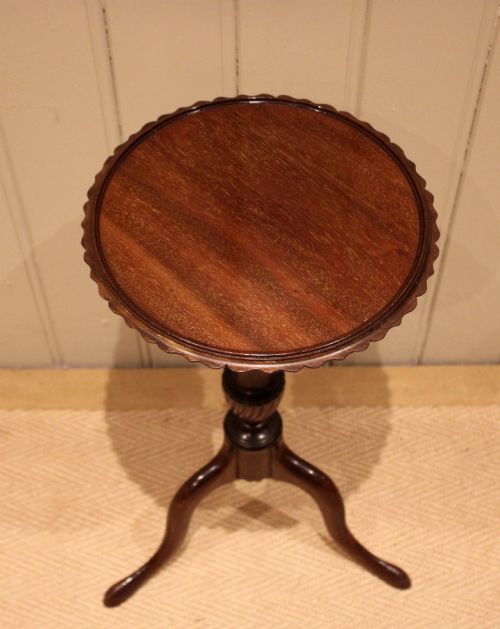
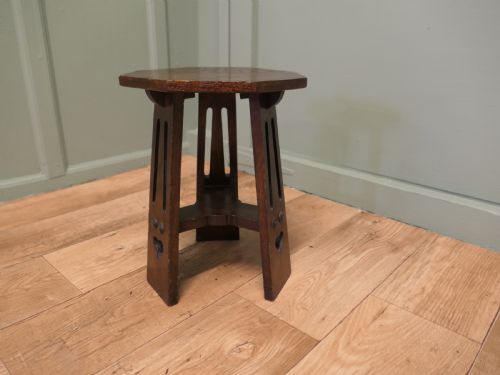
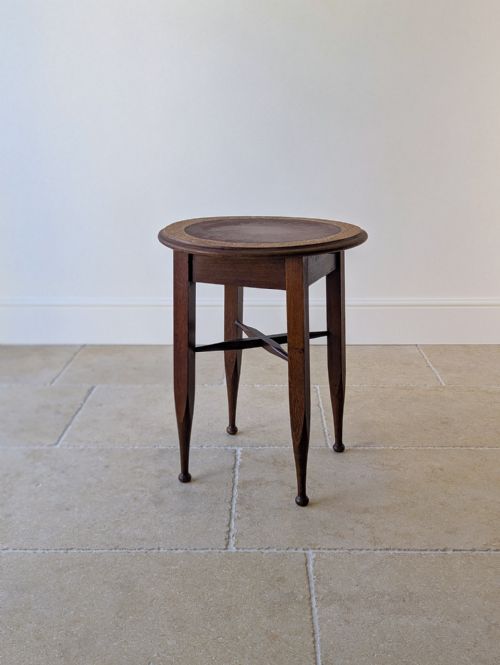
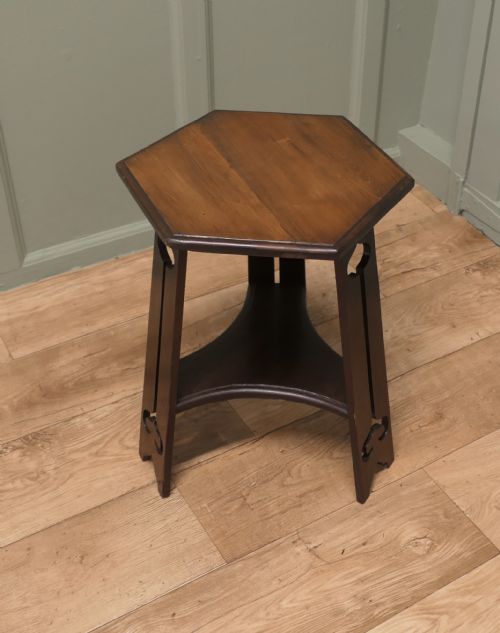
The recorded periods span the Victorian era, Edwardian period, and the early twentieth century. Common physical forms include circular, oval, hexagonal, and multi-tiered occasional tables alongside dedicated tall stands.
Origins represented in the evidence include English, French, and Chinese workshops, utilising both formal and vernacular design vocabularies. The most frequent iteration met on this page is the Edwardian or Victorian mahogany occasional table adapted or designed for displaying plants and lamps.
Materials and construction
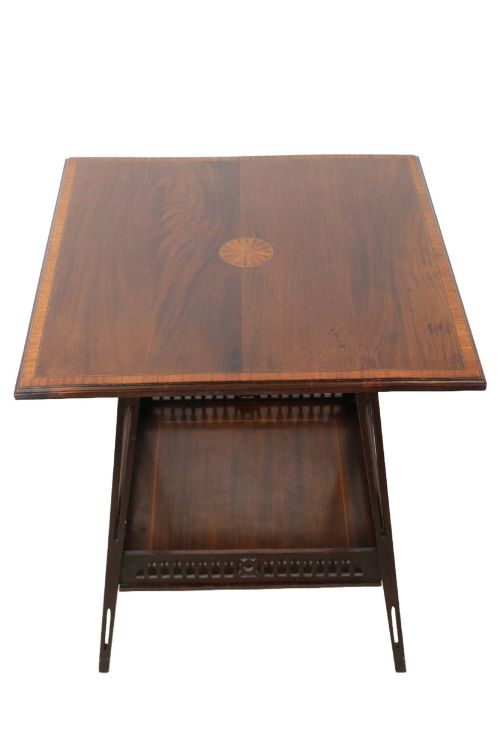
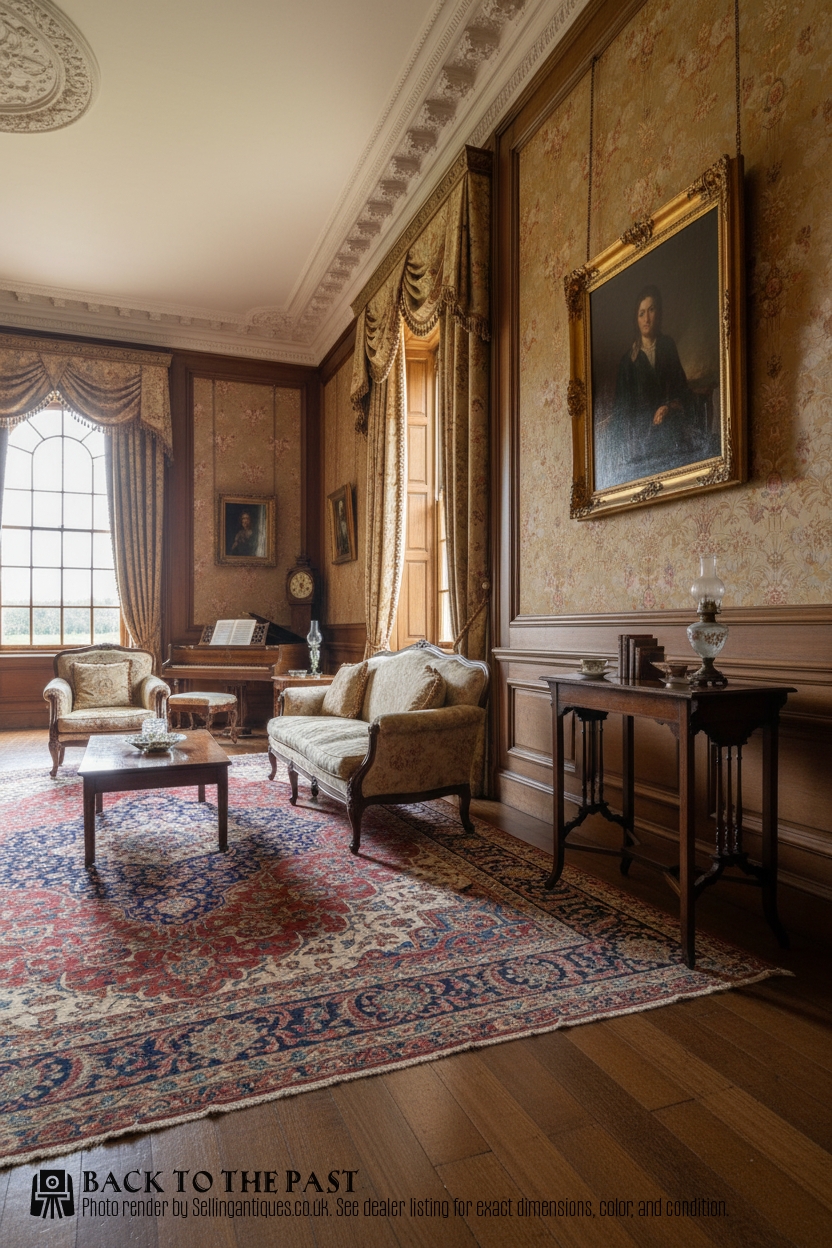
Makers utilised timber solids and veneers such as mahogany, satinwood, oak, elm, pine, and mixed hardwoods. Decorative enrichment frequently involved contrasting satinwood inlay, brass fittings, or applied ormolu mounts.
Specific forms incorporate specialist details like marble inset tops, tray tops, cast iron frames, and bamboo construction. Structural methods range from standard tripod bases and four-legged occasional tables to adjustable mechanisms and six-sided frames.
Retail Price Guide 2026
Typical UK retail prices for plant stand table, calculated from the Sellingantiques database of over a million retail prices indexed since 2003. This retail price guide relies exclusively on Sellingantiques data; no external sources or auction records are used, so the figures do not describe the wider market.
Some Victorian plant stands feature adjustable heights, accommodating plants that grew taller than expected.
Distinctions in quality
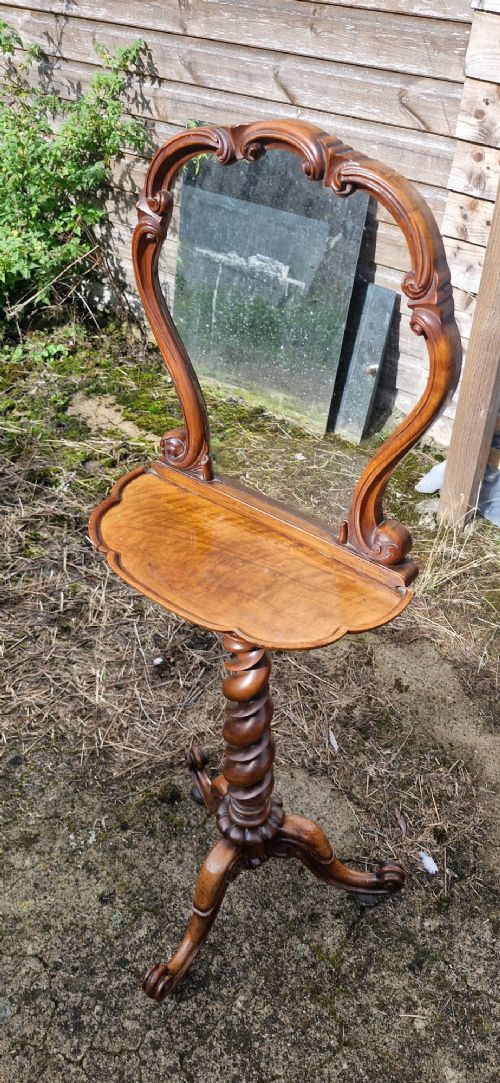
The upper tier of pieces displays superior timber selection, evident in figured mahogany grains or crisp, precise satinwood inlay. Finer examples integrate thoughtful structural details such as galleried tray tops, inset marble slabs, or sophisticated turning and carving.
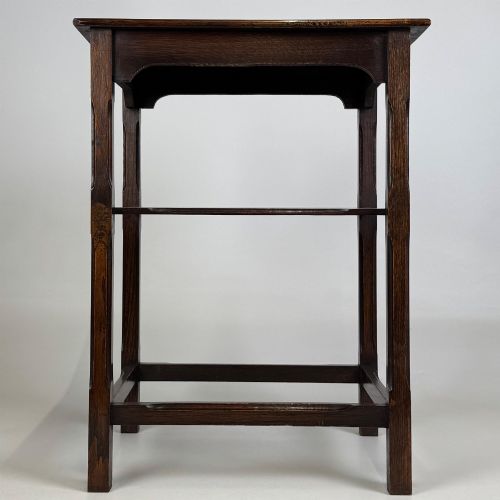
Simpler vernacular examples rely on basic pine, oak, or bamboo framing with plain tops and minimal ornamentation. The presence of documented style movements like the Aesthetic Movement, Arts and Crafts, or Art Nouveau elevates the design ambition of the piece.
The Antique Plant Stand Table Glossary
- Occasional table
- A small, movable table designed for a specific, transient use in a room. These versatile pieces function easily as lamp holders or plant supports.
- Torchere
- A tall, slender stand traditionally intended to hold a candle or torch. In later periods, these evolved to support potted plants or small lamps.
- Jardiniere
- An ornamental pot or container for plants or flowers. Stands built specifically for these vessels often feature waterproof inserts or marble tops.
- Inlay
- A decorative technique where pieces of contrasting material are inserted into a recessed wooden surface. Satinwood inlay frequently provides linear or botanical motifs on mahogany grounds.
- Tripod base
- A supporting structure consisting of three legs radiating from a central column. This configuration ensures stability on uneven floorboards.
Frequently Asked Questions
What is an antique plant stand table used for?
These tables provide a stable, elevated surface designed to display potted plants, trailing ferns, or decorative jardinieres within living spaces. Their compact footprints also allow them to function effectively as side tables or lamp stands.
Historically, raising plants off the ground protected floor coverings from moisture while placing delicate foliage closer to natural window light. Today, collectors continue to utilise them for botanical displays or as accent furniture in corners and hallways.
How do I identify a Victorian plant stand table?
Victorian pieces often display heavier proportions, robust timber framing, and rich dark mahogany surfaces. Common stylistic markers include Aesthetic Movement influences, bamboo construction, or heavy cast iron and marble combinations.
Examining the construction joints, timber oxidation, and wear patterns helps confirm nineteenth-century origin. Many double as occasional tables or adjustable stands dating from the mid to late nineteenth century.
Are Edwardian plant stand tables different from Victorian ones?
Edwardian examples generally exhibit lighter construction, slender legs, and more delicate decorative details such as satinwood inlay. They frequently draw upon Arts and Crafts, Art Nouveau, or Sheraton revival styles.
These pieces tend to feel airier and more refined than their heavier Victorian predecessors. They often serve multiple functions, appearing as kettle stands, lamp tables, or cake stands alongside plant display.
Can these tables hold heavy ceramic pots?
Sturdier hardwood and cast iron examples easily support substantial ceramic jardiniere pots and heavy marble bases. Tripod and four-legged occasional tables distribute weight securely across their frames.
Lighter bamboo, wicker, or delicate occasional tables suit smaller potted plants rather than massive architectural planters. Checking the stability of the central column and leg joints indicates the appropriate weight capacity for each individual piece.