
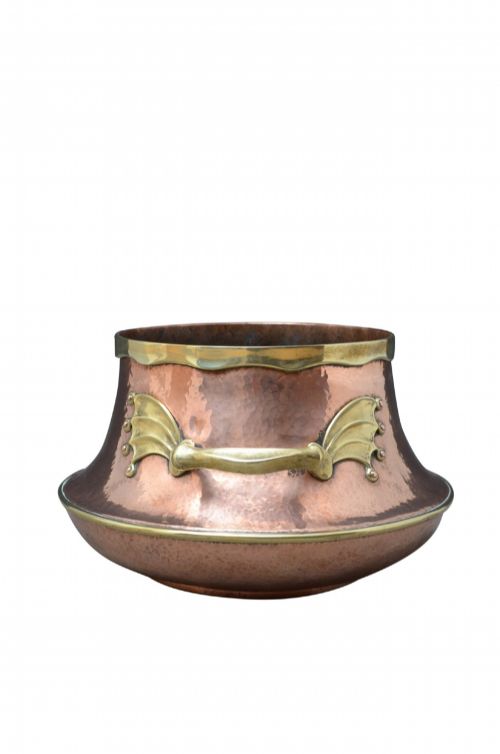
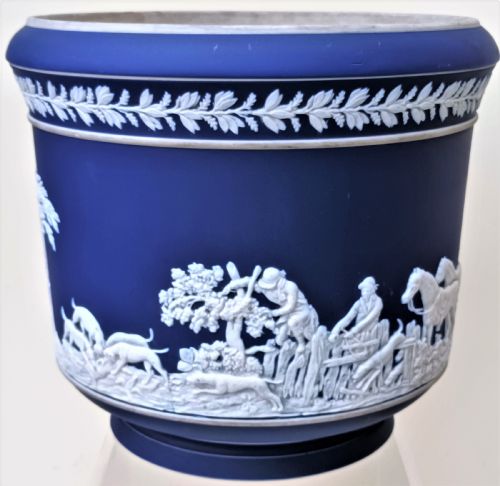


Antique Plant Pot Holder
An antique plant pot holder brings character to greenery, housing indoor flora in worked metals, ceramics, and rich timbers from past centuries.
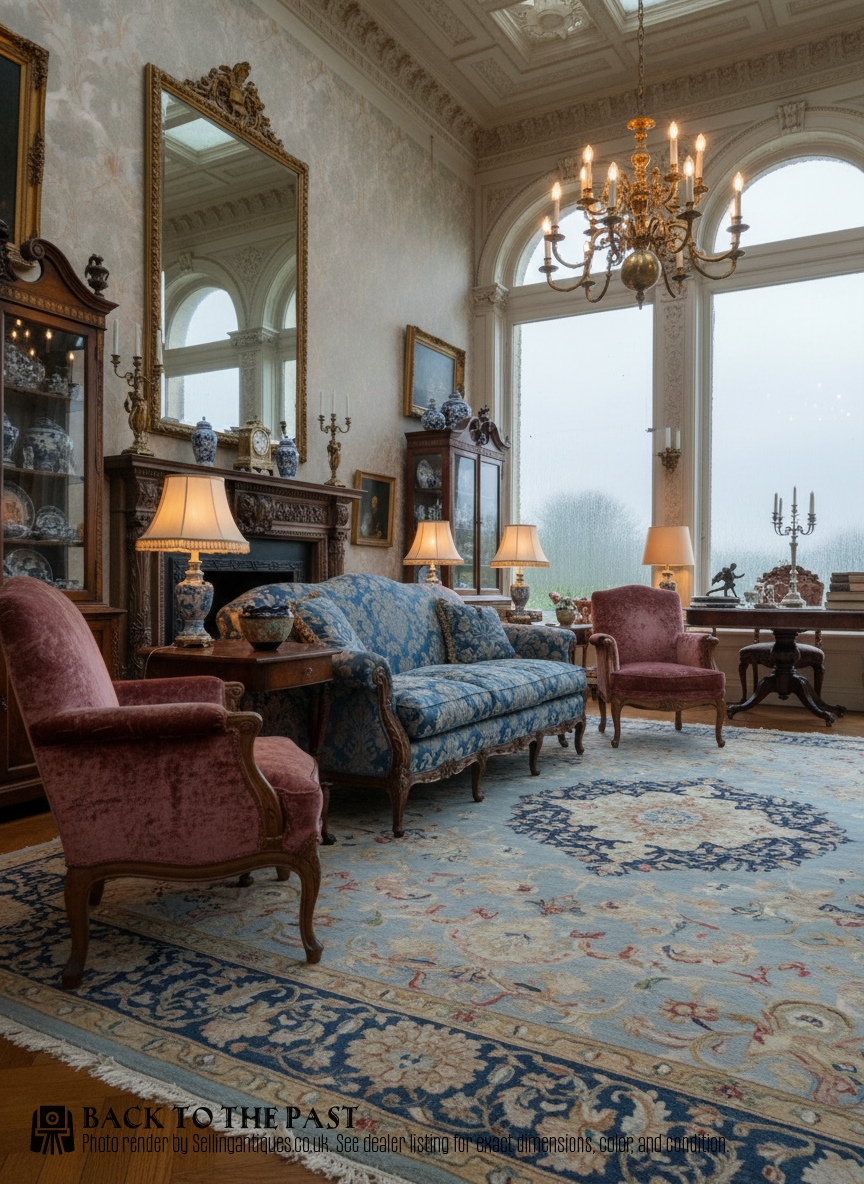
Antique Plant Pot Holder
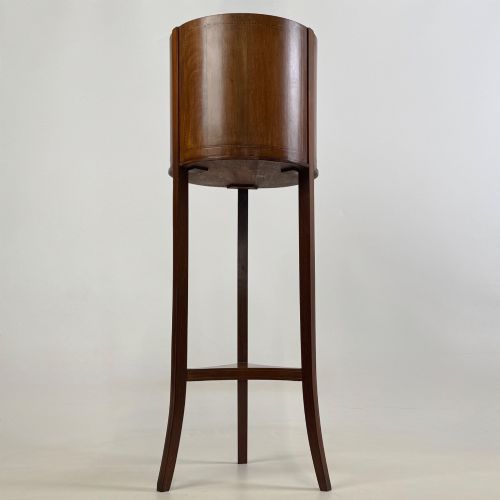
An antique plant pot holder takes various forms, most commonly appearing as a jardiniere, cachepot, or plant stand designed to display indoor foliage. Buyers searching for an antique plant pot holder will encounter brass and copper vessels alongside mahogany stands and ceramic pots.
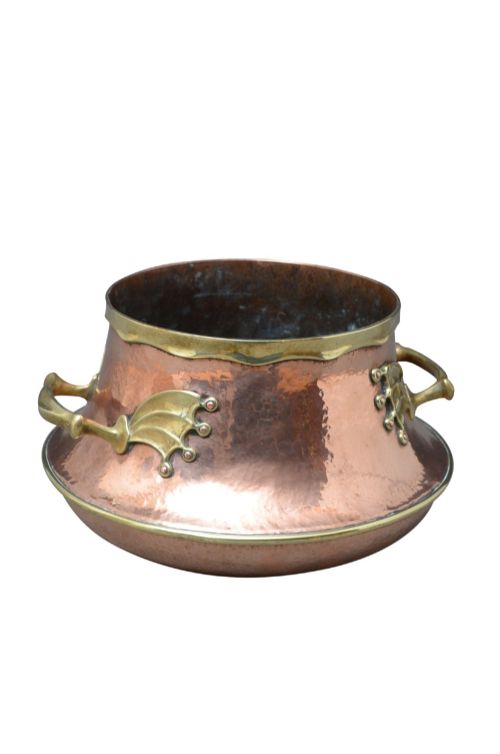
The pieces span the nineteenth century into the Edwardian era, encompassing Victorian and Arts and Crafts aesthetics. Metal vessels dominate the selection, often taking cylindrical or oval shapes intended to sit on tables or floors.
Makers produced these items for domestic plant display, sometimes incorporating liners or stands to protect interior surfaces. The selection reflects domestic tastes from the eighteen-seventies onward, balancing utility with decorative ornamentation.
Materials and construction methods
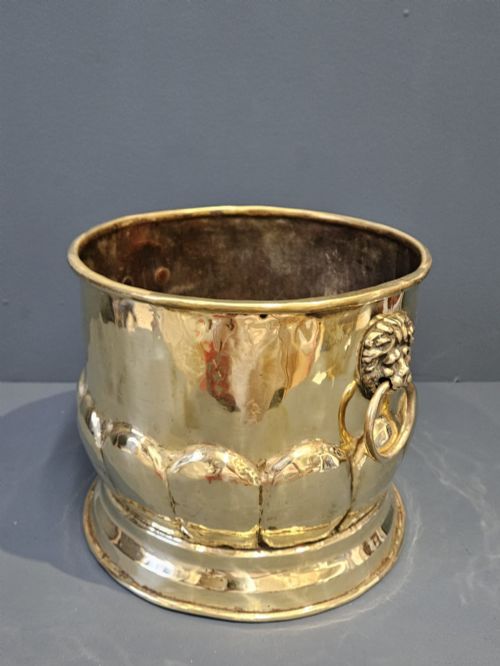
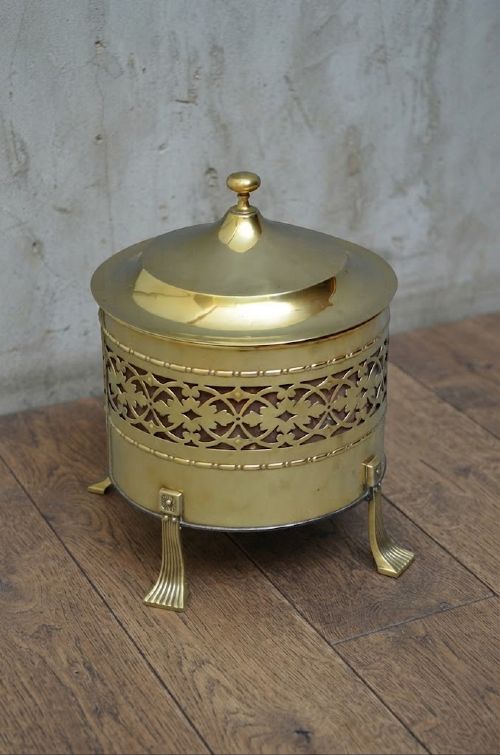
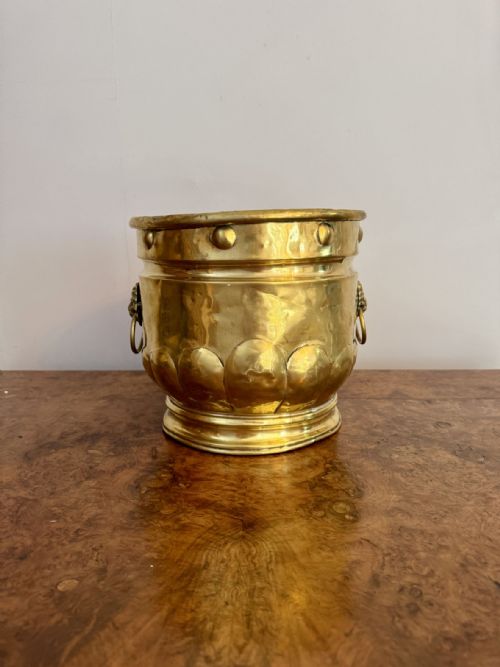
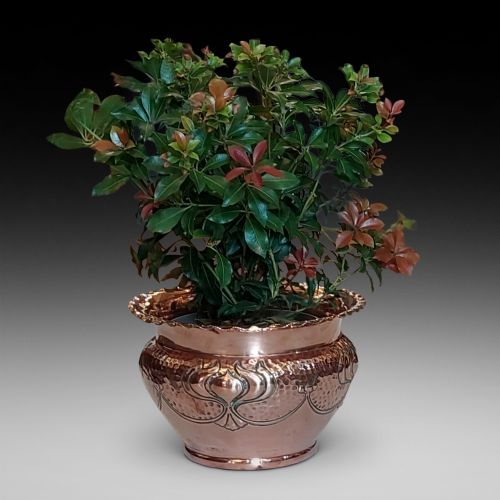
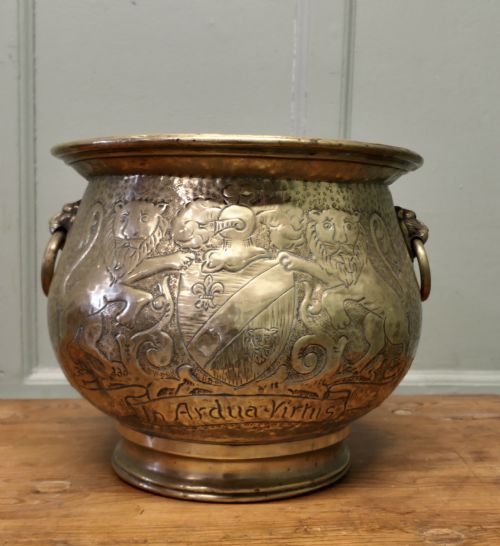
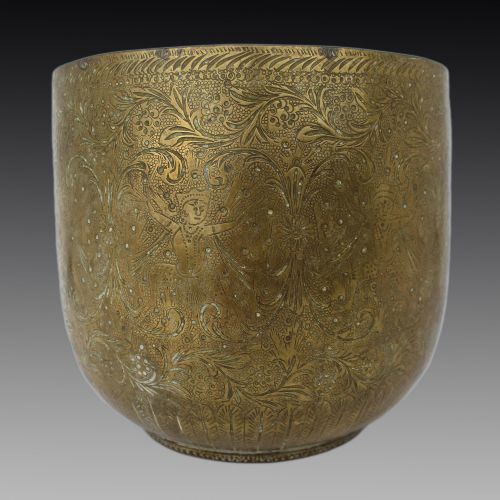
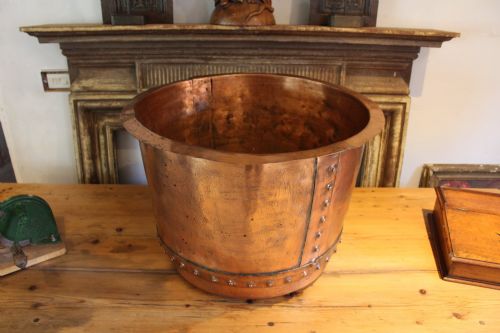
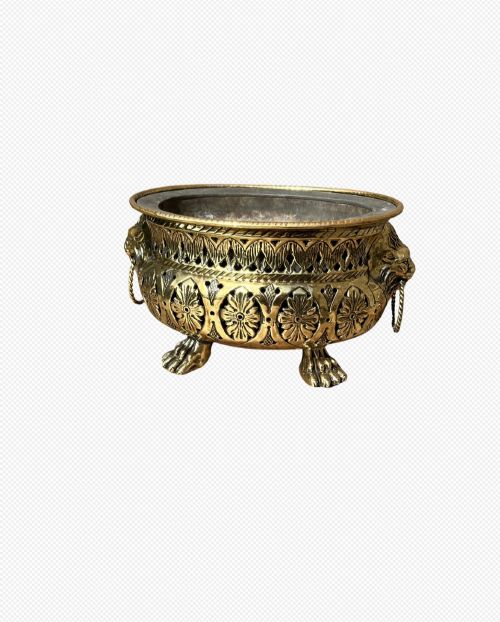
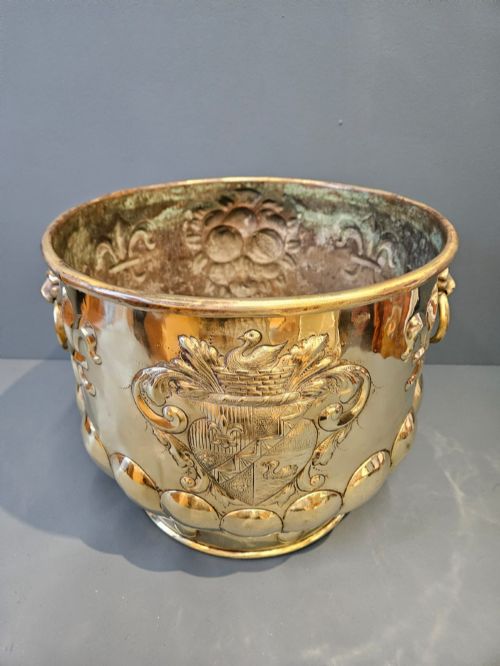
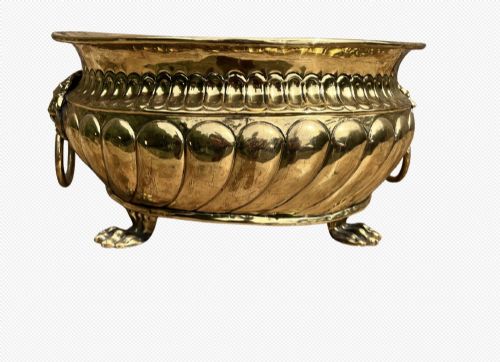
Metals form the core of the selection, with brass and copper hammered, pierced, or worked in repoussé to create textured surfaces. Artisans employed joining techniques suitable for heavy vessels, adding cast handles shaped as lions' masks or geometric brackets.
Timber versions utilise mahogany and English oak, frequently employing coopered stave construction or turned supports. Ceramic examples incorporate stoneware, porcelain, and jasperware, sometimes paired with silver-plated stands.
Several brass vessels feature fierce lions' mask handles, standing guard over modest ferns and ivies.
Assessing quality and craftsmanship
Quality rests in the depth and crispness of the metalwork, where hand-be hammered details and precise piercing distinguish superior vessels from plain industrial stampings. Weight and gauge of the metal indicate durability and substance.
Design integration elevates certain pieces, particularly when decorative motifs like heraldic crests, animal heads, or Art Nouveau styling are executed with proportion and harmony. Original stands and liners intact with the main vessel elevate the integrity of the piece.
William Adams and Sons·Royal Doulton·J Sankey and Sons·Royal Worcester
The Antique Plant Pot Holder Glossary
- Jardiniere
- A large decorative pot or stand for holding plants or flowers. These vessels sit on floors or tabletops.
- Cachepot
- An ornamental container designed to conceal a plain flower pot. The term translates from French as hiding pot.
- Repoussé
- A metalworking technique where the artisan hammers a design from the reverse side to form a raised pattern. This creates tactile relief on brass and copper surfaces.
- Coopered
- Constructed from wooden staves fitted together and bound by metal hoops, similar to barrel making. This technique appears in wooden plant stands and bins.
Antique Plant Pot Holder: Frequently Asked Questions
What is the difference between a jardiniere and a cachepot?
A jardiniere typically stands alone as the primary vessel for planting directly or holding flora within an integrated space. A cachepot functions specifically as an outer decorative container designed to hide a utilitarian inner flower pot.
Both serve similar ornamental purposes in period interiors, though jardiniere vessels often scale larger and feature more elaborate handles or stands.
How were these metal holders used in period homes?
Victorians and Edwardians placed these vessels on hearths, tables, or dedicated stands to bring living greenery and palms indoors. They acted as decorative focal points in drawing rooms and conservatories.
Many incorporated metal liners to catch drainage water and protect polished wooden furniture from moisture damage.
Can these antique holders still be used for live plants?
Many metal and ceramic examples remain robust enough to hold potted plants, provided liners are used to prevent direct contact with water. Original metal liners help preserve the interior condition of older vessels.
Care should be taken with antique timber stands to avoid water spillage on aged wood surfaces.