





Antique Pique Jewellery
Antique pique jewellery brings together tortoiseshell, silver and gold in tactile boxes, brooches and pendants shaped by Victorian and Edwardian hands.
Antique Pique Jewellery
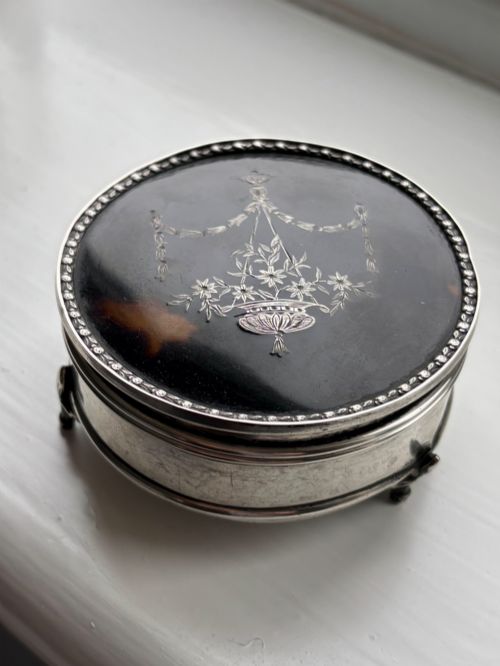
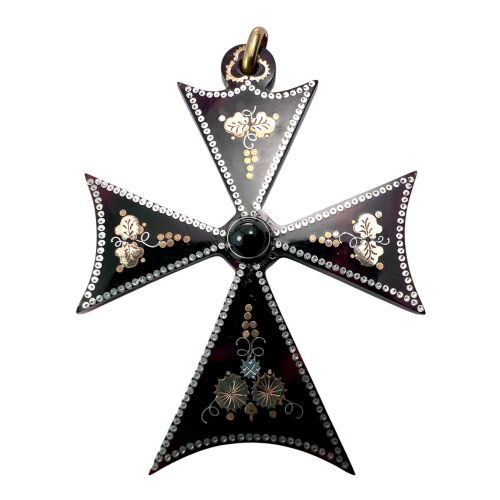
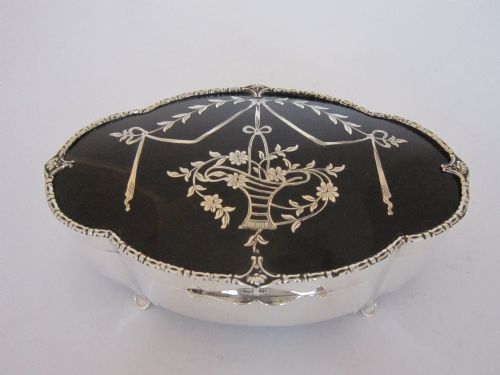
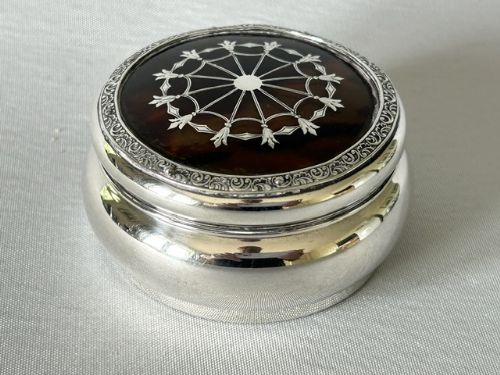
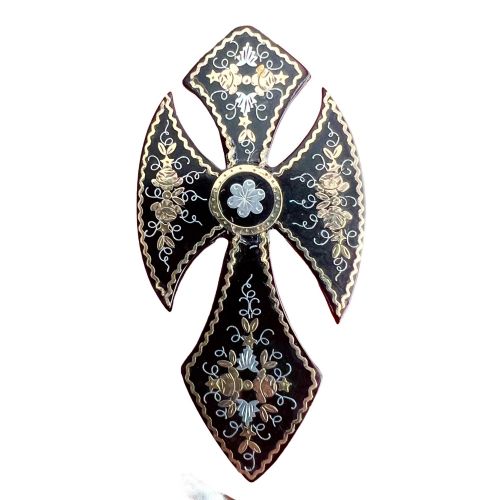
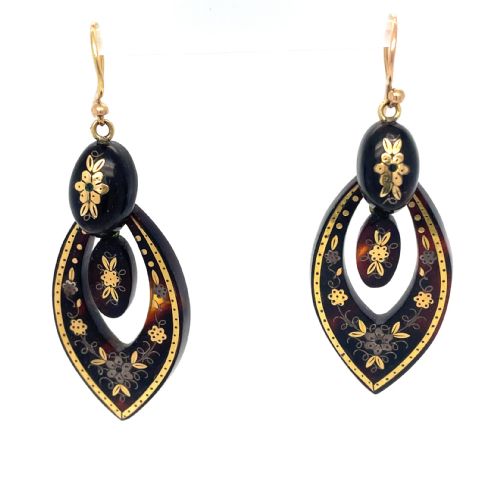
Antique pique jewellery encompasses small personal ornaments and receptacles created during the Victorian and Edwardian eras, stretching into the early twentieth century under George V. The pieces met here include trinket boxes, dressing table boxes, jewellery boxes, brooches, pendants, lockets, earrings and crosses.
The most frequent encounters on this page are tortoiseshell boxes and brooches inlaid with precious metals, alongside gold earrings and silver lockets bearing enamel and seed pearl details.
How they were made
Craftsmen shaped natural tortoiseshell and faux tortoiseshell, incorporating sterling silver and gold wire or sheet into intricate patterns. Many boxes and brooches combine silver and gold inlay directly into the shell surface, secured with heat and pressure.
Mounts often feature rope-edge silver borders, while boxes incorporate sterling silver hinges and linings. Selected pieces add contrasting enamel, onyx and seed pearls to the metal and shell ground.
Antique Pique Jewellery Retail Price Guide 2026
Typical asking prices for pique jewellery among the pieces listed under this phrase on Sellingantiques today, from the lower quarter to the upper quarter. They describe what is for sale here now, not the wider market.
Tiny gold pins dance across amber shell to hold secrets in miniature.
What varies in quality
The precision and complexity of the metal inlay set superior items apart from simpler examples. Fine work displays crisp, dense patterns of silver and gold across the tortoiseshell ground without misalignment.
The integration of secondary materials such as enamel, seed pearls and solid gold mounts distinguishes exceptional brooches and boxes from standard production.
Ollivant & Botsford·Asprey & Co.·Charles Boyton
The Antique Pique Jewellery Glossary
- Pique
- The technique of inlaying tortoiseshell with tiny points or patterns of gold and silver. This decorative method defines the character of these boxes and brooches.
- Tortoiseshell
- A mottled brown and amber material sourced from marine turtles, utilised as the primary base for piqué work. It provides a warm contrast to silver and gold inlay.
- Sterling silver
- A silver alloy containing ninety-two point five percent pure silver, used extensively for box mounts, lockets and frames. It stamps items with durability and bright reflection.
- Seed pearl
- A very small natural or cultured pearl, often threaded into clusters or borders on Victorian lockets and brooches. These tiny pearls add soft luminance to darker settings.
Antique Pique Jewellery: Frequently Asked Questions
What is antique pique jewellery?
Antique pique jewellery refers to decorative items made from tortoiseshell inlaid with gold or silver, spanning the Victorian and Edwardian periods. These objects range from wearable brooches and earrings to larger trinket and dressing table boxes.
The craft relies on precise metal insertion into heated shell, producing patterns that catch the light. Pieces often incorporate sterling silver mounts, enamel or seed pearls.
How do I date antique pique boxes?
Dating relies on hallmarks stamped on the silver mounts, alongside the overall style and construction of the piece. Victorian examples typically show heavier gold and silver inlay, while Edwardian and George V boxes often bear precise assay office marks and dates.
Examining the hinges, interior linings and feet also helps place a box within its proper decade, distinguishing mid-Victorian work from later twentieth-century production.
How should I care for tortoiseshell jewellery?
Tortoiseshell requires gentle handling because it is an organic material that reacts to extreme dryness, moisture and direct sunlight. Keep pieces away from harsh chemicals, perfumes and cosmetics to protect the polished surface.
Dust boxes and brooches regularly with a soft, dry cloth and store them in stable environmental conditions to prevent warping or loosening of the metal inlay.
What materials accompany tortoiseshell in these pieces?
Silver and gold appear most frequently as inlay, wirework and structural mounts on tortoiseshell pieces. Sterling silver provides frames and hinges, while yellow gold often highlights specific floral or geometric motifs.
Additional embellishments include black enamel, onyx and seed pearls, which enhance the contrast against the dark, mottled amber tones of the shell.