



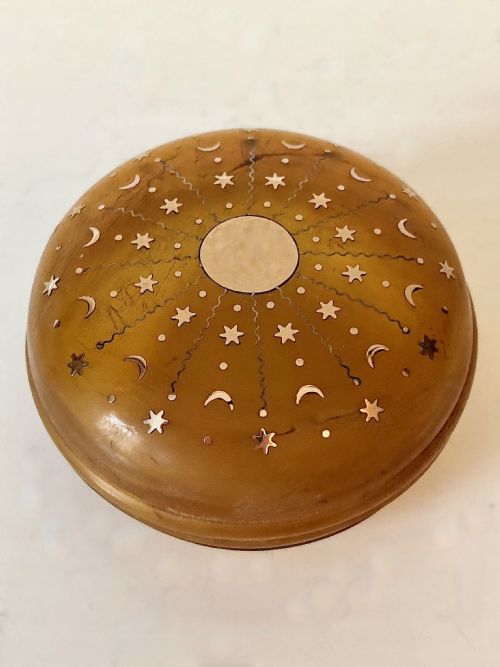


Gold Inlaid Tortoiseshell
Gold inlaid tortoiseshell pieces combine warm organic shell with precious metals, offering a tactile elegance that collectors prize for its intricate detail.
Gold Inlaid Tortoiseshell
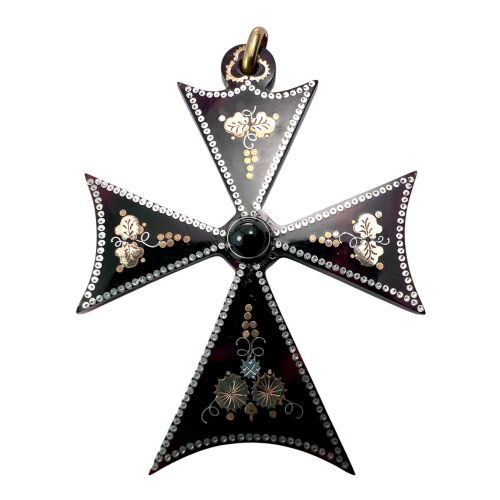
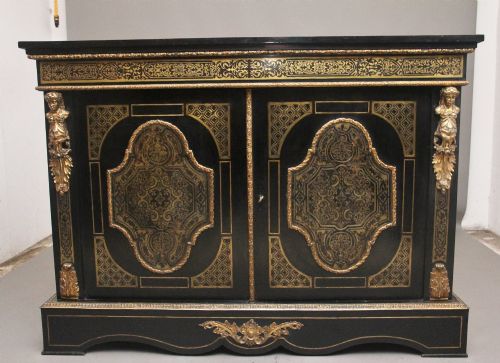
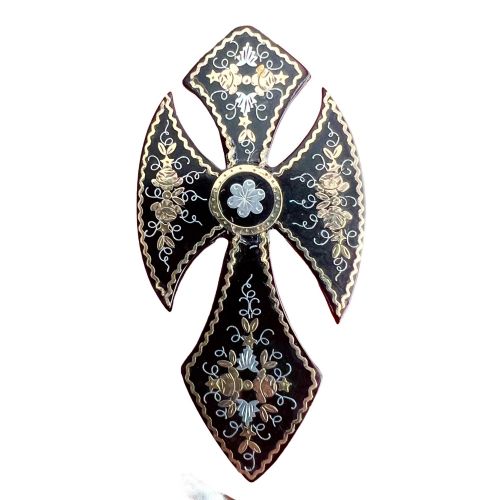
You are most likely to meet small personal ornaments, notably crosses and brooches executed in Victorian pique work, alongside pocket-sized snuff boxes. Furniture pieces displaying boulle work in tortoiseshell and brass also appear frequently among these listings, alongside clocks mounted in ormolu.
The objects originate from English and French workshops, showing a clear division between intimate personal accessories and grand salon furniture. Blond tortoiseshell variations and ebonised wood structures further distinguish the specific items available for purchase.
What varies in quality
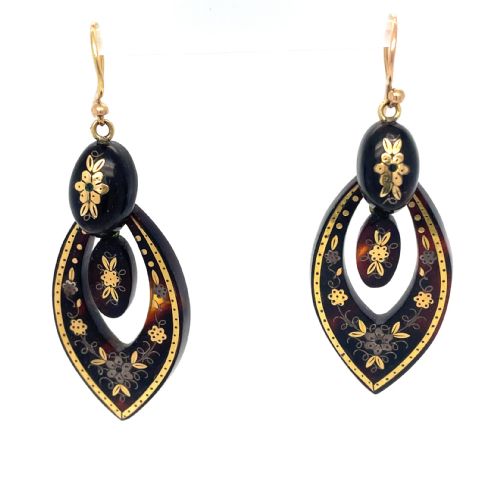
The distinction between ordinary and exceptional examples rests upon the density and intricacy of the metal inlay work. Pieces displaying delicate, multi-coloured gold and silver pique together command attention for the precision required by the artisan.
Condition of the organic shell and the stability of the metal pins define the tier of the piece. Superior examples retain every minute pin without lifting, while the underlying tortoiseshell maintains its rich translucency and depth of colour without severe warping or patching.
The listings on this page span the Georgian era through the Victorian period, featuring both personal ornaments and nineteenth-century French furniture.
Maison Millet·Samuel Marti
The Gold Inlaid Tortoiseshell Glossary
- Pique
- A decorative technique involving the insertion of gold, silver, or other metals into tortoiseshell or ivory. This method creates shimmering surface patterns popular in Victorian and earlier decorative arts.
- Boulle
- An elaborate form of marquetry using brass and tortoiseshell, developed in France and widely utilised on nineteenth-century cabinets, tables, and clocks. The contrasting materials create a striking optical effect.
- Ormolu
- Gilded bronze used for mounts, feet, and decorative framing on furniture and clocks. It provides a bright, metallic contrast to dark tortoiseshell surfaces.
- Tortoiseshell
- A mottled brown and amber material obtained from the shell of certain marine turtles, valued for its warmth and translucency. It forms the primary ground for delicate metal inlays.
- Ebonised
- Wood treated to resemble ebony, providing a dense black background that enhances the brilliance of gold inlay and tortoiseshell panels.
Gold Inlaid Tortoiseshell: Frequently Asked Questions
How do I clean gold inlaid tortoiseshell?
Clean these delicate objects gently using a soft, dry cloth to remove dust without disturbing the metal pins. Avoid water, alcohol, or harsh chemical cleaners, as moisture damages the organic shell and weakens the underlying adhesives.
For intricate pique work, a very lightly dampened cloth followed immediately by dry buffing helps lift grime from crevices. Store pieces away from direct sunlight and extreme temperature fluctuations to prevent warping.
Is tortoiseshell jewellery fragile?
Tortoiseshell possesses a natural flexibility when new, but age makes the material brittle and susceptible to splitting. Earrings, brooches, and pendants require careful handling and safe storage away from heavy pressure to prevent fractures.
The metal inlay relies on the shell's grip; dropping a piece can dislodge tiny gold or silver pins. Wearing them with care ensures these antique accessories survive intact for daily enjoyment.
What is the difference between pique and boulle?
Pique work generally refers to small personal items and jewellery where tiny individual gold and silver pins or strips are pressed directly into tortoiseshell. The effect is intimate, detailed, and primarily ornamental.
Boulle work is a form of marquetry applied to furniture and clocks, featuring larger sheets of tortoiseshell and brass cut into interlocking patterns. This technique covers expansive surfaces on cabinets and tables rather than small accessories.
How can I tell a Victorian piece from a Georgian one?
Georgian pieces, including snuff boxes and boxes, often display simpler forms with restrained gold and silver inlay work dating into the late eighteenth century. Their construction methods reflect earlier hand-tooling traditions.
Victorian items frequently exhibit denser pique work, incorporating complex crosses, brooches, and earrings with bright yellow gold highlights. The period also saw a revival of interest in historical French styles applied to personal ornaments.