
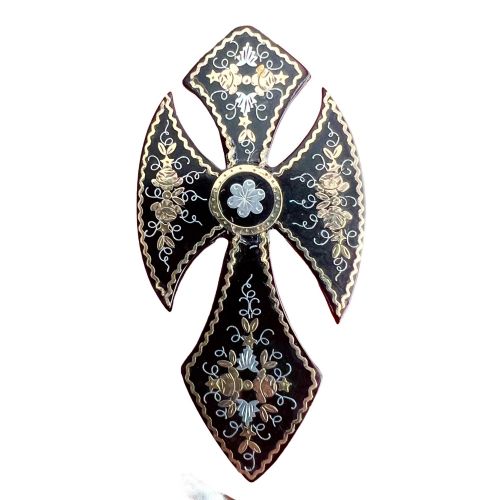


Victorian Cross Pendant
A victorian cross pendant brings together deep devotion and meticulous craftsmanship, offering a wearable piece of history.
Victorian Cross Pendant
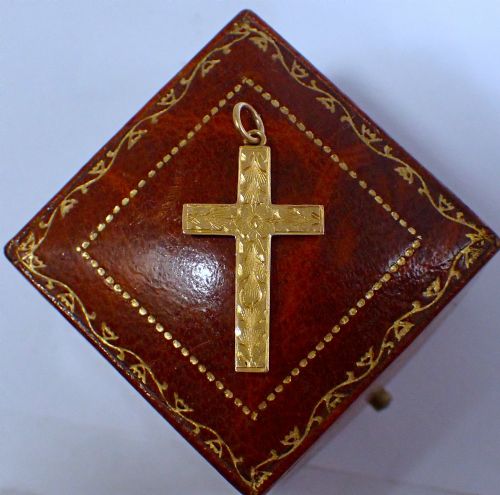
A victorian cross pendant represents a devotional form that transitioned into a prominent accessory during the nineteenth century. These pieces appear in configurations ranging from simple engraved metals to elaborate gem-set designs.
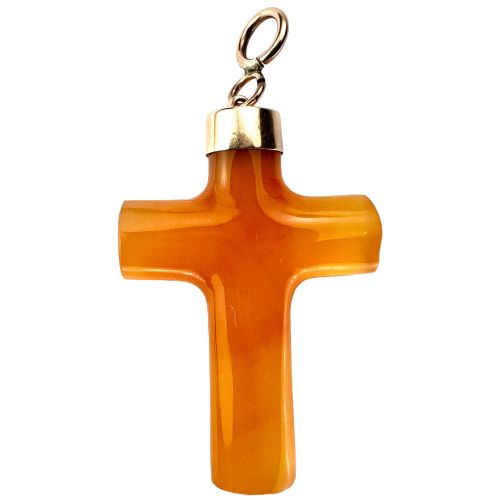
The selections on this page span yellow gold, rose gold, and silver, often incorporating natural stones such as agate, turquoise, and amethyst. Many examples function simultaneously as brooches and pendants, reflecting the versatile jewellery designs of the period.
Most items originate from the nineteenth century, though related devotional pieces and later adaptations also emerge in the inventory. Buyers encounter everything from tiny engraved gold charms to large silver and gold inlay crucifixes.
How they were made
Goldsmiths and silversmiths utilised various grades of gold, sterling silver, and rolled gold to form the structural framework of each cross. Metals were engraved by hand, cast, or combined with contrasting silver inlays to create visual depth.
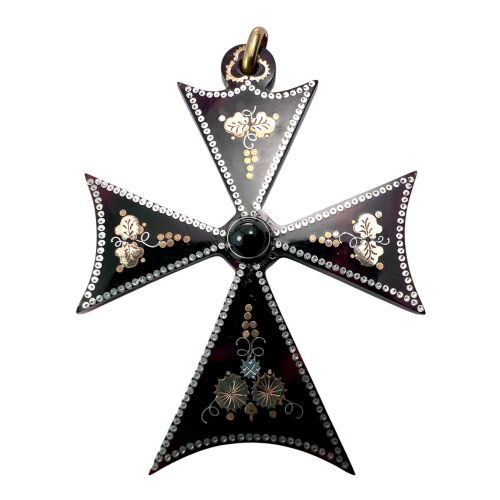
Gemstones, pearls, and hardstones were meticulously cut and secured via bezel or prong settings directly into the metal body. Enamel work and pique techniques provided colourful accents, bonding glass pastes or tortoise shell elements to the metallic base.
Listings feature gold, silver, enamel, and hardstone materials across Victorian and Edwardian periods.
What varies in quality
The calibre of a victorian cross pendant rests upon the fineness of the metal and the precision of the stone setting. Higher grade examples feature substantial gold carat weights, such as fifteen or eighteen carat, paired with well-matched natural pearls or old-cut diamonds.
Artisanal execution dictates the distinction between standard production and exceptional work. Crisp hand engraving, intact enamel without loss, and tightly fitted hardstone panels indicate superior workshop standards.
Henry Cook·Sampson Morden
The Victorian Cross Pendant Glossary
- Crucifix
- A cross bearing the figure of Jesus Christ. This specific form carries distinct religious symbolism separate from plain or decorative crosses.
- Pique
- A method of inlaying tiny gold or silver pins into tortoiseshell or ivory. This technique creates delicate geometric or floral patterns across the surface.
- Hardstone
- Opaque ornamental stones such as agate, onyx, or chalcedony cut and polished for jewellery. Victorian pieces frequently utilise Scottish pebbles or pietre dura work.
- Rose cut
- An antique diamond cut featuring a flat base and a domed crown with triangular facets. This cut predates modern brilliant stones and produces a soft, candlelit gleam.
- Sterling silver
- An alloy consisting of silver and other metals to increase durability. It serves as the primary white metal foundation for numerous nineteenth-century devotional pendants.
Victorian Cross Pendant: Frequently Asked Questions
How do I wear a victorian cross pendant?
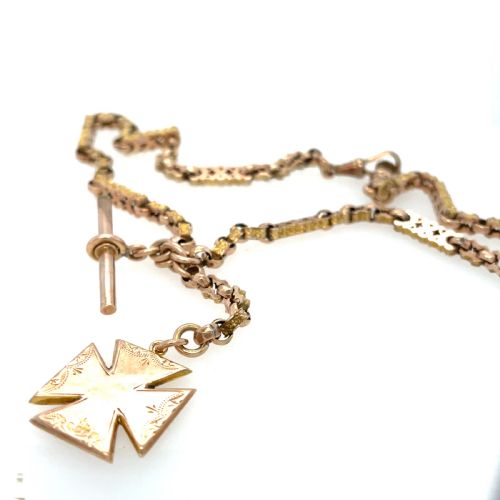
These pendants suspend easily from modern chains or traditional gold albert chains depending on the size of the bail. Many pieces also incorporate brooch fittings on the reverse, allowing dual use as a lapel pin.
Selecting a chain that matches the metal colour and weight of the cross ensures a balanced appearance when worn daily.
Were all these crosses worn for religious reasons?
While the form originates from Christian symbolism, the later nineteenth century embraced crosses primarily as fashionable ornaments. Gothic revival movements and sentimental trends made religious motifs popular across wider secular society.
Consequently, pieces range from solemn devotional items to highly decorative jewels set with bright amethysts and pearls.
How can I tell the period of a cross?
Dating relies on hallmarks, metal purity standards, and stylistic cues such as engraving motifs and gemstone cuts. Victorian pieces frequently display distinct nineteenth-century design markers like star-set diamonds or polished hardstone panels.
Comparing construction techniques with known dated examples helps narrow the decade of production.
Can I attach a pendant to a bracelet?
Smaller examples function effectively as charm bracelet additions when secured with a sturdy jump ring. Larger statement pieces require heavier neck chains due to their substantial metal and stone weight.
Evaluating the scale of the cross against existing jewellery ensures a proportionate pairing.