



Antique Pink Pottery Jug
An antique pink pottery jug brings rich lustre and maritime history to a room, offering tactile earthen charm and vivid transfer prints.
Antique Pink Pottery Jug
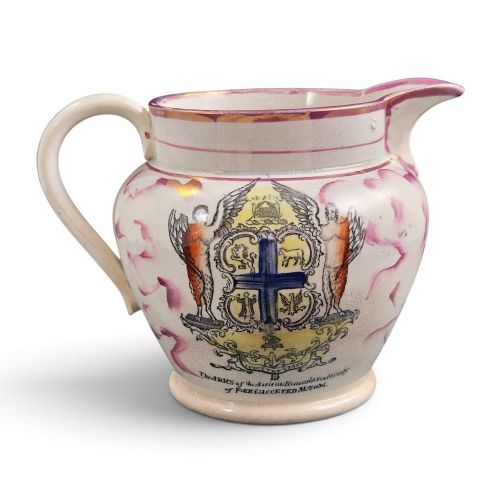
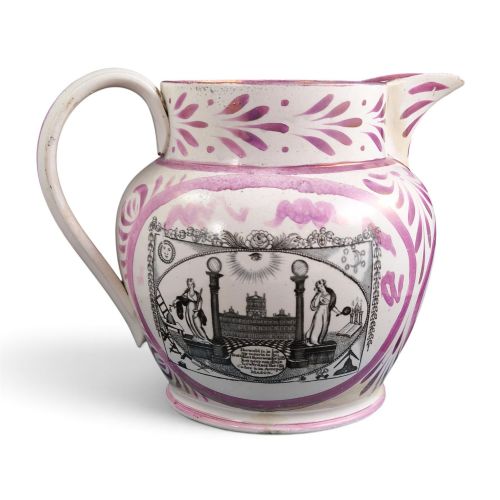
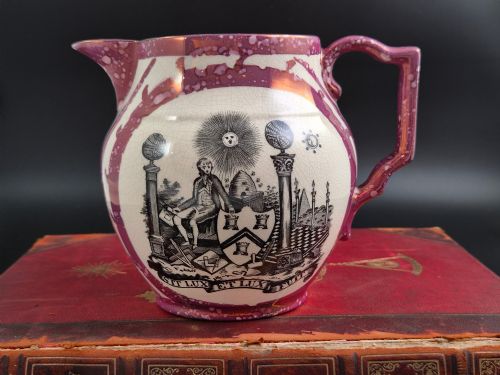
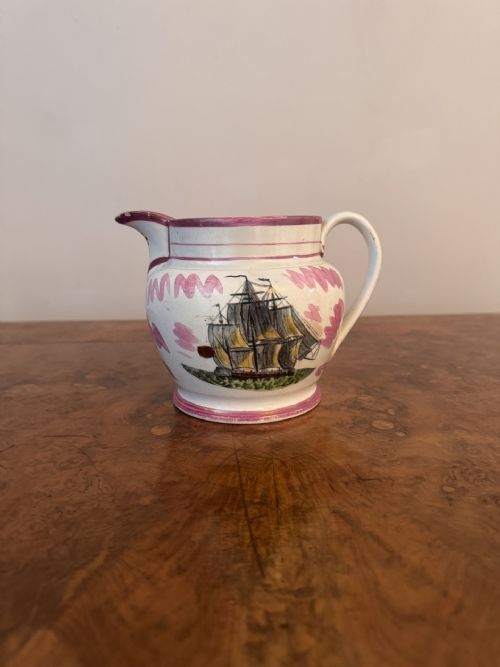
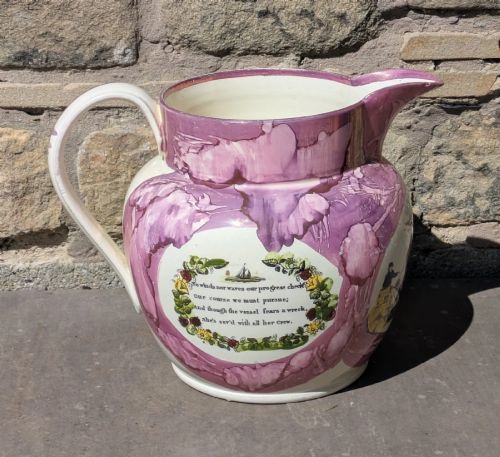
An antique pink pottery jug typically presents as a robust earthenware or pearlware vessel decorated with characteristic metallic pink lustre glazes, transfer prints, and hand-painted details. These pieces often feature maritime themes, Masonic symbols, or poetic panels that reflect the social interests of their makers and owners.
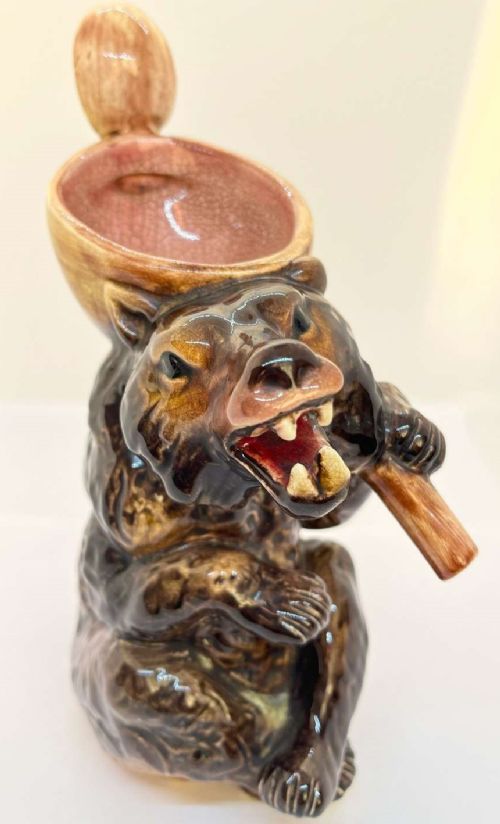
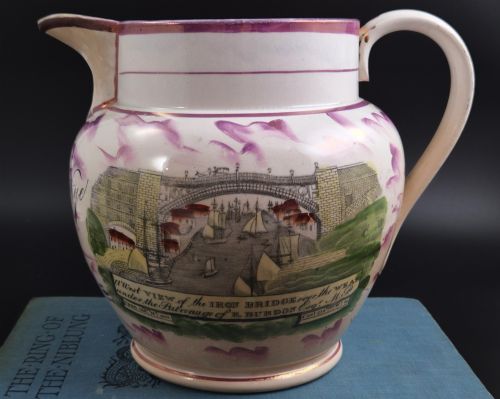
The versions most commonly met on this page span the Georgian and Victorian eras, ranging from large Sunderland lustre examples depicting tall ships and iron bridges to moulded Majolica animal and botanical forms. They serve as striking decorative objects or functional pitchers that display the vibrant palette of nineteenth-century ceramic production.
How they were made
Potters shaped these vessels using earthenware and pearlware bodies, frequently applying lead glazes and metallic pink lustre treatments to create their signature iridescent surfaces. Transfer printing allowed workshops to transfer complex maritime scenes, poems, and Masonic emblems onto the curved ceramic walls before firing.
Enamel colours and metallic lustres were often hand-applied over the glaze, requiring secondary lower-temperature firings to fix the pigments. Majolica examples utilised moulded botanical and animal motifs beneath rich coloured glazes to achieve high-relief texture and depth.
Listings feature earthenware and pearlware vessels finished with pink lustre, lead, and metallic glazes from the Georgian and Victorian eras.
What varies in quality
The clarity and registration of the transfer prints dictate much of the visual success, with superior pieces showing sharp lines and well-aligned details rather than muddy smudging. The richness and metallic spread of the pink lustre glaze also vary, distinguishing carefully controlled kiln work from flat or dull applications.
Moulding crispness defines sculptural pieces like Majolica jugs, where deep relief and precise hand-painting elevate the form. The historical significance and legibility of named inscriptions, dates, and specific maritime subjects further separate standard production from more desirable commemorative pieces.
Holdcroft·Sunderland Garrison Pottery·George Jones
The Antique Pink Pottery Jug Glossary
- Pearlware
- A refined earthenware developed in the late eighteenth century featuring a faint bluish glaze that pooled in crevices. This body provided a whiter surface than creamware to better imitate Chinese porcelain.
- Lustre Glaze
- A metallic ceramic finish that produces a reflective, iridescent surface resembling precious metals. Pink or copper lustre was achieved using gold or copper solutions applied over the fired glaze.
- Majolica
- A colourful lead-glazed earthenware characterised by vibrant coloured enamel glazes applied over an opaque tin or lead glaze. The style gained popularity during the Victorian period for botanical and animal forms.
- Transfer Printing
- A decoration technique where an engraved copper plate transfers a design onto tissue paper, which is then pressed onto the ceramic body. This process allowed intricate scenes and texts to be reproduced consistently.
Antique Pink Pottery Jug: Frequently Asked Questions
How do I date an antique pink pottery jug?
Dating relies on examining the ceramic body, glaze characteristics, and stylistic clues within any transfer-printed or hand-painted scenes. Pearlware bodies and certain pink lustre techniques point firmly toward the Georgian period.
Later Victorian examples often feature bolder moulded forms, Majolica glazes, or specific registry marks that help narrow down the decade of manufacture.
What themes appear on Sunderland lustre jugs?
Maritime subjects dominate these vessels, frequently depicting tall ships, the Iron Bridge over the Wear, and nautical verses. Masonic emblems and boxing scenes also appear alongside named commemorative inscriptions.
These varied themes reflect the maritime heritage and communal affiliations of the northern English potteries where they were produced.
Can I use these jugs for daily service?
While these vessels were originally designed for functional use, their age and delicate metallic lustre glazes make them better suited for display. Handling them with care preserves the historic enamel details and vulnerable spout and handle edges.
Exhibiting them safely allows you to appreciate the intricate transfer prints and reflective glaze without risking structural damage.
How should I clean my antique pottery jug?
Dusting gently with a soft, dry cloth is the safest way to maintain the surface and protect the metallic lustre finish from abrasion. Avoid submerging the piece in water or using harsh chemical cleaners, as these can damage old glazes and enamel highlights.
Keeping the jug away from direct sunlight and damp environments will also help preserve the colours over time.