





Antique Pine Kitchen Storage
Antique pine kitchen storage pieces bring honest utility and warmth to modern interiors, offering sturdy work surfaces and generous cupboards.
Antique Pine Kitchen Storage
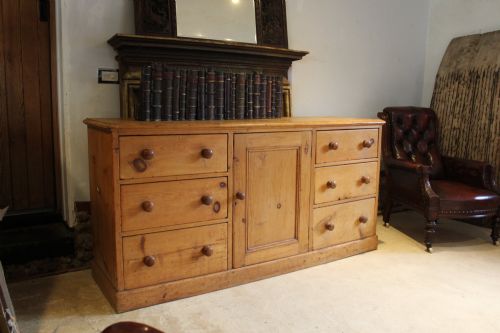
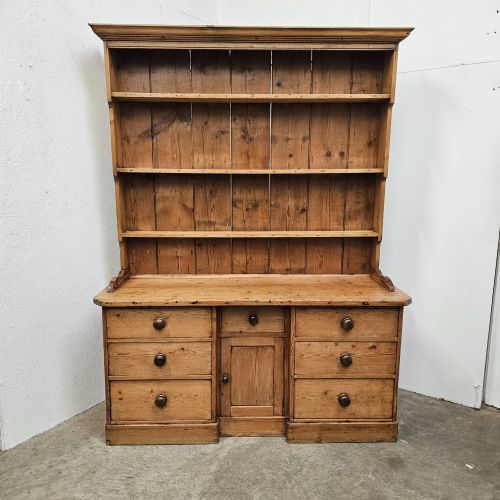
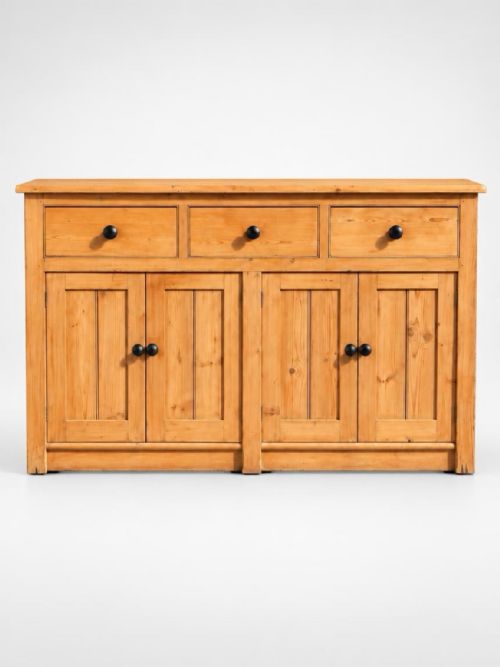
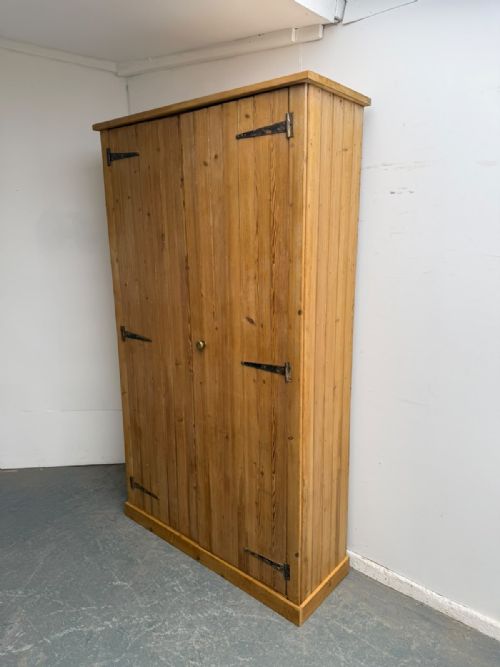
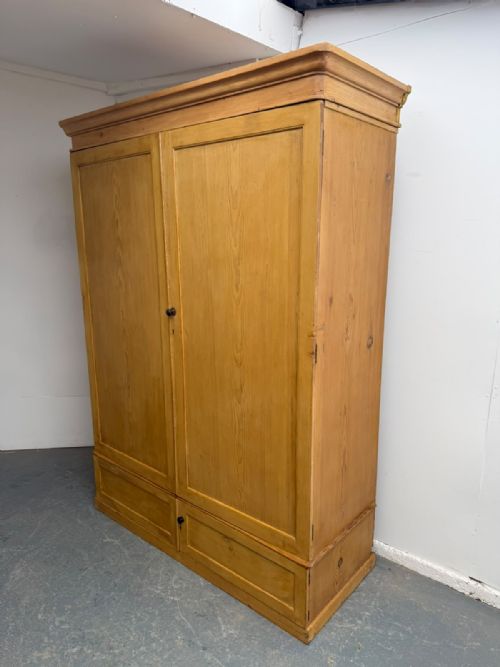
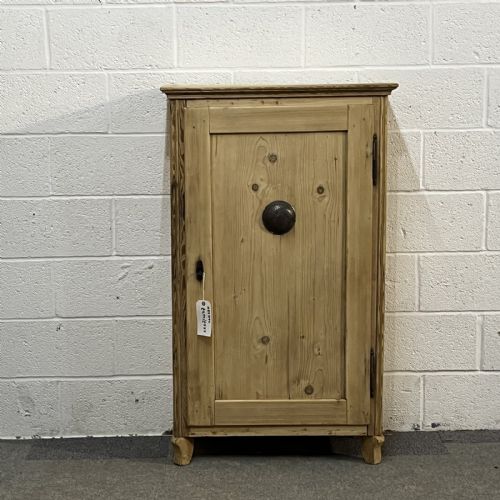
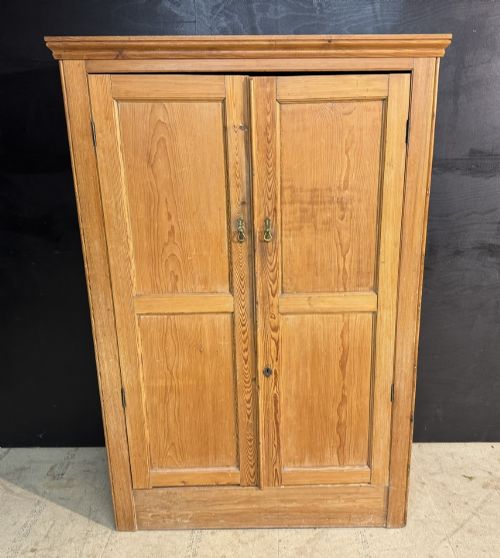
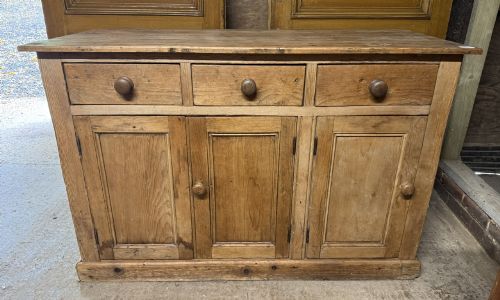
When you search for antique pine kitchen storage, you encounter functional items built for domestic service during the Victorian and Regency periods. The forms appearing here include dresser bases, sideboards, kitchen cabinets, chiffoniers, and storage cupboards.
Most examples originate from the nineteenth century, specifically spanning the Victorian era, Regency period, and around 1850. These utilitarian forms served hard-working kitchens and dining spaces before finding a place in contemporary homes.
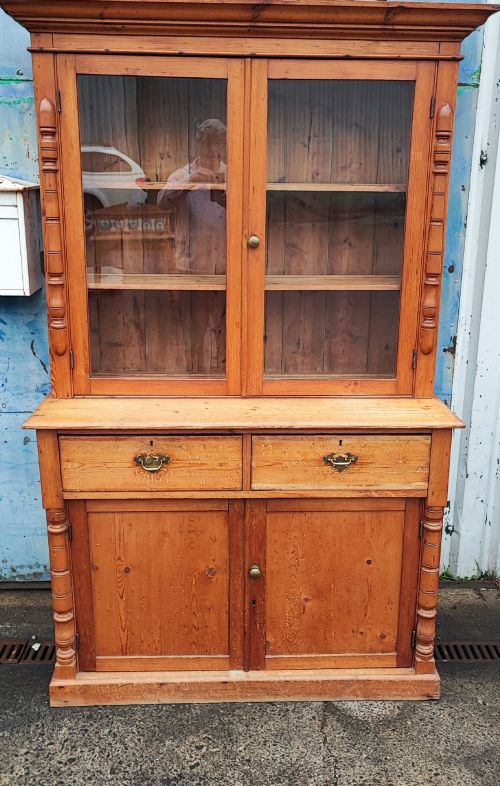
The pieces on this page range from wide two-door two-drawer dresser bases to hanging display shelves and compact storage cupboards. Their robust construction reflects a period when domestic furniture was built to withstand daily use.
How they were made
Makers relied primarily on solid pine, occasionally incorporating cedar alongside secondary timbers for internal framing and drawer construction. Surfaces frequently received a protective wax finish or retained traces of original paint.
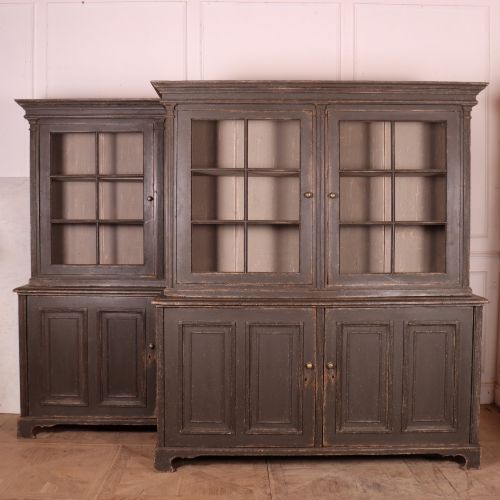
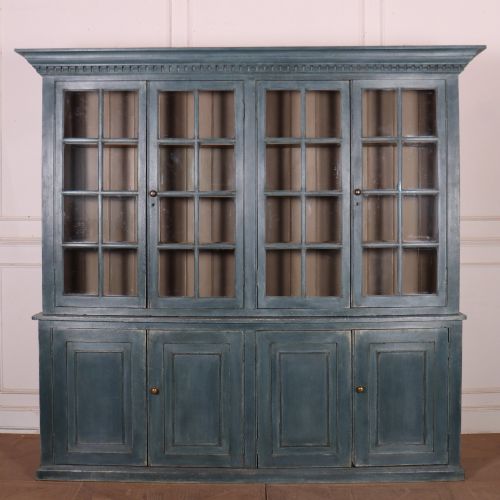
Hardware details involve practical materials such as brass for handles and ceramic elements where appropriate. Glass appears in specific cabinet configurations, while open plate racks and hanging display shelves utilise straightforward joinery suited to everyday service.
Antique Pine Kitchen Storage Retail Price Guide 2026
Typical asking prices for pine kitchen storage among the pieces listed under this phrase on Sellingantiques today, from the lower quarter to the upper quarter. They describe what is for sale here now, not the wider market.
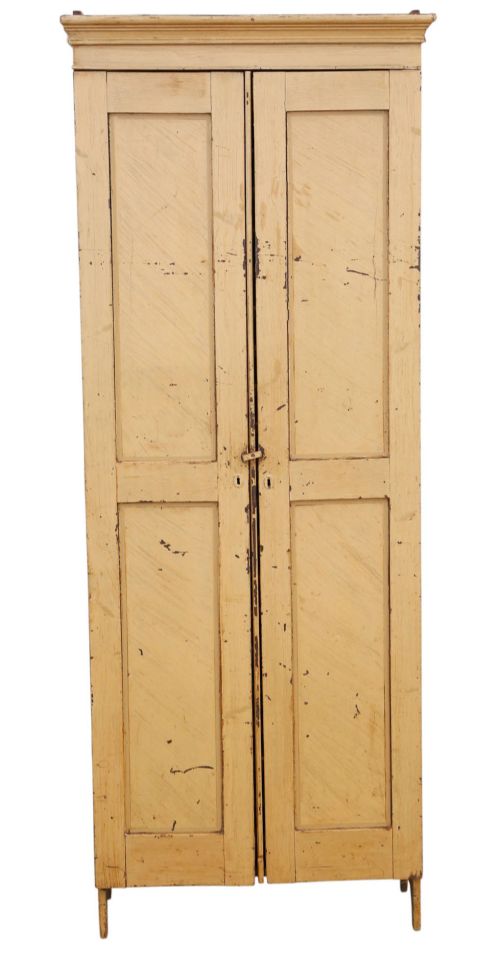
Some nineteenth-century pine cupboards arrive with layers of old kitchen paint that tell a silent story of past domestic redecoration.
What varies in quality
The standard of antique pine kitchen storage rests upon the integrity of the timber and the honesty of the construction. Pieces retaining their original painted surfaces or possessing deep, mellow waxed patinas stand apart from heavily altered examples.
Proportion and structural balance dictate the finer pieces, where original brass hardware and well-fitted drawers demonstrate purposeful regional craftsmanship. Simpler utility items exhibit straightforward joinery designed purely for domestic storage.
The Antique Pine Kitchen Storage Glossary
- Dresser base
- A low cabinet featuring a flat top surface above drawers and cupboards, traditionally used for food preparation and storage in the kitchen.
- Chiffonier
- A compact sideboard or low cabinet introduced during the Regency period, offering enclosed shelving behind panelled doors.
- Pine
- A soft timber extensively utilised in British country furniture for its accessibility and strength, taking wax polish exceptionally well.
- Patina
- The surface sheen and colour developed by aged timber through decades of handling, cleaning, and exposure to light.
Antique Pine Kitchen Storage: Frequently Asked Questions
What periods do these pieces come from?
The available selection primarily encompasses nineteenth-century examples dating from the Regency period through the Victorian era and around 1850.
These dates reflect the heavy domestic output of sturdy pine furniture designed for daily utility in British homes.
How were these cabinets finished originally?
Many items feature traditional wax finishes that nourish the softwood and develop a rich patina over generations of use.
Others retain traces of original paint layers applied during the nineteenth century to protect the timber.
Can I use a dresser base in a modern kitchen?
These robust pieces integrate seamlessly into contemporary spaces by providing authentic character alongside practical surface and cupboard capacity.
Their substantial construction makes them suitable for daily service just as their makers intended.
What materials besides pine appear in these pieces?
Makers frequently incorporated secondary woods like cedar for internal components, alongside brass for drawer pulls and handles.
Glass panels and ceramic elements also feature in specific cabinet doors and hanging display shelves.