
Antique Pier Glass Cabinet
An antique pier glass cabinet brings upright glass-fronted display and architectural presence to a tall wall space between windows.
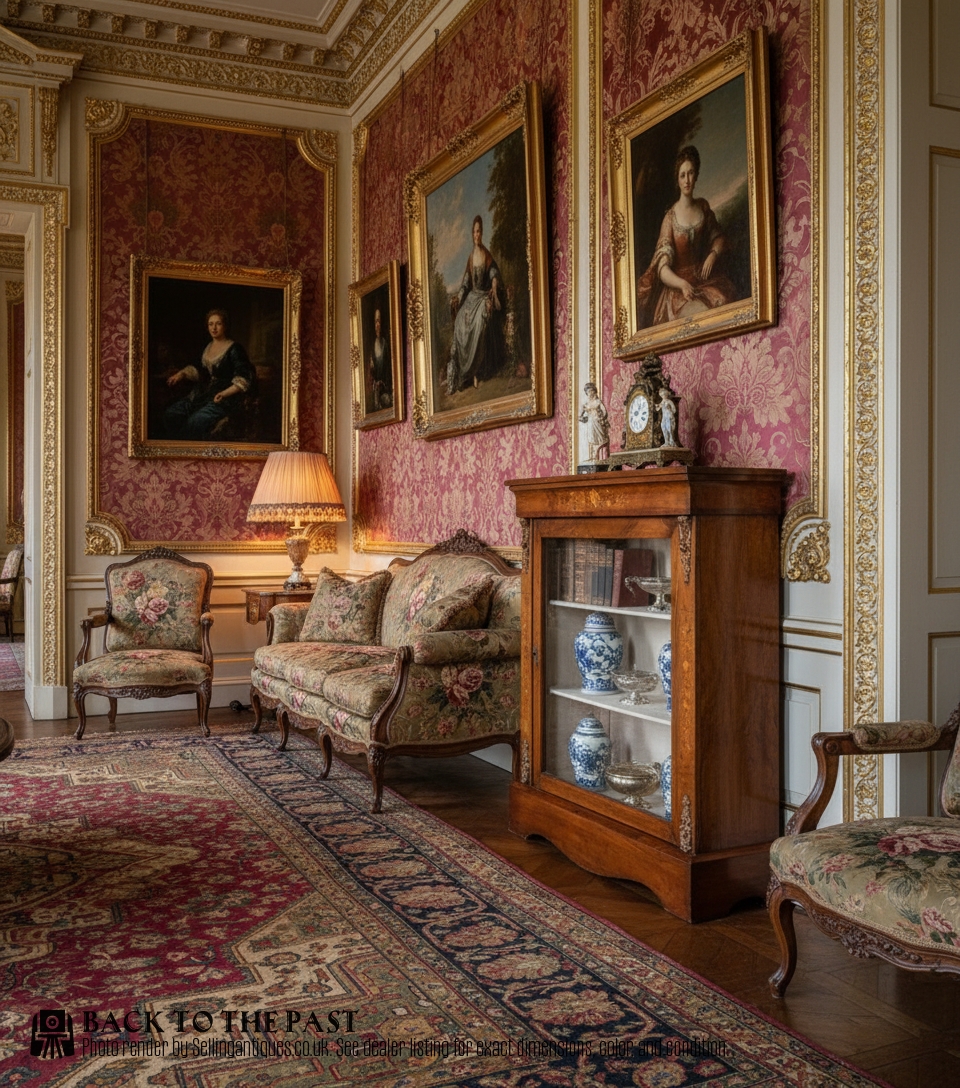
Antique Pier Glass Cabinet
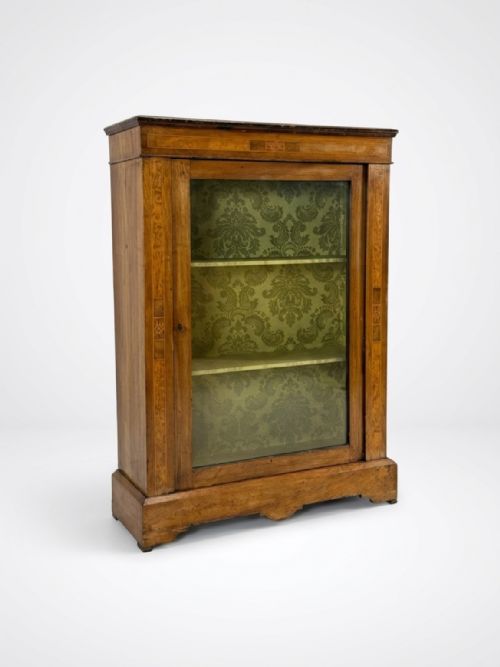
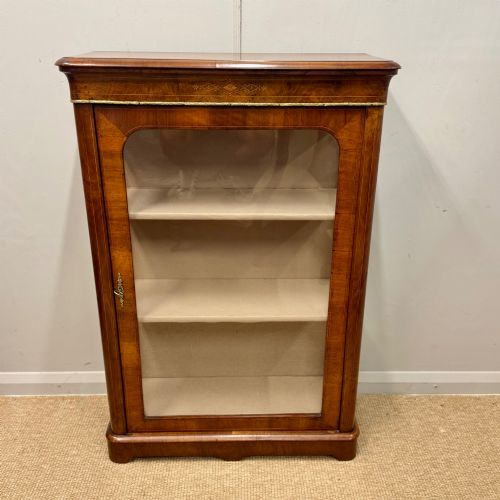
An antique pier glass cabinet is a tall, narrow display unit designed specifically to fit the narrow expanse of wall between two windows, known as the pier. When you search for an antique pier glass cabinet, you encounter refined forms shaped by Victorian and nineteenth-century cabinet makers to showcase prized ornaments behind glazed doors.
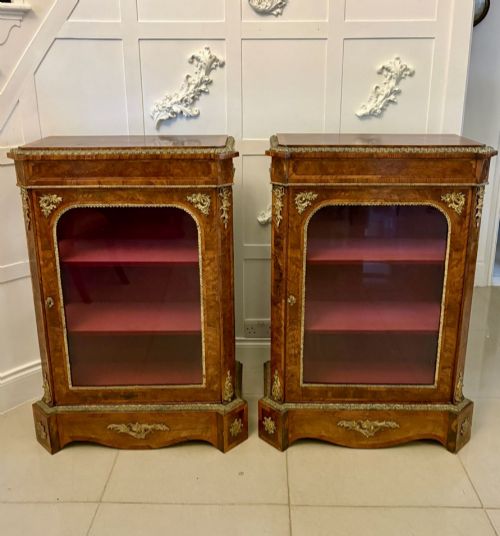
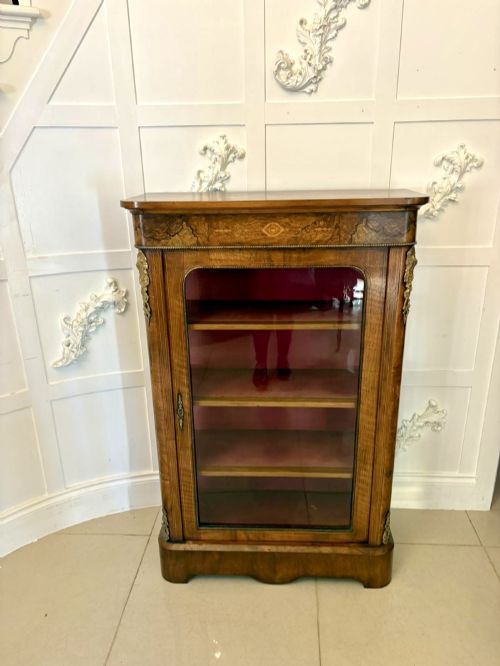
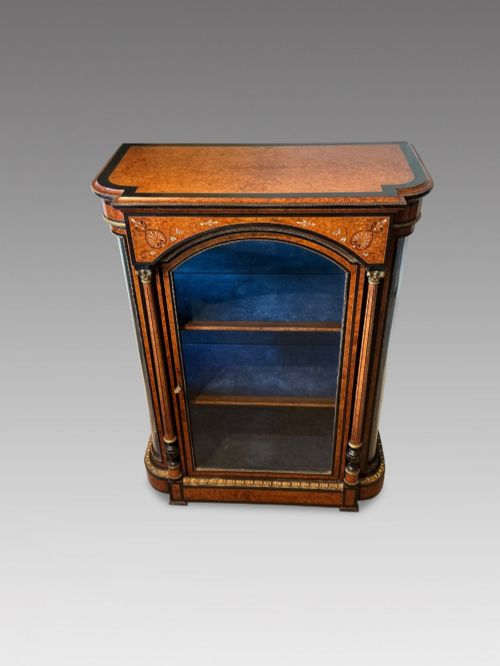
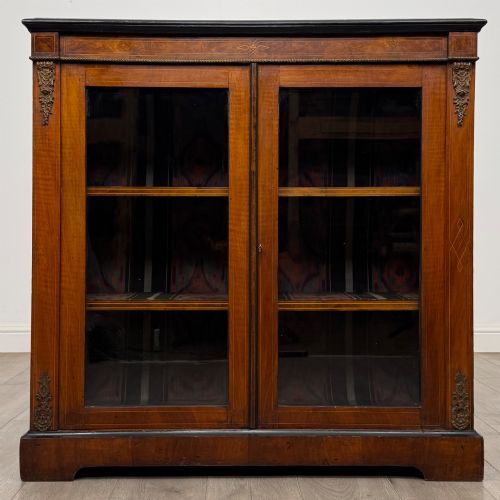
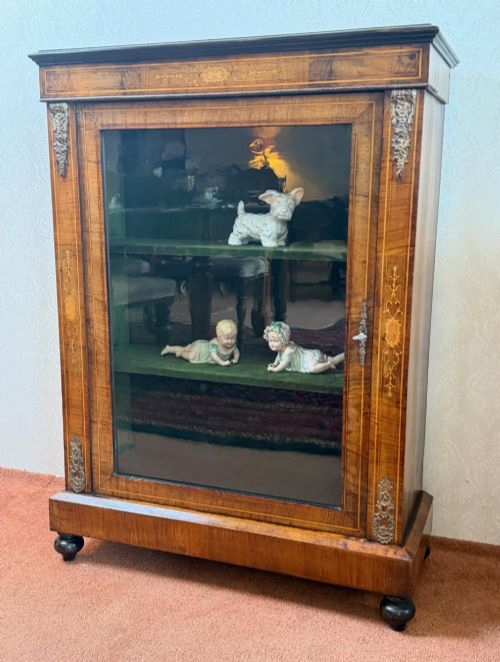
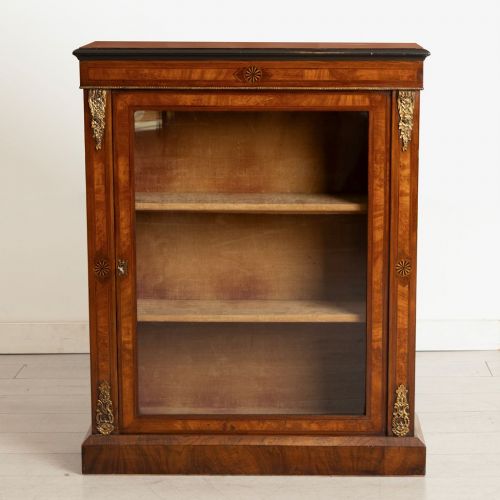
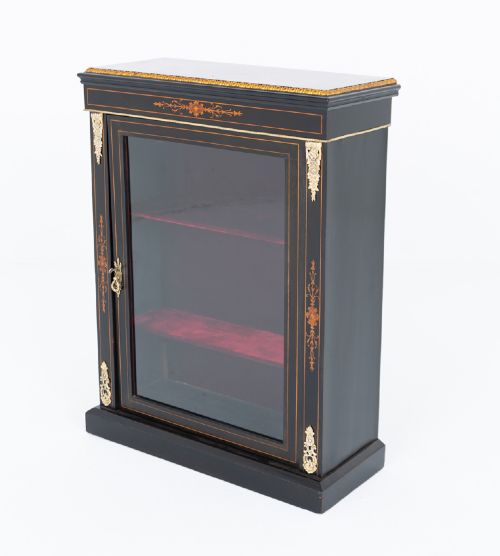
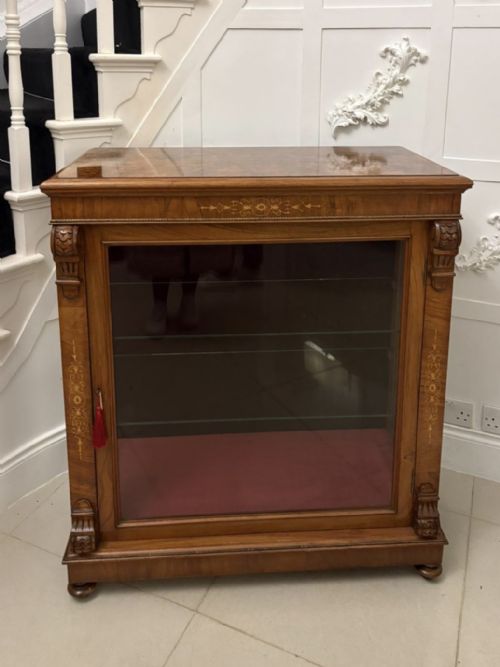
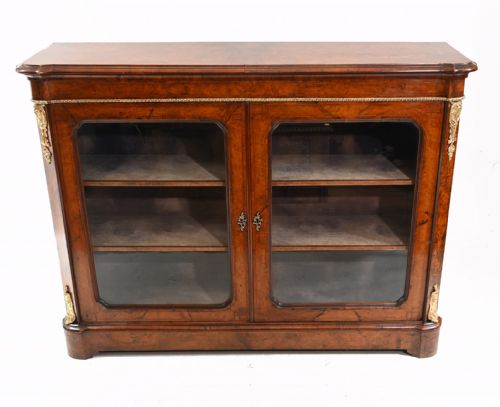
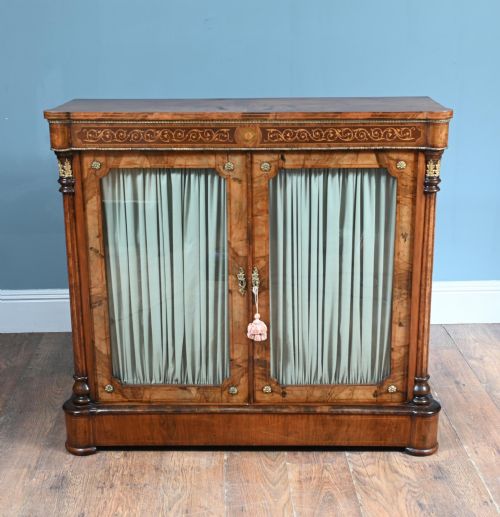
The versions most commonly met on this page are constructed from walnut and burr walnut, often featuring single or double glazed doors flanked by gilt metal mounts. These pieces combine functional shelving with decorative marquetry, inlay, and polished timber surfaces that reflect light in a formal drawing room.
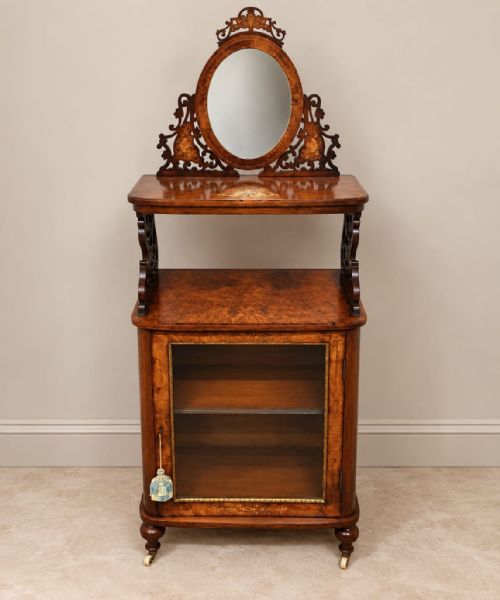
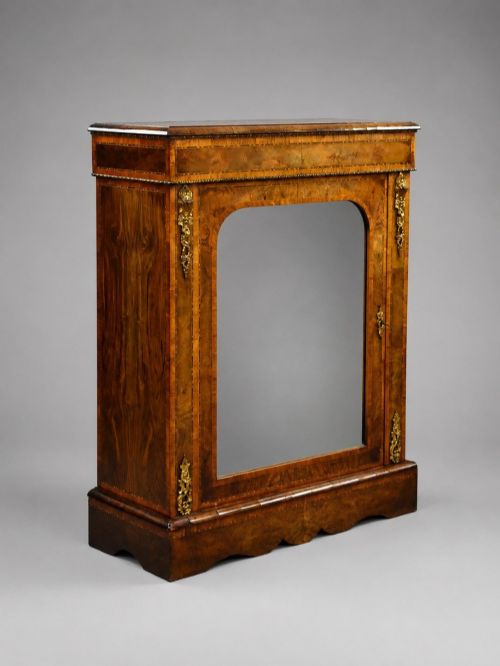
Originating predominantly from nineteenth-century English and continental workshops, these cabinets range from simple glazed display cases to elaborate credenzas and side cabinets with mirrored glass elements. Their proportions remain remarkably slender, tailored to sit flush against the wall without dominating the floor area of a reception room.
How They Were Made
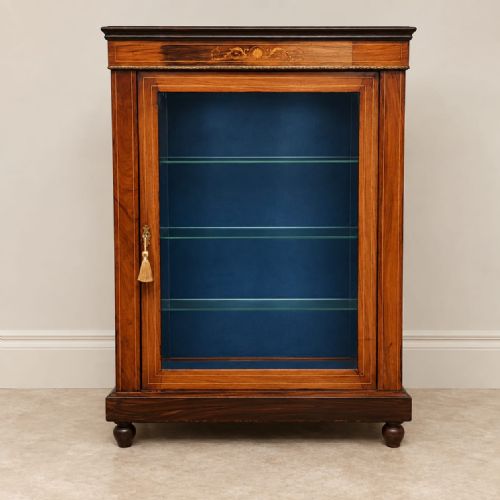
Cabinet makers constructed the carcases of these pieces using solid timbers such as mahogany, oak, or walnut, which were then veneered with highly figured burr walnut, rosewood, amboyna, or kingwood. Marquetry and delicate stringing lines in lighter woods or contrasting ebonised timber were meticulously inlaid into the surfaces to create geometric or floral panels.
Gilded bronze or brass ormolu mounts were cast and chased to accentuate corners, friezes, and feet, adding metallic contrast to the polished dark woods. Glazed doors utilised clear sheet glass held within rebated frames, sometimes accompanied by internal velvet-lined shelving designed to display porcelain and glassware.
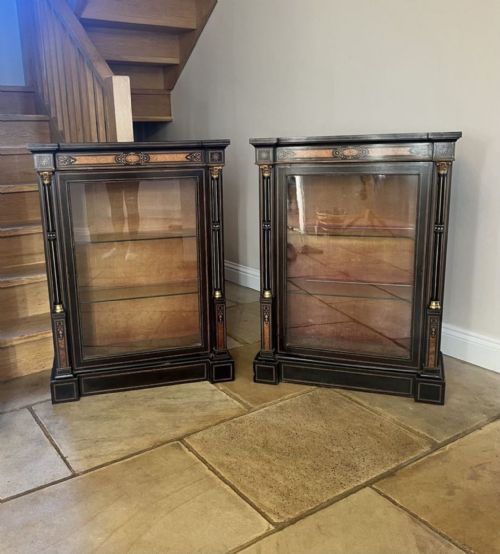
Listings feature walnut, mahogany, rosewood, and ebonised wood across Victorian, Regency, and nineteenth-century periods.
What Varies in Quality
The distinction between ordinary production and superior work lies primarily in the choice and matching of timber veneers. Top-tier cabinets display symmetrical burr walnut figuring that flows seamlessly across the doors and panels, combined with crisp, finely cut marquetry rather than simple painted decoration.
Construction details also separate the grades, visible in the weight and chasing of the ormolu mounts, the precision of the dovetail joints in the internal carcase, and the thickness of the glass. Finer examples exhibit hand-cast brass details and heavier, more substantial timber frames that maintain stability over centuries.
Edwards and Roberts
The Antique Pier Glass Cabinet Glossary
- Burr Walnut
- A timber derived from the abnormal growth knots of a walnut tree, yielding highly swirled and mottled grain patterns. Cabinet makers prized this wood for veneering formal nineteenth-century display furniture.
- Ormolu
- A technique of applying finely ground, high-carat gold to a bronze object. It provides bright golden highlights on the mounts of Victorian and revival cabinets.
- Marquetry
- The art of applying decorative pieces of veneer to a structure to form intricate pictorial or geometric designs. Craftsmen used contrasting timbers like boxwood and ebony to achieve sharp detail.
- Ebonised Wood
- Timber treated with a chemical stain or black finish to imitate ebony. This dark treatment was frequently utilised on Victorian and aesthetic movement pieces to create stark visual contrast.
- Pier
- The solid masonry wall between two windows or openings. Furniture designed for this specific architectural space acquired the name pier cabinet.
Antique Pier Glass Cabinet: Frequently Asked Questions
What is an antique pier glass cabinet?
An antique pier glass cabinet is a tall, narrow glazed display piece built to fit the wall space between windows.
These cabinets combine wooden shelving with glass doors to protect and display ornaments.
How were pier cabinets used?
They were utilised in Victorian drawing rooms to display delicate porcelain, glassware, and small ornaments.
The glass doors kept dust away while allowing light to reflect off internal mirrored or polished surfaces.
Where should I place one at home?
They suit narrow wall spaces, hallways, or reception rooms where standard wide bookcases cannot fit.
Their slender proportions allow them to add vertical presence without crowding a room's floor space.
How do I identify Victorian examples?
Victorian pieces often feature burr walnut veneers, marquetry inlay, and cast ormolu mounts dating from the nineteenth century.
Examination of the interior construction timbers and backboards helps confirm the nineteenth-century manufacturing period.