




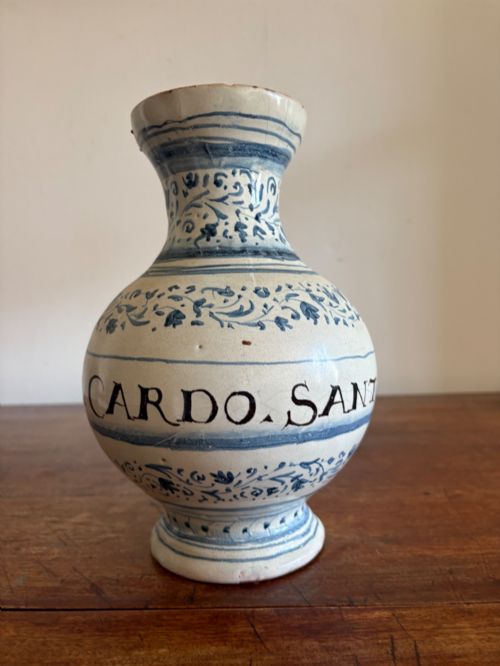


Antique Pharmacy Drug Jar
These antique pharmacy drug jars carry the powdered roots, syrups and balsams of centuries past into modern display.
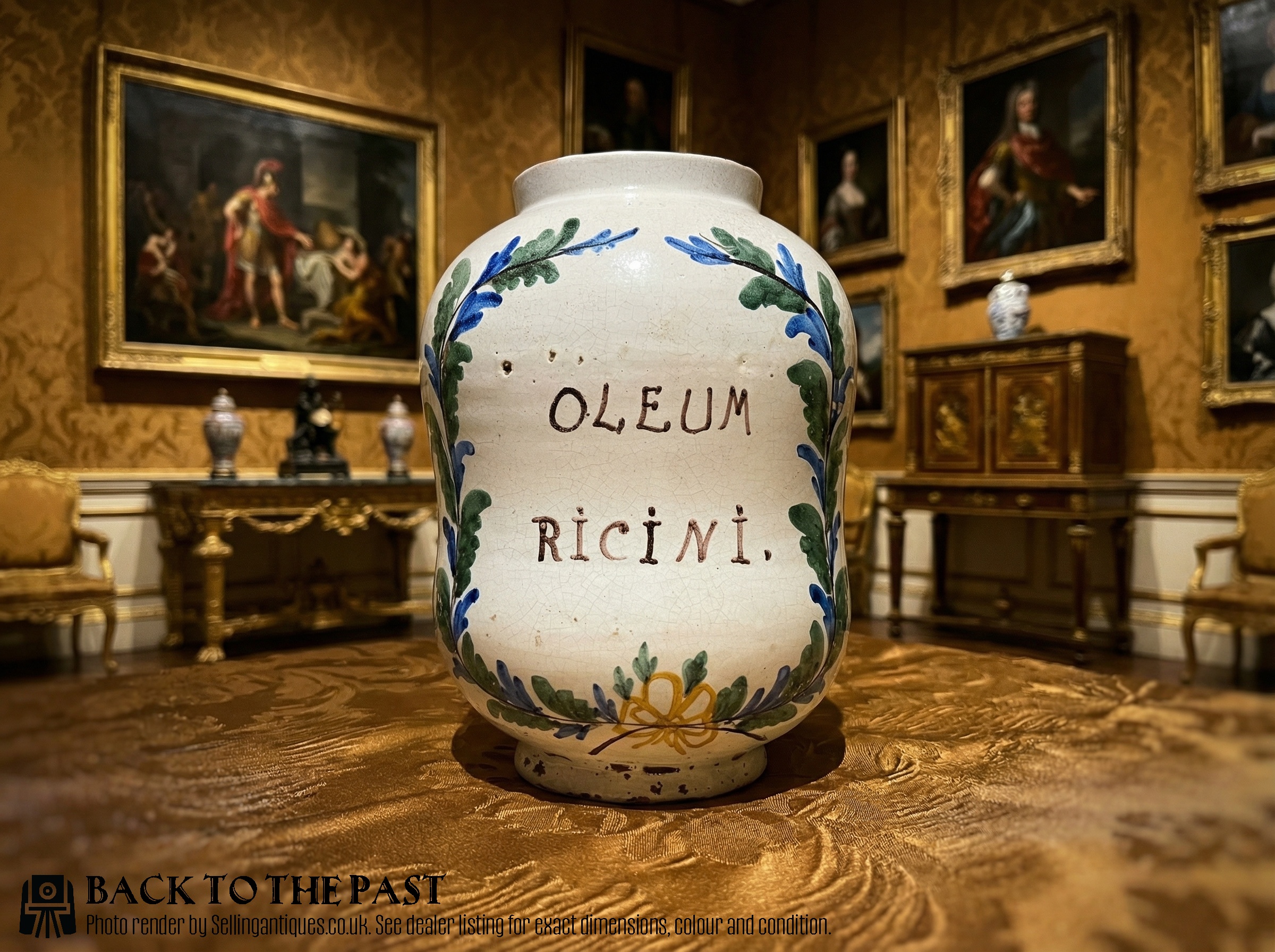
Antique Pharmacy Drug Jar
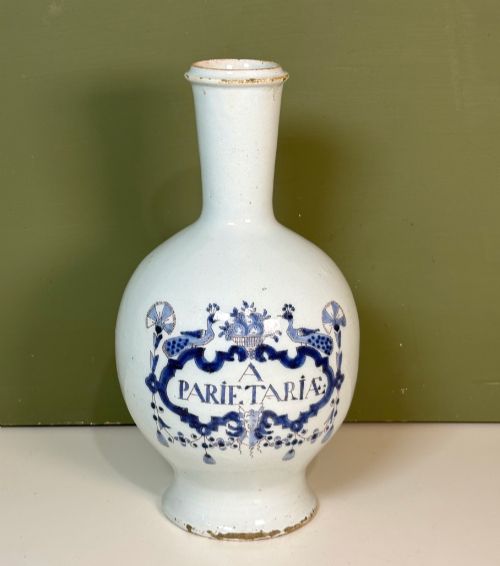
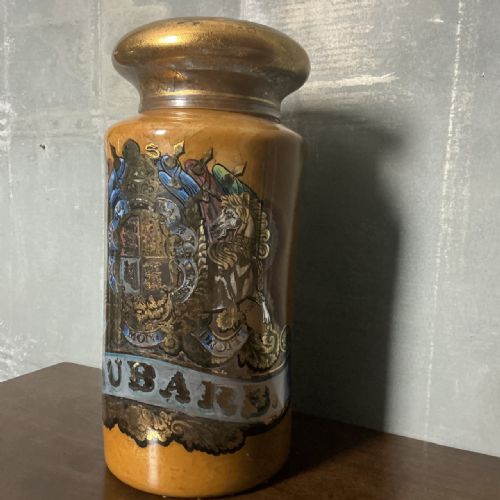
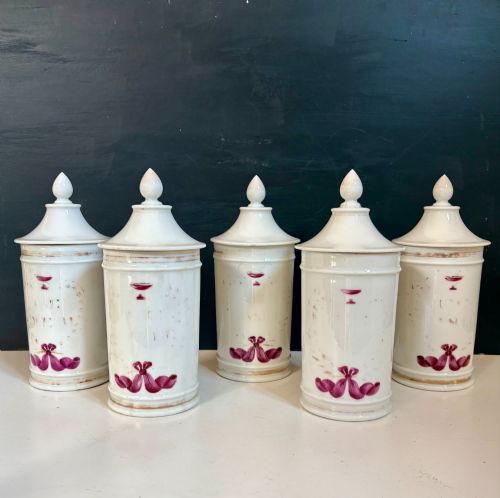
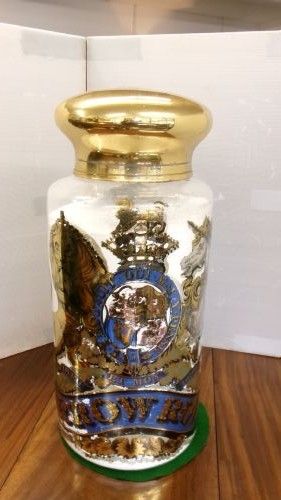
When you search for an antique pharmacy drug jar, you encounter vessels that once lined the shelves of apothecaries and dispensaries to hold medicines, dry ingredients and wet preparations. The pieces on this page span from the seventeenth century through the Victorian era, taking forms such as earthenware albarelos, cylindrical containers and tall chemist bottles.
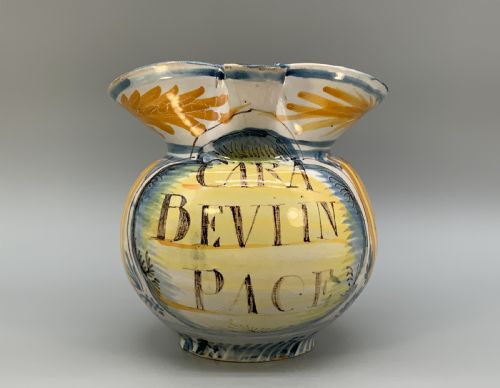
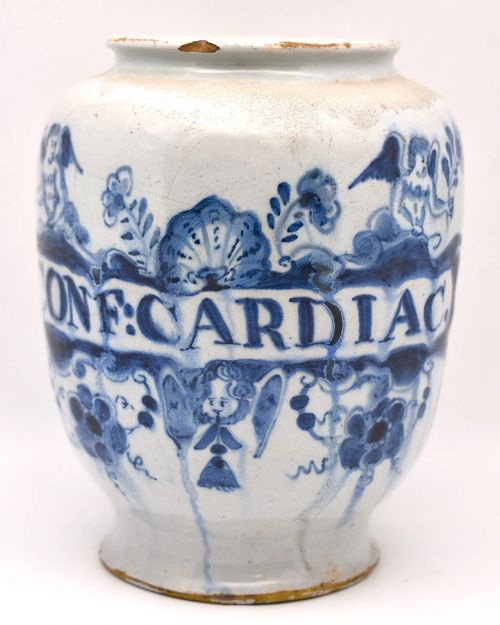
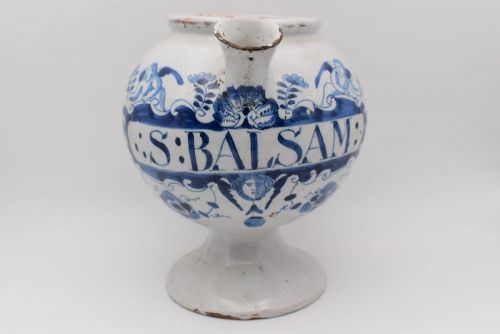
You meet diverse regional traditions here, notably English delftware alongside Italian majolica, faience and Dutch delft pieces. Many carry painted labels or inscriptions denoting specific contents like honey, cardiac preparations or balsam, while others rely on glass display bodies paired with covers.
The domestic interior welcomes these containers as shelf pieces, mantel ornaments or cabinet focal points. Whether you select a single tall glass vessel or a matched set of five, each object testifies to historic apothecary practice.
Assessing quality and character
Quality rests upon the clarity of the painted inscription, the richness of the tin glaze and the control shown in polychrome or blue and white pigments. Pieces featuring detailed cherubs, shells or crisp lettering demonstrate superior artistic execution compared to plain or heavily worn vessels.
Proportion and form dictate visual appeal, particularly in the waisted silhouette of an albarello or the balanced symmetry of a matched set. Glaze consistency and the survival of original covers elevate the standing of ceramic and glass examples alike.
Antique Pharmacy Drug Jar Retail Price Guide 2026
Typical asking prices for pharmacy drug jar among the pieces listed under this phrase on Sellingantiques today, from the lower quarter to the upper quarter. They describe what is for sale here now, not the wider market.
Listings span seventeenth-century Italian Savona majolica, eighteenth-century English delftware and nineteenth-century Victorian glass bottles.
Samuel Alcock and Co
The Antique Pharmacy Drug Jar Glossary
- Albarello
- A cylindrical earthenware pharmacy jar with a waisted body, designed for holding ointment or dry drugs. This shape originated in the Middle East and became popular across Italian and European workshops.
- Tin-Glaze
- A ceramic glaze made by adding tin oxide to a lead glaze, producing an opaque white surface. It serves as the canvas for painted decoration on delftware and majolica.
- Majolica
- Italian tin-glazed earthenware decorated with coloured pigments. These vessels often display vibrant polychrome designs or blue and white scenes.
- Wet Drug Jar
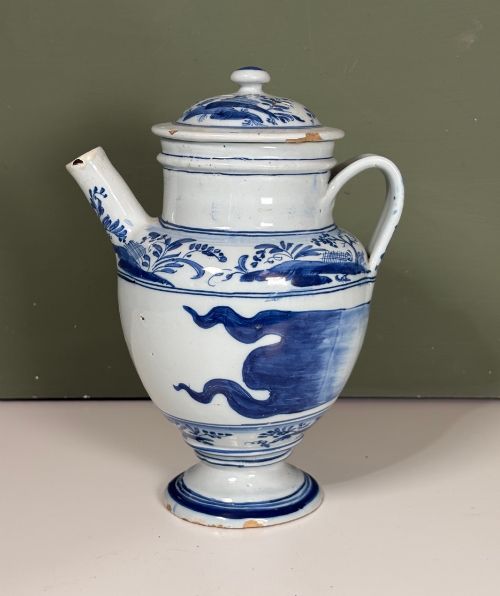
- A pharmacy vessel featuring a spout or a wide mouth suited for liquid syrups and oils. These pieces often carry painted labels identifying specific medical preparations.
Antique Pharmacy Drug Jar: Frequently Asked Questions
What did pharmacies store inside these jars?
Apothecaries used these containers to hold dry powders, herbal remedies, balsams, honey and liquid syrups. The contents were dispensed for medicinal use in homes and hospitals.
Inscribed labels helped the pharmacist identify ingredients quickly during busy working hours. Many surviving vessels still display the abbreviated Latin names of these preparations.
How do I date an antique drug jar?
Dating relies on stylistic shifts in tin glaze, painted motifs and ceramic body composition. Seventeenth and eighteenth-century examples often show distinct tin-glazed earthenware forms like the traditional albarello.
Victorian pieces frequently transition towards glass bottles or mass-produced ceramic bodies. Comparing the lettering style and decorative palette to dated pieces clarifies the period of manufacture.
Are these jars safe for holding liquids today?
Historic ceramic and glass jars feature porous glazes and aged materials that are unsuited for modern food or liquid storage. Hairline cracks and historical repairs make them delicate.
These pieces function best as decorative display objects rather than practical kitchen containers. Gentle dusting preserves the fragile tin glaze and painted surfaces.
Why do some jars have spouts?
Jars equipped with spouts were classified as wet drug containers designed for syrups, oils and liquid medicines. The spout allowed the apothecary to pour the contents cleanly without removing a lid.
Wet jars often feature handles opposite the spout for a secure grip during use. Cylindrical albarelos without spouts were reserved for dry substances and thick ointments.