


Antique Pews
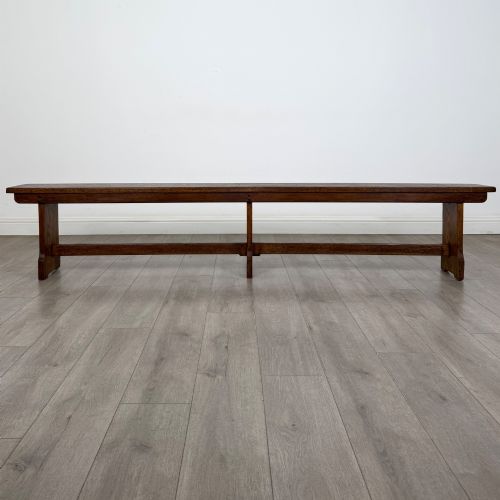
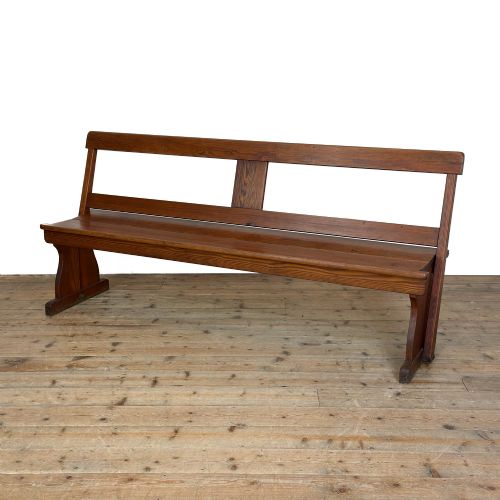
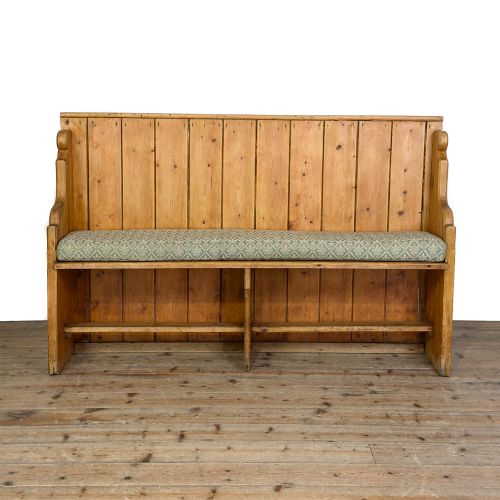
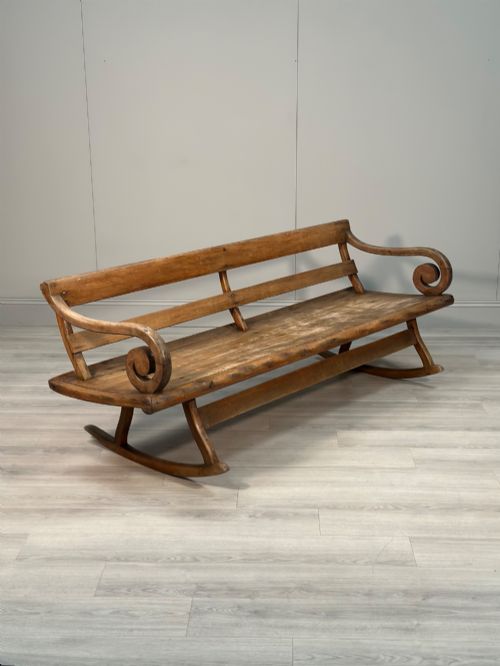
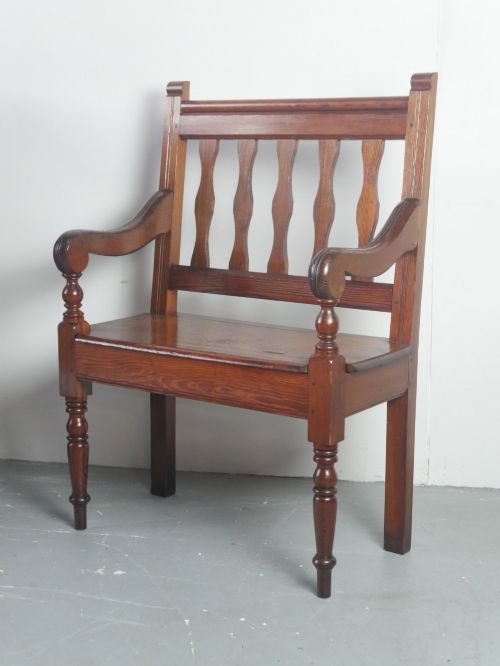
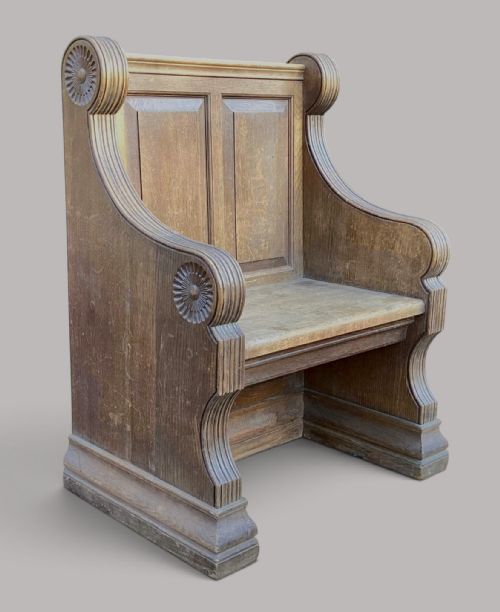
Antique pews are heavy wooden seating forms built for churches, chapels and taverns, offering enduring joinery and generous proportions that ground a hallway or kitchen.
Antique Pews
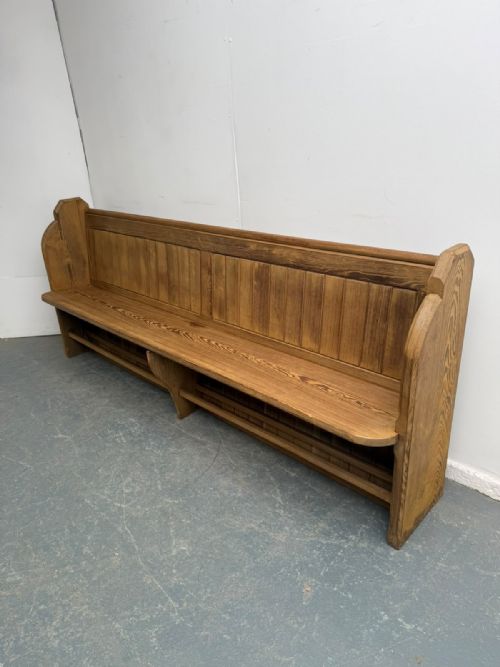
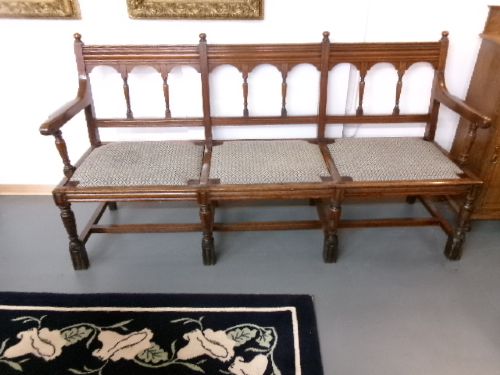
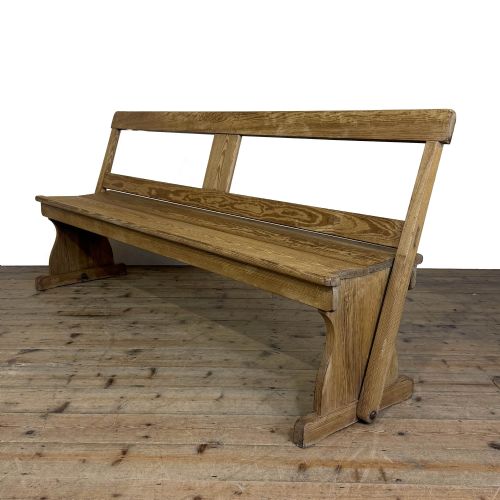
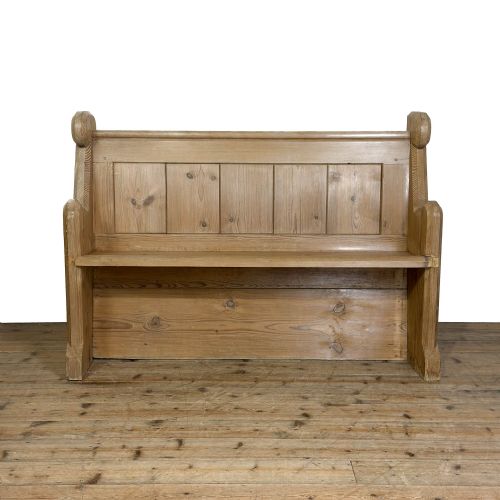
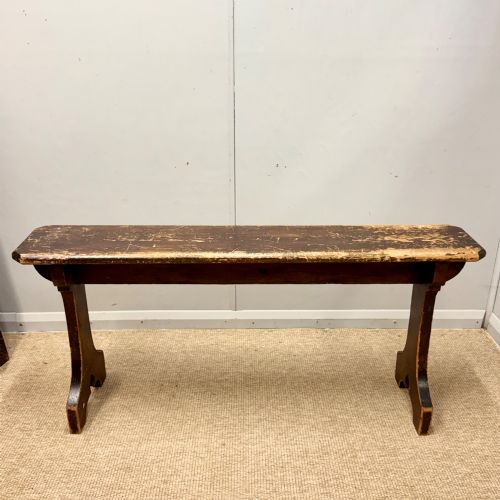
When you search for antique pews, you encounter sturdy timber seating originating from ecclesiastical spaces, public houses and domestic halls. The majority of pieces on this page comprise pine and oak benches dating from the eighteenth and nineteenth centuries.
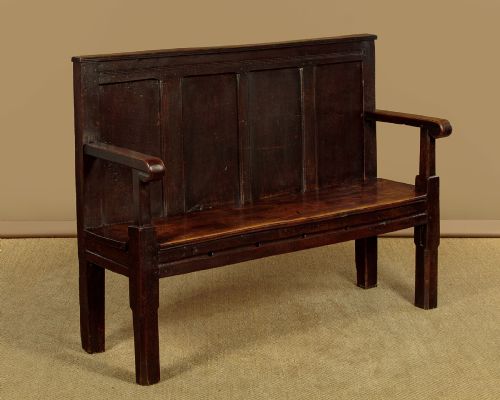
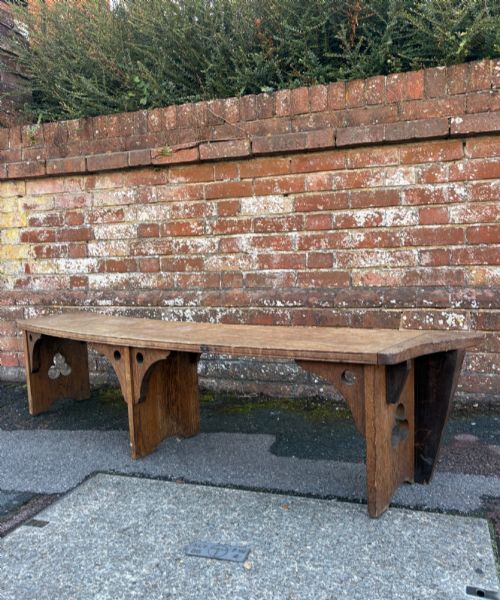
The selection ranges from simple chapel benches and pitch pine church pews to high-back settles designed to shield occupants from draughts. You also find specialised forms such as organ benches, box settles with storage beneath the seat, and Gothic revival designs with trefoil carvings.
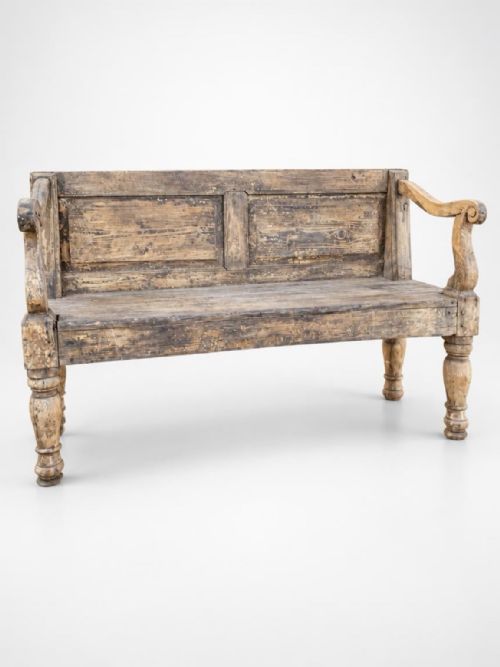
Origins stretch across English country workshops, Spanish colonial houses, and Hungarian farmhouses, bringing diverse regional joinery traditions to domestic interiors. These seats serve practically as long hallway benches or kitchen dining seating while carrying centuries of honest utility.
What varies in quality
Integrity of the timber and originality of the structure separate utilitarian utilitarian survivors from refined architectural pieces. Timber that retains its deep natural patina without excessive modern intervention commands greater interest among collectors.
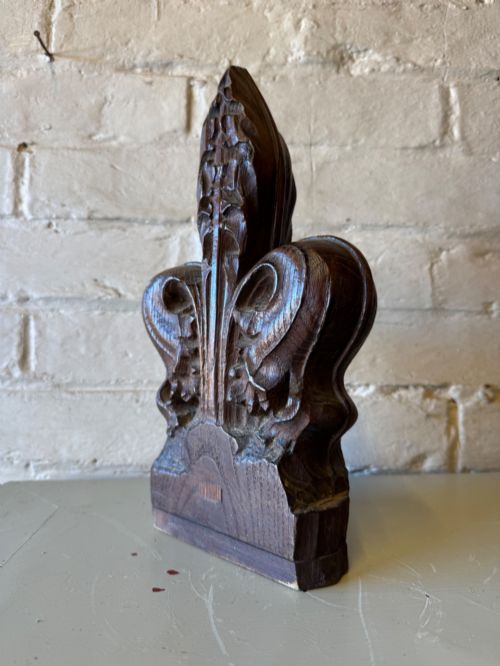
Proportion and execution of carved details, such as Gothic tracery or poppy head finials, dictate the refinement of a piece. Original board seats and untouched box compartments preserve the historic character far better than heavily restored replacements.
Antique Pews Retail Price Guide 2026
Typical asking prices for pews among the pieces listed under this phrase on Sellingantiques today, from the lower quarter to the upper quarter. They describe what is for sale here now, not the wider market.
Period styles span from simple eighteenth-century tavern settles to Victorian Gothic revival and Arts and Crafts pieces.
The Antique Pews Glossary
- Settle
- A wooden bench with a high back, solid arms, and often a storage compartment beneath the seat, designed to keep out cold draughts in domestic and tavern settings.
- Poppy head finial
- An ornamental carved capping on the upright ends of church pews, typically taking a stylized leaf or bud shape popular in Gothic architecture.
- Pitch pine
- A resinous, durable pine variety prized in the nineteenth century for church seating and heavy architectural joinery.
- Box settle
- A form of bench featuring a hinged seat lid that opens to reveal a deep storage box underneath for blankets or household goods.
- Tracery
- Openwork architectural ornamentation in wood or stone, frequently imitated in the backs and supports of Gothic revival pews.
Antique Pews: Frequently Asked Questions
How do I style an antique pew at home?
Place a long pine or oak bench along a spacious hallway or pair it with a rustic dining table for practical seating. Their linear forms provide strong vertical contrast against plain walls.
Soften the hard timber seats with simple cushions or sheepskins to make them comfortable for daily dining or reading areas.
How can I tell the age of a wooden pew?
Examine the construction methods beneath the seat and along the back panels for hand-planed marks and pegged joints. Eighteenth-century examples often display wider single-board seats and heavier oak framing.
Nineteenth-century church pews typically utilise pitch pine or standard pine with machine-sawn elements and standardised Gothic revival motifs.
Did church pews have storage compartments?
Certain ecclesiastical and domestic pews, known as box settles, incorporate hinged lids that open to reveal built-in storage boxes. These compartments were historically used to keep parishioners warm with blankets or store vestments.
Standard open-backed chapel pews lack this feature, focusing instead on long footboards and minimalist book ledges.
Are these benches suitable for daily kitchen use?
Solid oak and pine benches are exceptionally sturdy and easily withstand the heavy wear of family kitchens or boot rooms. Their robust joinery handles daily use without loosening.
Ensure the depth and height match your dining table, as some church pews were built with narrow seats intended for upright posture.