


Antique Pet Portrait
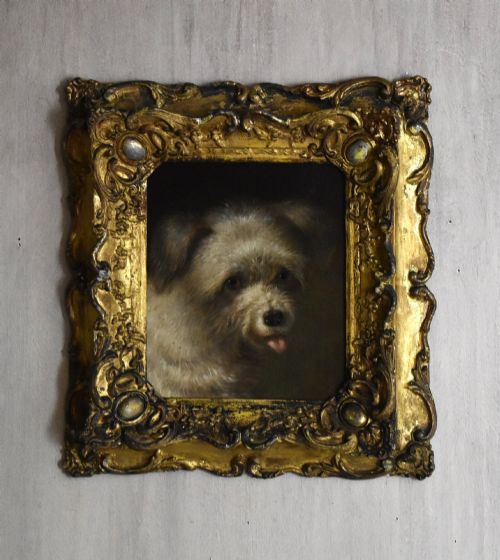
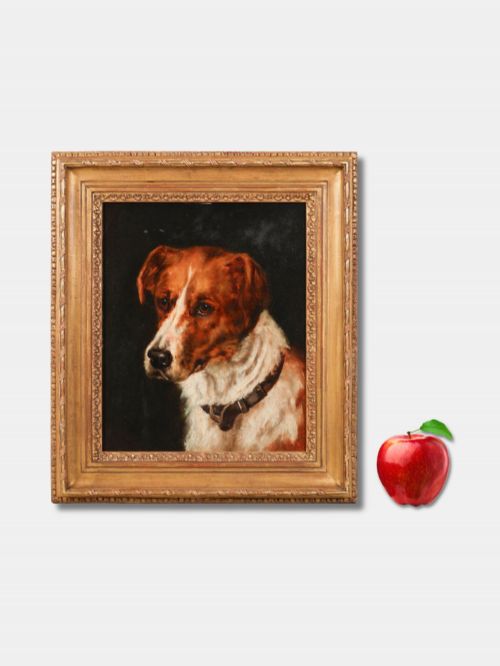
An antique pet portrait captures the character of a cherished animal through the skilled hand of a traditional painter.
Antique Pet Portrait
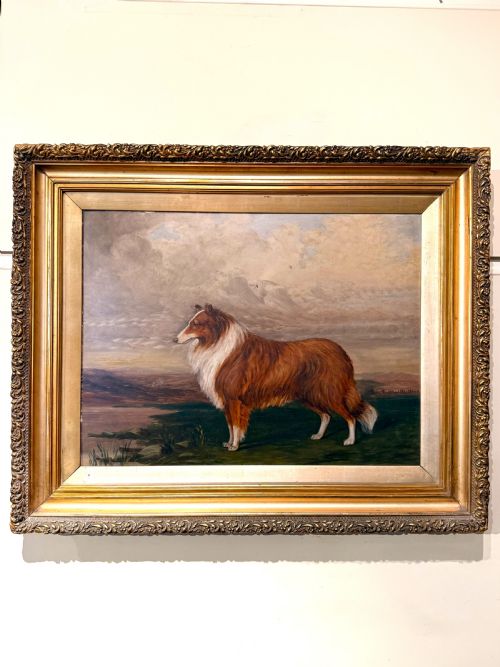
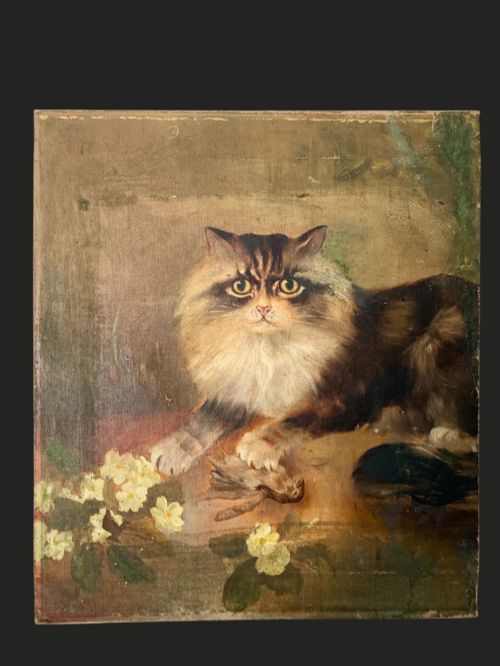
An antique pet portrait offers a direct window into the historic bond between owners and their animals, ranging from prized working dogs to pampered household cats. These artworks document specific breeds and individual animals through the observant eyes of historical artists.
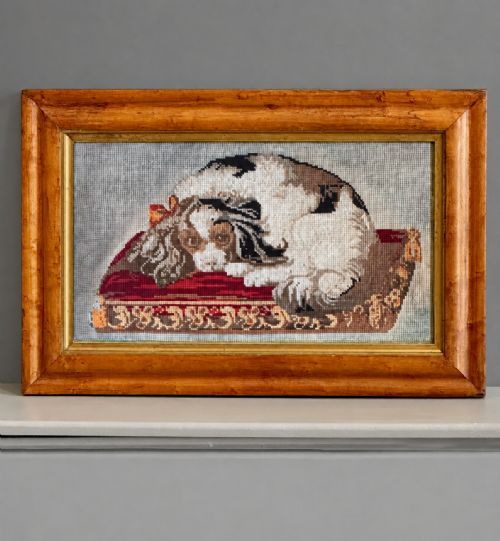
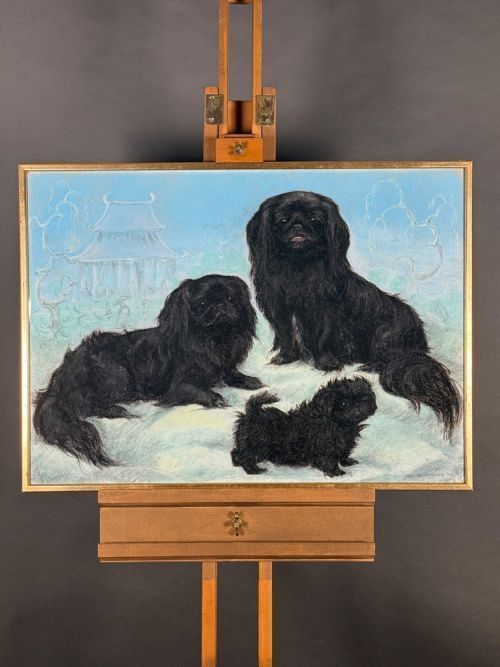
The pieces available most frequently include nineteenth-century oil paintings on canvas or board, alongside charming examples from the Edwardian and mid-century periods. Buyers will encounter framed oil paintings, pastels on paper, and occasional needlework studies depicting dogs, cats, and birds.
Subjects stretch from individual champion greyhounds and spaniels to playful groups of kittens and dogs captured in domestic interiors. Provincial works share space with fine art pieces, showing pets both as solitary subjects and alongside their human companions.
Distinguishing quality in historical animal art
Quality rests heavily on the artist's ability to render the anatomy, expression, and distinct personality of the animal with anatomical conviction. Superior pieces transcend simple documentation, capturing lively posture and intelligent gaze rather than stiff proportions.
The handling of surrounding elements, such as domestic interiors, courtyards, or natural landscapes, separates accomplished fine art from naive or provincial output. Preservation of the original canvas, paint surface, and period frame also influences the standing of a piece.
Antique Pet Portrait Retail Price Guide 2026
Typical asking prices for pet portrait among the pieces listed under this phrase on Sellingantiques today, from the lower quarter to the upper quarter. They describe what is for sale here now, not the wider market.
Common animal subjects include spaniels, terriers, Pekingese dogs, and Persian kittens captured in domestic settings.
Martin Theodore Ward·William Barraud·Agnes Augusta Talboys·John Henry Dell·Valentine Thomas Garland·Florence Mabel Hollams·Philip Eustace Stretton·Samuel John Carter·Frank Owen Salisbury·Jules Le Roy
The Antique Pet Portrait Glossary
- Berlin work
- A type of nineteenth-century needlework using wool on canvas, often employed to render popular pets like King Charles spaniels.
- Oil on board
- A painting method where pigment is applied to a rigid wooden or composite backing rather than stretched fabric.
- Naive school
- A classification for art created by self-taught painters working outside academic traditions, prized for honest charm and direct perspective.
- Pastel on paper
- A dry medium technique utilising powdered pigment sticks to create soft, detailed drawings of animal subjects.
- Gesso
- A plaster-like mixture applied to wooden frames as a smooth base before gilding with gold leaf.
Antique Pet Portrait: Frequently Asked Questions
How do I identify the age of a pet painting?
Dating relies on examining the substrate materials, such as canvas or wooden board, alongside the stretcher construction and framing style. Clues also emerge from the clothing and hairstyles of any human figures present in the composition.
Brushwork techniques and the specific styling of artist signatures or inscriptions on the reverse provide further chronological markers. Comparing the depicted breed types with historical breeding standards helps narrow down the decade of creation.
Were these portraits commissioned by wealthy owners?
Many fine art examples were indeed commissioned by landowners, nobility, and affluent families to immortalise prized hunting dogs, racehorses, and household pets. Artists of considerable skill recorded these animals within grand estates or formal interiors.
At the same time, naive and provincial schools catered to a broader middle-class audience wishing to celebrate their domestic companions. This wider production ensures that today's buyer finds both grand academic canvases and modest provincial studies.
How should I care for an antique oil painting?
Protection from direct sunlight and stable indoor humidity levels are vital for preserving nineteenth-century canvases and oil paint layers. Avoid hanging pieces near active heat sources which can cause wood panels to warp and paint to crack.
Dusting should be performed gently with a soft, dry brush, avoiding any moisture or chemical cleaning agents on the painted surface. Professional conservation should be sought if the canvas sags or the paint layer shows signs of instability.
What is the difference between an oil painting and a pastel drawing?
Oil paintings utilise slow-drying pigmented pastes bound in oil, allowing for rich textures, subtle blending, and long-term durability on canvas or board. Pastels consist of compressed dry pigment and binder, resulting in a velvety, matte finish that requires glass protection.
Pastel works capture soft textures like fur with immediate freshness, while oils offer greater depth and resilience over centuries. Both mediums were employed successfully by historical artists specialising in animal subjects.