



Antique Persian Weaving
Antique persian weaving brings floor coverings and small nomadic containers into a room, offering tactile geometry and deep village history.
Antique Persian Weaving
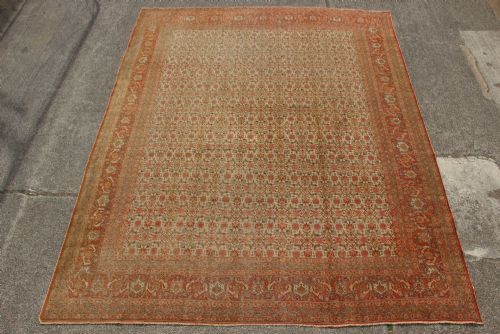
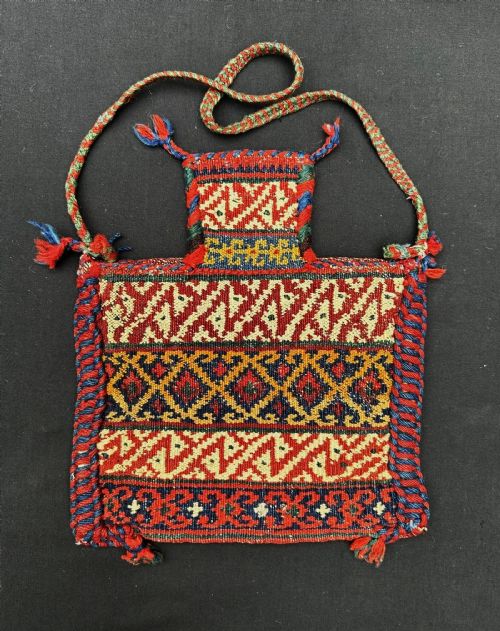
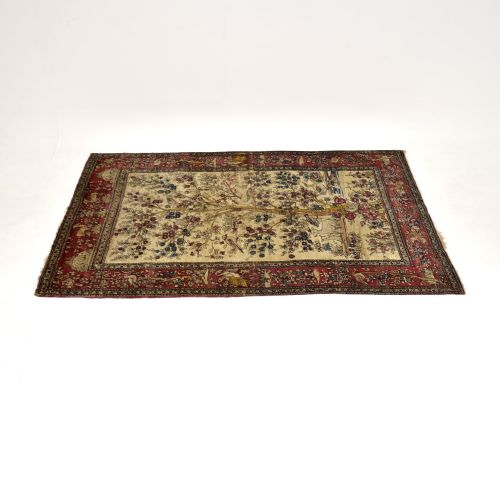
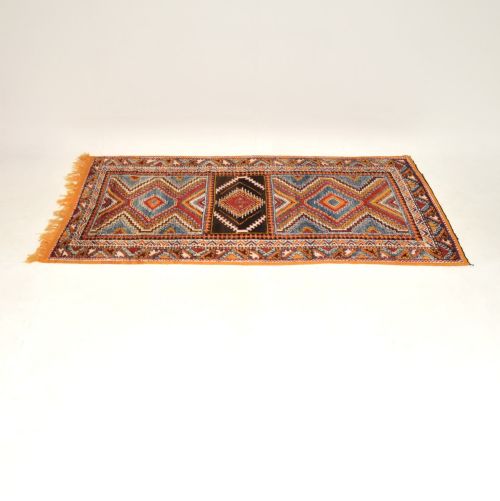
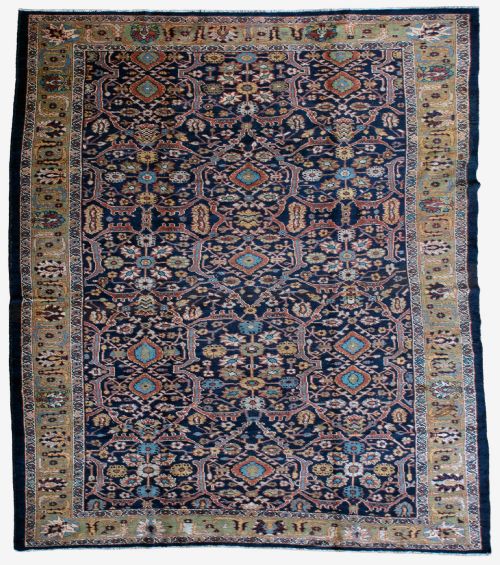
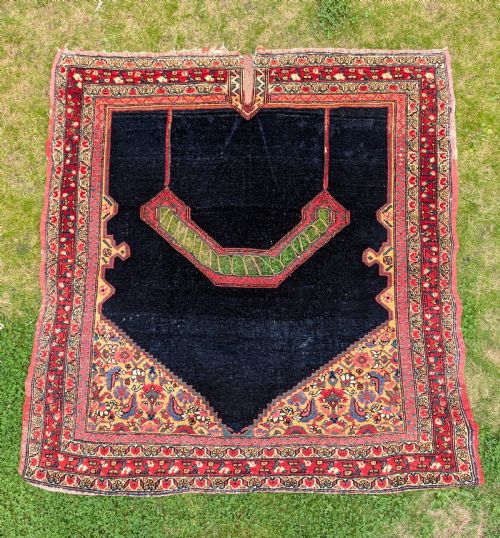
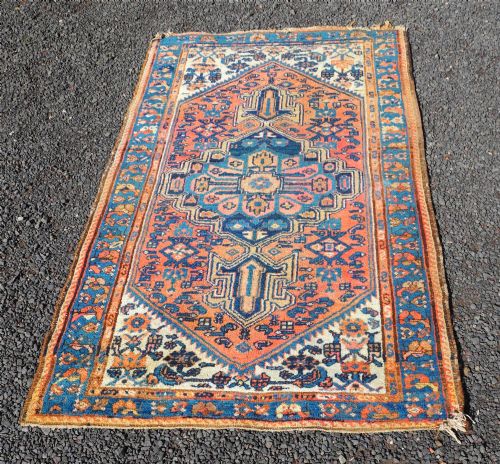
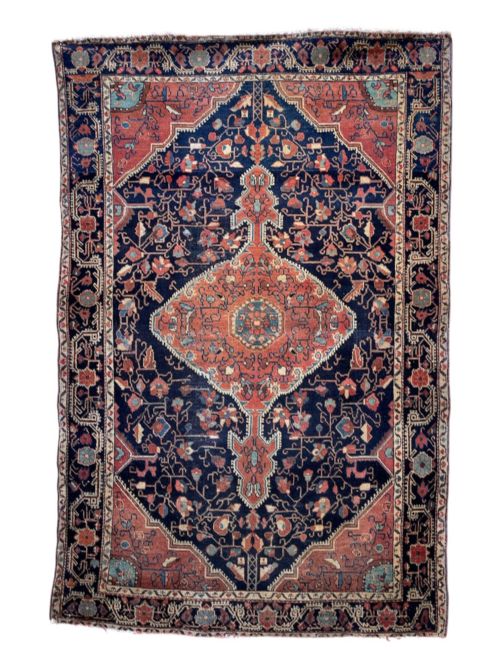
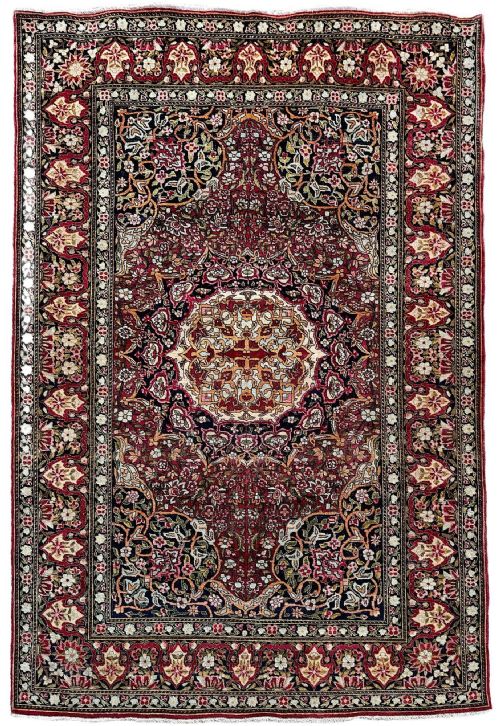
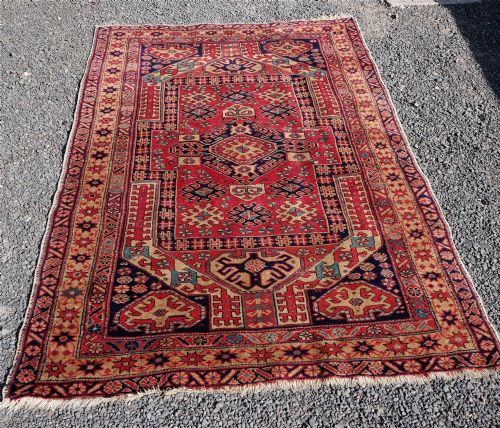
Antique persian weaving encompasses large floor carpets, village rugs and nomadic containers created across various provinces from the nineteenth century into the early twentieth century. Buyers seeking these items encounter village formats alongside smaller tribal pieces such as saddle bags, salt bags and vanity bags.
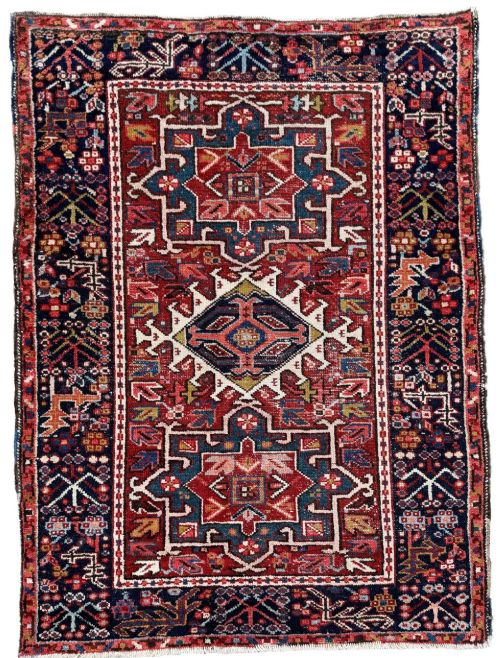
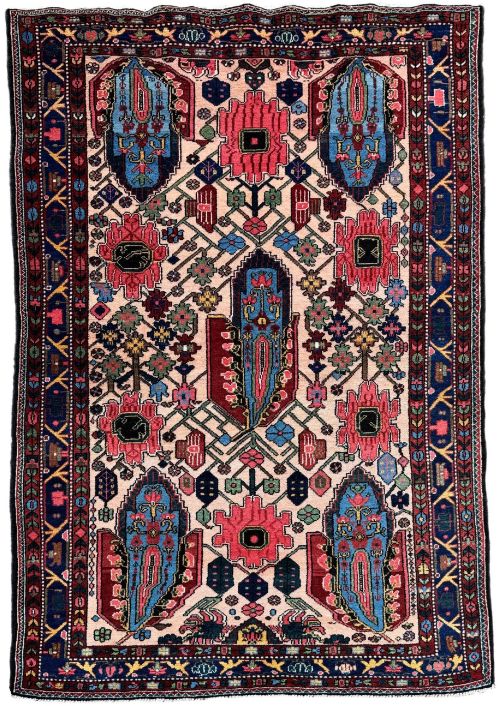
The selection ranges from expansive Heriz and Sultanabad room carpets down to intimate Afshar, Khamseh and Qashqai work. Pieces frequently emerge from specific regional centres including Kerman, Fars and Khorassan, reflecting distinct local traditions.
Materials and Construction
Makers built these pieces primarily using hand-spun wool and cotton foundations, occasionally incorporating silk highlights or cowrie shells for added texture. Natural dyes supplied the characteristic palette, yielding deep tones that mellow gradually across the surface.
The construction relies on hand-knotting techniques executed on vertical or horizontal looms by village weavers and nomadic groups. This methodical process produced dense piles and durable flatweaves designed to withstand generations of domestic use.
Nomadic weavers occasionally stitched cowrie shells directly onto textile bags to ward off the evil eye.
Distinctions in Quality
The standard of antique persian weaving depends heavily on the crispness of the drawing and the saturation of the natural dyes. Superior examples exhibit precise geometric or floral motifs where the dyestuffs retain their depth and clarity.
Structural integrity and the fineness of the knotting further separate everyday utility pieces from finer workshop or tribal masterworks. Well-balanced proportions and harmonious colour transitions elevate certain carpets into significant decorative objects.
The Antique Persian Weaving Glossary
- Medallion
- A central ornamental motif dominating the field of a rug or carpet. It usually takes a symmetrical geometric or floral form.
- Main carpet
- A large floor covering traditionally woven for domestic use within a household or tent rather than as a smaller utility bag.
- Bagface
- The decorative front panel of a nomadic storage bag, preserved and mounted independently after the original backing wore away.
- Natural dye
- Colouring matter derived from plants, insects or minerals before the introduction of synthetic dyes. These substances age with a characteristic softness.
- Flatweave
- A textile produced without a knotted pile, created by interweaving warp and weft threads to form a smooth surface.
Antique Persian Weaving: Frequently Asked Questions
How do I care for an antique rug?
Vacuum gently without a rotating brush to remove grit from the pile without straining the wool. Professional cleaning by a specialist in antique textiles prevents dye bleeding.
Keep the piece out of direct sunlight to protect natural colour saturation. Rotating the rug periodically ensures even wear across high-traffic areas.
Where were these pieces made?
Production occurred across diverse regions, including the towns and nomadic territories of South Persia, Kerman Province and Khorassan. Village workshops and tribal confederacies each developed distinct working methods.
Nomadic groups wove portable items during seasonal migrations, while settled communities produced larger carpets in fixed village locations.
What materials make up the pile?
Hand-spun wool serves as the primary material for the pile across the majority of these pieces. Cotton is frequently utilised for the warp and weft foundations.
Some refined workshop carpets incorporate silk highlights to accentuate specific details within the design. Occasional nomadic pieces integrate decorative elements like cowrie shells.
How are tribal pieces different?
Tribal items typically feature asymmetrical designs, spontaneous geometric motifs and formats suited for nomadic life, such as storage bags and smaller rugs. They reflect the traditions of specific confederacies.
In contrast, city and village carpets often display formal medallion layouts and planned floral compositions woven on larger upright looms.