





Antique Persian Floor Runner
An antique persian floor runner brings hand-knotted heritage and distinct regional character to a corridor.
Antique Persian Floor Runner
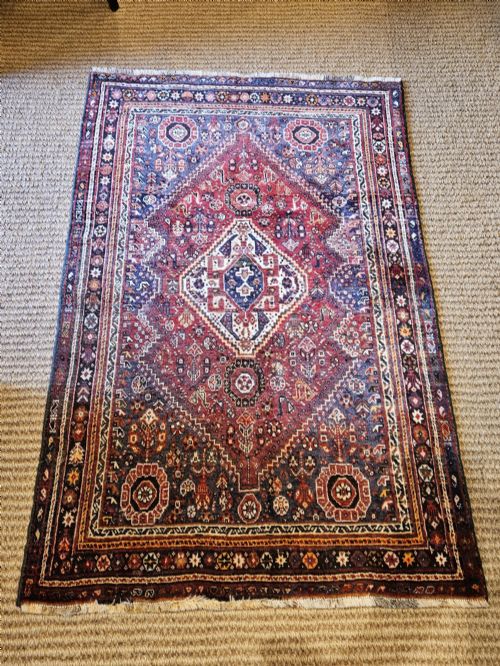
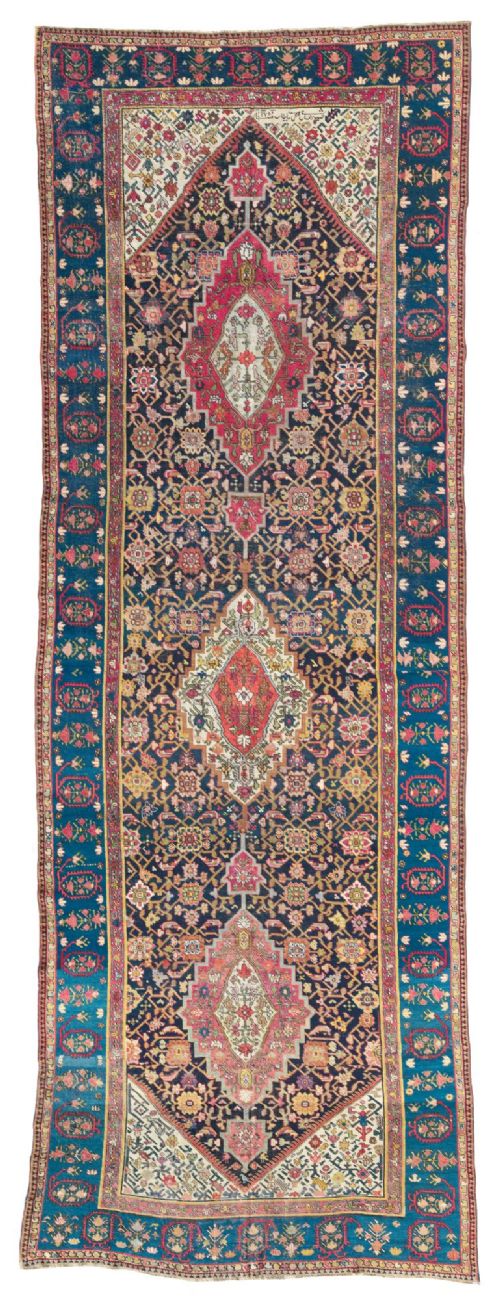
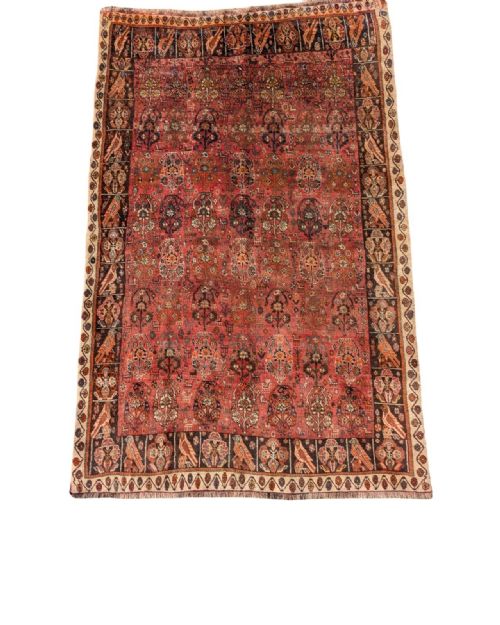
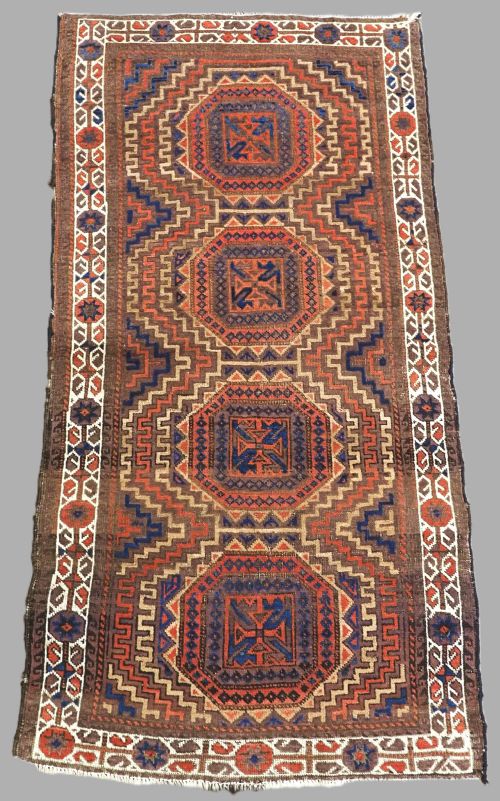
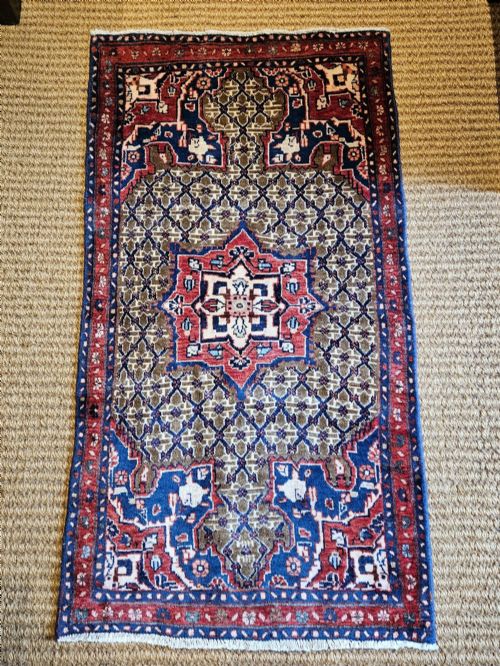
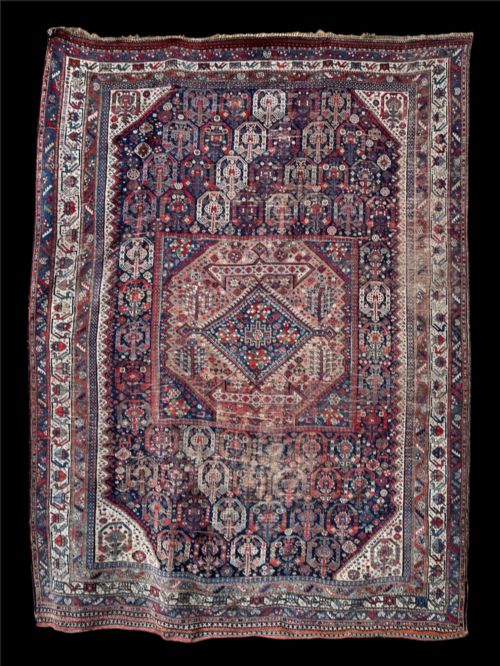
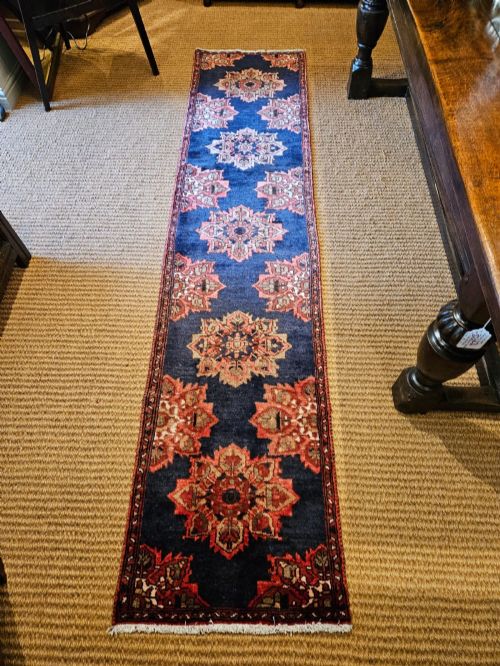
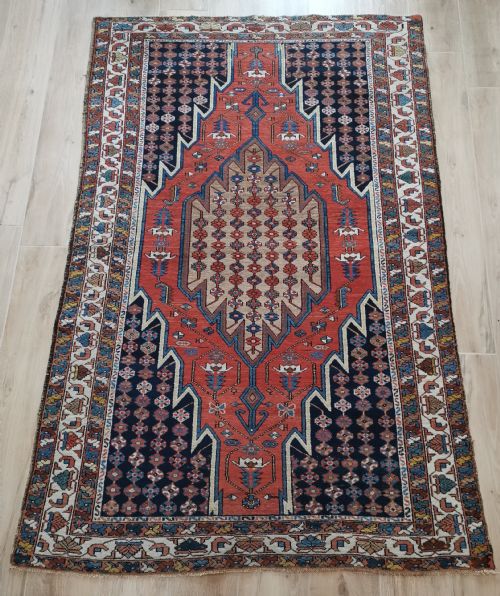
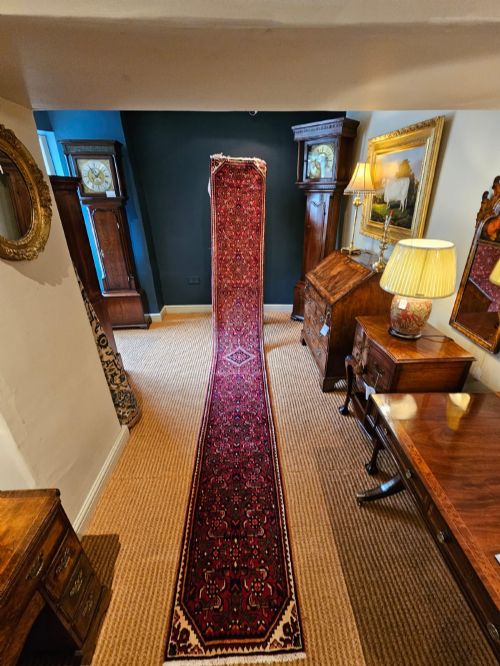
An antique persian floor runner is a long, narrow textile hand-woven in various regions of Persia, specifically designed for hallways and corridors. The pieces on this page span from the late nineteenth century into the early twentieth century, taking forms such as Heriz Karaja, Bakhtiari, Kurdish, and Tabriz village rugs.
Buyers will encounter distinct regional weaving styles, including the Chahar Mahal region of western Persia and north-west Persia. These floor runners display narrow proportions, with specific examples measuring over three metres in length alongside more compact village formats.
Materials and construction
The construction of these floor runners relies upon traditional materials recorded as wool and cotton. Weavers utilised these natural fibres to build durable foundations and dense pile surfaces capable of withstanding heavy foot traffic in domestic spaces.
Regional workshops and village weavers employed hand-knotting techniques characteristic of Persian production. The structural use of cotton for warps and wefts paired with wool pile defines the physical make-up of every runner in this category.
Antique Persian Floor Runner Retail Price Guide 2026
Typical asking prices for persian floor runner among the pieces listed under this phrase on Sellingantiques today, from the lower quarter to the upper quarter. They describe what is for sale here now, not the wider market.
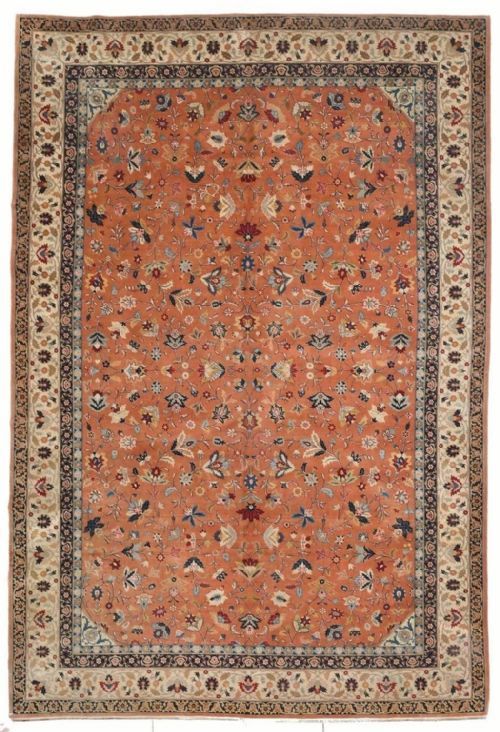
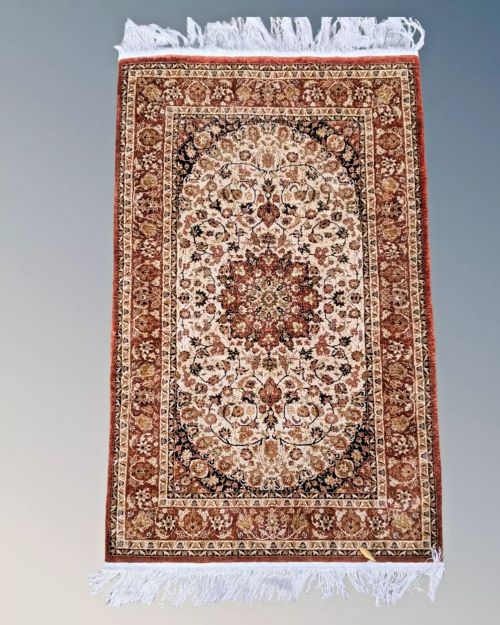
Garden designs bring blooming floral compartments straight to the hallway floor.
Assessing quality
Quality across these runners separates through the fineness of the knotting and the complexity of the regional design. Finer execution in the pile work allows intricate village and garden patterns to appear with greater clarity along the narrow format.
The distinction between standard village production and superior weaving lies in the handling of the overall design composition. Stronger execution preserves the integrity of traditional motifs from origins such as Heriz Karaja, Bakhtiari, and Tabriz across the full span of the runner.
The Antique Persian Floor Runner Glossary
- Bakhtiari
- A regional style originating from the Chahar Mahal region of western Persia, frequently associated with garden designs. These pieces reflect traditional nomadic and village weaving traditions.
- Heriz Karaja
- A designation linking these runners to north-west Persian production centres known for bold geometric formatting. Such pieces offer robust design structures suited to narrow spaces.
- Tabriz
- A major weaving centre in north-west Persia producing village and city rugs. These works demonstrate refined regional aesthetics and distinct overall design layouts.
- Wool
- The primary pile material utilised in Persian floor runners. It provides the soft yet resilient surface texture characteristic of these antique textiles.
- Cotton
- The foundational material used for the warp and weft threads of the runner. This fibre offers structural stability and allows the textile to maintain its linear shape.
Antique Persian Floor Runner: Frequently Asked Questions
Where should I place a runner?
An antique persian floor runner suits long corridors, hallways, and narrow transitional spaces within a home. Their elongated proportions are specifically designed to traverse these areas while protecting wooden flooring.
Positioning these textiles in low-to-moderate traffic zones helps preserve the wool pile over decades. They also function effectively in narrow entryways to establish an immediate historical character.
How do I clean an antique runner?
Maintenance requires gentle care such as careful surface vacuuming without a rotating brush bar. Professional textile cleaning tailored to antique Persian rugs remains the safest method for deep maintenance.
Avoiding harsh chemical treatments protects the natural wool and cotton fibres from degradation. Prompt attention to accidental spills prevents moisture from setting into the hand-knotted pile foundation.
What styles are available?
The selection includes regional styles such as Bakhtiari, Heriz Karaja, Kurdish, and Tabriz village pieces. Each origin brings distinct geometric or garden-inspired motifs to the narrow format.
North-west Persian workshops and western provincial weavers contribute varied aesthetic traditions. These differences allow buyers to select between bold geometric structures and intricate village compositions.
How old are these runners?
The pieces date from the late nineteenth century through the early decades of the twentieth century. Specific recorded dates span from eighteen-seventy up to nineteen-twenty.
This timeframe encompasses traditional village and regional weaving practices before modern commercial production altered the craft. Each piece reflects the aesthetic standards of its specific decade of origin.