




Antique Persia Bag
An antique persia bag holds centuries of nomadic artistry within woven structures designed for daily tribal life.
Antique Persia Bag
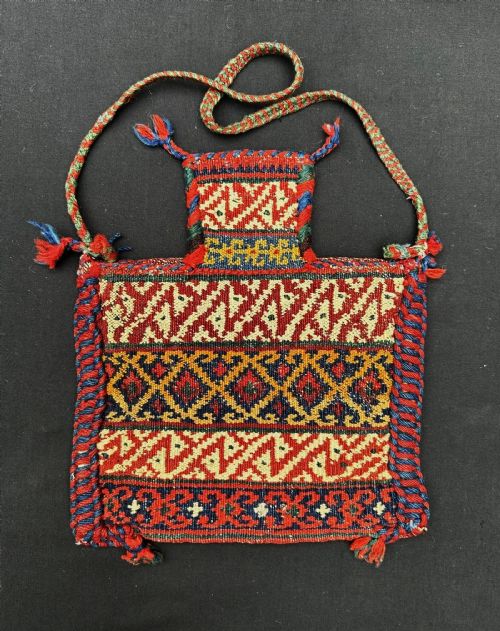
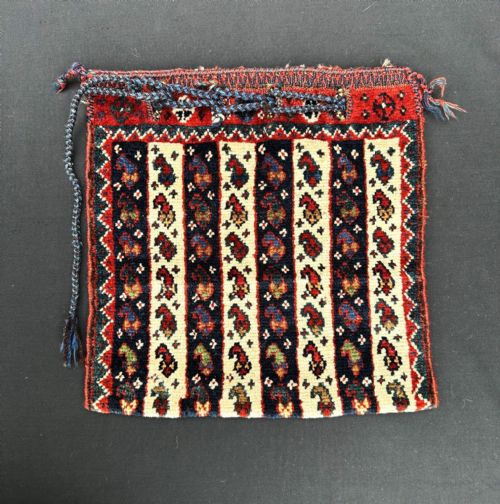
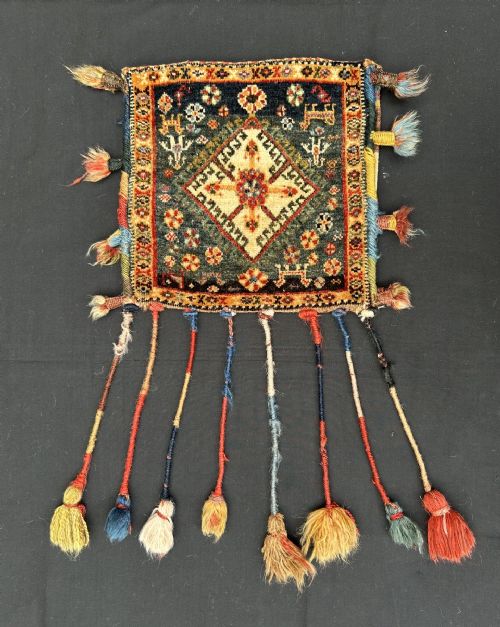
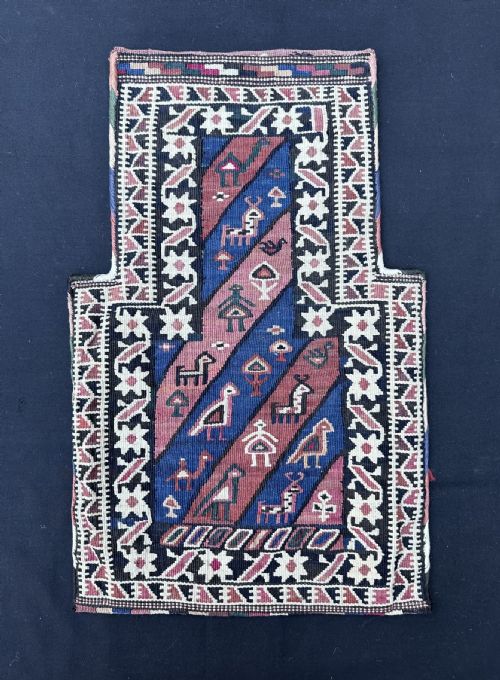
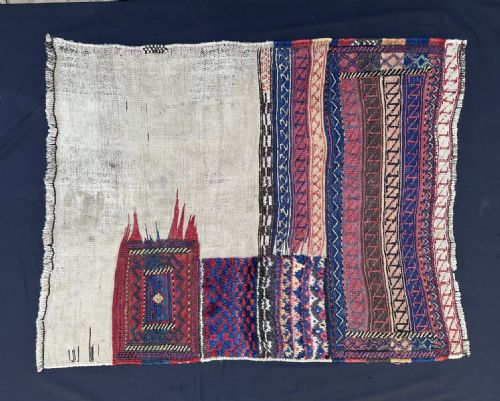
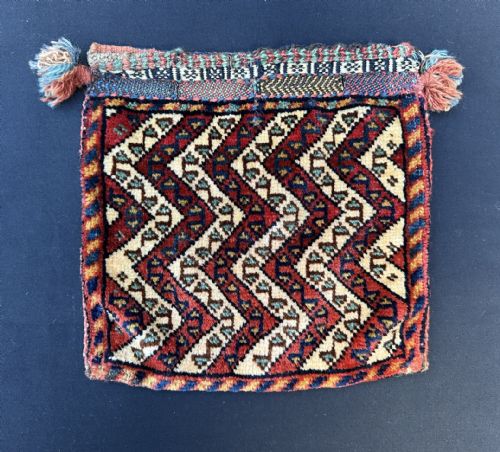
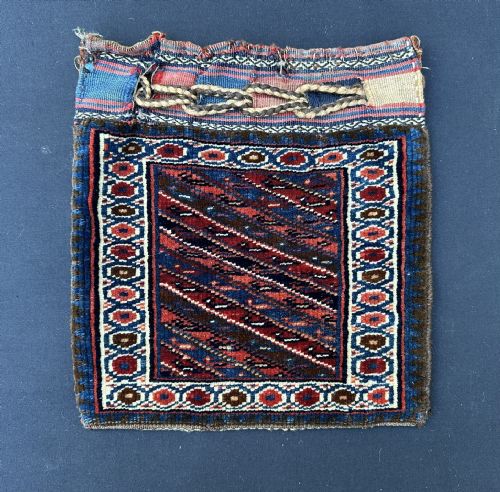
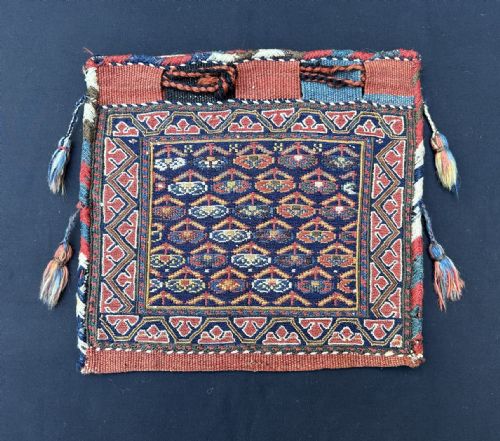
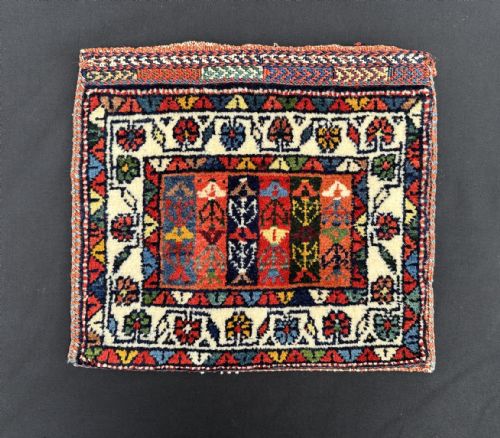
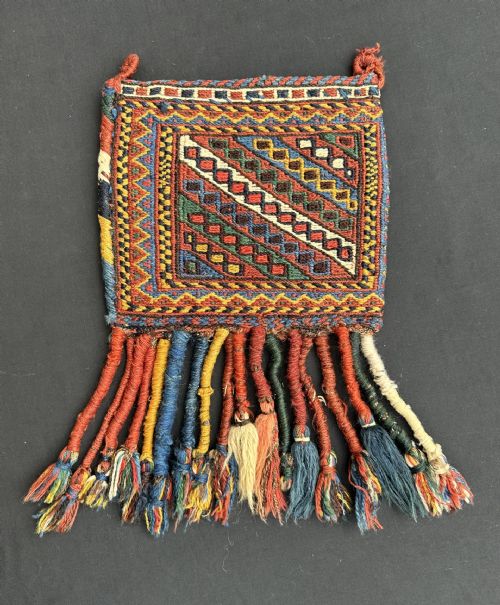
When you search for an antique persia bag, you encounter functional woven receptacles made by nomadic and village confederacies across regions like Fars, Kerman, and Khorassan. These items served specific domestic and pastoral purposes, ranging from small personal containers to larger transport sacks.
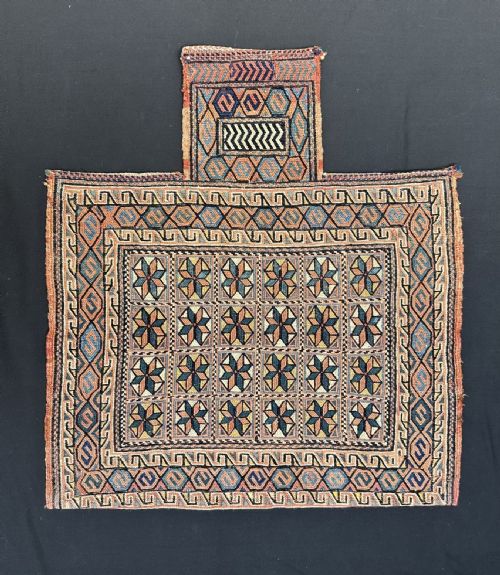
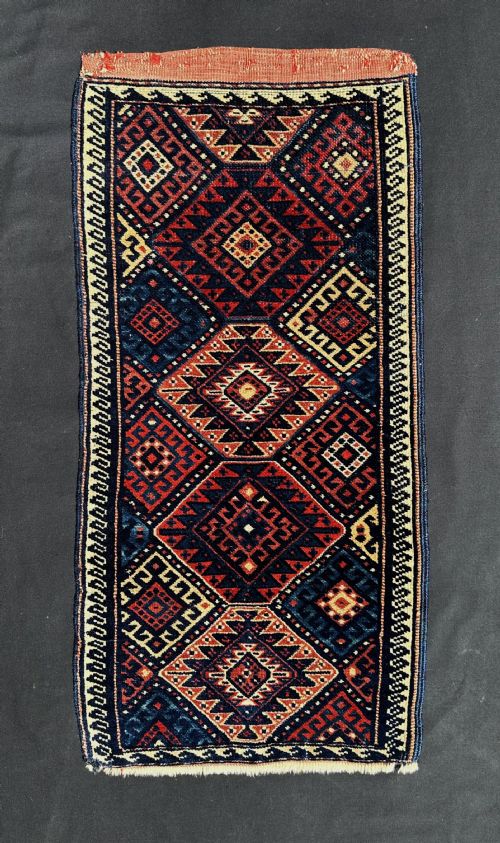
The selections on this page frequently include vanity bags, salt bags, and saddle-bag faces woven by groups such as the Qashqa'i, Afshar, and Lori-Bakhtiari. Each piece reflects the distinct utilitarian traditions and tribal identities of its specific maker.
Beyond small personal pouches, larger formats like wheat-sacks and cargo bags appear, demonstrating the wide scope of woven storage used in nomadic households. These textile forms connect the modern collector directly to the migratory existence of nineteenth and early twentieth-century Persian tribes.
Materials and Construction
Weavers constructed these pieces primarily using hand-spun wool and cotton foundations, often incorporating goat hair for added durability along selvedges and backing panels. Natural dyes provided the deep, saturated palettes characteristic of authentic tribal weaving.
Surface designs combined pile knotting and flatweave techniques, sometimes embellished with functional additions such as leather reinforcements or cowrie shells. These construction methods ensured that utilitarian bags could withstand the rigours of animal transport and daily camp use.
Materials recorded on this page include hand-spun wool, cotton foundations, goat hair, and natural dye palettes.
Evaluating Craft and Condition
Quality in these woven containers rests upon the fineness of the knotting or the tightness of the flatweave structure, alongside the clarity and brilliance of the natural dye palette. Superior examples display balanced proportions and precise tribal motifs that demonstrate high technical proficiency.
The integrity of the remaining pile, the preservation of original side cords, and the completeness of the opening backs dictate the overall merit of a piece. Well-preserved structural elements elevate an example far beyond specimens that have suffered extensive fibre loss or modern alterations.
The Antique Persia Bag Glossary
- Chanteh
- A small tribal storage bag used by nomads for personal items or documents. These portable pouches typically feature intricate flatweave or pile-woven faces.
- Namakdan
- A traditional salt bag woven with a narrow neck to prevent contents from spilling during transport. Collectors prize these for their distinct tetrahedral or flask-like forms.
- Tacheh
- A large wheat-sack or storage container produced by western tribes for agricultural use. They showcase bold geometric patterns designed for utilitarian durability.
- Mafrash
- A large rectangular cargo bag used in pairs on pack animals to transport household goods during migrations. These structural containers feature four sides and a matching bottom.
- Boteh
- An ancient motif resembling a almond or bent floral spray, frequently rendered in tribal weaving. This symbol appears widely across Afshar and Qashqa'i bag faces.
Antique Persia Bag: Frequently Asked Questions
What were antique Persian bags used for?
Nomadic tribes utilised these woven containers for practical storage and transport during seasonal migrations across the region. Smaller pouches held salt, tobacco, personal items, or grooming tools, while larger sacks accommodated grain and household goods.
Mounted travellers also strapped saddle-bags across horses and donkeys to carry equipment on long journeys. Every format served an immediate function within daily pastoral existence.
How do I identify different tribal origins?
Tribal attributions rely on specific combinations of structural knotting, wool characteristics, and distinct colour palettes native to particular geographic areas. For instance, pieces from the Fars province often display the fine geometric precision of Qashqa'i weavers, whereas southern Kerman examples frequently feature Afshar iconography.
Examining the side cord finishes, structural layouts, and regional motif repertoires helps differentiate between groups like the Bakhtiari, Shahsevan, and Baluch. Local material availability also shaped the distinct aesthetic of each producing confederacy.
How should I display a bag at home?
Many collectors mount smaller flatweave pouches and pile-woven bag faces on neutral fabric backings for wall display. This method protects fragile wool foundations from uneven stretching while showcasing the intricate patterns clearly.
Larger complete saddle-bags or storage containers work well resting flat on benches or displayed upright with inert interior padding. Keeping textiles away from direct sunlight preserves the natural dye colours.
Are these pieces made with natural dyes?
Nineteenth and early twentieth-century tribal weavers relied on botanical and mineral substances to colour their spun wool. These traditional colourants yield rich, variable tones that mellow gracefully over decades of light exposure.
Subtle tonal variations within a single field of colour often indicate the use of natural dye baths. This organic irregularity remains a primary indicator of authenticity for collectors.