
Antique Period Furniture
These examples of antique period furniture bring centuries of timber and craftsmanship into modern rooms.
Antique Period Furniture
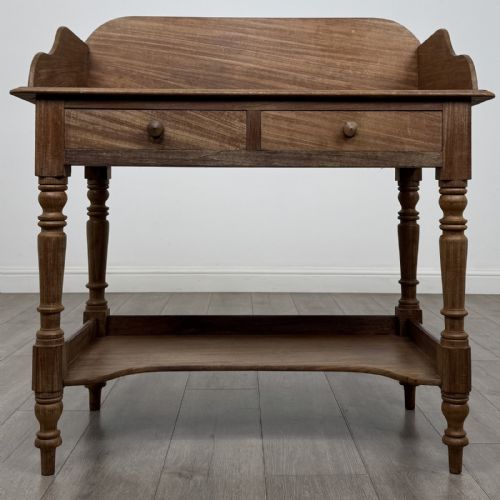
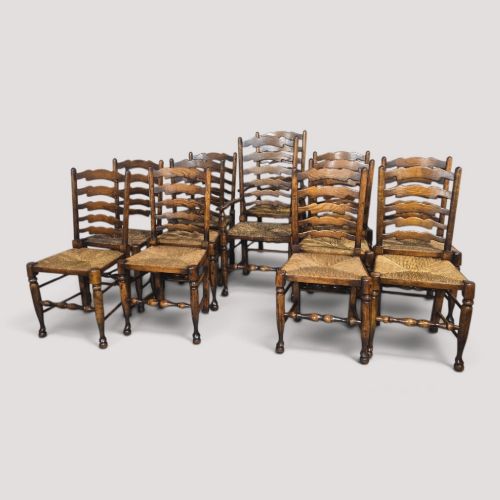
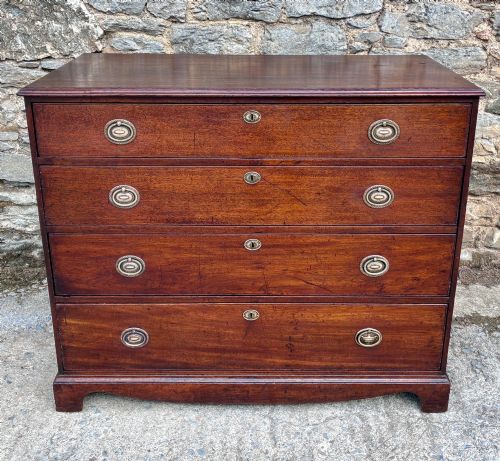
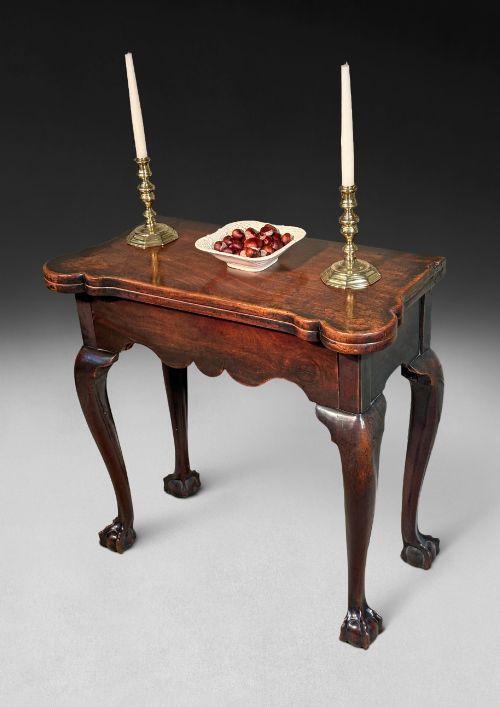
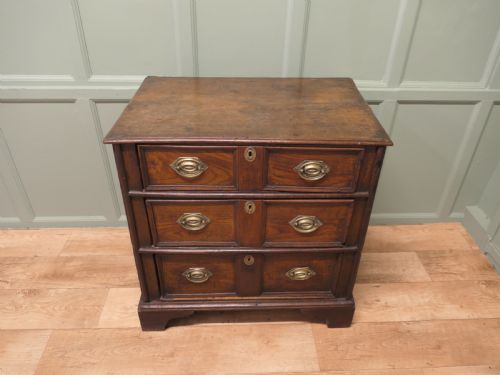
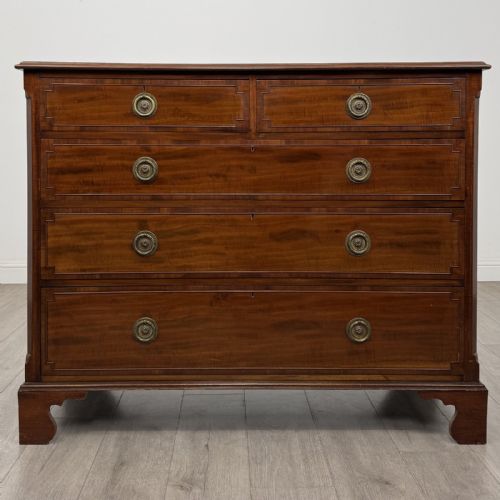
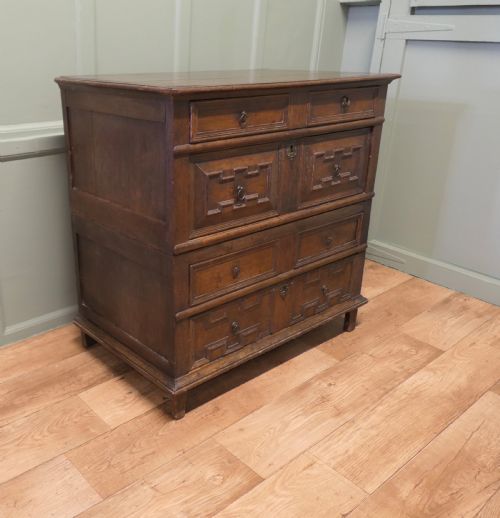
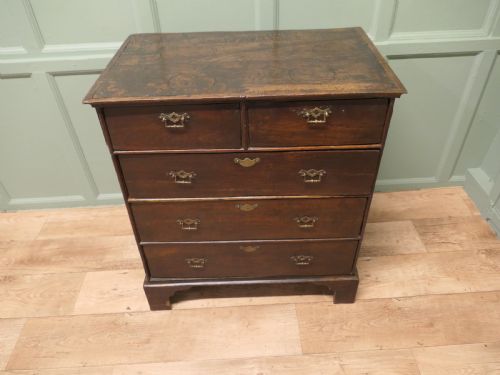
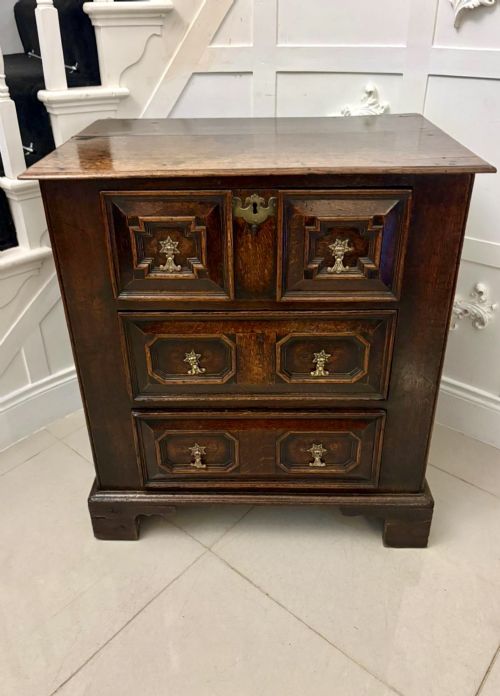
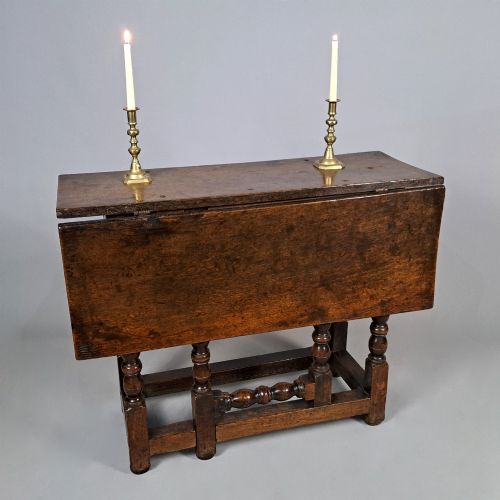
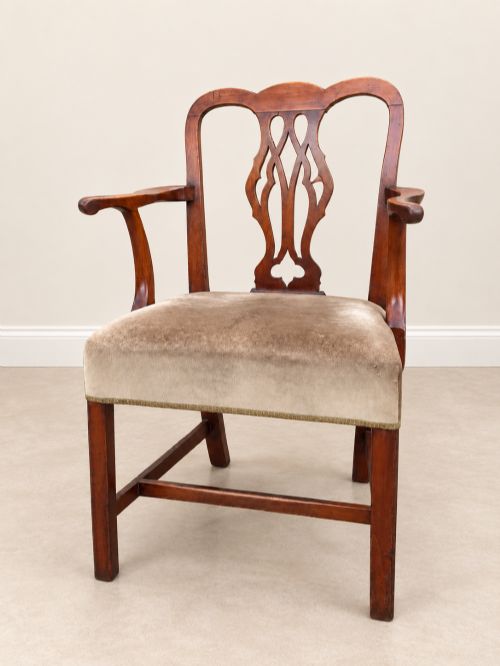
Buyers searching for antique period furniture encounter practical domestic forms spanning the seventeenth, eighteenth and nineteenth centuries. The selection centres heavily on practical storage pieces and seating, notably oak and mahogany chests of drawers, dining chairs, and side tables.
The assortment ranges from early joined oak stools and food hutches of the seventeenth century through to refined Georgian mahogany chests, Regency dining sets, and Victorian walnut seating. French commodes and Japanese Meiji period cabinets also appear among the diverse forms.
Materials and construction
The pieces rely on domestic and imported hardwoods, principally oak, mahogany, walnut, and elm, supplemented by yew, fruitwood, rosewood, and gonçalo alves. Metal fittings in brass and iron appear on functional hardware like fire sets, and panels display carving or enamel work.
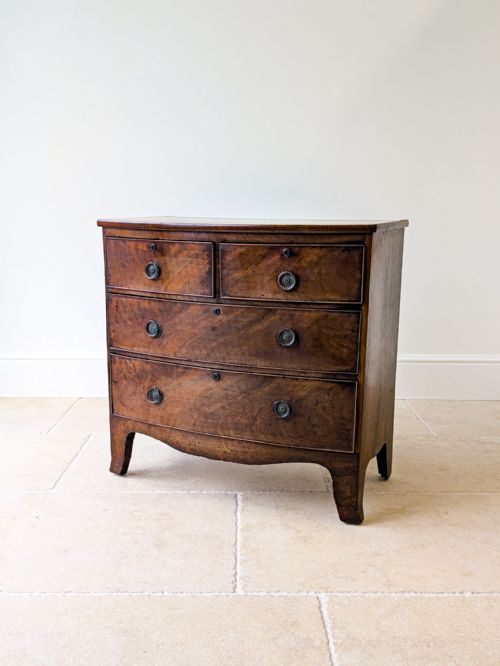
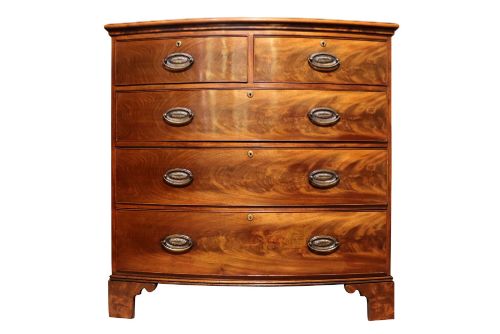
Joinery methods reflect the period of origin, from early pegged timber frames on seventeenth-century joint stools and food hutches to the fine drawer construction and bow fronts of Georgian and Regency cabinetry.
Periods represented span from seventeenth-century joined oak up through Georgian, Regency, Victorian, and Meiji eras.
What determines quality
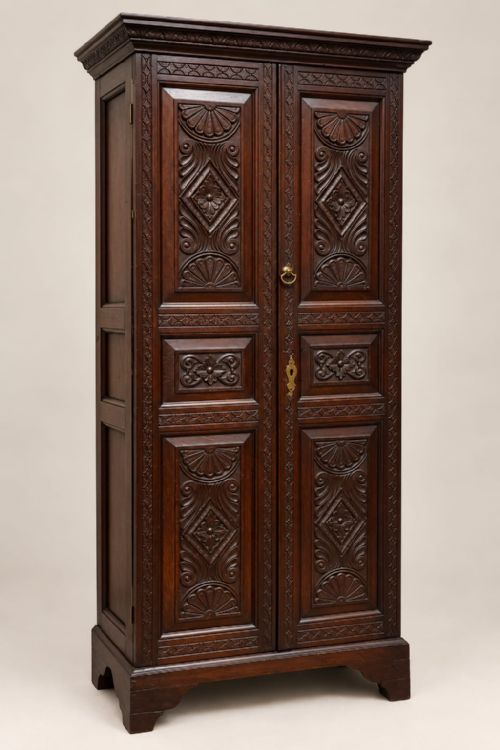
Quality rests on the integrity of the timber selection, such as figured mahogany or well-matched burr walnut veneers, paired with crispness in carved details like panels and chair splats. Untouched surface patination and original hardware distinguish superior examples.
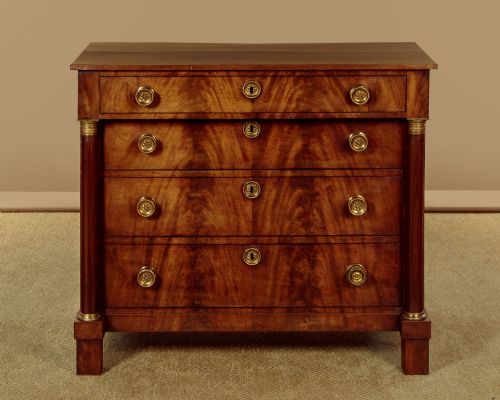
Proportion and structural honesty also separate standard items from finer works, visible in the balanced drawer arrangements of chests and the sturdy joinery of early dining chairs and joint stools.
The Antique Period Furniture Glossary
- Joint stool
- A traditional wooden stool constructed with pegged mortise and tenon joints rather than turned legs glued into seats. These sturdy pieces date frequently to the seventeenth century.
- Bow front
- A convex curved cabinet front that projects outward in an arc, commonly found on Georgian and Regency chests of drawers and sideboards.
- Chest-on-chest
- A tall storage unit formed by stacking a smaller chest of drawers directly on top of a larger base chest, popular during the eighteenth century.
- Meiji Period
- The era of Japanese history lasting from 1868 to 1912, known in these listings for carved hardwood display cabinets and enamel hardware.
- Commode
- A low French or continental chest of drawers or cabinet designed for domestic storage, often featuring veneered walnut and fruitwood.
Antique Period Furniture: Frequently Asked Questions
How do I identify seventeenth century oak?
Seventeenth century oak pieces display heavy timber construction, hand-carved panels, and pegged joinery methods rather than modern metal fasteners. The wood often exhibits deep natural patination developed over centuries of exposure.
Look also for vernacular forms such as joint stools, food hutches, and geometric mouldings that characterise the Jacobean and Charles II periods.
What is the difference between Georgian and Regency furniture?
Georgian pieces, spanning the eighteenth century, tend to use solid mahogany, oak, and walnut with robust proportions, classical carvings, and bracket feet. They emphasise structural balance and rich wood grain.
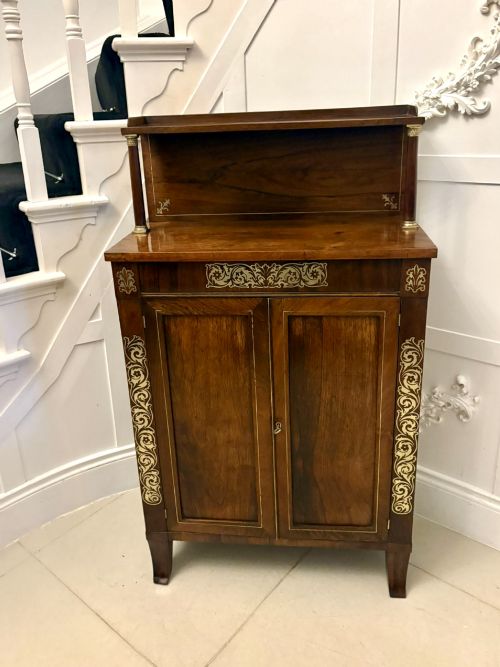
Regency items from the early nineteenth century favour classical revival styles, exotic veneers like rosewood and gonçalo alves, brass inlay, and lighter, more refined silhouettes.
How were antique chests of drawers used?
These chests served primarily for storing household linens, garments, and personal valuables in bedrooms and dressing rooms. Smaller variants, sometimes termed garret chests, provided compact storage in modest chambers.
Larger chest-on-chest configurations accommodated substantial wardrobes for wealthy households during the eighteenth century.
Can I use antique dining chairs daily?
Most antique dining chairs in oak or mahogany remain sturdy enough for regular daily use provided the frame joinery is secure. Solid timber construction and pegged joints offer lasting structural integrity.
Care should be taken with upholstered seats covered in fabric or velvet, protecting them from excessive wear and direct sunlight.