

Antique Pediment Mirror
An antique pediment mirror brings architectural proportion and classical presence to a room, framing reflections with carved crests and centuries of craft.
Antique Pediment Mirror
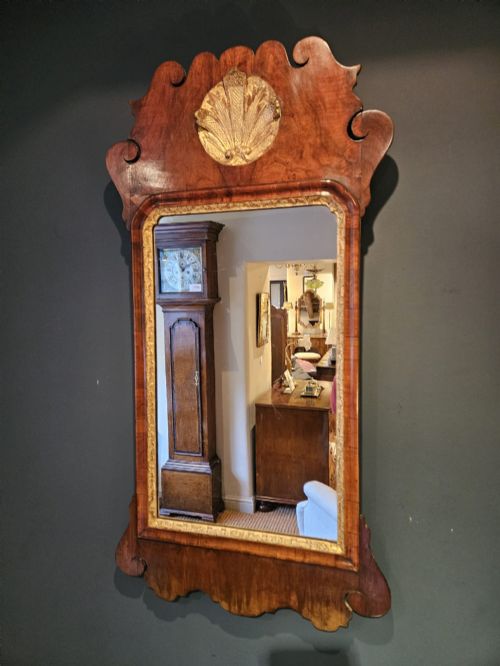
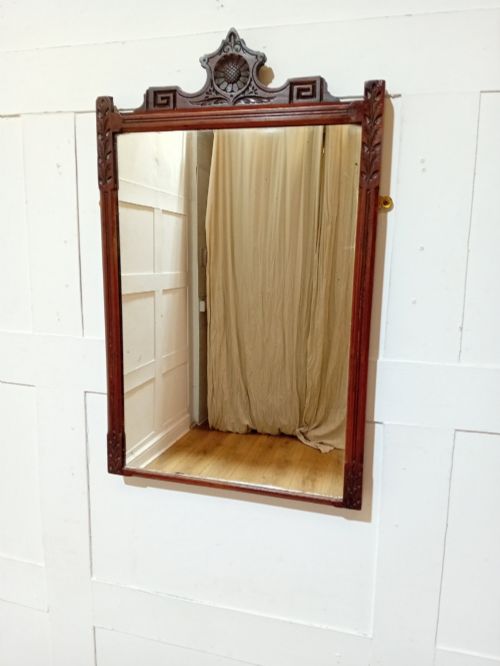
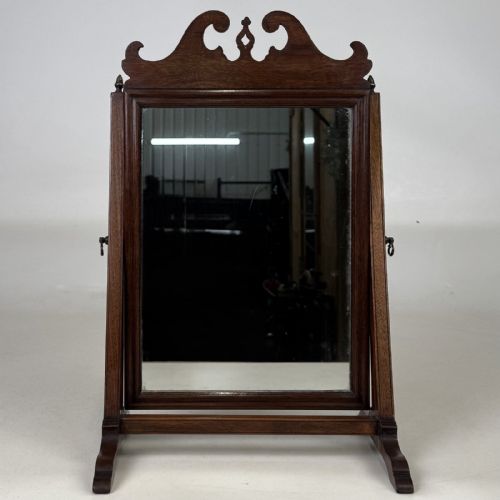
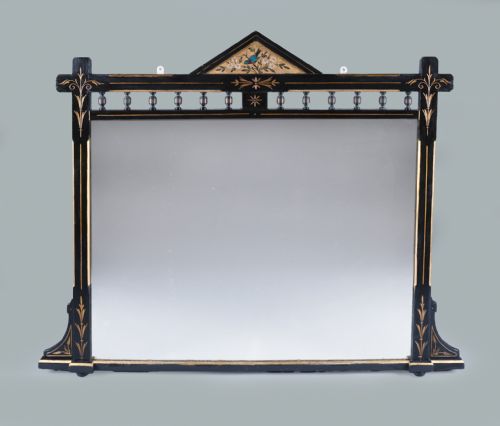
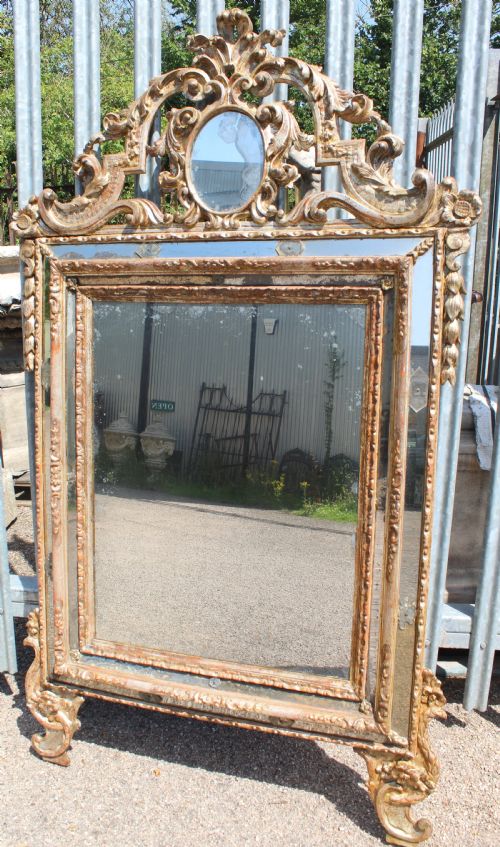
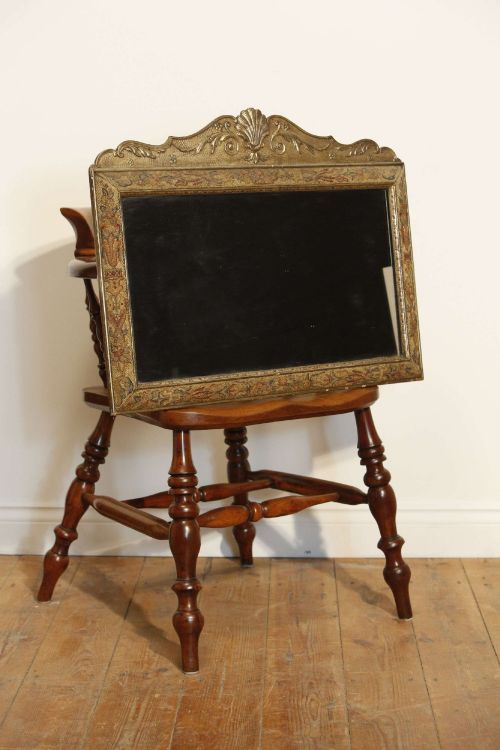
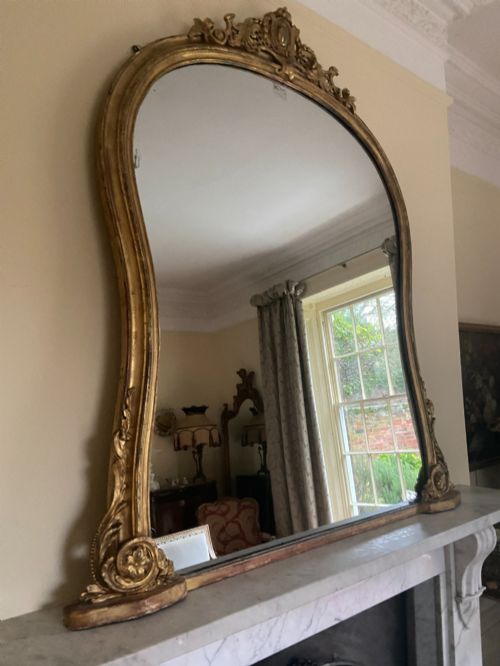
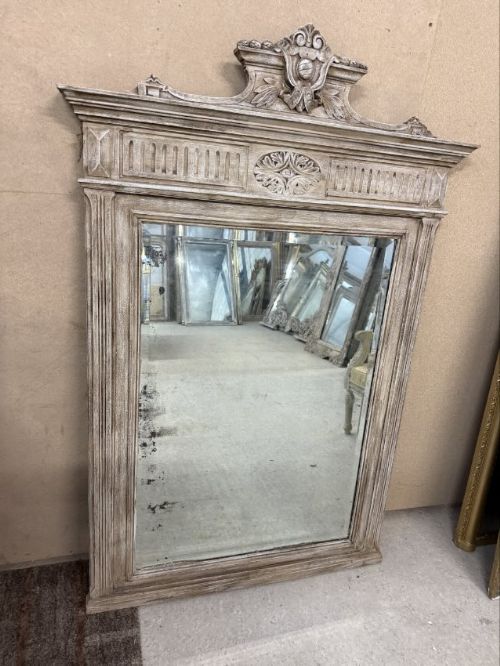
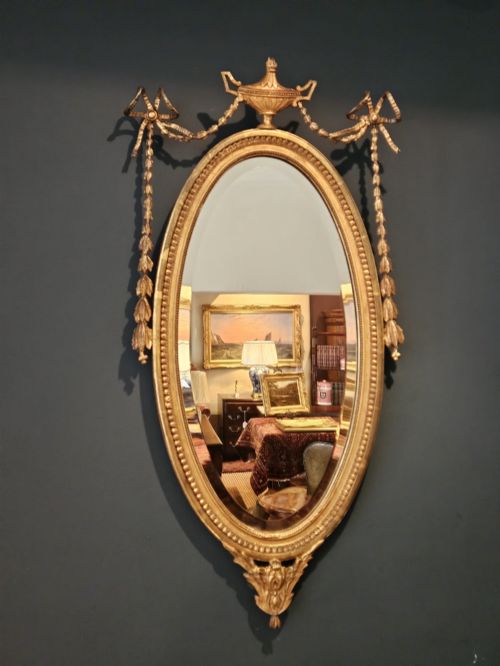
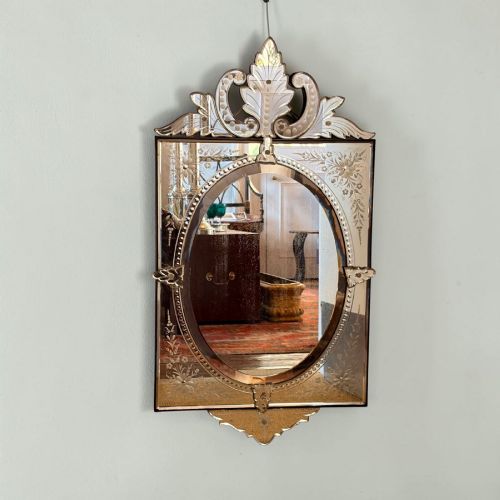
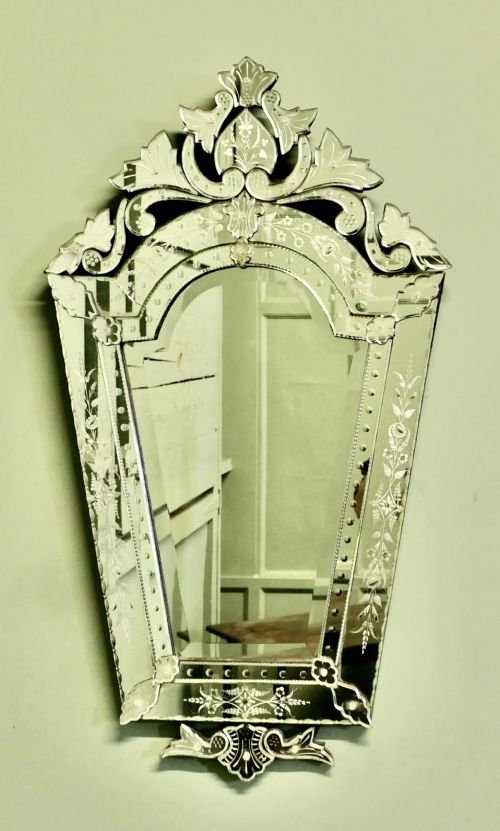
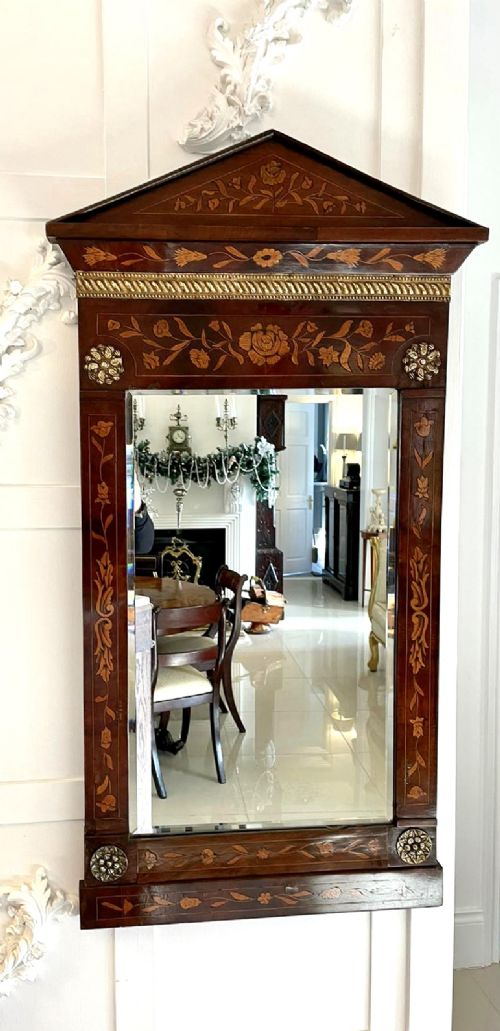
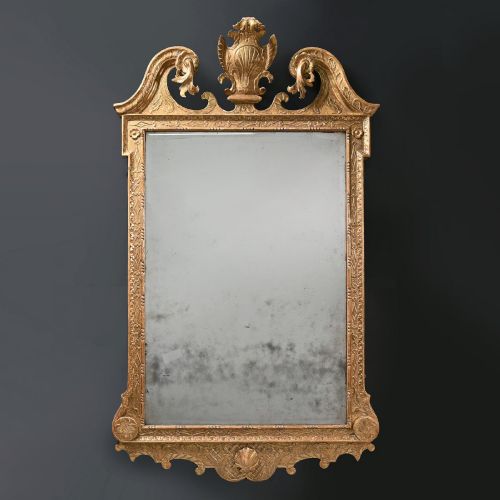
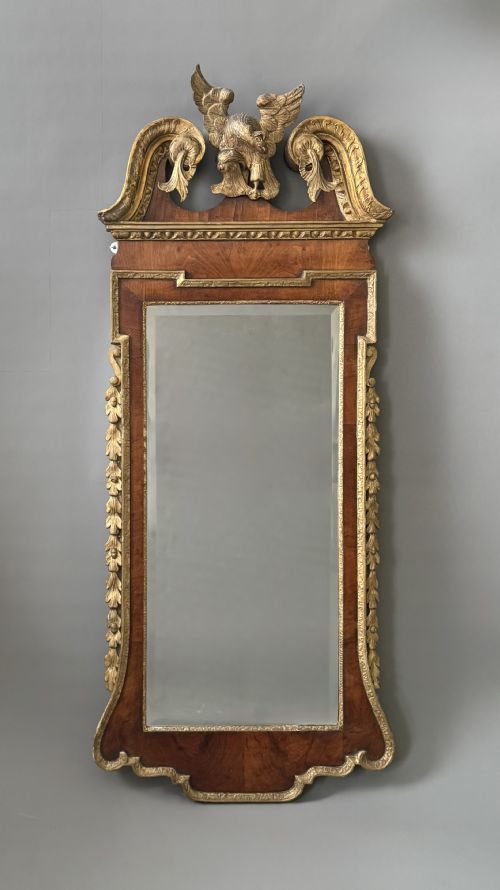
An antique pediment mirror is a looking glass crowned by an architectural architectural apex, most commonly found in Georgian, Victorian, and Edwardian forms. The pieces on this page range from wall mirrors and overmantels to pier mirrors, incorporating distinct architectural styles such as Neoclassical and George II.
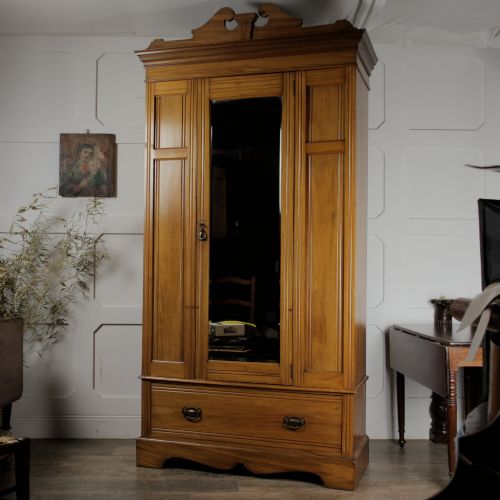
Most examples you will encounter date from the eighteenth and nineteenth centuries, utilising timbers like mahogany, walnut, and rosewood alongside giltwood and gesso frames. Alongside dedicated wall and overmantel mirrors, the selection occasionally includes related case furniture such as bureau bookcases and display cabinets that incorporate mirrored elements.
Originating across England, France, Sweden, and the Netherlands, these mirrors reflect diverse regional tastes from French Empire and Louis XVI designs to Biedermeier birchwood. The defining feature remains the pediment top, which elevates a utilitarian glass into a focal point of interior architecture.
How they were made
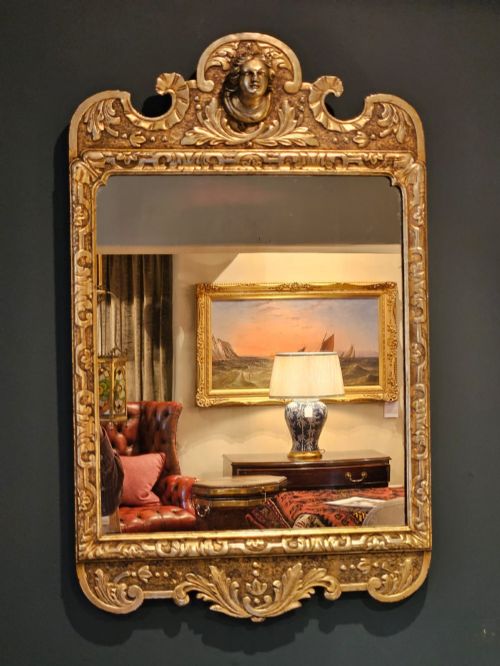
Frames were constructed from dense cabinet timbers such as mahogany, walnut, rosewood, and oak, often finished with parcel gilding or painted surfaces. Carvers shaped intricate crests and mouldings directly from the wood or applied composition ornament over gesso grounds.
Giltwood pieces relied on thin layers of gold leaf laid over prepared gesso on a wooden base, burnished to achieve a deep lustre. Glass plates, whether original or historic replacements, were secured within the rebate using traditional backing boards and fixings appropriate to each period.
Antique Pediment Mirror Retail Price Guide 2026
Typical asking prices for pediment mirror among the pieces listed under this phrase on Sellingantiques today, from the lower quarter to the upper quarter. They describe what is for sale here now, not the wider market.
Regional craftsmanship on this page includes English cabinet work, French Empire styling, and Swedish neoclassical execution.
What varies in quality
The sophistication of the carved pediment and the depth of the gilding set the finer pieces apart from standard workshop production. Crispness in the foliage, scrolls, and architectural details indicates the hand of a skilled carver rather than a massed output.
The integrity of the original glass plate, the stability of the timber frame joints, and the retention of original finish surfaces dictate the overall archaeological and aesthetic standing of each mirror.
William Kent
The Antique Pediment Mirror Glossary
- Pediment
- The triangular or curved architectural crowning feature surmounting the top of the mirror frame. It originates from classical building design and gives these mirrors their distinctive profile.
- Giltwood
- Timber, typically softwood or lime, coated with gesso and gold leaf. This finish provides a brilliant reflective surface that catches natural light in a room.
- Gesso
- A plaster-like mixture applied to wood frames to create a smooth surface for gilding or intricate carving. It allows for sharp relief details on the crestings.
- Pier Mirror
- A tall, narrow looking glass designed to hang on the wall space between windows. These pieces often feature elaborate pediments to draw the eye upward.
- Trumeau Mirror
- An architectural wall mirror often integrated into wood panelling or fitted with an upper painted or carved panel. Eighteenth-century examples demonstrate high-status interior decoration.
Antique Pediment Mirror: Frequently Asked Questions
Where should I hang an antique pediment mirror?
These mirrors work best above a mantelpiece, console table, or sideboard where the architectural pediment can command the wall space. Ensure the hanging fixings match the substantial weight of wood and glass.
Position the mirror to reflect natural light from windows, which brightens darker corners and creates a sense of greater depth in a principal room or hallway.
How do I identify an eighteenth-century pediment mirror?
Look for construction details such as hand-cut joinery, old pine backing boards, and heavy mercury glass plates that show minor oxidation or foxing. Eighteenth-century frames often use walnut or mahogany beneath gilt details.
Check the carving style on the pediment against known period motifs, noting that Georgian and George II examples display deep, confident hand-chiselling rather than uniform machine moulding.
Are the mirror plates usually original?
Many antique mirrors retain their original glass, which can be identified by slight distortions, minor surface bubbles, and age-related foxing around the edges. Historic glass adds considerable character to the piece.
When a mirror has been reglazed in later periods, the glass often appears clearer and flatter. Both original and replaced plates have their merits for daily domestic use.
How do I care for giltwood and antique frames?
Dust giltwood and carved frames gently with a soft, dry brush to prevent accumulation in the recesses of the pediment. Avoid liquid cleaners, as moisture can lift delicate gesso and gold leaf.
Keep wooden frames nourished with appropriate mild wax where exposed, and protect the mirrors from direct sunlight and fluctuating humidity to preserve the timber and backing.