




Architectural Pediment Wall Mirror
An architectural pediment wall mirror brings classical proportion and depth to a room, framed by the pediments and architectural lines found in Georgian and 18th Century design.
Architectural Pediment Wall Mirror
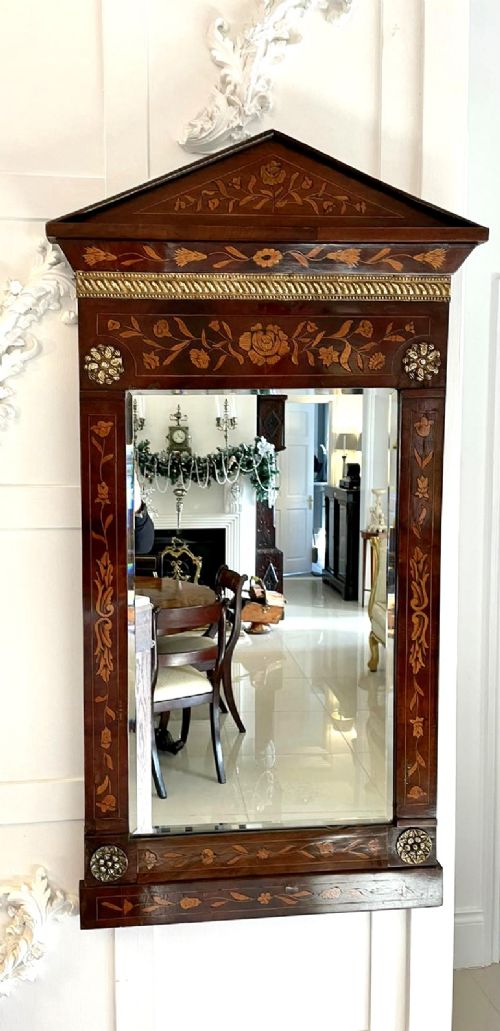
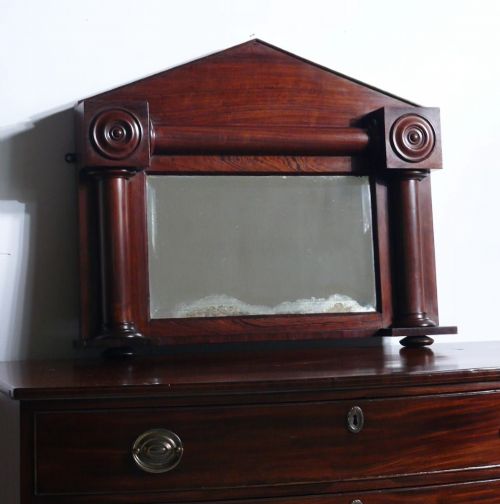
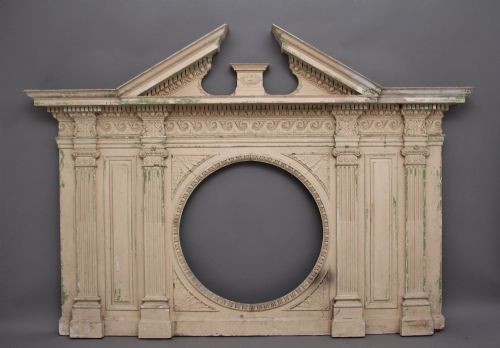
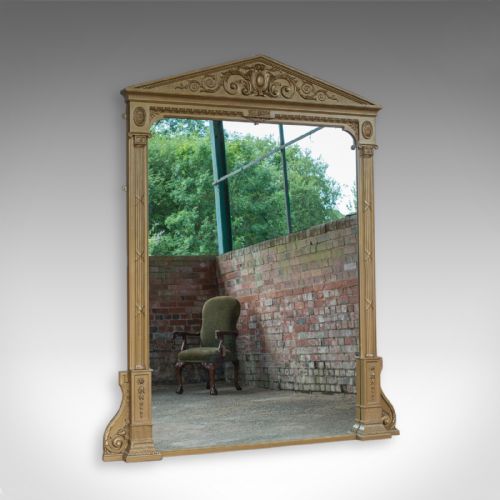
An architectural pediment wall mirror draws upon classical building forms, translating exterior facades and pediments into interior focal points. You will frequently encounter 19th Century interpretations alongside genuine 18th Century examples, spanning wall mirrors, overmantels, and pier glasses.
The objects take various shapes, from large overmantel mirrors designed to sit above a fireplace to smaller pier glasses and trumeau mirrors. Styles range across George II, Neoclassical, French Empire, and Biedermeier, demonstrating how makers adapted architectural framing for domestic spaces.
Many pieces incorporate wooden frames enhanced by parcel gilding, paint, or marquetry inlay. The overall composition typically centres on a mirrored glass plate set beneath a distinct pediment structure.
How they were made
Makers constructed these frames using timbers such as mahogany, walnut, birchwood, and fruitwood, often applying gesso to create crisp relief details before gilding. Giltwood and parcel gilt finishes required meticulous application of gold leaf over prepared surfaces to achieve a luminous contrast with the wood grain.
Inlaid pieces utilised techniques like Dutch marquetry to form intricate floral or geometric patterns across mahogany grounds. Painted pine and decorated surfaces show how craftsmen manipulated colour and pigment to complement the architectural outlines of the pediment.
Periods represented span from the 18th Century through various 19th Century revivals up to the 1920s.
What varies in quality
Quality rests upon the crispness of the carving and the proportional harmony between the architectural pediment and the mirror plate. Finer examples display deeply undercut mouldings and sophisticated joinery that reflect the structural logic of real buildings.
The choice of materials and the execution of secondary treatments, such as parcel gilding or marquetry, dictate the visual hierarchy of the piece. Superior execution avoids heavy-handed restoration, preserving the original relationship between the frame, the gesso work, and the glass.
The Architectural Pediment Wall Mirror Glossary
- Pediment
- A triangular or segmental architectural feature placed above the mirror frame, derived from classical temple architecture. This element defines the upper silhouette of the piece.
- Overmantel
- A large mirror specifically proportioned to hang on the wall directly above a fireplace mantelpiece. These often feature extended horizontal formats.
- Parcel Gilt
- A framing technique where only specific raised details or carved motifs are covered in gold leaf while the underlying wood remains visible. This creates a balanced contrast between timber and gilt.
- Trumeau Mirror
- A tall wall mirror incorporating a painted or carved panel situated above the glass plate. These originated in eighteenth-century interior decoration.
- Gesso
- A plaster-like mixture applied to wooden frames as a smooth base for subsequent gilding or painting. Skilled application allows for sharp, durable decorative mouldings.
Architectural Pediment Wall Mirror: Frequently Asked Questions
How do I hang a heavy architectural mirror?
These substantial pieces require fixing directly into wall studs or masonry using heavy-duty brackets suited to the weight of the timber and glass.
Professional installation ensures the frame remains secure and distributes the load evenly across the wall structure.
Where should I place an overmantel mirror?
Positioning the mirror above a fireplace mantel follows traditional placement, reflecting light and creating a focal point within the room.
Ensure the scale corresponds to the width of the fireplace surround for a balanced visual composition.
How do I clean an antique mirror plate?
Use a soft, dry cloth to remove dust from the glass and frame without applying moisture directly to the antique silvering or wood surfaces.
Avoid commercial chemical cleaners that can seep behind the glass edge and damage the original backing.
What distinguishes George II style from 19th Century copies?
Original pieces from the Georgian period exhibit specific joinery techniques and timber ageing consistent with the eighteenth century.
Later Victorian interpretations often utilise different secondary woods and machine-prepared elements while imitating earlier architectural motifs.