




Antique Pedestal Entry Table
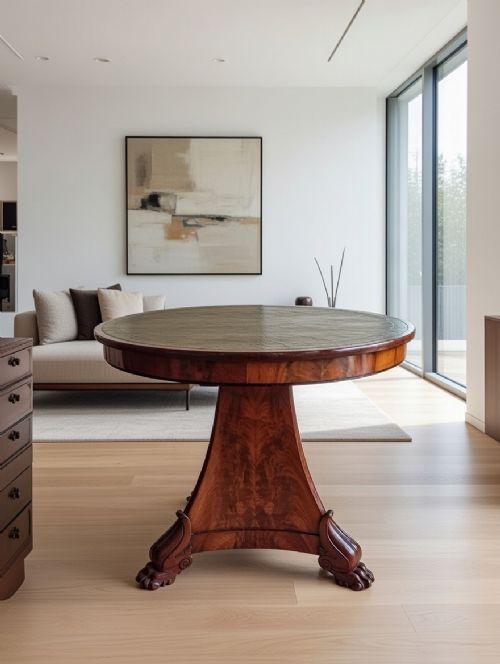
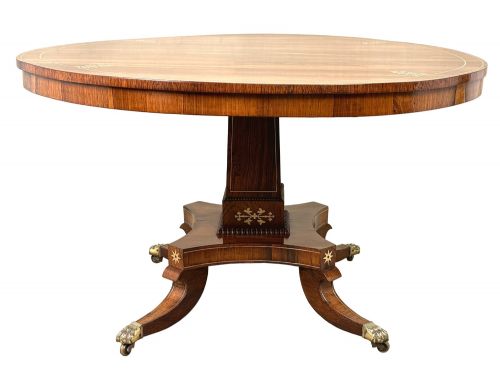
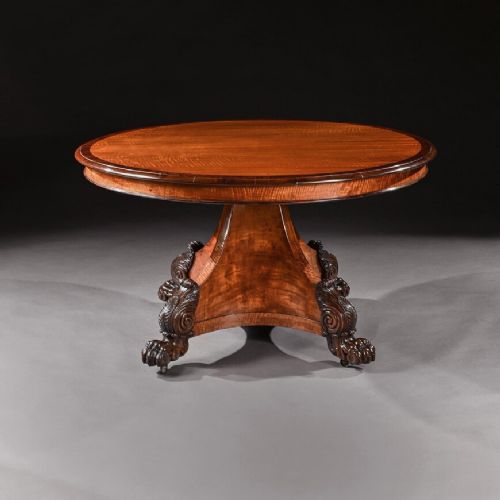
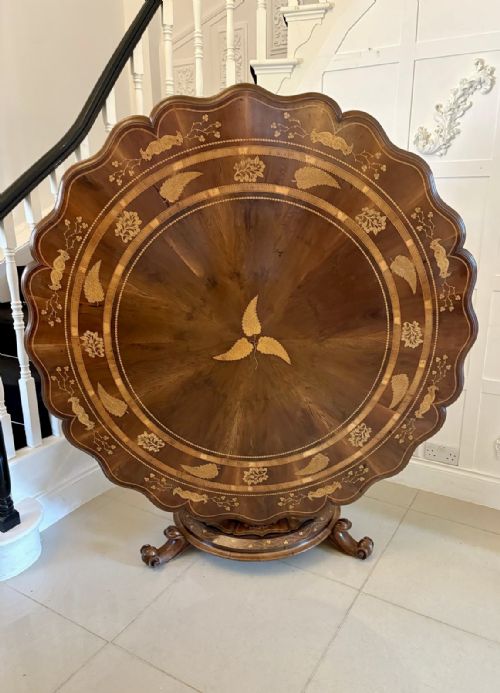
An antique pedestal entry table welcomes visitors with a central pillar and timber grain suited to a grand hallway.
Antique Pedestal Entry Table
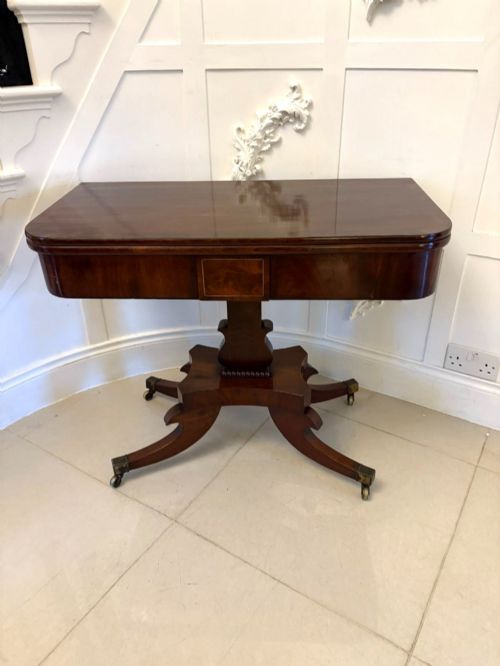
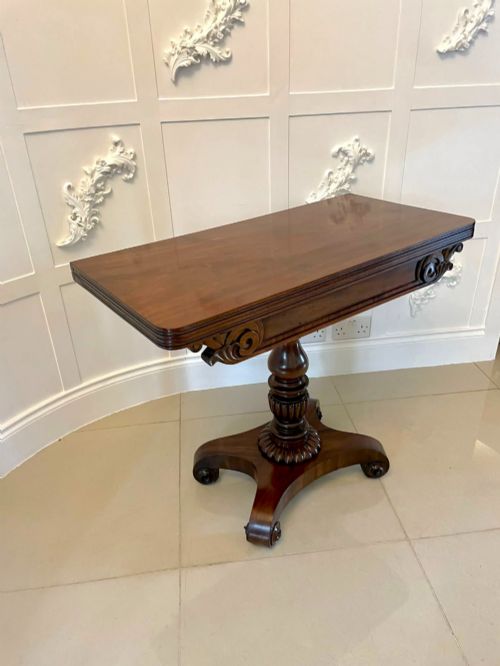
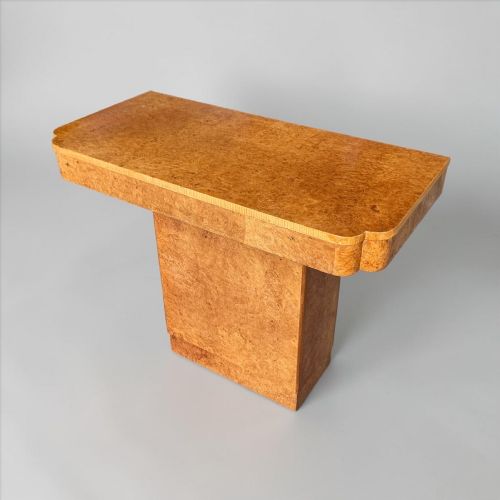
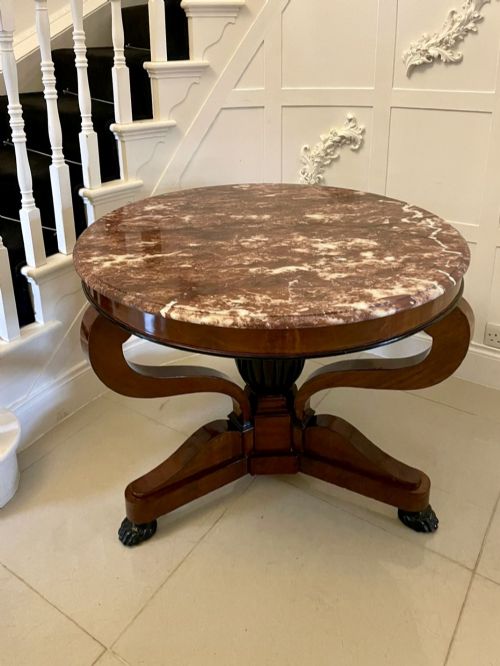
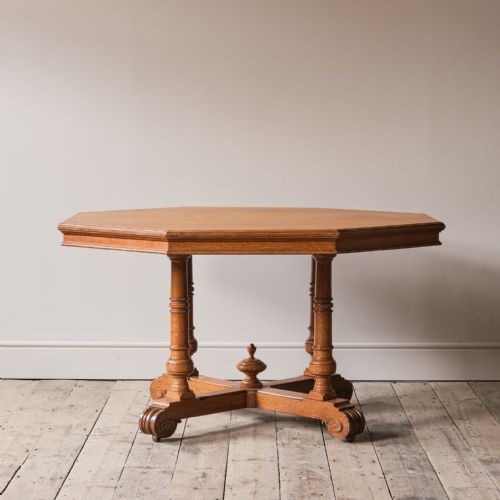
An antique pedestal entry table serves as a focal point in a hallway or landing, combining utility with decorative presence. These pieces frequently appear as circular centre tables, console tables, and gueridons supported by a single central column rather than four corner legs.
The selection ranges from Regency and William IV mahogany forms to Victorian marble-topped gueridons and later Art Deco birch designs. Buyers encounter circular, oval, and octagonal tops designed to stand free in a space or rest against a wall.
Origins span British workshops alongside French, Scandinavian, German, and Italian makers, reflecting varied regional tastes in timber selection and decorative details. Most examples date from the nineteenth century, with specific pieces attributed to periods like the Regency and the Victorian era.
How they were made
Cabinet makers utilised dense hardwoods such as mahogany, flame mahogany, rosewood, walnut, and oak for the primary structures, often selecting figured grains for visual impact. Surfaces frequently incorporate brass inlay, marquetry, or leather inserts to enhance the decorative scheme.
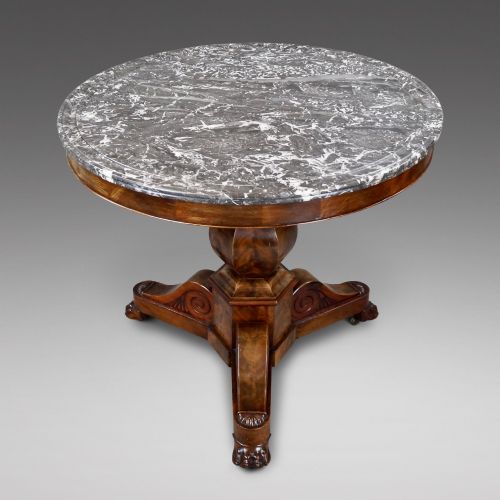
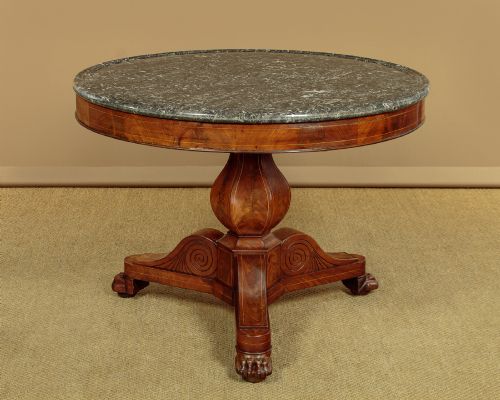
Many continental and Victorian examples incorporate heavy marble slabs set into the wooden framework of the top, requiring robust central pedestals to support the weight. Timber veneers and solid planks are joined using period woodworking techniques suited to the circular and polygonal formats.
Listings feature 19th-century mahogany, walnut, oak, and rosewood alongside specialised materials like marble, brass, and yew wood.
What varies in quality
The sophistication of the timber figure and the precision of any inlay work dictate the visual distinction of the piece. Figures using flame mahogany, satinwood, or intricate Killarney marquetry display greater ambition than plain surfaces.
The stability and design of the central pedestal and its base platform determine the structural merit. Elaborate carving, ebonised details, and the integration of marble tops or brass mounts elevate the standing of the table.
Peters of Genoa·Egan Workshop
The Antique Pedestal Entry Table Glossary
- Gueridon
- A small French table supported by a central column or figures. These pieces often feature circular marble tops.
- Console table
- A table designed to stand against a wall, frequently used in entrance halls. They often pair with a mirror above.
- Marquetry
- Decorative patterns formed by the insertion of different woods, veneers, or materials into a solid surface. This technique appears on notable Irish Killarney pieces.
- Figured mahogany
- Timber cut to reveal distinctive grain patterns such as flame or fiddleback. It was prized by nineteenth-century cabinet makers.
Antique Pedestal Entry Table: Frequently Asked Questions
What is a pedestal entry table used for?
These tables provide a surface for lamps, decorative objects, or incoming post in a hallway or reception space.
Their central pillar construction allows people to walk around the piece easily when placed in the middle of a room.
How do I identify a Regency pedestal table?
Regency pieces often display classical proportions, rosewood or mahogany timbers, and brass inlay details.
They date from the early nineteenth century and lean towards clean architectural lines inspired by classical antiquity.
Are marble top tables heavy?
Marble top centre tables and gueridons carry considerable weight due to the stone slab inset into the wooden frame.
The central pillar and base are engineered to support this heavy load while keeping the table stable.
Can I use an antique entry table daily?
These tables are built from solid hardwoods like oak and mahogany, making them sturdy for everyday domestic use.
Care should be taken with polished wood and unsealed marble surfaces to prevent water marks or scratches.