






Antique Pattern Painting
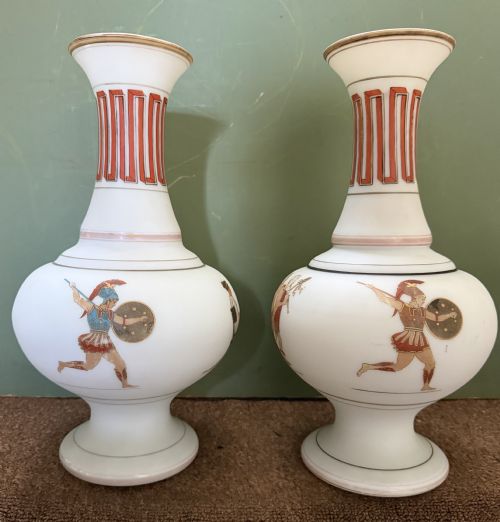
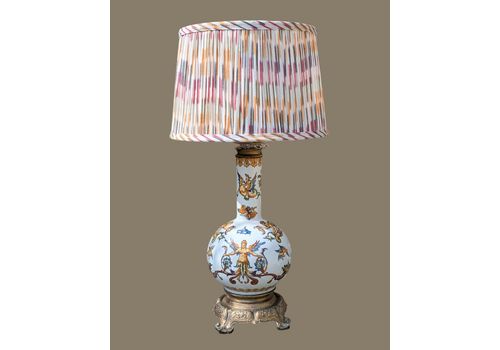
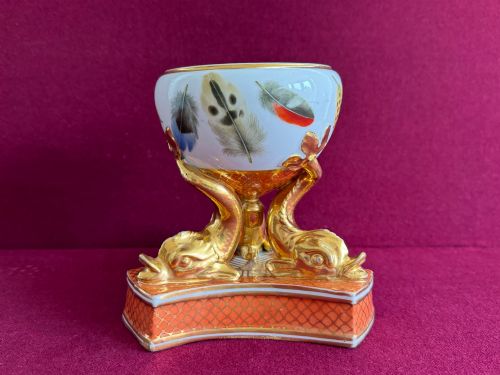
These antique pattern painting pieces bring hand-applied motifs on ceramic, porcelain, and metal into domestic spaces.
Antique Pattern Painting
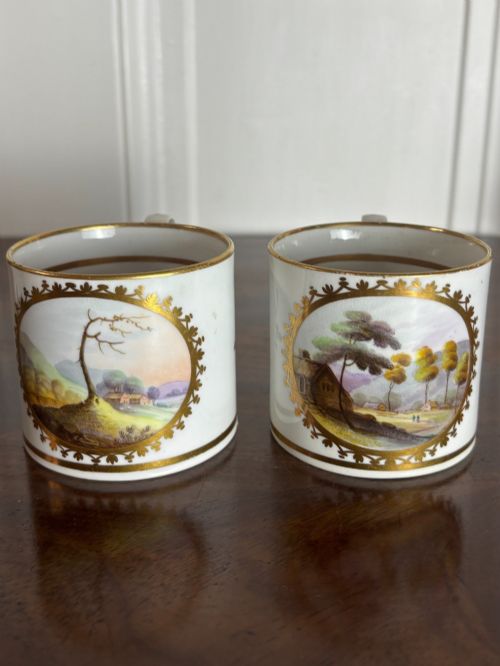
Antique pattern painting encompasses decorative items bearing hand-applied or printed designs across several centuries of production. When searching for antique pattern painting, collectors encounter tableware, vessels, and furniture originating from British, European, and Asian workshops.
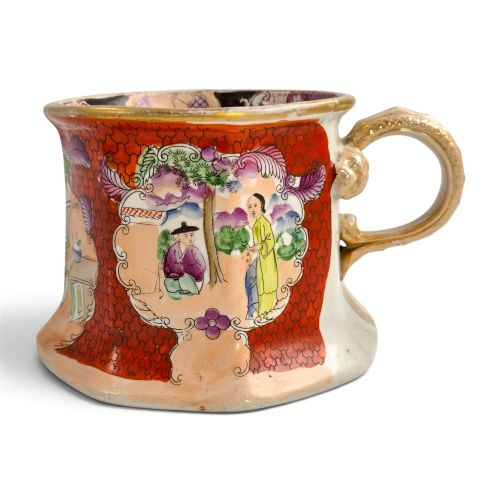
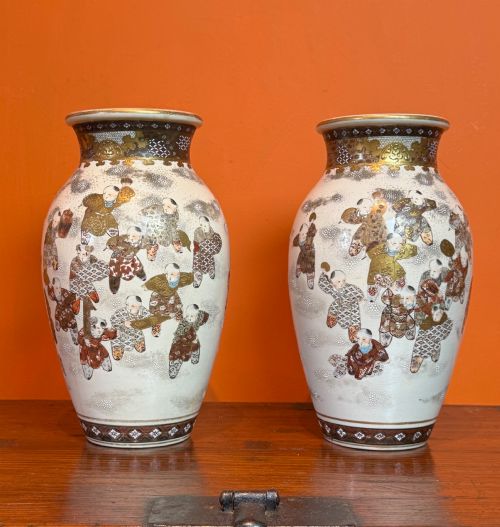
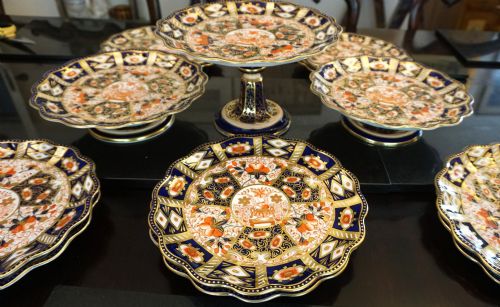
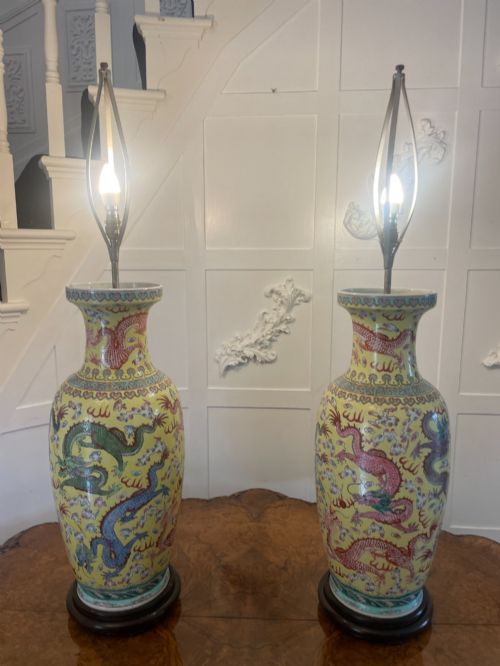
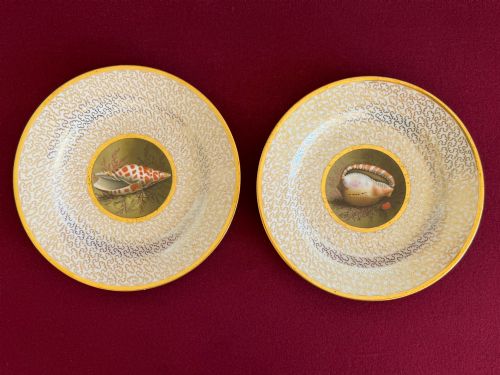
The objects on this page span the eighteenth, nineteenth, and early twentieth centuries, featuring domestic ceramics such as teapots, cups, plates, and bowls alongside larger decorative wares. English porcelain factories and Staffordshire potteries form a substantial part of the selection, sitting alongside Chinese export porcelain and Japanese Satsuma and Imari pieces.
Beyond ceramics, the listings include painted wooden tables, cast iron garden benches, and mirrors that utilise surface decoration as their primary design element. These diverse forms share a reliance on pattern and pigment to create visual interest.
How they were made
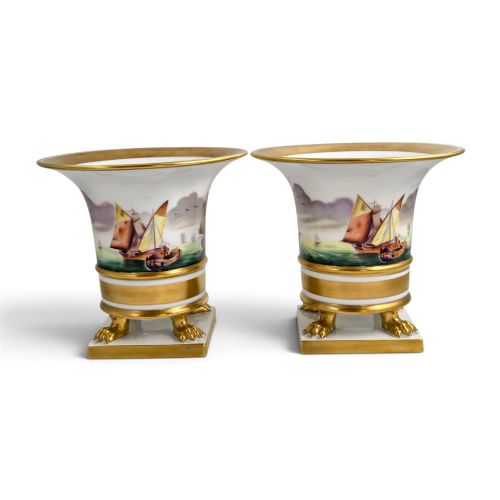
Potters and decorators applied pigments, enamel, and gilding to ceramic bodies such as porcelain, earthenware, and ironstone, often firing the pieces multiple times to set the colours. Gold leaf and copper lustre provided metallic highlights on tea services and ornamental vases.
Furniture and metalwork received painted surface treatments using oil-based paints and varnishes over wood or cast iron substrates. Garden benches employed cast iron foundations decorated with naturalistic plant motifs, while wooden tables and mirrors bore applied painted finishes.
Antique Pattern Painting Retail Price Guide 2026
Typical asking prices for pattern painting among the pieces listed under this phrase on Sellingantiques today, from the lower quarter to the upper quarter. They describe what is for sale here now, not the wider market.
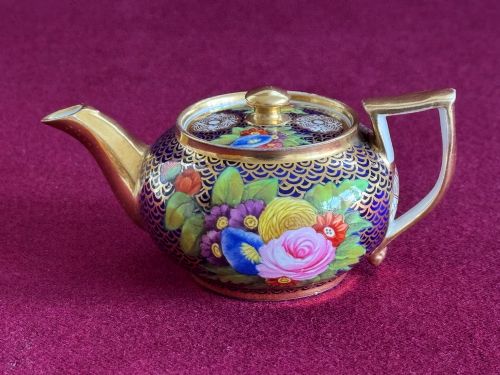
Several porcelain teapots on show are toy-sized miniature versions intended for dollhouse tea parties rather than morning caffeine.
What varies in quality
The precision and detail of the hand-painted brushwork separate standard production wares from superior examples. Master painters achieved finer lines, richer colour saturation, and more complex compositional arrangements on porcelain bodies.
The quality of the underlying material and the preservation of the applied surface decoration determine the desirability of an object. Intact gilding, minimal wear to enamels, and clear factory pattern numbers indicate careful ownership and superior initial manufacture.
New Hall Porcelain·Spode Porcelain·Barr Flight and Barr·Chamberlain Worcester·Royal Crown Derby·H and R Daniel·Falkirk Carron Foundry·Moorcroft McIntyre·Coalport Porcelain·Hicks and Meigh
The Antique Pattern Painting Glossary
- Enamel
- A vitresous composition applied to ceramics or metal as a decorative coating and fused by firing. It provides vibrant colours that sit above the glaze layer.
- Gilding
- The application of gold leaf or powdered gold to the surface of porcelain, pottery, or wood. This technique highlights raised mouldings and painted borders.
- Imari
- A style of Japanese export porcelain characterised by underglaze blue and overglaze red, gold, and green. British factories frequently copied these distinct palettes.
- Pastille burner
- A small ceramic vessel designed to burn aromatic pastilles for room fragrance. These pieces often feature pierced covers and painted architectural or botanical motifs.
- Ironstone
- A type of durable earthenware patented in the nineteenth century to imitate porcelain. It accepted painted patterns readily and served heavy domestic use.
Antique Pattern Painting: Frequently Asked Questions
What is pattern painting on antiques?
Pattern painting refers to the decorative designs applied by hand or transfer to the surfaces of ceramics, metalwork, and wooden furniture. These motifs range from botanical studies and landscape views to traditional Asian-inspired compositions.
Craftsmen used mineral oxides, enamels, and gold leaf to bring colour and detail to everyday objects and display pieces.
How do I identify a factory pattern number?
Factories often painted or stamped a specific number onto the base of ceramic pieces to record the exact colourway and design used. This allowed decorators to replicate popular services and helped retailers manage orders.
Matching these numbers in historical records can reveal the production date and the studio responsible.
How should I care for painted ceramics?
Painted ceramics require gentle handling and hand washing in lukewarm water without abrasive detergents. Enamel and gilt decorations sit on top of the glaze and can wear away with vigorous scrubbing or mechanical dishwashers.
Display pieces should be kept out of direct sunlight to prevent the pigments from fading over time.
What defines Gaudy Welsh pottery?
Gudy Welsh pottery comprises nineteenth-century earthenware featuring bright, robust hand-painted patterns utilising cobalt blue, iron red, copper lustre, and green. These domestic wares were produced primarily for everyday household use.
Common motifs include floral arrangements and stylized architectural views inspired by older imported ceramics.